Why El Salvador belongs on your off the beaten path map
El Salvador is one of the most rewarding countries in Central America for travelers who value intimacy over crowds. In this compact nation you will find volcanic skylines, quiet archaeological sites, and small colonial towns that still feel genuinely local. Many visitors rush through the region between Guatemala and Costa Rica, yet a thoughtful journey through El Salvador rewards anyone willing to slow their travel and explore well beyond the highway.
For a first time visit, most people focus on the capital San Salvador, the Pacific beach towns, and the famous Santa Ana volcano. Those are certainly among the top things to experience, but many memorable moments lie in lesser known corners where you can talk with a local guide, sip fresh coffee on a family farm, and walk through pre Columbian ruins almost alone. I highly recommend planning at least one day trip into the interior to understand why many travelers later say they felt safe and unexpectedly at home here.
Safety is a common concern before any trip to El Salvador, and it deserves a clear answer. In many areas oriented to tourism, a safe visit is realistic if you use the same urban awareness you would apply in any large city in Central America. I have repeatedly felt safe in the historic center of Santa Ana, on the Ruta de las Flores, and in several national park areas when accompanied by a trusted local guide who understands current conditions and keeps in touch with local communities.
San Salvador and Santa Ana for culture, history, and city energy
The capital San Salvador is rarely listed among the best places to see in El Salvador, yet it offers a dense mix of history, art, and everyday life. Start in the historic center where you will find the Metropolitan Cathedral, the National Palace, and the striking Iglesia El Rosario, which is one of the top things in the city for architecture lovers. Plan your time for early in the day when temperatures are softer and the streets feel more relaxed for a safe visit.
San Salvador also serves as a practical base for a day trip to nearby historic sites and coffee growing towns. Many travelers combine the city with Suchitoto, a small colonial town overlooking a vast lake, where cobbled streets, art galleries, and traditional food stalls show a gentler side of the country. If you enjoy off the beaten path city breaks in places like Antigua Guatemala, you will appreciate using San Salvador in a similar way, especially if you read a detailed guide to essential things beyond the usual route such as the one presented in this in depth Antigua Guatemala article.
Santa Ana, the second city of El Salvador, feels more compact and is often considered one of the best things about a trip to El Salvador for culture enthusiasts. Its neo Gothic cathedral, restored theater, and lively central square offer plenty of things Salvador locals enjoy daily, from evening ice cream to weekend markets. On my last visit I walked from the plaza to the theater in under ten minutes, stopping for a coffee along the way, and felt comfortable on the main streets in daylight, especially around the plaza, and I highly recommend staying at least one night to experience the city when the day cools and the lights come on.
Volcanoes, national parks, and coffee fincas away from the crowds
For many travelers, the best places to see in El Salvador are its volcanoes and highland landscapes. The most famous is the Santa Ana volcano, which rises above the Cerro Verde National Park and faces the cone of Izalco, together forming one of the country’s classic panoramas. A well organized day trip with a certified local guide is the safest way to hike the Santa Ana volcano, and you will find that the trail is busy enough to feel secure yet still far from overrun.
On the slopes around the volcanoes, traditional coffee fincas offer a window into one of the country’s defining crops. Visiting a working coffee farm lets you walk among shade grown plants, learn about harvesting and drying, and taste a cup that has traveled only a few hundred meters from tree to table. These experiences rank among the top things for travelers who want to understand how El Salvador fits into the wider coffee culture of Central America and how rural towns depend on this crop for their livelihood.
If you enjoy off the beaten path nature in places like Ecuador, where remote cloud forests and Andean valleys still feel wild, you will appreciate similar experiences in El Salvador’s highlands. For broader inspiration on this style of travel, the detailed guide to unforgettable things to see and do in Ecuador for off the beaten path travelers on this specialist Ecuador page offers a useful comparison. In both countries, a thoughtful trip that balances national park visits, small towns, and time with local families will help you see beyond the headlines and understand why many visitors later highly recommend these destinations.
Pacific beaches and fishing towns beyond the surf hotspots
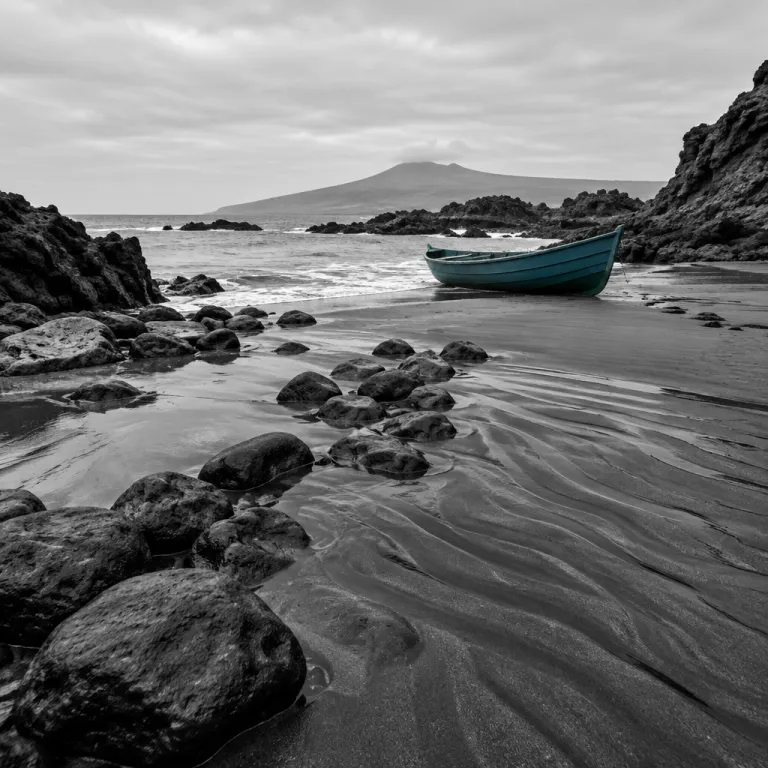
When people talk about the best places to see in El Salvador, the conversation often jumps straight to surf breaks like El Tunco and El Zonte. These are excellent for nightlife and waves, yet the quieter beach towns along the Costa del Bálsamo and further east offer a different rhythm. In these small communities you will find fishermen mending nets, families gathering for weekend food stalls, and long stretches of sand where you can walk for an hour without seeing another traveler.
For a more cultural coastal experience, consider La Libertad town itself, where the pier hosts a lively fish market and simple marisquerías serve some of the best things you can eat on any trip to El Salvador. Order a plate of grilled fish, ask for a recommendation from a local, and then finish with a chance to eat pupusas from a seaside stand as the sun sets. Many visitors who compare these evenings with more polished resorts in Costa Rica say they highly recommend the Salvadoran coast for its authenticity and value.
Safety along the beach areas has improved in recent years, particularly in zones where tourism is now a central activity for the local economy. I have often felt safe walking the main beachfront streets during the day, especially when staying in well established guesthouses that maintain close relationships with the community. For a safe visit, avoid isolated stretches after dark, keep valuables minimal, and rely on a trusted local guide or host for up to date advice on which areas are currently the top things to enjoy and which are better kept as a daytime day trip.
Ruta de las Flores and highland towns for slow cultural travel
The Ruta de las Flores is a winding highland road linking several of the best places to see in El Salvador for travelers who enjoy art, markets, and cool mountain air. Towns such as Juayúa, Apaneca, and Ataco are small enough to cross on foot, yet each offers distinct murals, weekend food festivals, and access to coffee farms. Spending time here allows you to explore well beyond a checklist of things and instead sink into the daily rhythm of Salvadoran life.
Juayúa is famous for its weekend food fair, where you can eat pupusas alongside grilled meats, soups, and regional specialties prepared by local families. This is one of the top things for culinary travelers on any trip to El Salvador, and I highly recommend arriving early in the day to secure a table and wander the stalls before they become crowded. In these markets you will find that many visitors from across the country travel here for the same reasons you do, which creates a lively yet still safe visit atmosphere.
Apaneca and Ataco, meanwhile, are ideal bases for short hikes, coffee tastings, and gentle adventure activities such as canopy tours. A local guide can lead you through coffee plantations, explain how the dry season affects harvests, and point out viewpoints where you can see multiple volcanoes in a single sweep. Compared with more famous highland circuits in Costa Rica or Guatemala, this region of El Salvador remains quieter, and many travelers later say they felt safe walking between murals, cafés, and plazas even late in the day.
Planning your trip, timing, and staying safe off the beaten path
Thoughtful planning transforms a simple trip into a rich journey through the best places to see in El Salvador. The country is compact, so you can combine cities, beach areas, and highland towns in a single week, yet each region deserves enough time to appreciate its nuances. I highly recommend structuring your travel around two or three bases, using them for day trip excursions with a trusted local guide rather than changing beds every night.
The dry season, which generally runs from late November to April, is the most comfortable time for hiking volcanoes, visiting national park areas, and exploring colonial towns on foot. During this period roads are usually in better condition, trails are less muddy, and you will find that many local festivals and food events take place on weekends. Rainy months can still be rewarding for coffee lovers and cultural travelers, but plan more indoor things and allow extra time for transport between regions of El Salvador and neighboring Central America countries such as Guatemala or Costa Rica.
Questions about whether El Salvador is safe are natural, especially for those new to the country. In my experience, many of the main tourist corridors feel Salvador safe when you follow standard urban precautions, rely on up to date advice, and use official transport or vetted drivers. For deeper context on how destinations evolve from hidden to well known, and how that affects safety and authenticity, the analysis in this article on when a hidden destination stops being hidden offers a thoughtful framework that applies well to planning any trip to El Salvador.
Key figures for off the beaten path travel in El Salvador
- According to summaries of Ministry of Tourism data for the early 2020s, international arrivals reached roughly 2.5 million visitors in 2022, a significant increase compared with previous years, yet still far below neighboring Costa Rica, which helps keep many sites relatively uncrowded.
- Data from the International Coffee Organization for recent harvest years indicates that El Salvador typically produces on the order of 600 000 to 700 000 60 kilogram bags of coffee annually, making coffee one of the country’s most important agricultural exports and a key reason to visit highland fincas.
- World Bank and national accounts estimates suggest that tourism and travel related services contribute close to 10 percent of El Salvador’s GDP when direct and indirect effects are combined, underscoring how local communities in small towns and beach areas increasingly depend on responsible travel.
- UNESCO lists Joya de Cerén Archaeological Site as a World Heritage property, and national statistics up to the early 2020s indicate that annual visitor numbers remain modest compared with major sites in Mexico or Guatemala, which supports a quieter, more contemplative experience.
- Regional flight data from airlines serving Central America shows that by the early 2020s San Salvador’s international airport was functioning as a growing hub, with new routes added in recent years, making it easier to combine a trip to El Salvador with neighboring Guatemala or Costa Rica.
FAQ about off the beaten path travel in El Salvador
Is El Salvador safe for independent travelers who go beyond the main cities ?
Many independent travelers report that they felt safe in key tourist areas such as the Ruta de las Flores, Santa Ana, and popular beach towns, especially during the day. Risks exist, as in any country, so it is wise to seek local advice, avoid isolated areas after dark, and use official or vetted transport. Traveling with a local guide for remote hikes and urban exploration in San Salvador further improves safety and cultural understanding.
What is the best time of year to visit El Salvador for hiking and culture ?
The dry season from roughly late November to April is generally the best time for hiking volcanoes, visiting national park areas, and walking through colonial towns. Trails are less muddy, road conditions are better, and many festivals and food events take place during these months. The rainy season can still be rewarding, especially for coffee related visits, but requires more flexibility in your daily plans.
How many days do I need to see the main highlights of El Salvador ?
A focused itinerary of seven to ten days allows you to combine San Salvador, Santa Ana, a section of the Ruta de las Flores, and at least one Pacific beach town. With this amount of time you can include a day trip to the Santa Ana volcano, a visit to a coffee finca, and several cultural stops without rushing. Shorter trips of four to five days are still worthwhile if you concentrate on one region rather than trying to cross the entire country.
Do I need to speak Spanish to travel in El Salvador’s smaller towns ?
Basic Spanish is very helpful in small towns and rural areas, where fewer people speak English compared with major hubs in Costa Rica or Panama. In cities and popular beach areas you will find more English speakers, especially among younger Salvadorans working in tourism. Hiring a bilingual local guide for at least part of your trip can bridge language gaps and deepen your understanding of history, food, and daily life.
What are some lesser known cultural sites beyond the usual tourist circuit ?
Beyond the well known Santa Ana volcano and coastal surf towns, consider Suchitoto for colonial architecture and lake views, Joya de Cerén for pre Columbian daily life, and the murals of Ataco on the Ruta de las Flores. Smaller archaeological sites such as San Andrés and Tazumal offer quieter alternatives to crowded ruins in neighboring countries. These places illustrate why many travelers now rank El Salvador among the best places to see in El Salvador for off the beaten path cultural travel in Central America.