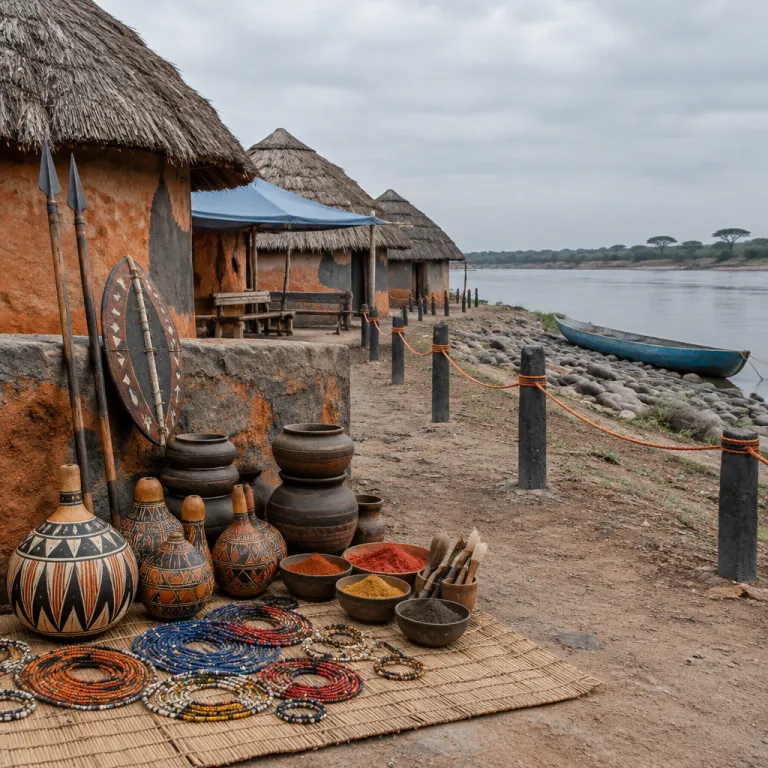
Where the Omo River valley tribes live and why this region matters
The Omo River carves a broad valley through southern Ethiopia, creating a remote cultural corridor close to the borders with Kenya and South Sudan. Along this river, several Omo River valley tribes live in scattered settlements that feel far removed from Ethiopia’s fast changing cities. The wider basin that Ethiopia shares with its neighbours forms one of East Africa’s most intricate cultural mosaics.
This South Omo region, often called the Omo Valley, lies in a semi arid zone where people have adapted to erratic rains and shifting river levels. Many communities here, including the Mursi tribe, the Suri community and the Nyangatom tribe, rely on a mix of cattle herding and small scale agriculture. Their valley tribes traditions are closely tied to the Omo River itself, whose seasonal floods once dictated planting cycles along the lower Omo floodplains.
Travelers who come to meet an individual tribe in this southern Ethiopia frontier quickly see how geography shapes culture. The Omo zone is difficult to reach, with rough roads and long driving days between villages and any national park or town. As one local guide from Jinka put it, “The distance protects our languages and customs, but it also makes services harder to reach.” That isolation has helped the Omo River valley tribes maintain languages, body adornment and ceremonies that have disappeared in many other south west African regions.
Key communities of the Omo River valley tribes and how they live
Each tribe in the Omo Valley expresses identity through distinctive dress, scarification and ritual. The Mursi people, who live mainly inside and around Mago National Park, are known for the clay lip plates worn by some women and for elaborate body painting. Nearby, the Suri people of south west Ethiopia share similar artistic traditions but maintain separate clan structures and initiation rites.
Along the Omo River itself, the Kara tribe and the Hamar tribe cultivate small plots on the riverbanks and keep goats and cattle on higher ground. These Omo River valley tribes live in compact hamlets, moving seasonally when grazing or water becomes scarce in the surrounding valley. In the hills of South Omo, the Banna tribe maintains a semi nomadic lifestyle, shifting herds between pastures while still participating in regional markets.
Many Ethiopia tribes in this southern zone practice age set systems, where young men pass through ceremonies before marrying or owning cattle. Women in the Mursi tribe, the Kara tribe and the Hamar tribe carry heavy workloads, from hauling water to building houses and brewing sorghum beer. For visitors, understanding how each tribe live day to day is essential before photographing or attending ceremonies, whether in the lower Omo or in more accessible villages near Jinka.
For travelers who appreciate remote Atlantic islands or volcanic landscapes, the cultural immersion with the Omo River valley tribes offers a human counterpart to the solitude of the Azores. Thoughtful, low impact exploration in both places depends on moving slowly, listening carefully and accepting that local rhythms, not visitor schedules, set the pace.
Rituals, ceremonies and the ethics of witnessing Omo River valley traditions
Among the most talked about rituals of the Omo River valley tribes is bull jumping, a male initiation ceremony practiced by the Hamar tribe and the Banna tribe. During bull jumping, a young man must run across the backs of several bulls lined up side by side, proving readiness for adulthood and marriage. Women relatives often show support through singing and, controversially, through ritual whipping scars that mark loyalty and resilience.
The Mursi tribe and the Suri community are also known for ceremonial stick fighting, which outsiders sometimes misinterpret as simple aggression. In reality, these events among Ethiopia tribes carry rules, mediators and social meanings tied to status, courage and courtship in the valley. When travelers attend such ceremonies in southern Ethiopia, they enter a complex social space where cameras, cash payments and time pressure can easily distort interactions with local people.
Responsible guides in the Omo zone now encourage smaller groups, longer stays and transparent fee structures that benefit households rather than only middlemen. One community elder from a Hamar village described his preference clearly: “We want visitors who come to learn, not only to take pictures and leave.” The debate over who gains from tourism echoes wider questions raised around conservation funding in Africa’s national park systems. For a deeper look at how tourism money flows in protected areas, including issues similar to those around Omo Valley national park projects, travelers can explore analyses of when tourism funds conservation and who actually benefits.
Land, water and the impact of dams on the lower Omo region
The lower Omo region has undergone profound change due to large scale hydroelectric projects on the Omo River. The Gibe III dam, sometimes written as the Gibe 3 dam in older reports, created a massive reservoir upstream that altered the river’s natural flood cycle. For Omo River valley tribes who live along the banks, especially in the lower Omo, this shift reduced the predictable floods that once nourished their flood recession agriculture.
In this part of Ethiopia, where rainfall is unreliable, the loss of seasonal flooding has pushed some people toward government resettlement schemes or irrigated sugar plantations. Critics, including human rights organizations and independent researchers, argue that these projects in southern Ethiopia have weakened food security for several valley tribes while concentrating benefits in distant urban zones. Supporters counter that the dam, with an installed capacity of about 1,870 megawatts according to Ethiopian Electric Power and international energy agencies, will provide electricity and infrastructure that could eventually improve roads, schools and clinics in the Omo zone and beyond.
Travelers moving through South Omo today may notice new roads, power lines and commercial farms where only bush once stood. These changes affect how each tribe live, from the Mursi people near Mago National Park to the Nyangatom tribe closer to the Kenyan border. Anyone visiting the Omo River valley tribes should understand that this is not a frozen ethnographic museum but a living region negotiating rapid change, much like other off the beaten path destinations where infrastructure projects reshape traditional lands.
Planning a respectful journey to the Omo River valley tribes
Reaching the Omo Valley usually starts with a flight or long drive to the southern Ethiopia town of Arba Minch or to Jinka, gateway to several national park areas. From there, travelers head into south west Ethiopia on rough roads toward Mago National Park, Omo National Park or the scattered villages of the Hamar tribe, Kara tribe and Banna tribe. Distances are long, and a realistic itinerary will allow extra time for weather, vehicle issues and unplanned cultural encounters.
Choosing a local operator with strong community relationships in the Omo zone is essential for ethical travel. A good guide will brief you on etiquette with each tribe, explain when photography is appropriate and ensure that payments reach the people who live in the visited settlements. They should also coordinate with elders from the Mursi tribe, the Suri community or the Nyangatom tribe so that visits align with local schedules, ceremonies and grazing movements.
Accommodation ranges from simple guesthouses in towns to basic campsites near the Omo River, often outside any formal national park boundaries. Conditions are rustic, and travelers should be prepared for heat, dust and limited services in this remote Ethiopian landscape. Those who value similarly low key, culturally sensitive journeys can look for guidance that highlights lesser known places beyond the usual route, emphasizing local hosts, slower travel and clear consent protocols when visiting communities.
Photography, storytelling and the future of Omo River valley cultures
Images of the Omo River valley tribes circulate widely in travel media, often focusing on body paint, lip plates and dramatic ceremonies. While these visual elements are real, they represent only a fraction of how people live in this complex region. Many younger Ethiopia tribes members now attend school, use mobile phones and negotiate between ancestral customs and modern expectations.
Travelers who photograph the Mursi people, the Suri community or the Kara tribe should always ask permission, agree on a fair payment when appropriate and avoid staging scenes that misrepresent daily life. Ethical storytelling means acknowledging that women, elders and youth in the Omo Valley are active decision makers, not passive subjects in a photographer’s frame. It also means recognizing that the same Omo River that shapes ceremonies like bull jumping also underpins debates about the Gibe III dam and land rights in the lower Omo.
As roads improve and visitor numbers rise, the Omo zone faces a delicate balance between economic opportunity and cultural pressure. Some valley tribes are already adapting by creating community run campsites, guiding cooperatives and craft markets that keep more income within the tribe. Thoughtful travelers who engage with the Omo River valley tribes on their own terms, follow community consent protocols and accept local guidance can support this shift, helping ensure that the South Omo region remains a place where diverse cultures continue to thrive along the river.
Key figures and context about the Omo River valley tribes
- The Omo Valley in southern Ethiopia is home to more than a dozen distinct ethnic groups, with estimates often citing around 16 to 20 communities, including the Mursi tribe, Hamar tribe, Kara tribe, Banna tribe, Suri and Nyangatom tribe (figures reported by organizations such as Survival International and Minority Rights Group International).
- The Gibe III dam on the Omo River has an installed capacity of approximately 1,870 megawatts, making it one of Africa’s largest hydroelectric projects and a major driver of infrastructure change in the lower Omo region (capacity data from Ethiopian Electric Power and international energy agencies).
- Omo National Park and Mago National Park together cover more than 8,000 square kilometres, forming one of Ethiopia’s largest protected area complexes and overlapping with lands traditionally used by several valley tribes (area estimates from Ethiopian Wildlife Conservation Authority reports and conservation assessments).
- Driving distances in South Omo are significant; for example, the journey from Arba Minch to Jinka is roughly 275 kilometres, often taking 7 to 8 hours on mixed road surfaces, which shapes how visitors can realistically plan time with the Omo River valley tribes (based on common overland itineraries used by regional tour operators).
FAQ about visiting the Omo River valley tribes
When is the best time of year to visit the Omo Valley ?
The most practical period to visit the Omo Valley is during the drier months, when roads in South Omo are more passable and river levels are stable. Heavy rains can make tracks into Mago National Park, Omo National Park and remote villages difficult or impossible to use. Travelers should always confirm current conditions with local operators before finalizing dates.
How can visitors engage respectfully with the Omo River valley tribes ?
Respectful engagement starts with traveling in small groups, using local guides who have established relationships with each tribe and following community protocols. Always ask before taking photographs, agree on payments transparently and avoid pressuring people to pose or perform outside genuine contexts. Taking time to learn basic greetings, to seek explicit consent for close up images and to listen more than you speak helps build trust with people who live in this region.
Is it safe to travel in the Omo zone of southern Ethiopia ?
Security conditions in the Omo zone can change, so travelers should monitor government travel advisories and consult reputable Ethiopian operators. Most visits to the main Omo River valley tribes areas proceed without incident when properly planned, but local disputes, road conditions or weather can affect routes. A flexible itinerary, experienced driver and guide, and appropriate insurance are essential.
What impact does tourism have on the Omo River valley tribes ?
Tourism brings cash income, market access and sometimes support for education or health projects, but it can also create dependency and distort cultural practices. Short, high pressure visits that focus only on photographs tend to benefit intermediaries more than households in the valley. Longer stays, community based arrangements and transparent fee structures usually provide better outcomes for both visitors and the tribes.
Do visitors need special permits to enter parks and tribal areas in the Omo Valley ?
Entry to Mago National Park, Omo National Park and some controlled areas in South Omo requires permits and park fees, which are normally arranged by local tour operators. In addition, some communities request separate access fees or guiding charges when travelers visit villages of the Mursi tribe, Hamar tribe, Kara tribe or other Ethiopia tribes. Clarifying all costs in advance helps ensure that payments reach the appropriate local structures.