Puglia autumn food cucina povera family travel, off the summer script
Puglia in autumn feels like a different country from high summer. When families plan a shoulder-season escape focused on Puglia autumn food, cucina povera and slow family travel, they meet a quieter region where the fields matter more than the beach clubs, and the rhythm of meals follows the olive harvest rather than the sunset aperitivo. This is the moment when Puglia food finally aligns with what locals actually eat, and when traditional dishes step out from behind tourist menus.
Across this long heel of Italy, the air smells of crushed olive and wood smoke. Inland towns with white washed lanes such as Cisternino, Locorotondo and Martina Franca trade the roar of the sea for the soft clatter of the Italian kitchen, and families who travel now find space to linger at markets, talk to growers and taste wines without queues. For off the beaten path travelers, an autumn trip built around cucina povera and family meals is less about ticking tags on social media and more about understanding why this region’s frugal cooking became one of the great Italian food cultures.
The phrase cucina povera describes a way of cooking where bread, legumes and vegetables carry the meal. In Puglia that means orecchiette con cime rapa, focaccia barese soaked in fragrant olive oil, pasta fagioli made with local beans and tomato sauce, and humble pasta beans stews that feel almost monastic yet deeply generous. Families who read menus carefully and ask about recipes Puglia style will find the best versions of these dishes in small trattorias, where the chef still cooks like a nonna and where Puglian cuisine is not a performance but a daily necessity.
Olive harvest, olio nuovo and the taste of ancient groves
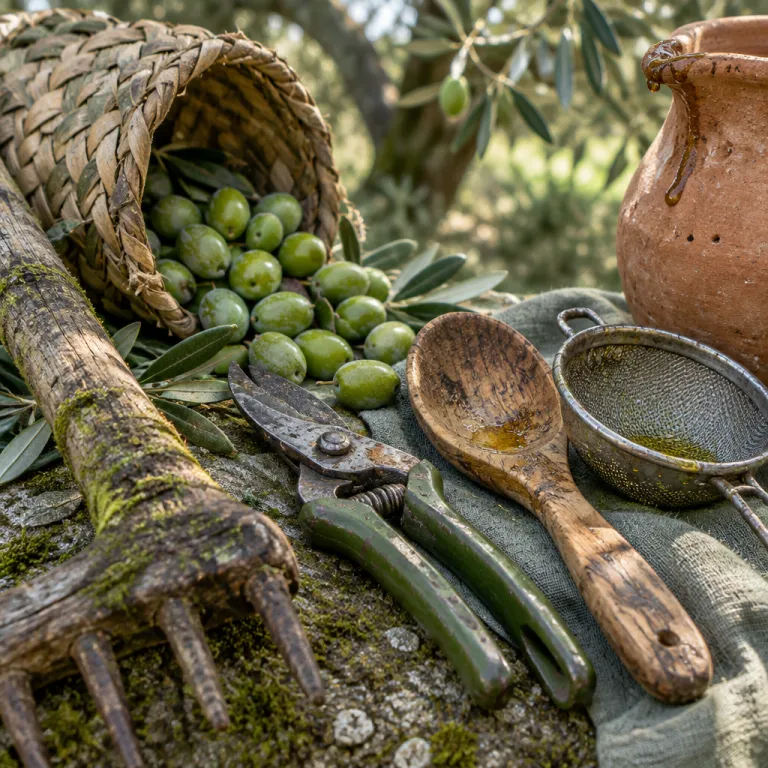
The real drama of Puglia’s autumn food season plays out in the olive groves. As temperatures soften, families can walk between ancient olive trees near Ostuni or Fasano, watching nets spread under the branches while pickers work by hand and small tractors hum between rows of silver green leaves. Children quickly understand that every drizzle of extra virgin olive oil on their focaccia barese or pasta fagioli begins with this slow, physical labour.
Many masserie, the fortified farm estates that anchor rural Puglia, open their presses to visitors during the first crush of the season, usually from late October into November. A guided tour through the frantoio, or olive mill, lets you smell the moment when olives become a cloudy stream of olio nuovo, the new oil that defines autumn food here and that gives Puglian cuisine its peppery backbone. At places such as Masseria Brancati outside Ostuni or Frantoio D’Amico near Fasano, families can taste different local olive varieties, compare young wines with older wines, and learn why a good virgin olive oil is treated almost like wine in this part of Italy, with talk of terroir, altitude and distance from the sea.
For children, this is a rare chance to see a staple ingredient move from tree to table in a single afternoon. Parents planning food-focused family travel should look for masseria stays that include short educational walks in the olive groves, simple tastings in the Italian kitchen and relaxed meals where traditional dishes such as orecchiette con cime rapa or fave cicoria are finished with a generous pour of new season olive oil. Many frantoi open for visits in the late morning, around 10:00–12:30, so it is worth calling ahead and allowing at least 30 minutes’ driving time between inland towns and the coast. If coffee is your other obsession, the same slow, agricultural focus that shapes olive culture here will resonate with anyone interested in immersive coffee tourism experiences, the kind explored in depth in this guide to when the cup becomes the destination.
Masseria farm stays and the family rhythm of the Italian kitchen
For families, masseria stays are the quiet engine of autumn travel in Puglia. These white washed farm complexes, often encircled by stone walls and olive groves, give children room to roam while adults slip into the slower cadence of rural Italy, where meals follow the farm’s own schedule rather than a hotel buffet timetable. You wake to the sound of roosters and distant tractors, not traffic, and breakfast might be warm focaccia barese with tomato sauce and local olive oil instead of packaged pastries.
Many masserie now balance comfort with authenticity, keeping the old stone courtyards and underground olive presses while adding pools and family friendly rooms. The best places invite guests into the Italian kitchen for informal cooking sessions, where you roll pasta by hand, shape orecchiette con cime rapa and stir pasta beans soups while a nonna explains how cucina povera recipes stretch a handful of ingredients into a full table. Children tend to remember the tactile details, from flour on their fingers to the smell of garlic sizzling in olive oil, long after they forget the names of towns.
Some properties also offer short tour options to nearby markets, vineyards and coastal villages, so you can pair inland calm with a day by the sea without surrendering to the summer crush. A typical loop might take you from a masseria near Ceglie Messapica to the market in Martina Franca in about 35 minutes by car, then on to the Adriatic for an afternoon swim. If you are drawn to generous, ingredient led food cultures, there is a familiar thread between Puglian cuisine and other regional tables built on bread, cheese and wine, such as the rich hospitality explored in this deep dive into Georgia’s most generous food culture. In both places, traditional dishes, humble pasta and simple wines become a language of welcome that children understand instinctively.
Markets, inland towns and the shape of an autumn family day
An autumn day built around Puglia’s markets and cucina povera starts at the market, not the beach. In towns like Martina Franca or Noci, stalls overflow with cime rapa, wild chicories for fave cicoria, crates of tomatoes for slow cooked tomato sauce and baskets of seafood brought in from the Adriatic sea before dawn. Parents can use these markets as open air classrooms, asking children to help find the best ingredients for lunch and to read the handwritten signs that list local varieties.
From there, the day stretches gently. You might join a short tour of a family run caseificio to watch mozzarella being shaped, then head back through olive groves to a masseria for a simple lunch of orecchiette con cime rapa, pasta fagioli or pasta beans, all cooked with local olive oil and poured at a long communal table. Most weekly markets wrap up by early afternoon, often around 13:00, so it makes sense to shop in the morning and plan cooking or tastings for later in the day. Afternoons are for naps, reading under ancient olive trees and maybe a quick drive to a quiet stretch of coast, where the sea is still warm enough for a swim but the crowds have thinned to a few local families.
As evening falls, inland towns glow softly and the smell of grilled seafood and slow simmered sauces drifts through narrow streets. This is when you see how Puglian cuisine holds families together, with grandparents, parents and children sharing plates of spaghetti alle vongole, focaccia barese and simple vegetable dishes that would be tagged as cucina povera in any cookbook. If you are planning a wider European journey, the same preference for shoulder season calm and food led wandering works beautifully in other coastal regions, such as the relaxed day trip ideas outlined in this guide to an unforgettable coastal day in Cascais.
Eating well with children, beyond tourist menus and spaghetti alle vongole
Parents sometimes worry that a trip centred on Puglia’s rustic food traditions will be too austere for younger palates. In reality, the building blocks of cucina povera are exactly what many children already love, from simple pasta with tomato sauce to bread, beans and mild cheeses that feel familiar even when the names are new. The key is to balance one safe choice, such as spaghetti with butter or orecchiette in plain tomato sauce, with one shared plate that nudges them toward local dishes.
Look for trattorias where the menu changes daily and where the staff are happy to explain recipes Puglia style rather than pushing a laminated tourist menu. A good sign is a short list of traditional dishes, perhaps featuring orecchiette con cime rapa, pasta fagioli, pasta beans, focaccia barese and seafood cooked simply with olive oil, garlic and white wine, instead of a long roster of international options. When in doubt, ask what the family at the next table is eating and whether it can be adapted slightly for children, maybe with less chilli or a different shape of pasta.
Wine culture here is relaxed, and many restaurants offer local wines by the glass or carafe, so adults can taste Puglian reds and whites without committing to a full bottle. For non drinkers and younger travelers, the focus shifts to the nuances of olive oil, from grassy new season virgin olive oil to softer blends used for cooking, which can be tasted on bread like a gentle, food friendly lesson. Over a week or two, even cautious eaters usually move from plain spaghetti alle vongole to sharing plates of fave cicoria, grilled seafood and vegetable based cucina povera, proving that food-led family travel in Puglia can be both comforting and quietly adventurous.
FAQ
Why is autumn a good time for a family trip to Puglia ?
Autumn aligns perfectly with food-focused family travel in Puglia because the olive harvest, grape pressing and cooler temperatures all arrive together. Crowds thin on the coast, prices soften and inland towns feel more local, making it easier for families to join markets, farm visits and short tours without long waits. The season also brings olio nuovo, or new olive oil, which transforms simple traditional dishes into something vivid and memorable.
What are the most family friendly traditional dishes to try in Puglia ?
Many staples of Puglian cuisine are naturally child friendly, especially orecchiette with tomato sauce, focaccia barese, pasta fagioli and mild cheeses served with bread and olive oil. For more adventurous families, orecchiette con cime rapa, fave cicoria and simple seafood such as grilled fish or spaghetti alle vongole introduce local flavours without overwhelming heat or complexity. Sharing plates and ordering a mix of familiar pasta and new vegetable dishes usually works well for mixed age groups.
Are masseria farm stays suitable for younger children ?
Masserie are generally well suited to families, especially in autumn when the pace is slower and outdoor spaces are less crowded. Many properties offer large rooms, safe courtyards, pools and informal activities such as short walks in the olive groves or simple cooking sessions in the Italian kitchen. Parents should always check in advance about fencing around pools, availability of cots and high chairs, and whether the masseria can adapt traditional dishes for children.
How can we avoid tourist menus and find more authentic places to eat ?
To keep a Puglia itinerary focused on authentic flavours, look for short menus that change daily, blackboard specials and a mix of generations at the tables. Restaurants filled mainly with local families, especially on Sunday lunch, are usually a strong sign that the kitchen cooks real cucina povera rather than a generic tourist offering. Asking your masseria host or market vendors where they eat with their own children is often the most reliable way to find the best options.
Is it necessary to rent a car for an autumn food focused trip in Puglia ?
A car gives families much more flexibility to move between inland towns, olive groves and quieter stretches of sea, especially when planning market visits and masseria stays. Public transport connects major centres, but many of the most rewarding food experiences, such as small frantoi or rural trattorias, sit beyond easy bus or train routes. For a journey that includes both markets and countryside, a rental car usually makes the itinerary smoother and less rushed.