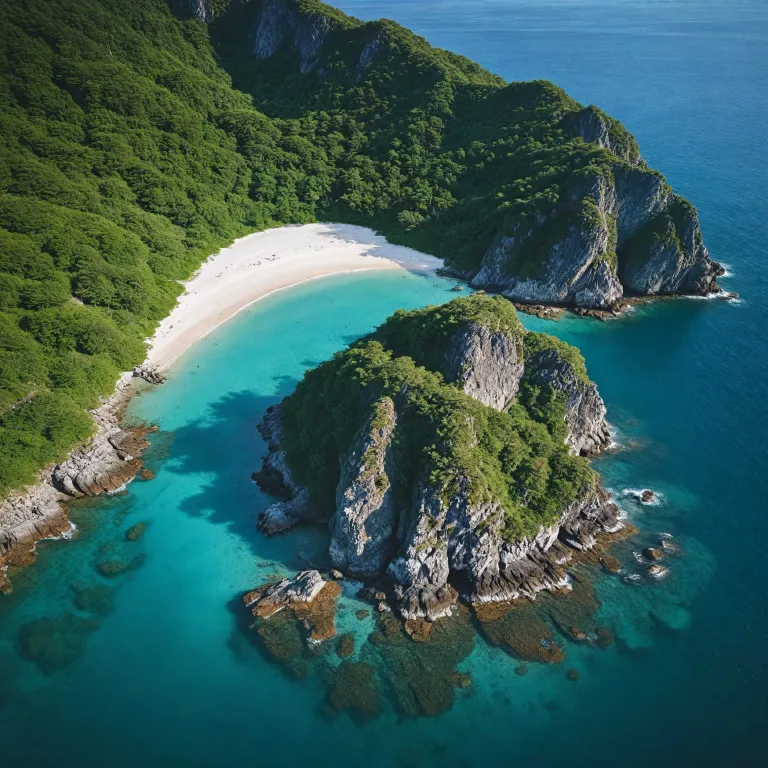
Unveiling remote islands: the allure of hidden gems
Remote islands captivate travelers who seek off-the-beaten-path destinations, offering a unique blend of tranquility and untouched beauty. These hidden gems remain largely unspoiled by mass tourism, allowing visitors to experience authentic cultures and pristine landscapes. The journey to these islands often requires careful planning, but the reward is an escape from the ordinary and a chance to immerse oneself in nature’s serenity.
From the turquoise waters of the Azores to the volcanic landscapes of the Faroe Islands, remote islands offer diverse experiences. Each island presents its own character, shaped by local traditions and natural wonders. Travelers find that these destinations provide a sense of exclusivity, far removed from crowded resorts and busy city centers.
Choosing remote islands as off-the-beaten-path destinations means embracing adventure and curiosity. The absence of large crowds allows for a deeper connection with the environment and local communities. Whether hiking along rugged coastlines or sampling regional cuisine, every moment feels personal and memorable.
For those passionate about sustainability, remote islands often lead the way in eco-friendly tourism. Many communities prioritize conservation, ensuring that their hidden gems remain protected for future generations. This commitment enhances the appeal for travelers who value responsible exploration.
Planning a journey to these islands requires attention to detail, from transportation logistics to understanding local customs. However, the effort is rewarded with experiences that linger long after the trip ends. For more inspiration on authentic adventure, explore this guide to undiscovered destinations for backpackers.
Secluded escapes: navigating the world’s most isolated islands
Secluded islands offer a rare opportunity to disconnect from the digital world and reconnect with nature. These off-the-beaten-path destinations are characterized by limited infrastructure, which preserves their untouched charm. Travelers often reach these islands by small boats or regional flights, adding a sense of adventure to the journey.
On islands like Svalbard or the Andaman archipelago, visitors encounter dramatic landscapes and unique wildlife. The remoteness fosters a sense of exclusivity, where each day brings new discoveries, from hidden coves to vibrant coral reefs. The absence of large hotels ensures that the natural environment remains the star attraction.
Local communities on these islands often maintain traditional ways of life, offering travelers a glimpse into customs rarely seen elsewhere. Engaging with residents provides insight into sustainable living and the importance of preserving cultural heritage. These interactions enrich the travel experience and foster mutual respect.
Travelers seeking off-the-beaten-path destinations should prepare for limited amenities and embrace a spirit of flexibility. The rewards include breathtaking scenery, peaceful surroundings, and the chance to witness rare natural phenomena. For a deeper dive into the world’s most secluded escapes, visit this comprehensive resource on remote travel destinations.
Exploring remote islands encourages a slower pace, allowing travelers to savor each moment. Whether kayaking through crystal-clear waters or hiking to panoramic viewpoints, the experience is defined by authenticity and wonder. These hidden gems are ideal for those who value solitude and natural beauty.
Authentic island cultures: traditions and local life
One of the greatest rewards of visiting remote islands is the opportunity to engage with authentic island cultures. Off-the-beaten-path destinations often preserve traditions that have been passed down for generations. Visitors are welcomed into communities where hospitality is a way of life, and local customs shape daily routines.
On islands such as the Lofoten archipelago or the quiet Greek islands, travelers can witness traditional festivals, sample homemade delicacies, and participate in age-old crafts. These experiences provide a deeper understanding of the island’s identity and foster meaningful connections. The rhythm of island life encourages visitors to slow down and appreciate the simple pleasures.
Local guides play a crucial role in sharing stories and insights about their homeland. Their expertise enhances the journey, revealing hidden corners and explaining the significance of cultural practices. Travelers are encouraged to respect local customs and contribute positively to the communities they visit.
For those interested in exploring lesser-known Greek islands, this detailed travel guide to off-the-beaten-path Greece islands offers valuable insights. These destinations exemplify the charm and authenticity that define remote island travel.
Participating in local traditions, from fishing excursions to folk music performances, enriches the travel experience. These moments create lasting memories and highlight the importance of preserving cultural heritage in off-the-beaten-path destinations.
Natural wonders: landscapes and biodiversity of hidden islands
Remote islands are renowned for their extraordinary natural wonders, ranging from dramatic cliffs to lush rainforests. These off-the-beaten-path destinations often serve as sanctuaries for rare flora and fauna. The isolation of these islands has allowed unique ecosystems to thrive, making them a haven for nature enthusiasts.
Travelers can explore volcanic craters, hidden waterfalls, and vibrant coral reefs teeming with marine life. Each island offers a distinct landscape, shaped by geological forces and centuries of natural evolution. Birdwatchers and wildlife photographers are drawn to these locations for the chance to observe species found nowhere else on earth.
Conservation efforts are a priority on many remote islands, with local organizations working to protect fragile habitats. Visitors are encouraged to follow responsible travel practices, such as minimizing waste and respecting wildlife. These actions help ensure that the islands remain pristine for future generations.
Guided nature walks and eco-tours provide educational opportunities, allowing travelers to learn about the island’s biodiversity. The experience of witnessing untouched landscapes fosters a sense of awe and appreciation for the natural world. Off-the-beaten-path destinations offer a rare glimpse into ecosystems that remain largely undisturbed.
Whether snorkeling in crystal-clear lagoons or hiking through ancient forests, the natural beauty of remote islands leaves a lasting impression. These hidden gems invite travelers to reconnect with nature and experience the world’s wonders in their purest form.
Planning your journey: logistics and practical tips for remote islands
Traveling to remote islands requires careful planning and preparation. Off-the-beaten-path destinations often have limited transportation options, so it is essential to research routes and schedules in advance. Flexibility is key, as weather conditions can impact travel plans and access to certain areas.
Accommodations on these islands tend to be small-scale and locally owned, providing an intimate and personalized experience. Booking early is recommended, especially during peak travel seasons. Travelers should also familiarize themselves with local customs and etiquette to ensure a respectful and enjoyable visit.
Packing essentials for remote islands includes lightweight clothing, sturdy footwear, and eco-friendly toiletries. It is advisable to bring cash, as electronic payment options may be limited. Health and safety considerations, such as vaccinations and travel insurance, should be addressed before departure.
Connectivity may be limited on some islands, offering a welcome break from digital distractions. Travelers are encouraged to embrace the slower pace and focus on meaningful experiences. Engaging with local guides and participating in community activities enhances the journey and supports sustainable tourism.
By preparing thoroughly and approaching the trip with an open mind, visitors can make the most of their time in these extraordinary destinations. Off-the-beaten-path islands reward curiosity and adaptability, creating memories that last a lifetime.
Sustainable travel: preserving the magic of hidden island gems
Sustainable travel is essential for protecting the unique environments and cultures of remote islands. Off-the-beaten-path destinations are particularly vulnerable to the impacts of tourism, making responsible practices a priority for both visitors and local communities. Many islands have implemented initiatives to reduce waste, conserve resources, and promote eco-friendly activities.
Travelers can contribute by choosing locally owned accommodations, supporting community-based projects, and minimizing their environmental footprint. Participating in conservation programs, such as beach clean-ups or wildlife monitoring, allows visitors to give back to the places they explore. These actions help preserve the magic of hidden gems for future generations.
Education plays a vital role in sustainable travel, with local guides and organizations offering insights into the challenges and opportunities facing remote islands. Travelers are encouraged to learn about the island’s history, ecology, and cultural heritage. This knowledge fosters a deeper appreciation and a sense of responsibility toward the destination.
Off-the-beaten-path islands often serve as models for sustainable tourism, demonstrating how communities can balance economic development with environmental stewardship. By making conscious choices, travelers can ensure that their journeys have a positive impact. The preservation of these hidden gems depends on the collective efforts of visitors and residents alike.
Embracing sustainable travel practices enhances the overall experience, allowing travelers to connect with the destination on a meaningful level. Off-the-beaten-path destinations offer a rare opportunity to witness the beauty of the world in its most authentic form, inspiring a lifelong commitment to responsible exploration.
Key statistics on remote islands and off-the-beaten-path destinations
- Percentage of global travelers seeking off-the-beaten-path destinations: [Insert relevant statistic]
- Number of remote islands with protected status: [Insert relevant statistic]
- Average annual visitor numbers to selected hidden gems: [Insert relevant statistic]
Frequently asked questions about remote islands and hidden gems
What are the main challenges of visiting remote islands?
Travelers often face limited transportation options, unpredictable weather, and minimal amenities. Planning ahead and maintaining flexibility are essential for a successful trip.
How can I ensure my visit to a remote island is sustainable?
Choose locally owned accommodations, minimize waste, and participate in community-based activities. Supporting conservation efforts and respecting local customs contribute to sustainable tourism.
Are remote islands suitable for solo travelers?
Many remote islands welcome solo travelers, offering safe environments and opportunities for meaningful connections. Engaging with local guides and joining group activities can enhance the experience.