How a Naples Ferrante literary travel guide reshapes the city on the page
Naples is no longer just a southern Italian city for many readers. Through the Neapolitan novels, it has become a layered map where every street hints at a buried story and at the intertwined lives of two girls. A thoughtful Naples Ferrante literary travel guide starts from that map, then walks you gently past the postcard surface of the city.
Elena Ferrante turned Naples into a restless character, and the novels invite readers to read the city as closely as they read the books. The friendship between Elena “Lenù” Greco and Lila Cerullo is not only a brilliant friend narrative ; it is also a study in how a neighborhood shapes ambition, fear, and class mobility. When travelers arrive with the Neapolitan novels in hand, they are often seeking the real identity of this unnamed district and the Naples author who wrote it into global consciousness.
The dataset that underpins this Naples Ferrante literary travel guide confirms that Rione Luzzatti is widely believed to be the inspiration for the girls’ childhood neighborhood. Walking there, you feel how the city compresses lives into tight courtyards, stairwells, and balconies. A good guide treats these places not as Ferrante theme park events, but as working spaces of daily routine where the characters’ struggles echo real families.
The rione and beyond: tracing Elena and Lila through working Naples
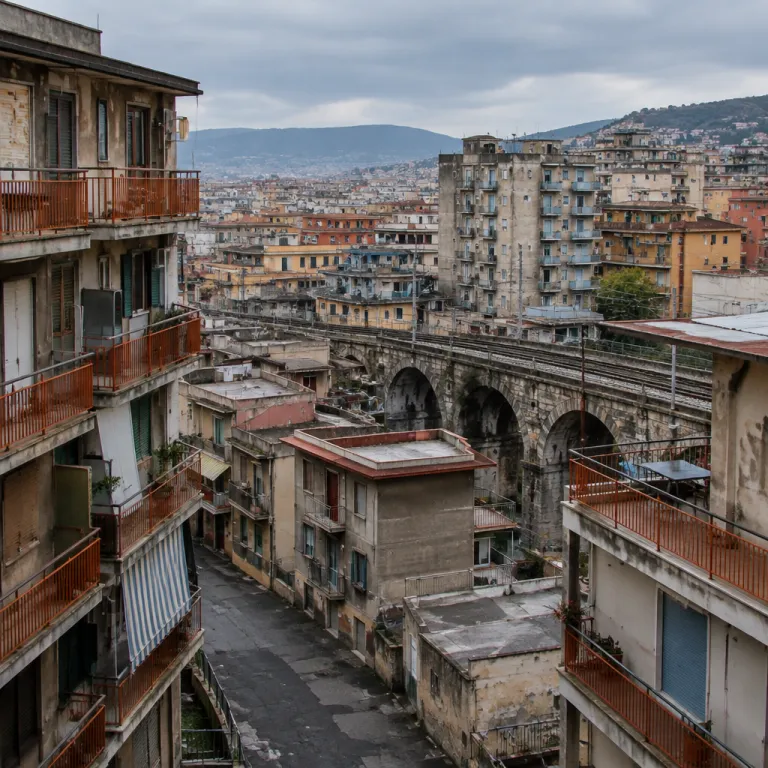
Start in Rione Luzzatti early in the day, when the neighborhood is busy but not yet frantic. This is where many readers place the childhood story of Elena and Lila, long before the brilliant friend becomes a best selling literary figure in translation. The low buildings, laundry lines, and railway tracks give a physical grammar to the Neapolitan novels.
Here, the Ferrante Neapolitan landscape is not picturesque ; it is functional, sometimes harsh, and always alive with daily noise. You are walking through the kind of streets where an author observes how class, gender, and education collide, then turns those observations into books that feel almost documentary. The Naples Ferrante literary travel guide must insist that this is first a home for residents, and only then a setting for characters that readers love.
Ethical literary tourism means resisting the temptation to treat every courtyard as a stage set. The article “The trouble with ‘authentic’: what travelers really chase and why chasing it ruins it” offers a useful lens for thinking about how a city becomes a beast of consumption when visitors demand authenticity on their own terms. In this rione, you are a guest in a living community, not a detective chasing the real identity of author Elena or of Greco Raffaella, the fictional surname that ties Lenù to the neighborhood.
From Spaccanapoli to the Sanità: reading the city’s class geography
Leave the rione and ride public transport toward the historic center, using a simple day pass that currently costs around 4.5 euros. Spaccanapoli slices the city like a sentence that refuses to end, and the contrast with the outskirts shows what the Neapolitan novels mean by social ascent. Elena’s movement from the poor neighborhood toward the educated city mirrors the way many visitors move, often without noticing the class story under their feet.
In Spaccanapoli, the churches, bookshops, and student bars feel closer to the world where an aspiring Naples author might study, read, and argue about politics. This is the part of the city that international media and platforms such as the Daily Beast tend to photograph, turning Naples into a best selling backdrop. A serious Naples Ferrante literary travel guide asks you to hold both images at once : the polished center and the rawer districts called Neapolitan only when crime or poverty make headlines.
Head north into the Sanità district, where the catacombs and markets reveal another layer of lives and events. Here, the city’s characters are not just Ferrante’s creations but market vendors, teenagers on scooters, and grandmothers watching the street as if reading a familiar book. For a deeper reflection on when a place shifts from hidden to overexposed, the essay “The moment a hidden destination stops being hidden” offers a parallel to how Ferrante tourism risks turning a once ignored neighborhood into a literary beast.
Ischia, summer light, and the gap between page and screen
Any Naples Ferrante literary travel guide feels incomplete without a ferry ride to Ischia, the island that becomes a summer hinge in the story. On the page, Ischia is where Elena’s world briefly opens, where the sea reframes her friendship with Lila and her sense of herself as a future author. The island’s beaches and thermal parks are real, but the emotional weather of those chapters is harder to locate on a map.
When you walk Ischia’s lanes after you have read the books, you notice how the contrast with the dense neighborhood in Naples sharpens every detail. The sea feels like a third character between Elena and her friend, a brilliant mirror that reflects class differences more than holiday ease. Many readers arrive with scenes from the television adaptation in mind, only to find that the real island is less polished and more varied than the camera suggests.
The TV series uses carefully chosen locations in Naples and on Ischia to translate the Neapolitan novels into images. Some of these sites are faithful to the spirit of Ferrante Neapolitan settings, while others compress distances or soften the city’s rough edges for visual clarity. Treat the screen version as one more interpretation, not as a guidebook, and let the physical city correct your expectations rather than chasing every shot like a checklist of events.
Walking with the books: pairing reading, ethics, and offbeat routes
The most rewarding way to use a Naples Ferrante literary travel guide is to walk with one of the books in your bag. Read a chapter about the childhood neighborhood, then take the Circumvesuviana train and notice how the city’s outskirts echo the text. Later, sit in a quiet square in the center and read about Elena’s university years, feeling how the distance between those lives is both a few kilometers and an entire class system.
Using fiction as a map is an innovation that local guides, Ferrante fan communities, and academic scholars now explore through walking tours and literary maps. These methods help readers understand how daily routines, informal economies, and gendered spaces shape the characters’ choices in the Neapolitan novels. They also remind travelers that the author Elena Ferrante, often framed as a mysterious best selling author with a hidden real identity, built her authority by paying close attention to how a city works, not by romanticizing its hardship.
For off the beaten path travelers, Ferrante’s Naples sits comfortably alongside other quiet destinations such as Utah’s lesser known desert towns, which you can explore through a guide to Kanab attractions for travelers seeking Utah’s quiet desert wonders. In both cases, the ethical question is the same : how do you enter a place shaped by other people’s lives without turning it into a consumable beast. A respectful answer is to move slowly, support local businesses, learn a few words of dialect, and remember that the characters you love are fictional, while the people around you are not.
FAQ
Is Rione Luzzatti really the neighborhood from the Neapolitan novels?
Rione Luzzatti is widely believed to have inspired the unnamed childhood neighborhood of Elena and Lila. The streets, housing blocks, and railway lines match many details in the story. However, Ferrante has never confirmed a precise real identity for the setting, which protects residents from being treated as characters.
Can I follow this Naples Ferrante literary travel guide if I have not read the books?
You can visit all the suggested areas of Naples and Ischia without having read the novels. The walks will still reveal the city’s class geography, markets, and daily life. Reading at least the first volume, often titled My Brilliant Friend, will deepen your understanding of how the places connect to the characters.
How safe are the neighborhoods linked to Elena and Lila’s story?
Areas such as Rione Luzzatti are generally fine to visit in daytime, especially if you stay on main streets and use common sense. Some districts have reputations for crime, which the Neapolitan novels reflect honestly. Treat them as you would any working class city neighborhood : be respectful, avoid ostentatious displays, and leave if you feel uncomfortable.
Do local residents welcome Ferrante readers in their neighborhood?
Reactions vary, as some residents appreciate the attention while others dislike being associated only with poverty or crime. A considerate Naples Ferrante literary travel guide encourages low key visits that do not photograph people without consent or block entrances. Supporting local cafés, bakeries, and bookshops is a simple way to give something back.
Are there official Ferrante walking tours in Naples?
Several local guides and cultural associations now offer Ferrante themed walks that connect the novels to real streets and squares. These tours often combine literary analysis with social history, helping readers understand how the city’s events and daily structures shaped the books. Joining a small group can be a responsible way to explore areas you might not navigate alone.