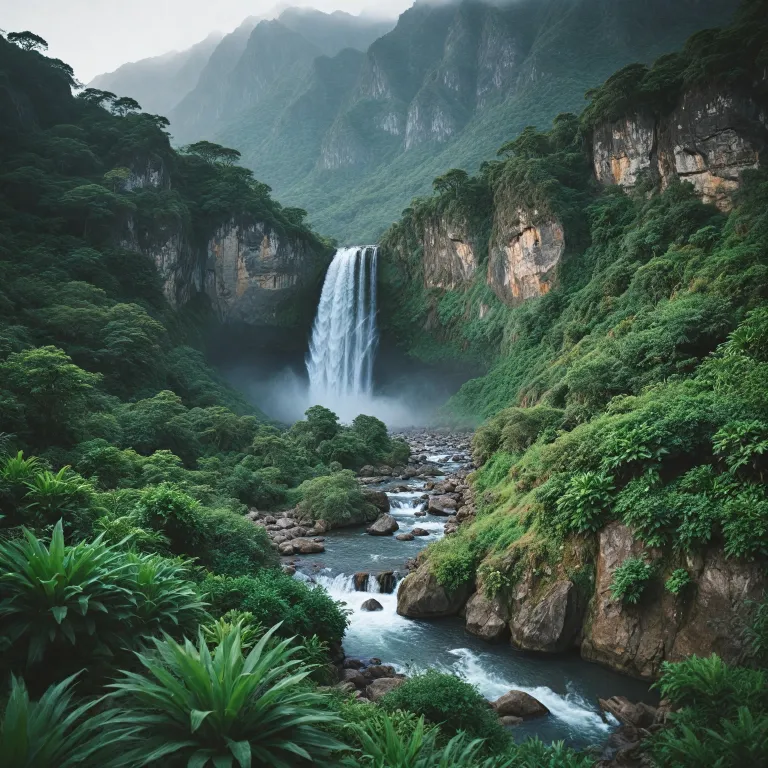
Exploring the cultural heritage of lesser-known regions in South America
South America offers a wealth of hidden gems for travelers seeking destinations beyond the usual routes. The continent’s landscapes rich in history and culture invite visitors to experience ancient traditions and well preserved sites. In Argentina, the northwest region captivates with its unique blend of indigenous and colonial influences, where local communities maintain a relaxed atmosphere and a vibrant cultural life. The sacred valley in Peru, often overshadowed by the renowned Machu Picchu, reveals a tapestry of ancient ruins and living heritage. These areas are not only stunning landscapes but also vital to understanding the diverse cultural heritage of South America.
Travelers who read about these destinations often seek authentic experiences that connect them to the heart of the region. Engaging with local communities, as recommended by indigenous cultural ambassadors, enhances the journey and supports sustainable tourism. The wooden churches of Chiloe Island in Chile, recognized as a UNESCO heritage site, stand as a testament to the island’s rich cultural and architectural legacy. These well preserved structures, set against the backdrop of natural wonders, invite visitors to explore the intersection of faith, tradition, and artistry. Each destination offers a unique perspective on South American culture, making every journey along the beaten path a rewarding adventure.
Natural wonders and landscapes rich in biodiversity
The natural wonders of South America extend far beyond the iconic sites. In Bolivia, the Salar de Uyuni dazzles with its vast salt flats, creating a surreal landscape that draws travelers eager to experience something truly unique. The region offers opportunities to explore national parks teeming with biodiversity, where landscapes rich in flora and fauna provide a haven for eco-tourism. The Pantanal, straddling Brazil and Bolivia, is one of the world’s largest wetlands and a hidden gem for wildlife enthusiasts. Here, visitors can observe jaguars, capybaras, and hundreds of bird species in their natural habitat.
Chile’s Chiloe Island is another destination that offers a blend of natural and cultural attractions. The island’s relaxed atmosphere, stunning landscapes, and well preserved wooden churches make it a standout among South American destinations. For those seeking travel tips, engaging with local tour operators and conservation groups ensures a responsible and enriching experience. The region’s unique ecosystems are protected by national park authorities, who work tirelessly to maintain the delicate balance between tourism and conservation. For more insights on sustainable travel in South America, visit responsible travel practices in South America.
Immersive experiences with local communities and cultural ambassadors
One of the most rewarding aspects of exploring hidden gems in South America is the opportunity to connect with local communities. Indigenous groups act as cultural ambassadors, offering travelers a chance to experience ancient customs and participate in traditional ceremonies. In the sacred valley of Peru, visitors can join weaving workshops, sample local cuisine, and learn about the region’s agricultural heritage. These immersive experiences foster cultural exchange and deepen appreciation for the rich cultural tapestry of South America.
Travelers are encouraged to read up on local customs before their journey and to engage with guides who can provide context and insight. Community-based tourism initiatives in Argentina and Chile empower residents to share their stories and preserve their cultural heritage. The relaxed atmosphere found in these regions allows for meaningful interactions and a slower pace of travel, enhancing the overall experience. For detailed guides on connecting with local communities, explore community-based tourism in South America.
Off-the-beaten-path adventures: ancient sites and natural marvels
South America’s ancient sites offer a glimpse into civilizations that shaped the continent’s history. Machu Picchu remains a highlight, but the region is dotted with lesser-known ruins and archaeological wonders. In Peru, the train clouds journey to the Andean highlands provides access to remote villages and sacred sites, many of which are well preserved and rarely visited by mainstream tourists. The landscapes rich in the sacred valley reveal terraces, temples, and ceremonial centers that speak to the ingenuity of ancient cultures.
Bolivia’s national parks are home to natural wonders such as the Eduardo Avaroa Andean Fauna National Reserve, where travelers can witness flamingo-filled lagoons and geothermal fields. These destinations offer unique experiences for those willing to venture off the beaten path. The UNESCO heritage sites scattered across South America highlight the continent’s commitment to preserving its cultural and natural legacy.
UNESCO heritage sites and the preservation of cultural identity
UNESCO heritage sites in South America serve as guardians of the continent’s cultural and natural treasures. The wooden churches of Chiloe, the ancient city of Sucre in Bolivia, and the sacred valley in Peru are just a few examples of destinations that offer a window into the region’s past. These sites are often well preserved thanks to the efforts of national park authorities and local communities, who work together to maintain their integrity for future generations.
Travelers who explore these heritage sites gain a deeper understanding of the region’s history and the importance of cultural preservation. The relaxed atmosphere of these destinations allows for reflection and appreciation of the artistry and craftsmanship that define South American culture. Engaging with local guides and participating in community-led tours ensures that tourism supports the ongoing conservation of these unique sites. The landscapes rich in history and tradition found at UNESCO heritage locations are a testament to the enduring spirit of South America’s people.
Travel tips for a meaningful and responsible journey
Planning a trip to hidden gems in South America requires thoughtful preparation and respect for local customs. "Engage with local communities, respect cultural norms, and support sustainable tourism practices." This advice from the expert dataset underscores the importance of responsible travel. Researching local traditions, reading up on the region’s history, and seeking out travel tips from experienced guides can enhance your journey.
Utilizing digital platforms to connect with local tour operators and community organizations makes it easier to find authentic experiences. Travelers are encouraged to minimize their environmental impact and support initiatives that preserve the region’s natural wonders and cultural heritage. Whether exploring the ancient ruins of Peru, the stunning landscapes of Argentina, or the unique culture of Chiloe Island, each destination offers opportunities for meaningful engagement and discovery. The relaxed atmosphere and welcoming spirit of South American communities ensure that every journey is memorable and enriching.
Key statistics on hidden gems in South America
- Number of tourists visiting South America annually: 37.5 million
- Percentage of tourists visiting lesser-known destinations: 15%
Frequently asked questions about hidden gems in South America
What are some hidden gems in South America?
Destinations like Itacare in Brazil, Arequipa in Peru, and the Pantanal in Brazil offer unique experiences away from typical tourist spots.
How can I travel responsibly to lesser-known destinations?
Engage with local communities, respect cultural norms, and support sustainable tourism practices.
Are these hidden gems accessible year-round?
Accessibility varies; it's essential to research the best times to visit each destination to ensure favorable conditions.
