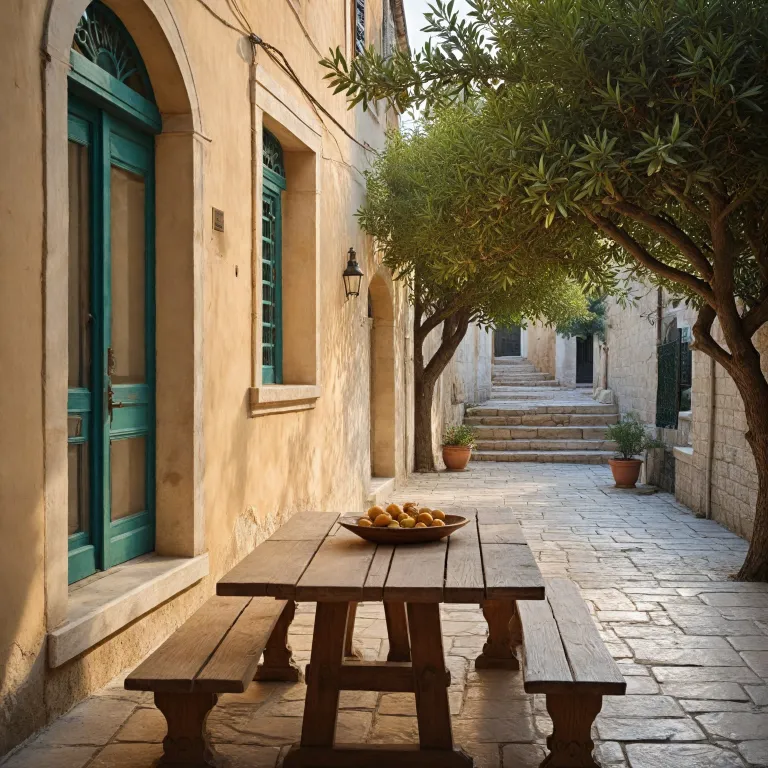
Slow travel essentials for experiencing the best things to do in Split
Understanding the best things to do in Split begins with slowing your pace. The city of Split in Croatia rewards travellers who treat it as a lived in town rather than a checklist of sights, because its layered history and daily rhythms reveal themselves gradually. Plan at least several days in Split so you can appreciate how Roman stone, Venetian facades, and contemporary Dalmatian life coexist within the same compact city grid.
Start in the heart of Split Croatia, where the ancient Diocletian palace still shapes the old town. This palace was built for Emperor Diocletian, and its walls now hold homes, cafés, and small workshops, so exploring it feels like entering a living archaeological site rather than a static monument. Walking through the narrow streets of the city Split, you will notice how each bit of marble and each archway tells a story of adaptation, survival, and quiet elegance.
To understand the best time of day to explore, rise early and walk through the Golden Gate before tour groups arrive. The morning light softens the stone of Diocletian palace and makes the vestibul palace echo with footsteps instead of chatter, which is ideal for travellers who do not enjoy crowds and don’t rush their travel. Wear comfortable shoes, because the best things in Split often appear while you wander aimlessly and allow the city to reply to your curiosity with unexpected courtyards and hidden chapels.
When considering where to stay, choose a hotel in or near the old town so you can step outside and immediately feel the pulse of city life. Properties such as hotel Ambasador and cornaro hotel place you within walking distance of most things Split is known for, yet you can still retreat to quiet rooms when the waterfront promenade becomes busy. This proximity allows you to turn every short stroll into a micro day trip, transforming simple errands into opportunities for exploring side streets and meeting local artisans.
Walking the Roman spine of Split beyond the usual routes
Many guides list the best things to do in Split as a sequence of monuments, but the most rewarding approach is to treat the old town as a continuous Roman spine. Begin at the Golden Gate and move slowly through Diocletian palace, pausing to imagine Emperor Diocletian stepping into the peristyle courtyard surrounded by columns and guards. From here, slip into quieter alleys rather than following every organised tour, because these side passages reveal laundry lines, stone staircases, and tiny shrines that show how the palace became a lived in city.
The vestibul palace, with its circular opening to the sky, offers a moment of calm if you visit early or late in the day. Stand in the centre and listen to the echoes, then continue towards the cathedral dedicated to Saint Domnius, whose bell tower provides a panoramic view of Split Croatia and the harbour. Frane Bulić, the former director of the Split Archaeological Museum, helped shape our understanding of these layers, and his work underpins many of the narratives you hear on a walking tour.
For travellers who enjoy refined road journeys, Split can be part of a wider coastal itinerary similar in spirit to an elegant west coast driving tour along a quiet shoreline. Use the city Split as a base, then plan each day trip with a balance of history, food, and sea views, returning each evening to the old town’s lantern lit streets. This rhythm turns several days Split into a graceful sequence of excursions rather than a rushed checklist.
When you visit Split, allow time for simple pleasures such as sipping local wine in a shaded square or watching children play football near the palace walls. These small things anchor your travel memories more deeply than any single tour, because they connect you to the town’s present rather than only its past. By the end of your stay, the best things in Split will likely be these unscripted moments when history, daily life, and the Adriatic light align.
Marjan hill and coastal paths for quiet urban nature
One of the best things to do in Split for travellers seeking calm is to walk up Marjan hill. This forested rise at the edge of the city offers shaded paths, viewpoints over Split Croatia, and small stone chapels that feel far removed from the busy waterfront. Begin your walk in the early part of the day, when the air is cooler and the town below is just waking up.
As you climb, pause at the first terrace to look back over the city Split, the harbour, and the islands beyond. From here, you can trace the outline of Diocletian palace and understand how the old town nestles between sea and hill, which helps you orient your later exploring. Continue along the marked trails of Marjan hill, where pine trees frame glimpses of the sea and the sounds of the town fade into a soft background murmur.
Many visitors focus on a single day trip to nearby islands, but staying several days Split allows you to return to Marjan at different times. Late afternoon light gives the stone chapels a warm glow, while evenings are ideal for watching the sun sink behind the islands with a glass of local wine in hand. These repeated visits turn Marjan from a simple park into a personal retreat within the city.
If you enjoy off the beaten path coastal experiences, you may appreciate reading an insider’s guide to quieter seaside destinations and applying similar principles in Split Croatia. Choose smaller coves instead of the most famous beaches, walk a bit further along the shore, and let the rhythm of the waves guide your day. In this way, visiting Split becomes less about ticking off things Split is famous for and more about cultivating a personal relationship with its sea scented edges.
Day trips from Split to fortresses and national parks
Using Split as a base for day trips is one of the best things to do in Split for travellers who value variety without constant packing. The nearby klis fortress rises above the town and offers sweeping views over Split Croatia, the islands, and the inland mountains, while its stone walls whisper stories of sieges and shifting empires. Arrive early in the day to avoid the heat, and take time to walk every bit of the ramparts, because each angle reveals a different perspective on the city Split below.
Another rewarding day trip leads to krka national park, where waterfalls tumble through a series of emerald pools framed by lush vegetation. Walking the wooden paths here contrasts beautifully with exploring the stone alleys of Diocletian palace, giving your days Split a balanced rhythm between culture and nature. For those with more time, plitvice lakes national park offers a larger network of cascades and lakes, though it requires a longer day trip and careful planning.
Back in town, you might reply to the sensory intensity of these landscapes by seeking quiet corners within the old streets. A glass of local wine in a shaded courtyard, perhaps near the vestibul palace, allows you to process the day’s impressions at a slower pace. This alternation between outward exploring and inward reflection is what makes visiting Split feel both stimulating and restorative.
When planning each day Split, consider your energy levels and interests rather than trying to fit every possible tour into a single stay. Some travellers prefer a guided tour to understand the ecology of krka national park, while others enjoy self guided walks using digital maps and audio guides. Either way, the best things in Split often emerge when you leave space in your schedule for unplanned stops, roadside viewpoints, and conversations with local drivers or guides.
Hidden corners of the palace and meaningful city rituals
Beyond the main squares, some of the best things to do in Split involve seeking out quieter corners of Diocletian palace. Slip into narrow lanes behind the peristyle, where stone arches frame laundry lines and tiny workshops, and you will see how the palace remains a lived in quarter rather than a preserved shell. These spaces show how Split Croatia has woven daily life into imperial architecture, creating a rare continuity between past and present.
Near the Golden Gate stands the statue of Gregory Nin, whose polished toe has become a ritual touchpoint for visitors. While many people stop briefly for a photograph, linger a bit longer to watch how locals and travellers interact with the statue throughout the day. This small square becomes a stage where the city Split negotiates memory, superstition, and tourism in a single compact space.
Within the palace complex, the vestibul palace offers a particularly resonant acoustic experience. Stand beneath its circular opening and listen as footsteps, voices, and sometimes traditional klapa singing rise and fall, creating a living soundtrack to your visit Split. From here, you can easily reach the cathedral dedicated to Saint Domnius, whose bell tower marks time over the town and reminds you that every day trip begins and ends under its watchful silhouette.
When choosing a hotel, consider how location shapes your experience of these rituals. Staying at hotel Ambasador places you close to the waterfront, while cornaro hotel situates you nearer to the heart of Diocletian palace, and both options allow you to step outside and immediately join the flow of things Split residents do each evening. In this way, your accommodation becomes part of the city’s fabric rather than a separate, sealed environment.
Designing an off the beaten path itinerary for Split
Creating a refined itinerary around the best things to do in Split means balancing headline sights with quieter experiences. Begin by allocating at least three full days Split, with one focused on Diocletian palace and the old town, one on Marjan hill and coastal walks, and one on a carefully chosen day trip. This structure ensures that your visit Split includes both the essential landmarks and the more subtle pleasures that define the town’s character.
On your first day Split, join a small group walking tour in the morning to gain historical context, then spend the afternoon revisiting places that intrigued you at your own pace. Use this time to explore lesser known courtyards, sample local wine in side street bars, and note any corners of the city Split you wish to return to at different times of day. The best things in Split often look and feel different under morning, afternoon, and evening light, so allow for repeated visits.
On the second day, dedicate your energy to Marjan hill and nearby coastal paths, treating the park as an urban sanctuary rather than a single viewpoint. Pack water, wear comfortable shoes, and plan pauses at small chapels or benches overlooking Split Croatia and the islands, letting each stop become a quiet reply to the busier scenes of the old town. In the evening, return to the palace area to experience the vestibul palace and peristyle under soft lighting and live music.
Reserve your third day for a thoughtfully chosen day trip, whether to klis fortress, krka national park, or plitvice lakes, depending on your interests and travel pace. When you come back, mark the end of your stay by walking once more through the Golden Gate, touching the toe of Gregory Nin, and pausing in the heart of Diocletian palace to reflect on how the city has unfolded for you. By designing your days with intention, you transform a simple list of things Split is known for into a deeply personal journey through time, stone, and sea.
Key statistics for planning a refined stay in Split
- Dalmatia Tower, a contemporary landmark in city Split, rises to 135 meters, offering a striking contrast to the low stone profile of the old town.
- The Split Archaeological Museum holds approximately 150000 artifacts, providing essential context for understanding Diocletian palace and the wider region of Dalmatia.
- Diocletian palace dates to the early fourth century AD, making it one of the most complete Roman imperial residences integrated into a living city.
Essential questions when planning the best things to do in Split
What is the best time to visit Split ?
The best time to visit Split is during the spring (April to June) and early autumn (September to October) when the weather is pleasant, and tourist crowds are smaller. These periods suit travellers who value space for slow exploring and quieter streets around Diocletian palace. You will also find that day trips to Marjan hill, klis fortress, and nearby national parks feel more comfortable in these milder conditions.
Are there any beaches in Split ?
Yes, Split has several beaches, including Bačvice Beach, known for its sandy shore and shallow waters, making it popular among families. Travellers seeking calmer experiences can walk a bit further along the coast to find smaller coves and pebbled stretches with clearer water and fewer crowds. Combining these coastal spots with time in the old town creates a balanced list of best things to do in Split for both relaxation and culture.
How can I get from Split to nearby islands ?
You can take ferries or catamarans from Split's harbor to nearby islands like Hvar, Brač, and Vis. Tickets can be purchased online or at the port, and schedules usually allow for both full day excursions and shorter crossings, depending on your travel style. When planning several days Split, consider dedicating one day trip to an island, balancing it with time in Split Croatia so the city remains the anchor of your journey.