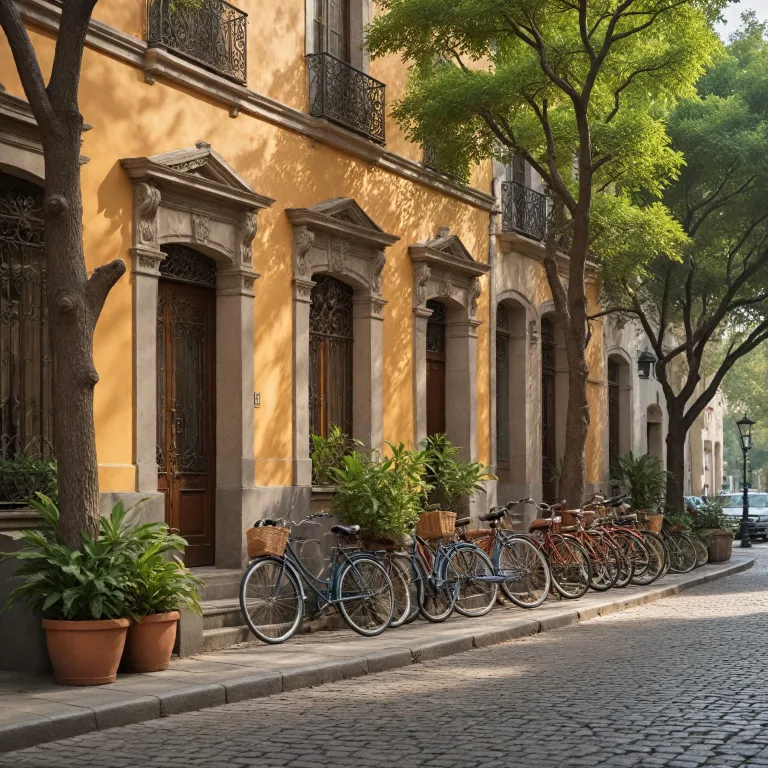
Understanding the city best areas beyond the usual map
Mexico City is a vast, layered city where each neighborhood feels like a different world. To navigate the best neighborhoods in Mexico City, you need to balance atmosphere, safety, transport, and how you personally like to stay. Residents and visitors share the same streets, yet they often experience a very different city depending on where they choose to stay in Mexico.
The historic heart, known as the centro histórico, is where the city’s story began and where the Zócalo main square still anchors civic life. Around this main square, you find monumental architecture, dense crowds, and a constant flow of Mexican culture, from street performers to formal art institutions. This area can feel intense, but for travelers interested in history and urban energy, the centro is still one of the best places to understand how the city works.
Further west, the urban fabric shifts into Roma, Condesa, Juárez, and Zona Rosa, each neighborhood with its own rhythm and character. These areas combine early twentieth century art deco buildings, leafy streets, and a mix of mid range and luxury stay options that appeal to both digital nomads and long term residents. Gentrification has reshaped these neighborhoods, so it is important to research each area carefully, especially if you want to find a quieter street or more traditional Mexican surroundings.
South of the main tourist corridor, Coyoacán offers a different perspective on Mexico City life. Here, colonial plazas, local markets, and the legacy of Frida Kahlo create a slower, more reflective atmosphere. For travelers seeking the city best blend of culture, walkability, and neighborhood charm, combining time in the centro histórico with a stay in Roma or Coyoacán can provide a nuanced, off the beaten path experience.
Centro histórico and the living heart of Mexico City
The centro histórico remains one of the best neighborhoods in Mexico City for travelers who want to be immersed in history. Around the Zócalo main square, you can walk from pre Hispanic ruins to colonial churches and grand government buildings in just a few minutes. This dense city core is where municipal authorities, local businesses, and cultural institutions intersect in a way that shapes everyday Mexican life.
Staying in the centro area places you close to major museums, traditional restaurants, and the city’s most important civic spaces. Many visitors choose a mid range hotel near the main square, which allows them to explore on foot early in the morning and late in the evening when the streets feel more atmospheric. Although some properties market themselves as a boutique hotel or even a luxury stay, the real value here lies in proximity to landmarks and public transport rather than in resort style amenities.
Architecturally, the centro is a showcase of baroque facades, neoclassical palaces, and occasional art deco details from the early twentieth century. Walking a few blocks away from the Zócalo main square, you will find quieter streets where residents shop at local markets and office workers eat at small Mexican diners. For travelers interested in urban history, this neighborhood offers a living lesson in how a city evolves over centuries.
Because the centro can feel overwhelming, some travelers pair a short stay here with time in calmer neighborhoods. When planning an off the beaten path itinerary, it can be useful to combine central heritage with more residential areas, much like pairing historic districts with lesser known regions in other destinations, including quiet cave regions and underground landscapes. This approach helps balance intense sightseeing with slower, more reflective days.
Roma, Condesa, and Juárez as creative urban enclaves
Roma and Condesa are often mentioned together as Roma Condesa, yet each neighborhood has its own personality. Roma Norte, in particular, has become one of the best neighborhoods in Mexico City for travelers who value walkable streets, independent restaurants, and a strong art scene. Here, early twentieth century mansions and art deco apartment buildings line tree shaded avenues, creating a visually rich city landscape.
Condesa curves around the edge of Bosque Chapultepec and Chapultepec Park, giving this neighborhood a rare combination of urban energy and green space. Many visitors choose to stay in this area because they can jog in the park in the morning, then walk to cafés, galleries, and mid range or luxury stay options in the afternoon. While some properties advertise themselves as a boutique hotel or even a hotel boutique, the real appeal lies in the neighborhood’s relaxed yet sophisticated rhythm.
Juárez and Zona Rosa, just east of Roma, offer a different but complementary experience. Juárez mixes embassy buildings, art deco houses, and emerging creative spaces, while Zona Rosa remains known for nightlife, LGBTQ+ venues, and a dense concentration of hotels. Together, these neighborhoods form a corridor that connects the historic centro with Paseo Reforma, the city’s main business avenue and a key reference point for both residents and visitors.
For travelers interested in off the beaten path experiences, exploring side streets in Roma, Condesa, and Juárez can reveal independent galleries, small Mexican design shops, and family run restaurants. Planning walks that link Roma Norte with Condesa and onward to Bosque Chapultepec allows you to experience how different neighborhoods flow into one another. For more ideas on weaving together lesser known urban and natural experiences, you can consult this detailed guide to off the beaten path journeys that emphasizes thoughtful, responsible exploration.
Coyoacán, San Rafael, and quieter corners of CDMX
South of the central corridor, Coyoacán offers one of the best neighborhoods in Mexico City for travelers seeking a slower pace. The neighborhood’s cobbled streets, leafy plazas, and traditional markets create a village like atmosphere within the wider city. Many visitors come specifically to see the former home of Frida Kahlo, yet staying overnight allows you to appreciate how residents use public spaces throughout the day.
Coyoacán’s restaurants, cafés, and small art venues reflect a long standing bohemian tradition. While you will find both mid range and occasional luxury stay options, the real charm lies in local courtyards, street vendors, and evening gatherings in the main square. For travelers who want to stay in Mexico City yet feel slightly removed from the busiest areas, this neighborhood offers a compelling balance of culture and calm.
Northwest of the centro, San Rafael is another area that appeals to travelers looking for a more residential atmosphere. This neighborhood features a mix of art deco buildings, traditional Mexican houses, and small theaters that serve both residents and visitors. San Rafael is less polished than Roma or Condesa, but for some travelers, that lived in quality is precisely what makes it one of the city best off the beaten path choices.
Both Coyoacán and San Rafael illustrate how CDMX contains multiple layers of history and daily life beyond the most famous districts. When choosing where to stay, consider how much time you want to spend in transit versus walking within a single neighborhood. Combining a few nights in a central area with a stay in Coyoacán or San Rafael can provide a more rounded understanding of Mexico City’s social and cultural fabric.
Balancing luxury, mid range, and character stays
Choosing accommodation in the best neighborhoods in Mexico City involves more than comparing prices. In each neighborhood, you will find a spectrum from simple guesthouses to high end hotel properties that market themselves as a luxury stay. The key is to decide whether you value proximity to landmarks, quiet residential streets, or access to nightlife and restaurants.
In Roma, Condesa, and Juárez, many travelers look for smaller properties that emphasize design, art, and personalized service. Although some of these places use terms like boutique or boutique hotel in their branding, what matters most is how they connect you to the surrounding neighborhood. A thoughtfully run mid range hotel on a calm street in Roma Norte can offer a richer experience than a generic luxury tower far from the areas you want to explore.
Near the centro histórico and Zócalo main square, accommodation ranges from historic buildings converted into hotels to modern chains focused on business travelers. Here, staying within walking distance of the main square allows you to experience the city at different times of day, from early morning markets to late night street performances. However, some visitors prefer to stay slightly outside the busiest streets, using the metro or taxis to reach the centro when needed.
In Coyoacán, San Rafael, and parts of Zona Rosa, you can often find better value in both mid range and upper mid range categories. These neighborhoods may not have the same concentration of luxury stay options, but they compensate with local character and easier access to everyday Mexican life. Whatever your budget, aligning your choice of hotel with your preferred neighborhood atmosphere will shape how you remember Mexico City.
Practical guidance for navigating CDMX neighborhoods
Understanding how Mexico City is organized helps you make better decisions about where to stay. The city spreads outward from the centro histórico, with major avenues like Paseo Reforma and large green spaces such as Bosque Chapultepec and Chapultepec Park acting as reference points. When evaluating the best neighborhoods in Mexico City, consider both the distance to these landmarks and the quality of public transport connections.
Roma, Condesa, Juárez, and Zona Rosa form a relatively compact corridor west of the centro, making it easy to walk or cycle between them. This area is well served by metro and bus lines, which can significantly reduce travel time to other parts of the city. For many visitors, staying in Roma Norte or Condesa offers a practical balance between access to the centro and proximity to parks, restaurants, and cultural venues.
Coyoacán lies further south, so travel times to the centro and Paseo Reforma are longer, but the neighborhood’s atmosphere often justifies the extra distance. San Rafael, by contrast, sits closer to the central business district and can be a convenient base for exploring both the historic core and newer cultural spaces. In all these neighborhoods, walking a few blocks away from main avenues usually leads to quieter residential streets where you can observe daily Mexican life.
Before finalizing your stay in Mexico City, review recent information on safety, transport, and local amenities for each neighborhood. City authorities and local tourism boards regularly update guidance, while residents and visitors share practical tips through community organizations and online platforms. By combining official information with on the ground perspectives, you can choose an area that aligns with your interests and comfort level.
Deepening cultural engagement in Mexico City’s neighborhoods
Beyond choosing where to sleep, engaging thoughtfully with each neighborhood can transform your experience of Mexico City. In the centro histórico, consider visiting smaller museums and community spaces in addition to the main institutions around the Zócalo main square. In Roma, Condesa, and Juárez, independent galleries, design shops, and neighborhood markets offer insight into how contemporary Mexican art and culture evolve.
Coyoacán provides a particularly rich context for understanding the relationship between art, politics, and daily life. Visiting the former home of Frida Kahlo is only one part of the story ; spending time in local plazas, libraries, and markets reveals how residents maintain a strong sense of community. San Rafael, with its theaters and art deco architecture, offers another lens on how culture is woven into the city best residential areas.
Responsible travelers also pay attention to how gentrification affects central neighborhoods such as Roma Norte, Condesa, and parts of the centro. Supporting long standing local businesses, respecting residential streets at night, and learning basic Spanish phrases can help maintain a respectful balance between visitors and residents. When you stay in Mexico City with this mindset, you contribute to a more sustainable relationship between tourism and everyday urban life.
As you move between neighborhoods, notice how each area’s rhythm changes from morning to night. Early walks through Bosque Chapultepec, evening strolls along Paseo Reforma, and late night meals in Roma or Zona Rosa reveal different facets of the same city. By approaching the best neighborhoods in Mexico City as living communities rather than just backdrops, you gain a deeper appreciation of CDMX as a complex, evolving metropolis.
Key statistics about Mexico City and its cultural landscape
- Population of Mexico City : 9 209 944 people.
- Average monthly rent in Polanco : 2 000 USD for long term stays.
- Number of museums in Mexico City : approximately 150 institutions.
Essential questions about neighborhoods in Mexico City
Which neighborhood in Mexico City is best for nightlife ?
Roma and Condesa are renowned for their vibrant nightlife scenes, offering numerous bars, clubs, and live music venues. These neighborhoods combine walkable streets, a wide range of restaurants, and easy access to other central areas. For many visitors, staying in Roma Norte or near Condesa’s main avenues provides the most convenient base for evening activities.
Is Polanco a safe area to stay in Mexico City ?
Yes, Polanco is considered one of the safest neighborhoods in Mexico City, known for its upscale environment and security. While it is not traditionally seen as off the beaten path, it can be a suitable choice for travelers who prioritize safety and high end services. However, those seeking more local character may prefer Roma, Condesa, Coyoacán, or San Rafael.
What is the cultural significance of Coyoacán ?
Coyoacán is historically significant as the former home of artists Frida Kahlo and Diego Rivera, and it maintains a bohemian atmosphere with its colonial architecture and art scene. The neighborhood’s plazas, markets, and cultural centers continue to attract both residents and visitors interested in Mexican art and intellectual history. Staying here allows travelers to experience a slower, more reflective side of Mexico City while remaining connected to the wider metropolis.
Trusted references for further research
- World Population Review – demographic data for Mexico City.
- Mexico City Tourism Board – official visitor information and neighborhood overviews.
- Numbeo – cost of living and rental price comparisons for CDMX.