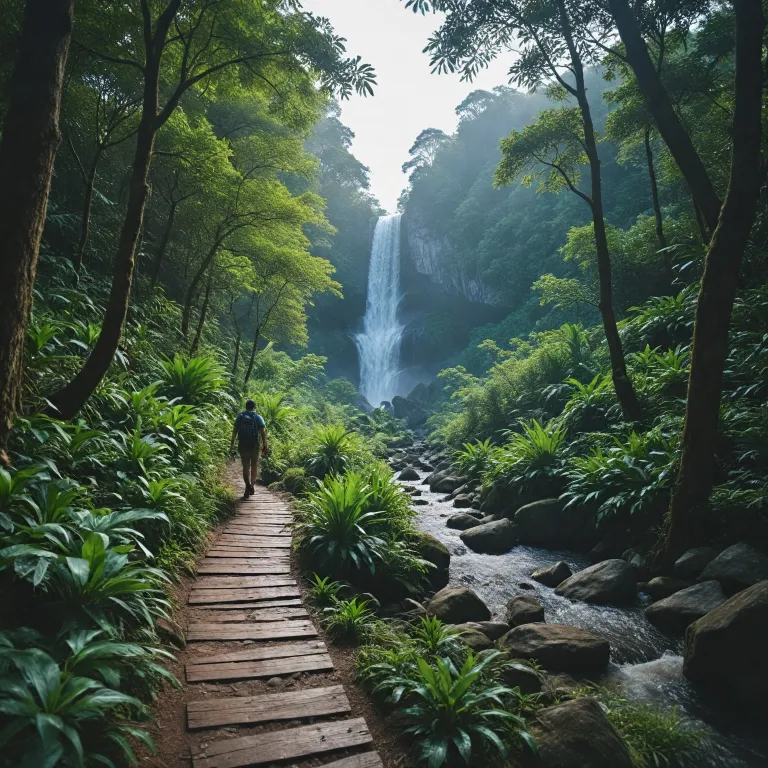
Unveiling remote wildlife trekking trails: a gateway to authentic adventure
Wildlife trekking in off-the-beaten-path destinations offers an unparalleled opportunity for those seeking genuine adventure. These trails, often hidden from mainstream tourism, reveal landscapes where nature thrives undisturbed. Trekking through such regions, travelers experience the raw beauty of ecosystems that remain largely untouched by human development. The sense of solitude and immersion is profound, with each step unveiling new sights and sounds unique to these remote environments. From the dense forests of the Carpathians to the rugged highlands of Patagonia, wildlife trekking trails provide a rare chance to observe elusive species in their natural habitats. The journey itself becomes a lesson in patience and observation, as wildlife encounters are dictated by the rhythms of the land rather than a set itinerary. For those who value authenticity, these trails are a testament to the enduring allure of the wild. The physical challenge of navigating uneven terrain is matched by the mental stimulation of interpreting animal tracks and calls. Such experiences foster a deep respect for conservation efforts and highlight the importance of preserving these sanctuaries for future generations. Travelers often return from these treks with a renewed sense of wonder and a commitment to responsible exploration. The journey is as much about personal growth as it is about wildlife observation. In these remote corners, the connection between human and nature is both intimate and transformative.
Rare animal encounters: where to trek for unique wildlife experiences
For those passionate about wildlife trekking, off-the-beaten-path destinations offer a wealth of opportunities to encounter rare and endemic species. The rainforests of Borneo, for example, are home to the endangered orangutan, while the cloud forests of Ecuador shelter the elusive spectacled bear. Trekking in these regions requires careful planning and respect for local guidelines to minimize impact on fragile ecosystems. Guided treks led by local experts enhance the experience, providing insights into animal behavior and habitat conservation. In Madagascar, wildlife trekking trails wind through spiny forests where lemurs leap between ancient baobabs. The thrill of spotting a rare animal in its natural environment is unmatched, and each encounter is a reminder of the planet’s biodiversity. These destinations are not only about the animals but also about the landscapes that sustain them. The interplay between flora and fauna creates a dynamic environment for exploration. For a deeper dive into exceptional places for rare animal encounters, explore this guide to unique wildlife destinations. Such journeys demand a spirit of curiosity and a willingness to adapt to unpredictable conditions. The reward is a collection of memories that few travelers can claim. Wildlife trekking in these areas is a privilege, underscoring the need for sustainable practices and respect for local communities. Each trek supports conservation efforts and helps protect these irreplaceable habitats. The experience is both humbling and exhilarating, offering a fresh perspective on the interconnectedness of life.
Essential gear and preparation for wildlife trekking in remote regions
Preparation is key when embarking on wildlife trekking adventures in off-the-beaten-path destinations. The right gear ensures safety and comfort, allowing trekkers to focus on the experience rather than potential hazards. Lightweight, moisture-wicking clothing is essential for managing variable weather conditions. Sturdy hiking boots provide support on uneven terrain, while a reliable backpack keeps essentials organized. Binoculars and a camera with a zoom lens are invaluable for observing and documenting wildlife from a respectful distance. Packing a first-aid kit and water purification system is crucial, as medical facilities and clean water sources may be scarce. Local guides often recommend carrying a field guide to local flora and fauna, enhancing the educational aspect of the trek. Insect repellent and sun protection are non-negotiable, especially in tropical or high-altitude environments. Trekkers should also familiarize themselves with local regulations regarding wildlife observation and protected areas. Physical preparation, including cardiovascular training and flexibility exercises, helps ensure a safe and enjoyable journey. Mental readiness is equally important, as conditions can be challenging and unpredictable. Respect for local customs and traditions fosters positive interactions with communities encountered along the way. Responsible trekking minimizes environmental impact and supports conservation initiatives. Each item packed should serve a clear purpose, reflecting the ethos of traveling light and leaving no trace. Preparation transforms a challenging trek into a rewarding adventure, where the focus remains on the wonders of the natural world.
Hidden gems: lesser-known wildlife trekking destinations across continents
Beyond the well-trodden paths of Africa and Asia, a world of hidden wildlife trekking destinations awaits the intrepid traveler. In Eastern Europe, the Carpathian Mountains offer trails through ancient forests inhabited by wolves, lynx, and brown bears. The Altai Mountains of Mongolia present a stark, beautiful landscape where snow leopards roam, and nomadic herders maintain age-old traditions. South America’s Pantanal wetlands, though less famous than the Amazon, teem with jaguars, giant otters, and hundreds of bird species. These off-the-beaten-path destinations reward those willing to venture beyond the familiar. In Australia’s Kimberley region, rugged gorges and savannahs provide habitat for rare marsupials and vibrant birdlife. Each location presents unique challenges, from navigating dense undergrowth to crossing swift rivers. The diversity of wildlife trekking trails across continents ensures that every journey is distinct. Local guides play a crucial role in unlocking the secrets of these landscapes, sharing knowledge passed down through generations. For those seeking inspiration for unique routes, this collection of offbeat road trips offers valuable insights. The sense of discovery is heightened by the absence of crowds, allowing for a more intimate connection with nature. Each trek is an opportunity to witness the resilience of wildlife in the face of environmental change. The memories forged in these hidden gems endure long after the journey ends, inspiring a lifelong passion for exploration.
Responsible trekking: conservation and community engagement in off-the-beaten-path areas
Wildlife trekking in remote destinations carries a responsibility to protect the environments and communities encountered along the way. Sustainable practices are essential to preserving the delicate balance of these ecosystems. Travelers are encouraged to follow established trails, avoid disturbing wildlife, and adhere to local regulations. Engaging with community-led conservation initiatives enhances the positive impact of each trek. Many off-the-beaten-path destinations rely on eco-tourism to fund habitat protection and support local livelihoods. Participating in educational programs and wildlife monitoring projects deepens understanding of conservation challenges. Trekkers should prioritize ethical wildlife observation, maintaining a safe distance and minimizing noise. Supporting local businesses, from guides to artisans, ensures that tourism benefits the broader community. Environmental stewardship extends to waste management, with trekkers encouraged to carry out all refuse and use biodegradable products. The principles of leave-no-trace travel are especially important in fragile habitats. By choosing responsible operators and respecting cultural norms, travelers contribute to the long-term sustainability of wildlife trekking destinations. The experience becomes a partnership between visitor and host, united by a shared commitment to preservation. Each journey is an opportunity to advocate for the protection of wild places and the people who call them home. The legacy of responsible trekking is measured not only in memories but in the continued vitality of these extraordinary landscapes.
Planning your wildlife trekking adventure: tips for a seamless off-the-beaten-path journey
Effective planning is the foundation of a successful wildlife trekking adventure in off-the-beaten-path destinations. Researching the best seasons for wildlife observation ensures optimal sightings and comfortable conditions. Securing permits and booking local guides in advance is essential, as access to remote areas may be limited. Understanding the logistics of transportation, accommodation, and supplies helps prevent unforeseen challenges. Travelers should consult with experts and review recent trip reports for up-to-date information on trail conditions and wildlife activity. Flexibility is key, as weather and animal movements can alter plans unexpectedly. Building extra days into the itinerary allows for rest and adaptation to changing circumstances. Health precautions, including vaccinations and travel insurance, provide peace of mind in remote settings. Language preparation and cultural sensitivity enhance interactions with local communities. Trekkers are encouraged to document their experiences responsibly, sharing insights that inspire others to explore with care. The journey begins long before setting foot on the trail, with each step of preparation contributing to a richer, more meaningful adventure. Wildlife trekking in off-the-beaten-path destinations is a celebration of nature’s diversity and the human spirit of exploration. With thoughtful planning, every trek becomes a story worth telling, marked by unforgettable encounters and lasting connections.
Key statistics on wildlife trekking in off-the-beaten-path destinations
- No dataset provided for statistics.
Frequently asked questions about wildlife trekking in off-the-beaten-path destinations
- No dataset provided for FAQs.
Trusted sources for further reading: WWF, International Union for Conservation of Nature (IUCN), National Geographic.