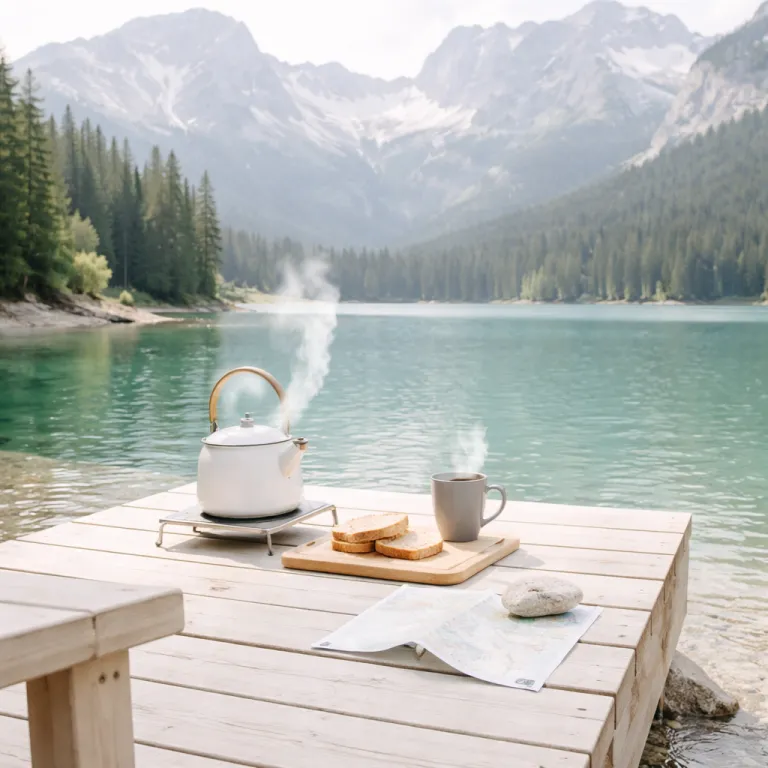
Why Durmitor belongs on your alpine shortlist
Durmitor sits in the northwest of Montenegro, a high limestone plateau carved by glaciers and the Tara River into one of Europe’s most dramatic mountain landscapes. The protected national park covers roughly 39 000 hectares and forms the wild heart of northern Montenegro, with 48 peaks rising above 2 000 metres and 18 glacial lakes scattered like mirrors across the karst. For travelers used to the Swiss or Austrian Alps, this Durmitor travel guide to Montenegro’s high country shows how you can trade tour buses for empty trails while keeping the alpine drama.
The town of Žabljak anchors the region and serves as the practical gateway to Durmitor’s national treasures, sitting at 1 456 metres and often described as the highest town in the Balkans. From Žabljak you reach the main entrance to the national park in minutes, and you can walk to Crno Jezero, the famous Black Lake, in around 20 minutes on a forest path that feels far removed from any resort. Durmitor National Park forms part of the UNESCO World Heritage Site “Durmitor National Park,” inscribed to safeguard its canyons, forests and mountains for future generations under international protection.
Costs here remain significantly lower than in Western European mountain resorts, yet the infrastructure is solid and English is widely spoken in tourist areas. You can base yourself in Žabljak, rent a car and explore every road, pass and lake in the park without needing a guide, or you can join local tour operators for rafting Tara excursions or guided hikes to the higher mountains. Growing interest in eco tourism and increased accessibility mean more visitors each season, but if you visit Durmitor outside the peak of summer you will still find long stretches of trail and entire viewpoints to yourself.
Black Lake, Tara Canyon and the essential Durmitor circuits
Any Durmitor National Park Montenegro itinerary worth your time starts at Black Lake, because this glacial basin under the Meded peak captures the park’s character in a single frame. The walk to the lake from Žabljak is short and shaded, and once you arrive you can follow the full walk around the lake in about 90 minutes, watching the water shift from deep black to emerald as the light changes. Crno Jezero, as locals call Black Lake, is also one of the best things in Durmitor for families, since the path is wide, mostly flat and lined with forest cafés where you can pause between photo stops.
From the lakeshore you see why Durmitor’s national landscapes rival the Alps, with dark spruce forests rising into bare limestone mountains that catch the late afternoon sun. Beyond the lake, the Tara Canyon cuts a trench up to around 1 300 metres deep along the park’s eastern edge, making the Tara Canyon one of the deepest river gorges in Europe and part of the wider UNESCO World Heritage listing that covers Durmitor’s canyons and high plateau. Standing on the famous Tara Bridge, you look down into the Tara River far below, and if you time your visit Durmitor experience for early summer you will see rafts threading the turquoise water while swallows circle the cliffs.
Rafting Tara sections of the river is one of the signature things Durmitor offers, with trips ranging from gentle family floats to full day white water runs through the Tara Canyon. Local partners such as Tara Sport, Montenegro+ and other long established rafting camps provide all rafting equipment, and many operators include transfers from Žabljak or from the Piva Lake area, where the river widens into a fjord like reservoir. For off the beaten path travelers who have already ticked off classic American canyons via an elevated United States bucket list for off the beaten path travelers, the Tara River corridor feels like a quieter, more intimate counterpart where you can still hear the water over the sound of traffic.
Hiking the high country: Bobotov Kuk, Skrčko lakes and Tara rim
The summit of Bobotov Kuk, at 2 523 metres, is the highest peak in the Durmitor mountains and the classic objective for strong hikers. Several routes lead to Bobotov Kuk, but the most rewarding line follows the Sedlo Pass trail, starting from the high road that crosses the interior of the park and climbing steadily through limestone bowls to a final rocky ridge. Allow around five to seven hours return for this route, with roughly 750 metres of elevation gain, and on a clear day you will see the Tara Canyon to one side, the Piva Lake basin to the other and a ring of jagged mountains stretching across northern Montenegro.
For a more remote feel, the Skrčko lakes circuit takes you deep into the southern part of the national park, where two emerald basins sit beneath vertical walls and snow often lingers well into summer. This hike demands fitness and sure footing, yet it remains one of the best things in Durmitor for those who value solitude over summit statistics, because you may share the trail with more chamois than people. The Tara Canyon rim trail, by contrast, offers easier gradients and constant views down to the Tara River, making it ideal if you want big scenery without the exposure of Bobotov Kuk.
Marked trails, detailed signboards and reliable wayfinding on Google Maps make independent hiking straightforward, though weather in any mountain national park can change quickly. I highly recommend starting early, carrying layers and checking with the Durmitor National Park rangers in Žabljak for current conditions on each pass or ridge; the main ranger office sits near the park entrance by Black Lake and posts daily updates in season. If you are new to alpine terrain, local guides can tailor a hike to your pace, whether that means a gentle walk near a lake or a full day traverse linking several valleys and saddles.
Driving the Durmitor ring and navigating the high roads
The Durmitor ring road is a narrow, looping circuit that threads through high pastures, karst fields and tiny hamlets on the park’s western side. Driving Durmitor on this route is not about speed, because the road is often single track with tight bends and occasional livestock, but the views over the mountains and down towards the Piva Lake basin are among the most beautiful in Montenegro. Many travelers consider the Durmitor ring one of the best scenic drives in the Balkans, and with a small car and unhurried schedule you will understand why.
Starting from Žabljak, you can drive the ring clockwise via the Sedlo Pass, which tops out at over 1 900 metres and feels like a balcony over the entire national park. In clear weather the pass offers long sightlines across the Durmitor mountains, while in mist it becomes a moody corridor where peaks appear and vanish as you round each bend. Plan several stops to walk away from the road, because short detours lead to quiet viewpoints, abandoned shepherd huts and unnamed ridges that never appear in any Durmitor Montenegro travel guide but linger in memory.
Navigation is simple with Google Maps, yet do not rely solely on your phone, since coverage can be patchy in the deeper folds of the Tara Canyon and near the border of the protected area. Fuel up in Žabljak, carry water and snacks and allow at least half a day for the full ring, longer if you want to combine driving Durmitor with a short hike or a walk to a hidden lake. For readers who enjoy planning intricate road trips, resources that analyse whether a day trip to lesser known parks is realistic, such as guidance on whether a day trip to Pinnacles National Park is possible, offer a useful mindset for judging how much you can comfortably fit into a single Durmitor day.
Practicalities: bases, seasons and how to reach Durmitor
Žabljak remains the most practical base for exploring every corner of the national park, with a growing range of guesthouses, chalets and small lodges clustered around the main square. You can walk from many stays to cafés, bakeries and simple restaurants, then continue on foot to the Black Lake trailhead or take a short car ride to the Tara Bridge or Sedlo Pass. Average daily travel costs in Montenegro run roughly 40 to 60 percent lower than in comparable Alpine destinations, so you can allocate more of your budget to extra nights, guided hikes or rafting Tara experiences.
Access is straightforward from both Podgorica and the Adriatic coast, with buses and rental car routes linking the capital, Nikšić and Žabljak via well maintained mountain roads. From Podgorica, the bus journey to Žabljak usually takes around three to four hours, with several departures per day in high season, while services from coastal towns such as Kotor or Budva often require a change in Nikšić and a similar overall travel time. From Dubrovnik in neighbouring Croatia, you cross the border and follow the Piva River upstream, passing the Piva Lake reservoir before climbing towards the plateau and the entrance to Durmitor National Park. Winter brings snow and occasional road closures at higher passes, so the best time to visit Durmitor for hiking, driving the Durmitor ring and enjoying the lakes is generally late spring to early autumn, with spring and autumn offering milder temperatures and fewer crowds.
Durmitor offers hiking, rafting, skiing, and more. When asked what activities are available in Durmitor, local tourism offices answer in exactly those terms, and they also note that spring and autumn offer mild weather and fewer tourists when you ask when is the best time to visit. If you are building a wider portfolio of quiet journeys beyond the usual highlights, you can pair this Durmitor National Park Montenegro travel guide with inspiration from other off grid regions, such as a Vietnam quiet journeys guide that focuses on less visited valleys and river towns rather than the standard circuit.
FAQ
Is Durmitor suitable for families and less experienced hikers ?
Durmitor is suitable for families, because many of the best things near Žabljak involve gentle walks rather than technical climbs. The path around Black Lake is wide and mostly flat, and several short forest trails near the national park entrance allow you to adjust distance easily. For more demanding routes such as Bobotov Kuk, hiring a local guide ensures that less experienced hikers stay within their comfort zone.
When is the best time to visit Durmitor for hiking and rafting ?
Spring and autumn offer the most balanced conditions for hiking, with cooler temperatures, stable trails and fewer visitors on the Durmitor ring and canyon rims. Rafting Tara sections of the Tara River usually peaks in late spring and early summer, when snowmelt creates reliable flows through the Tara Canyon. Winter is ideal for skiing around Žabljak, but some high passes and remote roads may be closed by snow.
How do I reach Žabljak and the main entrances to the park ?
You can reach Žabljak by car or bus from Podgorica, Nikšić or the Montenegrin coast, following well maintained roads that climb steadily into the mountains. Travelers coming from Dubrovnik typically cross into Montenegro near Herceg Novi, then follow the Piva River valley past Piva Lake before turning inland towards the national park. Once in Žabljak, local buses, taxis and organised tours connect you to trailheads, the Tara Bridge and rafting Tara operators.
Do I need a car to explore the Durmitor national park properly ?
A car is not strictly necessary, but having one gives you far more flexibility to visit Durmitor viewpoints, lakes and passes at quieter times of day. With a rental car you can drive the full Durmitor ring, reach Sedlo Pass for sunrise or sunset and stop spontaneously whenever a side road or mountain meadow catches your eye. Without a car, you will rely on scheduled tours and taxis, which still cover the main highlights but limit access to more remote corners of the park.
What should I expect from rafting trips on the Tara River ?
Rafting operators on the Tara River provide all necessary equipment, including wetsuits, helmets and life jackets, and most trips include transport to and from Žabljak or nearby bases. The upper Tara Canyon offers a mix of calm pools and moderate rapids, making it suitable for adventurous beginners as well as experienced paddlers. Expect cold, clear water, towering canyon walls and a strong emphasis on safety, since local companies work closely with conservation groups to balance tourism with river protection.