Sicily family itinerary for slow summer adventures
Alt text suggestions for images on this page: “Family walking through a Baroque square in Noto at golden hour”, “Guided hike on Mount Etna lava fields with older children”, “Street food stall in Palermo serving arancini and panelle”, “View over Ragusa Ibla at sunset from a stone terrace”.
World discovery on Sicily’s quiet edge
Sicily rewards a patient kind of world discovery, especially once you leave the coastal highways and slip inland toward its lesser known villages. This is where a premium family can trade crowded promenades for stone lanes, slow hours in shaded piazzas, and a deeper experience of an island that feels proudly apart from mainland Italy. Think of it as a global crossroads in miniature, where Arab domes, Norman churches, and Greek ruins sit within a day’s relaxed drive of one another.
For travelers used to headline destinations, the value here lies in how easily serious culture folds into relaxed family fun. Sicily consistently offers Mediterranean quality at prices that undercut the Amalfi Coast, yet the experiences feel richer because they are still shaped by local rhythms rather than mass tourism. When you frame your trip as a personal exploration project, every detour to a village bar, every chat with a gelato maker, becomes part of a living archive of stories you will share for years.
Plan your route around clusters of small towns instead of single sights, and you turn simple trips into layered adventures. A morning in a Baroque square, an afternoon at a volcanic beach, and an evening in a family run house turned guest stay can all sit comfortably in one summer day. This approach keeps logistics light for children, leaves space for unplanned activities, and lets everyone enjoy the island’s generous pace without feeling rushed from one checklist stop to the next.
Mount Etna and the Aeolian arc: volcanic adventures without the crowds
Mount Etna dominates eastern Sicily, but most visitors only see its silhouette from a café terrace in Catania. To turn it into a true discovery moment for the whole family, you need to step onto its flanks with a certified guide who understands both the geology and the local stories that cling to this active volcano. April to October offers favorable conditions, and on clear summer days families can hike through old lava fields that feel otherworldly yet remain manageable for older children.
Europe's highest and most active volcano rises to roughly 3,357 meters (11,014 feet) above sea level, according to Italy’s National Institute of Geophysics and Volcanology (INGV). Guided day hikes typically keep you between 1,900 and 2,700 meters on routes graded E (Escursionistico, equivalent to easy–moderate) while still delivering serious adventure. Wear sturdy shoes for hikes, carry layers for rapid weather shifts, and treat the outing as an open air classroom where global tectonic forces become tangible. For experienced hikers, the wider volcanic arc extends to the Aeolian Islands, where Stromboli’s night ascent (usually rated E–EE, moderate to challenging) offers a raw, glowing reminder that this is not a theme park but a living mountain range.
Families who enjoy quieter adventures can base themselves in smaller coastal towns north of Catania, then arrange Etna trips that balance effort and fun. Many operators offer half day excursions that combine gentle walking with lava tube visits and vineyard stops, turning the experience into a multi generational activity rather than an endurance test. If volcanic landscapes fascinate you, consider pairing Sicily with another under the radar lava rich region such as the Azores, using an Atlantic solitude itinerary as a comparative template for your own global map of summer adventures.
Street food as a family gateway to Sicilian life
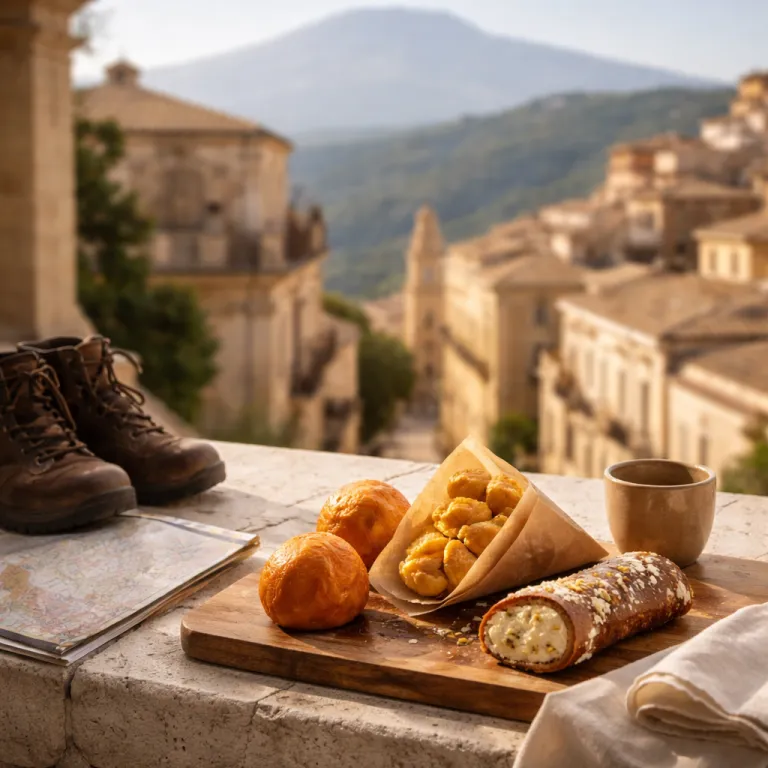
In Sicily, street food is not a passing trend; it is a daily ritual that anchors neighborhoods and offers one of the most accessible paths into local culture. Arancini, those golden rice cones stuffed with ragù or spinach, make an ideal on the go lunch for a family between museum visits and seaside activities. Cannoli, filled to order with ricotta, and crisp panelle chickpea fritters turn even a short walk from your guest house into a sensory adventure.
Street vendors in Palermo, Catania, and smaller towns like Modica often work the same corner for decades, and their stalls become informal community hubs. When you pause to enjoy a plate of grilled seafood or a brioche with granita at a standing counter, you are stepping into a living room without walls, where conversations about the world, football, and politics flow freely. This is discovery at its most human scale, built not around monuments but around repeated, everyday experiences that children can understand and remember.
To keep things practical, plan one street food focused day in each major stop, leaving long summer afternoons free for rest or beach time. Use those hours to talk with your children about what they tasted, which flavors felt familiar, and which felt entirely new, turning simple snacks into a gentle global education. If you like structured guidance, you can book a food tour that weaves markets, bakeries, and family run stalls into a coherent narrative, similar in spirit to the curated hidden path itineraries outlined in this elevated bucket list for off the beaten path travelers.
Baroque villages beyond Taormina: Noto, Modica, and Ragusa Ibla
South eastern Sicily holds a trio of Baroque towns that quietly outshine many better known Italian destinations for architectural drama. Noto, rebuilt after a devastating earthquake, presents a unified golden stone stage set where every façade seems designed for late afternoon light. Visit early in the day to avoid crowds, then let your family wander the main corso, counting balconies and comparing church towers as a low key game.
Modica, tucked into a ravine, layers staircases, churches, and houses in a way that feels almost theatrical from any vantage point. It is also famous for its IGP certified chocolate, made using an ancient cold processing technique that preserves sugar crystals and creates a pleasantly grainy texture children usually enjoy. A tasting here becomes both a sweet treat and a small lesson in global trade routes, as you trace how cacao reached this corner of the world through Spanish connections.
Ragusa Ibla, with its cascading alleys and intimate piazzas, rewards slow exploration rather than checklist photography. Base your family in a restored stone house or small guest residence, and plan short walks broken up by gelato stops and church visits, turning the town itself into a relaxed open air camp. These Baroque villages exemplify the kind of discovery that happens when you choose depth over speed, trading a packed schedule of activities for a handful of carefully chosen experiences that feel both local and quietly luxurious.
Designing a family itinerary that feels personal, not packaged
To keep Sicily feeling like your own journey rather than a pre scripted tour, start by mapping no more than three bases for a ten day trip. For a premium family, a balanced route might include Catania for Etna and street food, a Baroque town such as Ragusa Ibla for history, and a quieter coastal village for swimming and unhurried evenings. This structure limits packing and unpacking, reduces transfer hours, and leaves space for spontaneous adventures that often become the most vivid memories.
Think of each base as a flexible camp from which you launch different experiences rather than a mere place to sleep. One day might focus on volcanic hiking, another on market visits and cooking classes, and a third on simple beach fun, with plenty of time left to enjoy long family meals. When you plan, treat your email exchanges with local guides and hosts as part of the journey, asking for their honest advice on crowd free routes, child friendly activities, and lesser known festivals that might align with your summer dates.
For travelers building a broader global map of off the beaten path destinations, Sicily can sit alongside places like rural Malaysia or the Azores as a cornerstone of thoughtful exploration. Use resources such as this curious travelers’ Malaysia itinerary to compare how different cultures shape food, landscapes, and hospitality, then share those reflections with your children. Over time, these linked trips become a family archive of experiences that stretch far beyond any single day on the road, turning travel into an ongoing conversation about how the world lives, eats, and dreams.
Practical notes for off the beaten path Sicily
Exploring Sicily’s quieter corners works best when you respect both the island’s pace and its practical realities. Car rental remains the most flexible option for families, allowing you to reach small villages, trailheads, and rural houses that sit well beyond public transport routes. Aim to drive during daylight hours, as rural roads can be narrow, poorly lit, and occasionally shared with slow moving farm vehicles.
Pack for varied microclimates, especially if your itinerary spans coastal areas and Mount Etna’s higher slopes in the same week. Light layers, sun protection, and sturdy shoes will cover most activities, from lava field walks to Baroque town staircases and impromptu seaside play. Remember that many shops close for a long midday break, so plan your main errands and market visits for the morning or late afternoon, keeping the hottest summer hours free for rest or pool time.
When booking stays and experiences, prioritize locally owned properties and guides who demonstrate a clear commitment to sustainable tourism. This approach keeps more of your travel spend within the community and supports the kind of small scale operations that make off the beaten path trips feel personal. As one local summary puts it succinctly, "Hike Mount Etna", "Taste Sicilian street food", and "Visit Baroque towns" if you want a compact yet complete snapshot of what makes this island such a rewarding chapter in any long term journey of world discovery.
FAQ
What is the best time to hike Mount Etna with children ?
April to October offers favorable conditions, with generally stable weather and longer daylight. Families should choose shorter guided routes that stay below the highest elevations, where trails are less demanding and still showcase dramatic lava fields. Always check local advisories before your day trip, as volcanic activity and wind can change access at short notice.
Which Sicilian street foods work best for a family with picky eaters ?
Arancini are usually a safe starting point, as the crisp exterior and familiar rice filling appeal to most children. Simple grilled seafood, margherita style slices, and brioche with granita also tend to be popular, especially on warm summer afternoons. You can order small portions first, turning the tasting into a low pressure activity where everyone chooses their favorites.
Which Baroque towns are most suitable for a first visit ?
Noto, Modica, and Ragusa Ibla form a compact triangle that works well for a two or three day stay. Noto offers a gentle introduction with its broad main street and easily accessible churches, while Modica and Ragusa Ibla reward slightly more energetic walkers. Families can base themselves in one town and plan short trips to the others, limiting daily driving time.
How many bases should I plan for a ten day family trip to Sicily ?
Three bases usually provide the best balance between variety and rest for a premium family. A practical combination is one city such as Catania, one Baroque town like Ragusa Ibla, and one coastal village for swimming and slower evenings. This structure keeps transfers manageable while still offering a wide range of landscapes and activities.
Is Sicily a good value compared with other Mediterranean destinations ?
Sicily generally offers lower accommodation and restaurant prices than high profile areas such as the Amalfi Coast or Cinque Terre, while matching or exceeding them in food quality and cultural depth. Off the beaten path villages and inland towns often provide particularly strong value, especially for longer stays. This makes the island an attractive choice for families seeking rich experiences without resort level pricing.
Sample 10 day Sicily family itinerary at a glance
- Day 1–3 – Catania base: Arrive, settle into a family friendly house or apartment, explore the historic center and fish market, enjoy a street food dinner. Budget roughly €150–€250 per night for a premium family stay if you book three to six months in advance for June or July.
- Day 4–6 – Etna and coastal camp: Drive about 1 hour to smaller towns north of Catania, join a guided Etna hike (from around €50–€90 per person), and spend lazy hours on nearby pebble or sandy beaches.
- Day 7–10 – Baroque triangle: Continue about 1.5–2 hours south to Ragusa Ibla or Noto, using this base for day trips to Modica and surrounding countryside. Plan relaxed mornings in town, afternoon gelato breaks, and one or two structured activities such as a chocolate workshop or cooking class.