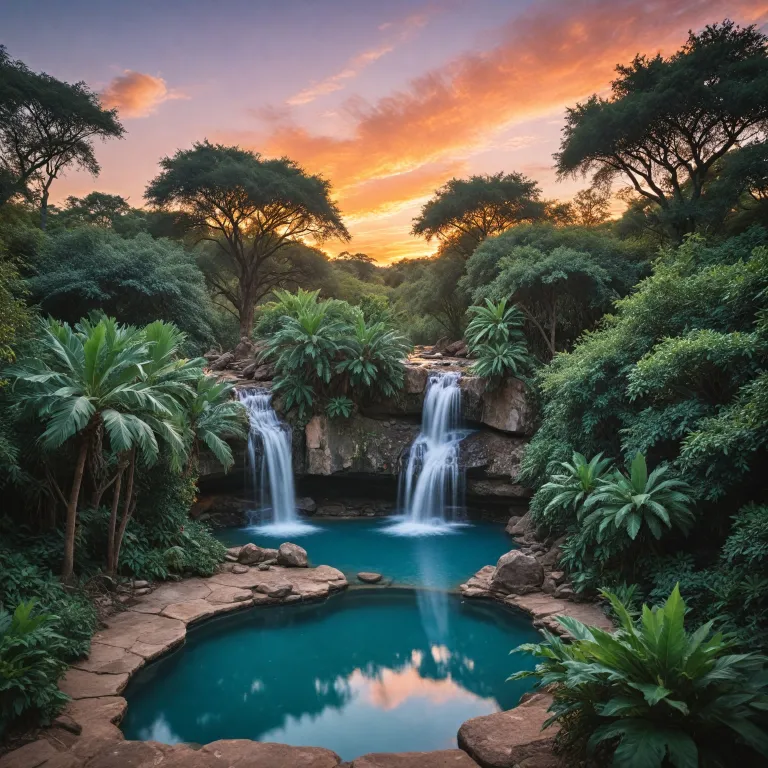
Unveiling Africa’s hidden gems: remote islands, lakes, and beaches
For those seeking the best secret places in Africa, the continent’s islands, lakes, and beaches offer an unrivaled sense of seclusion. Ibo Island, nestled in Mozambique’s Quirimbas Archipelago, is a sanctuary for travelers who value authenticity. Its winding alleys, centuries-old architecture, and tranquil coastline create an atmosphere where time seems to pause. The beaches here are untouched, offering a rare opportunity to experience Africa’s coastal beauty without crowds. Sao Tome and Principe, a pair of volcanic islands off the west coast, are equally alluring. These islands are home to lush forests, endemic bird species, and secluded coves, making them ideal for travelers who crave privacy and immersion in nature. The crystalline waters of Lake Malawi, stretching across three countries, reveal a vibrant underwater world teeming with cichlid fish. Whether you are kayaking along the shoreline or relaxing on the sand, these destinations embody the essence of Africa’s hidden gems.
Wildlife sanctuaries and national parks off the tourist radar
Many travelers dream of an African safari, but few venture beyond the well-trodden routes. The best secret places in Africa include wildlife sanctuaries and national parks that remain largely undiscovered. Bale Mountains National Park in Ethiopia is a haven for endemic species, including the elusive Ethiopian wolf. Its rugged mountains and misty forests provide a dramatic backdrop for trekking and wildlife observation. In Rwanda, Nyungwe Forest National Park shelters a rich diversity of primates and over 300 bird species, offering an immersive experience for nature enthusiasts. The Mahale Mountains in Tanzania, accessible only by boat across Lake Tanganyika, are renowned for their wild chimpanzee populations and pristine forest. These parks and sanctuaries are not only vital for conservation but also for travelers seeking authentic encounters with Africa’s wildlife. For those interested in exploring more remote safari destinations, our guide to hidden national parks reveals the best-kept secrets for an unforgettable African adventure.
Mountain escapes: Africa’s secret peaks and plateaus
Beyond the iconic Kilimanjaro, Africa’s mountains conceal some of the continent’s most spectacular secret places. The Ennedi Plateau in Chad is a surreal landscape of sandstone arches, canyons, and prehistoric rock art. This remote region is a testament to Africa’s geological diversity and cultural heritage. The Bale Mountains, with their alpine meadows and cloud forests, are a magnet for trekkers and birdwatchers. In Mozambique, Mount Lico rises dramatically from the plains, its summit crowned by an untouched rainforest. As biologist Julian Bayliss notes, “Mount Lico is notable for its old-growth rainforest atop sheer rock walls, which have prevented human intrusion, preserving its pristine ecosystem.” These mountain destinations offer solitude, challenging hikes, and the chance to witness Africa’s wild beauty from a new perspective. For those planning a journey to these hidden gems, our expert recommendations for mountain travel provide essential insights for a rewarding experience.
Rivers, canyons, and lakes: aquatic wonders beyond the mainstream
Waterways and canyons are among the best secret places in Africa, revealing landscapes of breathtaking scale and serenity. The Blyde River Canyon in South Africa is one of the world’s largest green canyons, offering panoramic views and abundant wildlife. Its hiking trails wind through forests and along cliff edges, providing opportunities to spot rare bird species and game. The Danakil Depression in Ethiopia, though harsh and remote, captivates with its otherworldly salt flats, lava lakes, and colorful mineral springs. Lake Turkana, stretching across Kenya’s arid north, is a UNESCO World Heritage site known for its crocodile populations and archaeological significance. These aquatic destinations are ideal for travelers who seek adventure and solitude. They also highlight the importance of conservation, as many are threatened by climate change and human activity. Engaging a reputable tour operator ensures a safe and responsible visit to these remarkable sites.
Cultural sanctuaries: sacred forests, ancient art, and indigenous heritage
Africa’s secret places are not limited to natural wonders; they also encompass sites of profound cultural significance. The Tsodilo Hills in Botswana, revered by the San people, are adorned with thousands of ancient rock paintings. These artworks depict scenes of hunting, rituals, and daily life, offering a window into humanity’s distant past. The Chishimba Falls in Zambia are not only a natural spectacle but also a sacred site for the local Bemba people, who have preserved its spiritual importance for generations. In East Africa, sacred forests and wildlife sanctuaries serve as refuges for both biodiversity and traditional knowledge. These destinations invite travelers to engage respectfully with local communities and to appreciate the deep connections between people and place. Supporting community-led initiatives and choosing local guides enhances the travel experience while contributing to the preservation of Africa’s intangible heritage.
Planning your journey: practical advice for exploring Africa’s hidden gems
Visiting the best secret places in Africa requires thoughtful preparation and a spirit of adventure. Engage local guides to gain authentic insights and ensure respectful interactions. Prepare for varying climates and terrains; research specific conditions of each site, from the humid forests of Mount Lico to the arid expanses of the Danakil Depression. Support local economies by choosing community-run accommodations and services, which foster sustainable tourism and cultural exchange. When selecting a tour operator, prioritize those with a commitment to conservation and ethical practices. The diversity of Africa’s hidden gems—from game reserves and national parks to remote islands and mountain sanctuaries—means that every journey is unique. By traveling mindfully, you contribute to the preservation of these extraordinary destinations for future generations.
Key statistics on Africa’s hidden destinations
- Mount Lico elevation: 1,100 meters
- Mount Mabu forest area: 7,000 hectares
- Chishimba Falls height: 30 meters
Frequently asked questions about Africa’s secret places
What makes Mount Lico unique?
Mount Lico is notable for its old-growth rainforest atop sheer rock walls, which have prevented human intrusion, preserving its pristine ecosystem.
How can one visit Chishimba Falls?
Chishimba Falls is accessible via a drive from Kasama in Zambia, followed by a short hike to the falls.
What is the significance of the rock paintings in Tsodilo Hills?
The rock paintings in Tsodilo Hills are ancient artworks created by the San people, depicting scenes of hunting and daily life, offering insights into early human history.
References: Oxford Brookes University, Royal Botanic Gardens Kew, Local conservation organizations.