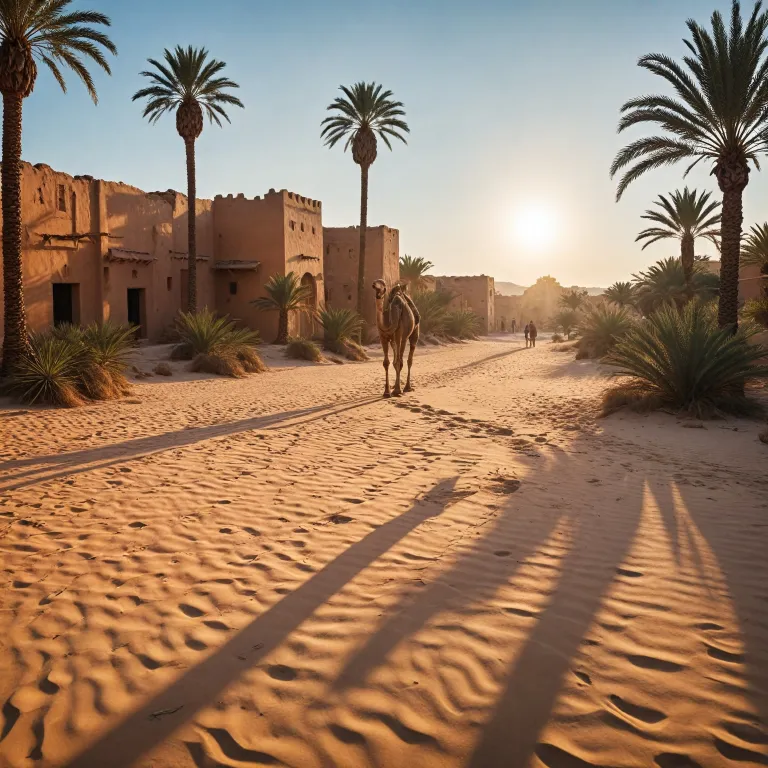
Exploring the allure of Morocco sand dunes oasis: landscapes shaped by time
The Morocco sand dunes oasis region offers a mesmerizing blend of natural beauty and cultural richness. Stretching across the Sahara desert, these dunes rise and fall in golden waves, creating a landscape that is both serene and dramatic. The sand dunes, especially those in Erg Chebbi and Erg Chigaga, reach heights up to 150 meters, providing a breathtaking backdrop for any trip. As the sun moves across the sky, the dunes shift in color from pale gold to deep orange, making every moment unique. The oasis, nestled between these dunes, offers a striking contrast with its lush palm groves and refreshing water sources. Travelers will find that the best time to visit is during spring or autumn, when temperatures are moderate and the desert is at its most welcoming. The oasis trip is not just about the scenery; it is about immersing oneself in the rhythms of the desert and the traditions of the Berber communities who call this region home. Whether you are seeking adventure or tranquility, the Morocco sand dunes oasis promises an experience that will linger long after your journey ends.
Nomadic Berber communities and the cultural tapestry of the desert
The heart of the Morocco sand dunes oasis experience lies in its people, particularly the nomadic Berber communities. These inhabitants have shaped the desert’s culture for centuries, offering travelers a glimpse into a way of life defined by resilience and hospitality. Guided trips led by Berber guides introduce visitors to the customs, music, and cuisine of the region. In Merzouga, a gateway to the dunes oasis, you will find local artisans crafting traditional rugs, silver jewelry, and pottery, each piece reflecting the artistry of the desert. The oasis is more than a place; it is a living cultural tapestry, where every campfire story and shared meal deepens your connection to Morocco. The best way to appreciate this heritage is through immersive experiences, such as cooking classes or artisan workshops, which are increasingly popular among those seeking a deeper understanding of their travel style. For those interested in supporting sustainable tourism, booking with operators who collaborate with local communities ensures that your trip Morocco benefits those who preserve the region’s unique identity. For more insights into authentic travel experiences, visit Moroccan cultural immersion.
Adventures across the dunes: camel treks, sandboarding, and desert camps
Adventure awaits at every turn in the Morocco sand dunes oasis. Camel treks are a quintessential part of any desert journey, allowing travelers to traverse the dunes as nomads have for generations. The slow, rhythmic pace of the camels provides ample time to absorb the vastness of the Sahara desert and the intricate patterns carved by the wind. For those seeking a thrill, sandboarding down the steep slopes of the dunes erg is an exhilarating experience. As the day progresses, the oasis offers respite with its cool shade and the promise of water, a precious resource in this arid landscape. Camps set up among the dunes range from traditional Berber tents to luxury camp accommodations, blending comfort with authenticity. Many camps feature swimming pools, providing a refreshing escape after a day in the sun. The evenings are filled with traditional Moroccan dinners, music, and stargazing, creating memories that define the best desert trips. To plan your adventure, explore the Morocco desert adventure guide for detailed itineraries and tips.
From Marrakech to the dunes: routes through valleys and gorges
The journey to the Morocco sand dunes oasis is as captivating as the destination itself. Most travelers begin in Marrakech, embarking on a route that winds through the Atlas mountains and the dramatic landscapes of the Draa valley and Ziz valley. Along the way, you will find the Todra gorge, a spectacular canyon carved by centuries of water flow, offering opportunities for hiking and photography. The valleys are dotted with palm groves and ancient kasbahs, providing a glimpse into Morocco’s rich history. As you approach Merzouga, the gateway to the chebbi dunes, the scenery shifts from rocky outcrops to endless sand dunes. The drive from Marrakech days to the dunes can be tailored to your travel style, with stops in local villages and markets where you can purchase crafts directly from artisans. For those seeking a more immersive experience, guided tours offer insights into the region’s geology, ecology, and culture.
Oases and water: the lifeblood of the desert
Oases are the heart of life in the Morocco sand dunes oasis, providing water and shelter in an otherwise harsh environment. The Ziz valley, with its ribbon of green palms, is a testament to the ingenuity of local communities who have harnessed scarce water resources for centuries. Annual rainfall in southeastern Morocco averages just 250 millimeters, making every drop of water precious. The oasis dunes are not only a source of sustenance but also a place of social and cultural gathering. Swimming pools in some camps offer a modern twist on traditional water sources, allowing travelers to cool off after exploring the dunes. The presence of water transforms the desert, supporting a surprising diversity of plant and animal life. As you wander through the oasis, you will find that the interplay between sand, sun, and water creates a landscape of remarkable beauty and resilience. The best trips include time to relax in the shade of date palms, savoring the tranquility that only an oasis can provide.
Sustainable travel and the future of Morocco’s sand dunes oasis
Sustainable tourism is essential to preserving the Morocco sand dunes oasis for future generations. By choosing tour operators who work closely with Berber guides and local communities, travelers ensure that their trip Morocco has a positive impact. The rise of luxury camp experiences, or 'glamping', combines comfort with authenticity, attracting visitors who value both adventure and responsible travel. As interest in eco-friendly tourism grows, more camps are adopting solar energy and water conservation practices. The dunes oasis is also a hub for cultural immersion, with workshops and performances that celebrate Berber heritage. "Choose tour operators that collaborate with local guides and communities, purchase crafts directly from local artisans, and respect local customs and traditions during your visit." This approach supports the economic well-being of the region while preserving its unique character. Whether you are exploring the erg chebbi or erg chigaga, your choices will shape the future of this extraordinary landscape. Embrace a travel style that values connection, respect, and sustainability, ensuring that the Morocco sand dunes oasis remains a place of wonder for years to come.
Key statistics about Morocco sand dunes oasis
- Height of Erg Chebbi dunes: 150 meters
- Area of Erg Chigaga: 35 square kilometers
- Annual rainfall in southeastern Morocco: 250 millimeters
Frequently asked questions about Morocco sand dunes oasis
What is the best time to visit the Moroccan sand dunes?
The optimal times to visit are during spring (March-May) and autumn (September-November) when temperatures are moderate and conditions are ideal for desert activities.
What activities can I do in the Moroccan desert?
Visitors can engage in camel trekking, sandboarding, 4x4 excursions, cultural visits to Berber villages, and overnight stays in desert camps.
Are there any unique natural phenomena in the Moroccan desert?
Yes, certain dunes like those in Erg Zahar are known as 'singing dunes' due to the unique sounds they produce when sand grains move under specific conditions.
References:
- https://en.wikipedia.org/wiki/Erg_Chebbi
- https://en.wikipedia.org/wiki/Erg_Chigaga
- https://apnews.com/article/2b6c28d2487a0ef370aff60775d0245d