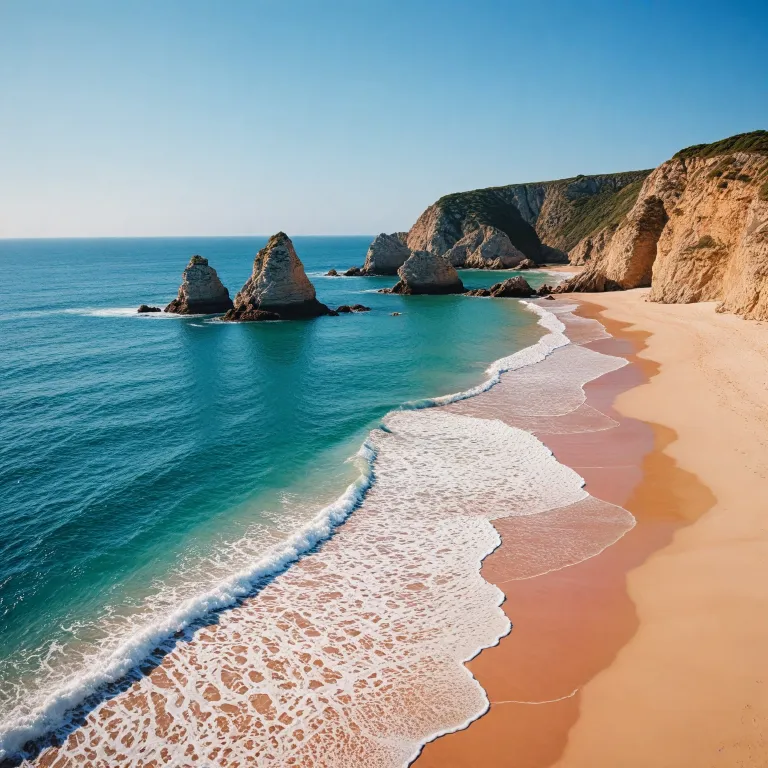
The allure of pink sand: Portugal’s unique coastal phenomenon
Portugal’s coastline is renowned for its diversity, but few travelers realize that it is home to one of Europe’s rarest natural wonders: the pink sand beach of Porto Covo in the Alentejo region. The sand here exhibits a subtle yet captivating pink hue, a result of crushed coral, shells, and microscopic marine organisms blending with the golden grains. This unique coloration sets Porto Covo apart from the more typical sand beaches found throughout the Algarve and other parts of Portugal. The interplay of pink sand, turquoise water, and dramatic cliffs creates a scene worthy of any photo collection, attracting visitors seeking the best beaches for both relaxation and visual delight.
Unlike the bustling beaches of Lagos or the iconic formations at Praia Marinha, Porto Covo’s pink sand beach remains relatively untouched. The small fishing village nearby offers a tranquil atmosphere, allowing for peaceful walks along the shoreline and opportunities to observe the geological features that give the sand its distinctive color. The beach is accessible by a short walk from the parking lot, making it easy for travelers to reach beach areas without the crowds typical of more famous destinations. For those passionate about photography, the interplay of light on the pink sand and water at different times of day provides endless inspiration.
Geologists and environmental experts have utilized remote sensing technology to analyze the sand composition, confirming the presence of the elements responsible for the pink hue. This scientific approach ensures that visitors can appreciate the beach’s beauty with a deeper understanding of its origins. As interest in unique sand beaches grows, Porto Covo stands as a testament to Portugal’s geological diversity and the enduring appeal of off-the-beaten-path destinations.
Geological secrets behind Portugal’s pink sand beaches
The geological makeup of Portugal’s coastline is a tapestry of ancient rock formations, shifting sands, and marine influences. The pink sand at Porto Covo is a direct result of the region’s unique environmental conditions. The cliffs surrounding the beach are composed of sedimentary rocks rich in minerals, which, when eroded by wind and water, contribute to the sand’s coloration. The presence of crushed coral and shells, along with microscopic marine organisms, further enhances the pink tones, creating a sand beach unlike any other in the country.
While the Algarve is celebrated for its golden beaches and dramatic cliffs, the pink sand of Porto Covo offers a distinct alternative for those seeking the best beaches with a twist. The process that leads to pink sand formation is slow and delicate, making these beaches rare not only in Portugal but across Europe. The beach’s proximity to the fishing village ensures that traditional practices and local culture remain intertwined with the natural environment, offering visitors a glimpse into the region’s heritage.
For travelers interested in geological tourism, engaging with local guides can provide valuable insights into the history and science behind the pink sand. The area’s formations, including sea stacks and arches, are shaped by centuries of erosion, creating a dynamic landscape that is both beautiful and educational. The nearby Praia Dona and Praia Carvoeiro, while not pink, offer additional opportunities to explore the diversity of sand beaches in the Algarve Portugal region. For more information on geological wonders and travel tips, visit this comprehensive guide to Portugal’s beaches.
Planning your trip: How to reach Portugal’s pink sand beach
Reaching Porto Covo’s pink sand beach is a rewarding journey for those willing to venture beyond the usual tourist routes. The village is located in the Alentejo region, approximately 170 kilometers south of Lisbon, making it accessible by car or public transport. The drive offers scenic views of rolling hills and coastal landscapes, setting the tone for an unforgettable trip. Upon arrival, visitors will find a small parking lot near the beach, from which a short walk leads to the shoreline.
Travelers are encouraged to visit during the off-peak season to fully appreciate the natural beauty without the crowds. The beach’s relatively remote location ensures a peaceful experience, ideal for those seeking the best beaches away from the hustle of the Algarve’s more popular spots. For those interested in exploring further, boat trips along the coast reveal hidden coves and unique rock formations, while walks along the cliffs offer panoramic views of the Atlantic and the pink sand below.
Public amenities are limited, so it is advisable to bring essentials such as water, snacks, and sun protection. Engaging with local guides can enhance the experience, providing context on the geological and cultural significance of the area. For those planning a longer stay, the fishing village offers a range of accommodations and dining options, allowing visitors to immerse themselves in the local lifestyle. For a curated list of the best beaches in Portugal, including those with unique sand, see this expert selection of Portugal’s coastal gems.
Comparing Portugal’s pink sand with other iconic beaches
While Porto Covo’s pink sand beach is a standout in Portugal, it invites comparison with other famous sand beaches worldwide. The pink beach of Harbour Island and the renowned pink sand beaches of Crete, Greece, are often cited as benchmarks for this rare phenomenon. Each location boasts its own unique blend of minerals and marine life, resulting in subtle differences in sand color and texture. In Portugal, the interplay of pink sand, azure water, and rugged cliffs creates a setting that rivals the best beaches in Europe for natural beauty and tranquility.
The Algarve region, with its beaches such as Praia Marinha, Praia Dona, and the dramatic formations at Ponta da Piedade, offers a diverse array of coastal experiences. However, none match the distinctiveness of Porto Covo’s pink sand. The beaches of Lagos, including the famous beaches Lagos is known for, are celebrated for their golden sand and clear water, but the pink sand beach provides a unique alternative for travelers seeking something truly special. Boat trips from nearby harbors allow visitors to explore hidden coves and admire the coastline from a different perspective.
For those passionate about photography, the contrast between the pink sand and the blue-green water offers endless opportunities for stunning photos. The best time to capture the beach’s colors is during the golden hour, when the light enhances the natural hues.
Practical tips for visiting pink sand beaches in Portugal
Visiting Porto Covo’s pink sand beach requires a mindful approach to ensure the preservation of its delicate ecosystem. Travelers should respect local guidelines, avoid disturbing the natural formations, and refrain from removing sand or shells. The beach’s remote location means that facilities are minimal, so preparation is key. Bringing reusable water bottles, eco-friendly sunscreen, and snacks helps minimize environmental impact while ensuring a comfortable visit.
Engaging with local guides not only enriches the experience but also supports the fishing village’s economy. These experts can share insights into the geological history, cultural traditions, and best spots for photos. Walking along the cliffs provides breathtaking views of the pink sand and surrounding water, while boat trips reveal hidden beaches and unique rock formations. For those traveling with children, the gentle slope of the sand beach and calm water make it a safe and enjoyable destination.
Parking is available near the beach, but spaces can be limited during peak times. Arriving early or visiting during the shoulder season ensures a more relaxed experience. For those interested in exploring further, the nearby beaches Algarve is famous for, such as Praia Carvoeiro and Praia Dona, offer additional opportunities to enjoy Portugal’s coastal beauty. Remember, “The pink coloration is typically due to the presence of crushed coral, shells, and microscopic marine organisms mixed with the sand.”
Sustainable tourism and the future of Portugal’s pink sand beaches
As interest in unique sand beaches grows, the importance of sustainable tourism practices becomes paramount. Porto Covo’s pink sand beach is a fragile environment, and increased foot traffic can threaten its delicate balance. Local authorities and environmental organizations are working to promote responsible tourism, encouraging visitors to respect the natural landscape and support conservation efforts. The fishing village plays a crucial role in maintaining the area’s authenticity and ecological health.
Travelers can contribute by following marked paths, avoiding littering, and participating in local clean-up initiatives. Supporting local businesses, such as family-run restaurants and guide services, ensures that tourism benefits the community without compromising the environment. The best beaches are those that remain pristine for future generations, and Porto Covo’s pink sand beach is no exception. Educational programs and interpretive signage help raise awareness about the geological processes that create pink sand and the importance of preserving these rare formations.
For those seeking a deeper connection with nature, participating in guided walks or boat trips offers an opportunity to learn about the region’s biodiversity and cultural heritage. The combination of natural beauty, scientific interest, and community involvement makes Porto Covo a model for sustainable tourism in Portugal. As one expert notes, “Yes, Porto Covo in the Alentejo region is known for its beach with pinkish hues.”
Statistics: Key facts about Portugal’s pink sand beaches
- Number of pink sand beaches in Portugal: 1 beach (Porto Covo, Alentejo)
- Average annual visitors to Porto Covo: 50,000 visitors
Frequently asked questions about pink sand beaches in Portugal
What causes the pink hue in some beaches' sand?
The pink coloration is typically due to the presence of crushed coral, shells, and microscopic marine organisms mixed with the sand.
Are there any pink sand beaches in Portugal?
Yes, Porto Covo in the Alentejo region is known for its beach with pinkish hues.
Is it safe to visit pink sand beaches?
Generally, yes. However, it's important to follow local guidelines to protect the natural environment and ensure personal safety.
References:
Matador Network: https://matadornetwork.com/
Solo Traveller App: https://www.solotravellerapp.com/
National Geographic: https://www.nationalgeographic.com/