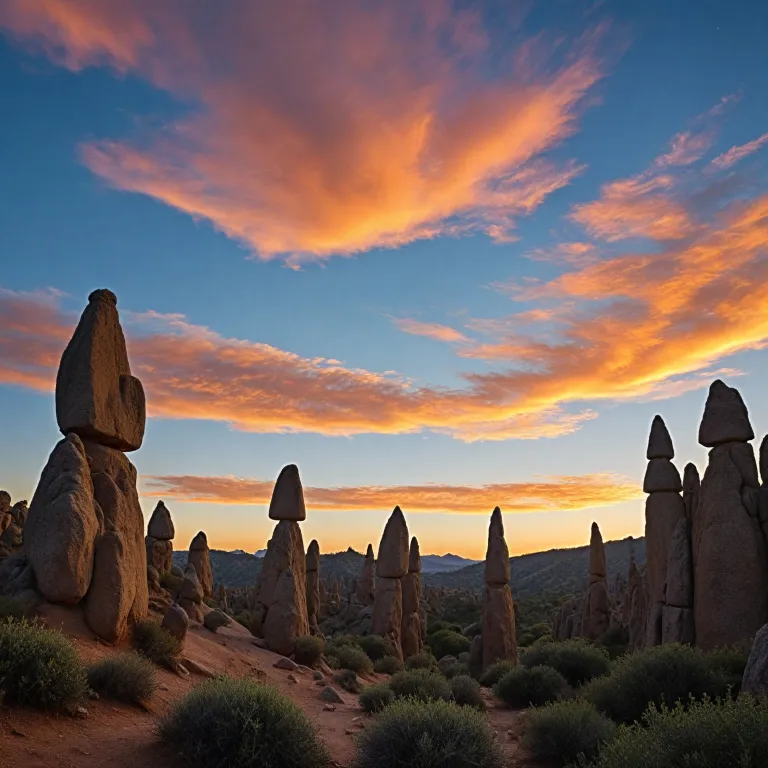
Planning your day trip to Pinnacles National Park: logistics and essentials
Pinnacles National Park, nestled in California’s heartland, offers a rare blend of volcanic rock formations, diverse trails, and unique wildlife. For those considering whether a day trip to Pinnacles National Park is possible, the answer is a resounding yes. The park’s east entrance, located near Paicines, provides access to the Bear Gulch area, one of the most popular starting points for a day itinerary. Arriving early secures a spot in the parking lot, especially during peak seasons when spaces fill quickly. The park is open year-round, but spring and autumn are widely regarded as the best times to visit Pinnacles, thanks to mild temperatures and vibrant wildflower displays.
Visitors should prepare for limited amenities; there are no food services within the park, so packing sufficient water and snacks is essential. At least one liter of water per hour of hiking is recommended, as the California sun can be unforgiving. Downloading offline maps via the NPS App is a smart move, given the park’s limited cell service. The east entrance is open 24 hours, while the west entrance operates on a more restricted schedule, making the east side preferable for early arrivals and late departures. For those interested in camping, Pinnacles Campground on the east side offers a tranquil overnight experience, but reservations are advised.
Bear Gulch Nature Center serves as an excellent orientation point, providing information on the park’s history, geology, and trail options. The park’s 26,606 acres encompass over 30 trails, ranging from gentle walks to challenging hikes. Whether you’re seeking a leisurely stroll or a demanding ascent, Pinnacles National Park caters to all levels. For more details on preparing for your adventure, explore this comprehensive guide to California’s national parks.
Choosing the best trails: Bear Gulch, Condor Gulch, and High Peaks
When planning a day trip to Pinnacles National Park, selecting the right trails is crucial for maximizing your experience. The Bear Gulch Trail is a perennial favorite, leading hikers through shaded oak woodlands, past the Bear Gulch Reservoir, and into the dramatic Bear Gulch Cave. This talus cave, formed by massive boulders wedged between rock walls, offers a cool respite and a sense of adventure. Flashlights or headlamps are recommended for safe passage through the cave’s darker sections.
For those seeking panoramic vistas, the Condor Gulch Trail connects seamlessly with the High Peaks Trail, creating a loop that showcases the park’s most iconic rock formations. The ascent to the High Peaks rewards hikers with sweeping views of the surrounding valleys and a chance to spot the endangered California condor soaring overhead. The trail’s narrow, rocky passages require sturdy footwear and a steady pace, but the effort is well worth it. The combination of Bear Gulch, Condor Gulch, and High Peaks trails forms the backbone of many visitors’ park itineraries.
Parking lots at both entrances can fill quickly, especially on weekends and holidays. Arriving early not only secures parking but also allows for a more tranquil hiking experience. For those interested in exploring more hidden gems, the Balconies Cave and Gulch Trail on the west side offer a different perspective of the park’s geology.
Wildlife encounters: California condors, bats, and more
Pinnacles National Park is renowned for its role in the recovery of the California condor, one of the world’s rarest birds. The park’s rugged cliffs and high peaks provide ideal nesting sites for these majestic birds, which can often be seen gliding above the Condor Gulch and High Peaks trails. Observing a California condor in flight is a highlight for many visitors, and the park’s rangers offer valuable insights into ongoing conservation efforts.
The park’s talus caves, including Bear Gulch Cave and Balconies Cave, are home to several bat species. These caves are closed seasonally to protect bat colonies during sensitive periods, so checking current cave access is recommended before your visit. Other wildlife sightings may include deer, foxes, and a variety of reptiles and birds. Staying on designated trails minimizes disturbances to wildlife and enhances your chances of respectful observation.
Water sources are limited within the park, so carrying ample water is vital, especially during warmer months. The Bear Gulch Reservoir, while picturesque, is not suitable for swimming or drinking, but it provides a serene backdrop for a midday break. For those seeking more information on wildlife and park ecology, the official Pinnacles National Park website offers detailed resources and updates.
Essential tips for a seamless day trip experience
Preparation is key to making the most of your day trip to Pinnacles National Park. “Carry and drink at least one liter of water per hour while hiking.” This advice from park management underscores the importance of hydration, particularly on exposed trails. Sun protection, including hats, sunscreen, and sunglasses, is equally essential, as shade can be limited on many routes.
Parking lots at both the east and west entrances can reach capacity early in the day. Planning your arrival for the morning increases your chances of finding a convenient spot and enjoying cooler temperatures. The park’s lack of food services means visitors must bring their own meals and snacks, with an emphasis on minimizing waste and packing out all trash. Staying on marked trails not only protects the park’s delicate ecosystems but also ensures personal safety, as some areas feature steep drop-offs and loose rock.
For those interested in extending their visit, camping at Pinnacles Campground offers a peaceful retreat under the stars. Reservations are recommended, especially during peak seasons. Utilizing the NPS App for offline maps and trail information enhances navigation and enriches the overall experience. Checking the weather forecast before your visit helps you dress appropriately and prepare for changing conditions.
Exploring both entrances: east and west access points
Pinnacles National Park features two main entrances, each offering distinct advantages for day visitors. The east entrance, accessible via Paicines, is open 24 hours and provides direct access to the Bear Gulch area, Bear Gulch Cave, and Bear Gulch Reservoir. This side also hosts the park’s primary campground and visitor center, making it the preferred choice for first-time visitors and those seeking a comprehensive park itinerary.
The west entrance, reached from Soledad, operates on a more limited schedule but offers access to the Balconies Cave and Gulch Trail. This area is less crowded and provides a different perspective on the park’s volcanic landscapes. However, there is no road connecting the east and west entrances through the park, so visitors must plan their route accordingly. Both entrances feature parking lots, but spaces are limited and fill quickly during busy periods.
For those interested in exploring both sides in one day, careful planning is required. Most visitors choose to focus on one entrance to maximize their time on the trails. The park’s unique geology, including spires, caves, and rock formations, is evident from both access points, ensuring a memorable experience regardless of your chosen route. For up-to-date information on entrance hours and trail conditions, consult the park’s official resources.
Crafting the perfect park itinerary: highlights and hidden gems
Designing an effective park itinerary for a day trip to Pinnacles National Park involves balancing must-see highlights with lesser-known treasures. Starting at the Bear Gulch Nature Center provides valuable orientation and access to trail maps. A morning hike through Bear Gulch Cave and up to Bear Gulch Reservoir offers a cool, shaded introduction to the park’s unique geology. Continuing along the Condor Gulch Trail to the High Peaks Loop delivers stunning views and a chance to observe California condors in their natural habitat.
For those seeking solitude, the Balconies Cave and Gulch Trail on the west side present an opportunity to explore quieter areas with dramatic rock formations. The park’s 30 trails cater to all skill levels, from short walks to strenuous climbs. Incorporating rest stops at scenic overlooks and water breaks ensures a comfortable and enjoyable experience. “Yes, a day trip is feasible and allows visitors to experience key highlights of the park.” This expert insight confirms that a well-planned itinerary can deliver a fulfilling visit.
Photography enthusiasts will find ample opportunities to capture the park’s striking landscapes, from the rugged peaks to the tranquil waters of Bear Gulch Reservoir. Respecting wildlife and adhering to Leave No Trace principles preserves the park’s beauty for future generations. For those interested in extending their adventure, camping at Pinnacles Campground or exploring nearby attractions in California’s central region adds depth to the experience. For more inspiration on crafting the best park itinerary, consult trusted travel resources and the National Park Service’s official guidance.
Safety, conservation, and responsible travel in Pinnacles National Park
Safety and conservation are at the heart of the Pinnacles National Park experience. Staying on designated trails protects both visitors and the park’s fragile ecosystems. “Stay on designated trails to protect the environment and for personal safety.” This guidance from park management is especially important in areas with loose rock and steep drop-offs. Carrying a flashlight or headlamp is essential for cave exploration, as the Bear Gulch Cave and Balconies Cave can be dark and uneven.
Water is a precious resource in the park, and visitors should bring sufficient supplies for the duration of their hike. The park’s unique geology, including volcanic spires and talus caves, is best appreciated with a mindful approach to conservation. Packing out all trash and minimizing impact ensures that future generations can enjoy the park’s natural wonders. The park’s role in the recovery of the California condor highlights the importance of responsible wildlife observation and support for ongoing conservation efforts.
For those seeking to deepen their understanding of the park’s history and ecology, ranger-led programs and educational materials are available at the visitor center. Engaging with these resources enhances appreciation for the park’s significance and fosters a sense of stewardship. By embracing responsible travel practices, visitors contribute to the preservation of one of California’s most remarkable national parks.
Key statistics about Pinnacles National Park
- Park size: 26,606 acres
- Annual visitors: 200,000 people
- Number of trails: 30
Frequently asked questions about day trips to Pinnacles National Park
Is it possible to visit Pinnacles National Park in one day?
Yes, a day trip is feasible and allows visitors to experience key highlights of the park.
Are there any food services available within the park?
No, there are no restaurants or food services within the park; visitors should bring their own food and water.
What is the best time of year to visit Pinnacles National Park?
Spring and fall offer the most comfortable temperatures and are ideal for hiking and wildlife viewing.
Photo credit: National Park Service, Pinnacles National Park Foundation
Trusted sources: National Park Service, Pinnacles National Park Foundation, California Department of Parks and Recreation