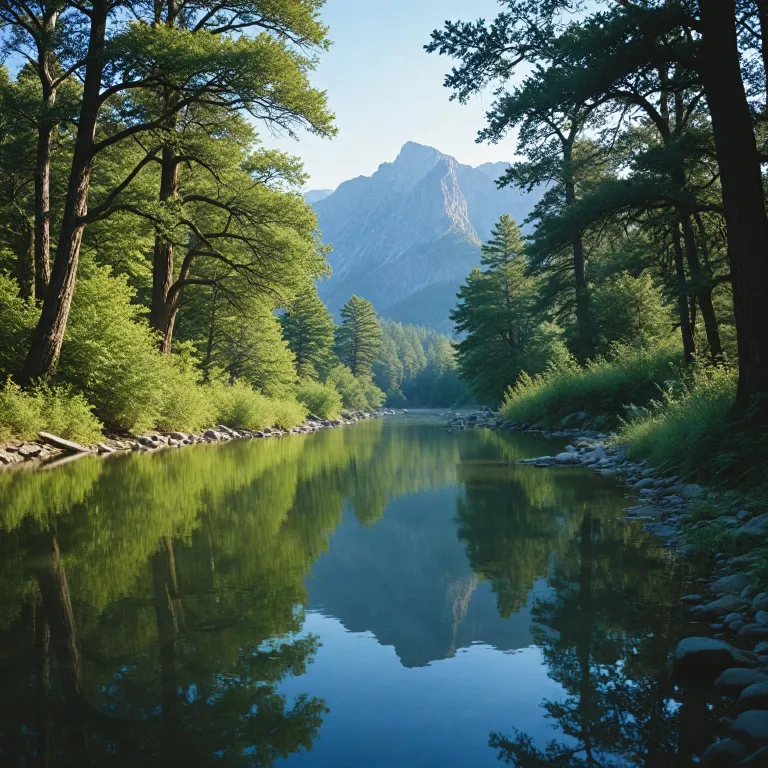
Unveiling the allure of lesser-known national parks
For travelers seeking tranquility and raw natural beauty, less crowded national parks in the USA offer an unmatched experience. These parks provide a rare opportunity to connect with nature away from the bustling crowds that often characterize more popular destinations. The sense of solitude found in these parks is amplified by their vast landscapes, pristine rivers, and untouched mountains. Many visitors find that a trip to these underrated national parks allows for a deeper appreciation of the environment and a more personal adventure.
Among the least visited national parks, Gates of the Arctic, Kobuk Valley, Lake Clark, and North Cascades stand out for their remoteness and unique features. Each park presents a different landscape, from the dramatic canyons and winding rivers to the towering mountains and expansive sand dunes. The National Park Service manages these public lands with a focus on preservation, ensuring that visitors can enjoy hiking trails, wildlife viewing, and serene lakes in their most natural state. Planning a visit to these parks requires careful consideration of accessibility and seasonal conditions, but the rewards are immense for those who make the journey.
As interest in remote travel grows, these parks offer an alternative to the crowded national parks that dominate travel itineraries. The best time to visit often depends on weather and accessibility, with summer months providing the most favorable conditions for hiking and exploring. Whether you are embarking on a road trip across the north or seeking a quiet day by a mountain lake, these parks promise an unforgettable experience. For those interested in sustainable travel, supporting lesser-visited national parks also contributes to conservation efforts and a more balanced distribution of visitors.
Immersive experiences in Alaska’s remote national parks
Alaska is home to some of the most remote and less crowded national parks in the USA, each offering a unique adventure for intrepid visitors. Gates of the Arctic National Park, with only 11,907 visitors, is a testament to the allure of untouched wilderness. The park’s vast expanse of mountains, rivers, and valleys invites exploration by foot, canoe, or even bush plane. Hiking trails here are unmarked, allowing for a true sense of discovery and solitude. The park’s isolation means that every visit feels exclusive, with the landscape stretching endlessly in every direction.
Kobuk Valley National Park, visited by just 17,233 people, is renowned for its striking sand dunes and the migration of caribou across its terrain. The park’s sand dunes are a surprising feature in the far north, offering a stark contrast to the surrounding tundra and mountains. Lake Clark National Park, with 18,505 visitors, combines volcanic peaks, turquoise lakes, and abundant wildlife. The park’s rivers and lakes are ideal for kayaking and fishing, while the surrounding mountains provide challenging hikes and breathtaking views. Each of these parks offers a different perspective on Alaska’s natural beauty, far removed from the crowded national parks in the lower 48 states.
Travelers should prepare for limited facilities and unpredictable weather, but the rewards are immense. The sense of adventure and the opportunity to witness pristine landscapes make these parks a highlight for any nature enthusiast. For more information on planning a trip to Alaska’s remote parks, explore this comprehensive guide to Alaska’s national parks and their unique offerings.
North Cascades and the hidden gems of the Pacific Northwest
The North Cascades National Park is often overlooked despite its proximity to major urban centers. With only 16,485 visitors, this park remains one of the best-kept secrets among less crowded national parks in the USA. The park’s rugged mountains, deep valleys, and more than 300 glaciers create a dramatic landscape that rivals any in the country. Hiking trails wind through dense forests and along pristine rivers, offering a variety of experiences for both novice and experienced hikers. The North Cascades are particularly stunning in late spring and early autumn, when wildflowers bloom and the mountains are capped with snow.
Visitors to the North Cascades can enjoy a range of activities, from day hikes to multi-day backpacking trips. The park’s lakes, such as Diablo Lake, are renowned for their vibrant turquoise color, a result of glacial meltwater. The north rim of the park offers panoramic views and access to some of the most secluded areas. For those seeking solitude, the North Cascades provide an escape from the crowded national parks and a chance to reconnect with nature. The park’s proximity to the Canadian border also makes it an excellent addition to a northbound road trip.
For travelers interested in exploring more hidden gems in the Pacific Northwest, consider visiting the underrated national parks and national monuments in the region. These public lands offer a wealth of opportunities for hiking, wildlife viewing, and photography, all without the crowds found in more popular destinations.
Exploring the wonders of American Samoa and Dry Tortugas
Beyond the mainland, the less crowded national parks in the USA extend to unique destinations like American Samoa and Dry Tortugas. These parks offer a different perspective on the country’s natural heritage, blending tropical landscapes with rich cultural histories. The National Park of American Samoa is one of the least visited national parks, providing visitors with lush rainforests, coral reefs, and traditional villages. Hiking trails wind through the mountains and along the coast, offering stunning views of the Pacific Ocean and opportunities to learn about Samoan culture.
Dry Tortugas National Park, accessible only by boat or seaplane, is another hidden treasure. The park’s remote location in the Gulf of Mexico ensures that visitor numbers remain low, preserving its pristine beaches and historic fort. Snorkeling, birdwatching, and exploring the fort are popular activities, while the surrounding waters teem with marine life. Both parks exemplify the diversity of experiences available in less crowded national parks, from tropical islands to remote wilderness.
Travelers should plan their visits carefully, as transportation and facilities can be limited. However, the opportunity to explore these unique parks is well worth the effort. For those seeking a truly off-the-beaten-path adventure, American Samoa and Dry Tortugas offer unforgettable experiences far from the crowded national parks of the mainland.
Road trips and the best times to visit underrated national parks
Planning a road trip to less crowded national parks in the USA requires careful consideration of routes, seasons, and park accessibility. Many of these parks are located in remote regions, making them ideal for travelers seeking adventure and solitude. The best time to visit often depends on the park’s location and climate, with summer and early autumn offering the most favorable conditions for hiking and outdoor activities. Visiting during shoulder seasons can also provide a quieter experience, as visitor numbers tend to be lower.
For those interested in exploring multiple parks, a road trip through the north or across the American West can include stops at Gates of the Arctic, Kobuk Valley, Lake Clark, and North Cascades. Each park offers unique landscapes, from canyons and rivers to mountains and sand dunes. The journey itself becomes part of the adventure, with opportunities to visit national monuments and other public lands along the way. Travelers should be prepared for long distances between parks and limited services in remote areas. Responsible travel practices, such as minimizing impact and respecting local regulations, are essential for preserving these pristine environments. By choosing less crowded national parks, visitors contribute to a more balanced distribution of tourism and support conservation efforts.
Hiking trails, wildlife, and the magic of solitude
One of the greatest appeals of less crowded national parks in the USA is the opportunity to explore hiking trails in near solitude. These parks offer a variety of trails, from easy day hikes to challenging multi-day treks. The sense of isolation enhances the experience, allowing visitors to immerse themselves in the sights and sounds of nature. Wildlife encounters are more frequent in these parks, as animals are less accustomed to large numbers of visitors. Birdwatching, photography, and quiet reflection are all enriched by the absence of crowds.
In parks like Gates of the Arctic and Lake Clark, hikers can traverse vast wilderness areas without encountering another person for days. The north rim of the Grand Canyon and the remote reaches of Great Basin National Park also offer exceptional hiking opportunities. Each visit becomes a personal journey, shaped by the landscape and the rhythm of the natural world. The diversity of ecosystems, from arctic tundra to alpine lakes, ensures that every trip is unique.
As one expert notes, “Travelers can enjoy solitude, unique landscapes, and a more personal connection with nature.” This sentiment captures the essence of visiting less crowded national parks, where the magic of solitude transforms every hike into an unforgettable adventure. Whether you are drawn to the mountains, rivers, or sand dunes, these parks invite you to experience the best of America’s public lands in their purest form.
Planning tips for visiting the least visited national parks
Visiting less crowded national parks in the USA requires thoughtful preparation and a spirit of adventure. Accessibility can be a challenge, with many parks located far from major cities and offering limited transportation options. It is essential to check park accessibility and transportation options in advance, as well as to prepare for limited facilities and services in remote parks. Seasonal weather conditions can greatly affect travel plans, so be sure to plan accordingly and pack appropriate gear.
When planning your trip, consider the unique features of each park and tailor your itinerary to your interests. Whether you are interested in hiking, wildlife viewing, or simply enjoying the tranquility of nature, these parks offer something for every traveler. The National Park Service provides up-to-date information on park conditions, visitor statistics, and travel tips to help you make the most of your visit. Responsible tourism practices, such as minimizing waste and respecting wildlife, are crucial for preserving these special places for future generations.
For those seeking inspiration, the least visited national parks include Gates of the Arctic, Kobuk Valley, Lake Clark, North Cascades, and Isle Royale. Each park offers a unique blend of landscapes, activities, and opportunities for solitude. By choosing to visit these underrated national parks, you support conservation efforts and help ensure that these pristine environments remain accessible to all. Embrace the adventure and enjoy the serenity that only less crowded national parks can provide.
Key statistics on less crowded national parks in the USA
- Gates of the Arctic National Park and Preserve: 11,907 visitors
- Kobuk Valley National Park: 17,233 visitors
- Lake Clark National Park and Preserve: 18,505 visitors
- North Cascades National Park: 16,485 visitors
- Isle Royale National Park: 25,798 visitors
Frequently asked questions about less crowded national parks
What are the least visited national parks in the United States?
Some of the least visited national parks include Gates of the Arctic, Kobuk Valley, Lake Clark, North Cascades, and Isle Royale.
Why are these national parks less visited?
Factors include remote locations, limited accessibility, and challenging weather conditions.
What activities can visitors enjoy in these less crowded national parks?
Activities include hiking, wildlife viewing, camping, and experiencing pristine natural environments.
References: National Park Service (https://www.nps.gov/), National Geographic, Wikipedia