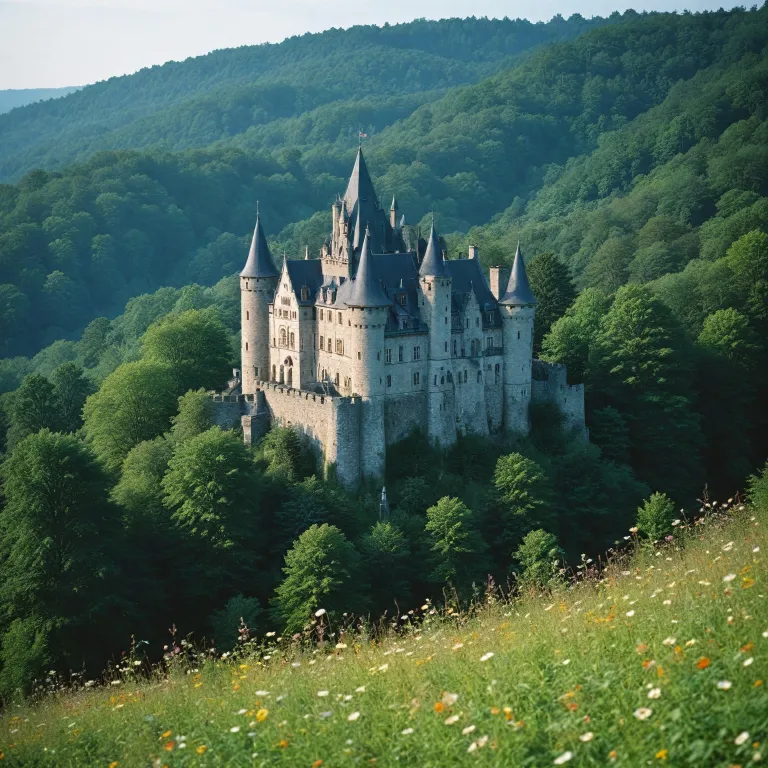
Medieval marvels: exploring the legacy of hidden castles in Europe
Europe’s landscape is dotted with castles, but many remain overshadowed by their more famous counterparts. These hidden castles in Europe offer a glimpse into centuries of history, where medieval walls and grand buildings tell stories of power and artistry. Each castle was built with a purpose—fortification, royal residence, or personal retreat—reflecting the ambitions of their creators. The grounds of these castles often stretch across lush hills or perch dramatically atop cliffs, providing panoramic views that evoke images of fairy tale realms.
From the imposing walls of Malbork Castle in Poland to the enchanting Eltz Castle in Germany, these places are steeped in history. The castles Europe hides away are often less crowded, allowing visitors to immerse themselves in the atmosphere of another time. Many of these medieval castles have survived centuries of conflict and change, their stones bearing witness to the passage of years. The neo gothic beauty of Neuschwanstein Castle and the island castle of Trakai in Lithuania are prime examples of how architecture and landscape merge to create unforgettable images.
For families seeking an educational day trip, these castles offer more than just stunning views. The stories behind each building, from the royal family intrigues to the innovations in construction, provide a rich tapestry of learning. Whether you’re tracing the footsteps of knights or admiring the artistry of a palace, the hidden castles in Europe invite you to step into a world where history comes alive.
Architectural wonders: unique designs and construction techniques
The architecture of hidden castles in Europe is as varied as the regions they inhabit. Medieval builders employed local materials and traditional craftsmanship, resulting in structures that blend seamlessly with their surroundings. Castel del Monte in Italy, commissioned by King Frederick II, stands out for its octagonal design—a feature that has inspired countless interpretations. "The octagonal design of Castel del Monte is unique and has led to various interpretations, including symbolic meanings related to the number eight." This innovation in castle building reflects the creativity and ambition of its era.
Neuschwanstein Castle in Germany, a neo gothic masterpiece, was built by King Ludwig II of Bavaria. Its soaring towers and intricate interiors evoke the grandeur of a fairy tale palace. The castle’s 65-meter height and panoramic views over the Bavarian countryside make it a highlight among beautiful castles in Europe. Eltz Castle, nestled in the hills of Germany, has been preserved by the same family for over 850 years. Its 40 rooms are filled with images of medieval life, offering a rare glimpse into the past.
In Poland, Malbork Castle’s massive brick walls and sprawling grounds showcase the defensive ingenuity of the Teutonic Knights. Each castle built during these centuries tells a story not only of its inhabitants but also of the evolving techniques and tools of the time. For those interested in the evolution of castles Europe has to offer, these hidden gems provide a fascinating study in architectural diversity.
For further insights into European heritage, explore cultural travel experiences that delve into the continent’s rich history.
Royal intrigue and family legacies: the people behind the castles
The history of hidden castles in Europe is inseparable from the families and individuals who built and preserved them. Royal family members, visionary builders, and local artisans all contributed to the enduring legacy of these places. King Ludwig II’s vision for Neuschwanstein Castle transformed a rugged hilltop into a neo gothic wonder, while Karl von Eltz, the 33rd generation family member, continues to oversee Burg Eltz’s preservation. "Burg Eltz has remained in the same family for over 850 years and has survived wars that reduced many other German castles to ruins."
The stories of these castles are often intertwined with political intrigue, artistic ambition, and personal devotion. Trakai Island Castle in Lithuania, for example, served as both a fortress and a royal residence, its walls echoing with the footsteps of generations. The palace at Peles Castle in Romania is renowned for its ornate interiors and connection to the Romanian royal family. Each building stands as a testament to the resilience and creativity of those who shaped its destiny.
Family legacies are evident in the careful preservation of these castles, many of which remain privately owned. The commitment to maintaining these structures ensures that visitors can experience the grandeur and intimacy of medieval and neo gothic architecture. For those seeking a deeper understanding of European history, the hidden castles in Europe offer a window into the lives of the people who built and inhabited them.
To plan your own journey, consider this comprehensive guide to European castles for practical tips and inspiration.
Immersive experiences: visiting hidden castles in Europe today
Visiting hidden castles in Europe is a journey through time, offering immersive experiences for travelers of all ages. Many castles are open to the public, providing guided tours that reveal the secrets behind their walls. "Yes, Neuschwanstein Castle is open to the public and offers guided tours." These tours often include access to grand halls, medieval dungeons, and panoramic towers, allowing visitors to step into the world of knights and royalty.
Day trips to castles such as Eilean Donan Castle in Scotland or Trakai Island Castle in Lithuania are popular among families and history enthusiasts. The grounds surrounding these buildings are perfect for leisurely walks, picnics, and photography, with images of fairy tale landscapes at every turn. For those interested in the technical aspects of castle construction, many sites offer exhibitions on medieval tools and building techniques.
Practical considerations are essential for a rewarding visit. Check official websites for up-to-date information on opening hours and ticket prices. Wear comfortable shoes, as the terrain around many castles can be uneven. Guided tours are highly recommended for gaining deeper insights into the history and architecture of each site.
Capturing the essence: images and stories from lesser-known castles
Photographers and storytellers are drawn to the hidden castles in Europe for their evocative images and rich narratives. The interplay of light and shadow on ancient walls, the reflection of a palace in a tranquil moat, and the sweeping views from a castle tower all contribute to the magic of these places. Each castle built in a different century offers a unique perspective on the passage of time and the evolution of architectural styles.
Images of Eltz Castle shrouded in morning mist or the dramatic silhouette of Donan Castle against a Scottish sunset capture the imagination. The fairy tale quality of Neuschwanstein Castle has inspired countless artists and filmmakers, while the medieval grandeur of Malbork Castle stands as a testament to the power of the Teutonic Knights. These beautiful castles are more than just buildings—they are living monuments to the creativity and resilience of generations past.
Sharing stories from these castles helps preserve their legacy and inspire future travelers. Whether recounting the exploits of a royal family or the ingenuity of medieval builders, each tale adds depth to the experience of visiting these remarkable places. The hidden castles in Europe invite you to look beyond the surface and connect with the enduring spirit of history.
Planning your journey: practical tips for exploring hidden castles
Exploring hidden castles in Europe requires thoughtful planning to make the most of your visit. Start by researching the castles Europe has to offer, focusing on those that align with your interests—be it medieval fortresses, neo gothic palaces, or island castles. Many sites offer virtual tours, allowing you to preview the grounds and interiors before your trip. This can help you prioritize which castles to visit based on accessibility, historical significance, and available amenities.
Consider the logistics of travel, including transportation options and proximity to other attractions. Some castles, like Trakai Island Castle, are ideal for a day trip from major cities, while others may require more time to reach. Booking tickets in advance is recommended, especially during peak travel seasons. Guided tours provide valuable context and often include access to areas not open to the general public.
When visiting, respect the preservation efforts that keep these castles open for future generations. Follow posted guidelines, avoid touching fragile surfaces, and support local conservation initiatives. By approaching your journey with curiosity and care, you contribute to the ongoing story of these remarkable buildings and the families who have safeguarded them for centuries.
Off-the-beaten-path highlights: castles beyond the mainstream
While iconic sites like Neuschwanstein Castle and Eilean Donan Castle attract millions of visitors each year, Europe’s hidden castles offer a quieter, more intimate experience. Places such as Tureborg Castle in Sweden, with its romantic ruins, and the lesser-known palaces of Eastern Europe provide opportunities for exploration away from the crowds. Each castle built in these regions reflects the local culture, history, and landscape, creating a diverse tapestry of architectural heritage.
Malbork Castle in Poland, the largest brick castle in the world, is a marvel of medieval engineering and a testament to the power of the Teutonic Order. Trakoscan Castle in Croatia, surrounded by forests and lakes, offers panoramic views and a glimpse into the life of a noble family. These beautiful castles are often set in picturesque surroundings, making them ideal for photography, hiking, and family outings.
By seeking out these hidden gems, travelers can experience the authentic charm of Europe’s past. The stories, images, and history found within their walls enrich our understanding of the continent’s cultural legacy. The hidden castles in Europe stand as enduring symbols of creativity, resilience, and the timeless allure of exploration.
Key statistics on hidden castles in Europe
- Neuschwanstein Castle welcomes approximately 1.3 million visitors annually.
- The height of Neuschwanstein Castle is 65 meters.
- Burg Eltz contains 40 rooms, each filled with historical artifacts and images.
Frequently asked questions about hidden castles in Europe
What is the significance of Castel del Monte's octagonal design?
The octagonal design of Castel del Monte is unique and has led to various interpretations, including symbolic meanings related to the number eight.
Is Neuschwanstein Castle open to the public?
Yes, Neuschwanstein Castle is open to the public and offers guided tours.
Can visitors explore the ruins of Tureborg Castle?
Yes, visitors can explore the ruins of Tureborg Castle, which remain a prominent landmark in Uddevalla.
Trusted sources: Wikipedia, Journee-Mondiale.com, official castle websites.