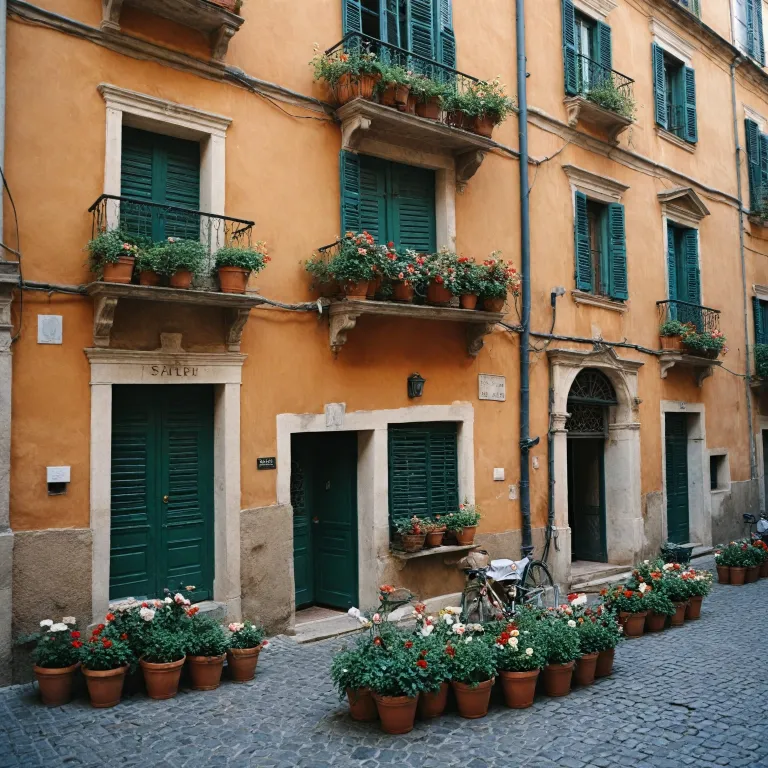
Exploring the timeless beauty of small Italian towns
Italy’s landscape is adorned with small towns that capture the essence of its history and culture. These beautiful places, often nestled on hilltops or along the coast, offer an authentic experience far from the crowds. Each small town in Italy reveals a unique story, with winding streets, vibrant piazzas, and centuries-old architecture that reflect the region’s heritage.
From the picturesque hill towns of Umbria to the colorful villages of the Amalfi Coast, travelers will find a tapestry of traditions and local flavors. The best places to stay are often family-run inns or historic residences, where hospitality is as genuine as the scenery. A visit to these small Italian towns promises not only breathtaking views but also a slower pace of life, inviting you to savor every moment.
Whether you’re seeking a beautiful town for a romantic getaway or planning day trips through the countryside, Italy’s small towns offer endless possibilities. The charm of a hill town like Collalto Sabino or the seaside allure of Monterosso al Mare will leave lasting memories. For those who love discovering new places, these beautiful small towns are the best places to immerse yourself in Italian culture.
Coastal treasures: from the Amalfi Coast to Cinque Terre
The Amalfi Coast is renowned for its dramatic cliffs and azure waters, but its small towns hold secrets waiting to be explored. Atrani, with just 764 inhabitants, is a beautiful town nestled between the mountains and the sea. Its narrow alleys and sunlit piazzas create an intimate atmosphere, making it one of the best places to experience authentic coastal life.
Further north, the Cinque Terre region boasts towns like Monterosso al Mare, where pastel-colored houses cling to the rugged coastline. This small town is a gateway to scenic hiking trails and offers some of the best places to stay for those who love the sea. The beautiful towns of Cinque Terre are perfect for day trips, allowing visitors to explore each village at their own pace.
Travelers will appreciate the unique character of each coastal town, from the lively markets to the tranquil beaches. The Amalfi Coast and Cinque Terre are not only beautiful places to visit but also ideal for discovering the rich maritime heritage of Italy. For more inspiration on planning your Italian adventure, explore our comprehensive guide to Italian coastal escapes.
Hill towns and countryside escapes: the heart of Italy’s heritage
Italy’s hill towns are renowned for their panoramic views and medieval charm. Cervo, perched on a hill in Liguria, is a beautiful small town with a population of about 1,200. Its cobblestone streets and ancient churches make it a perfect place to stay for those seeking tranquility. The town’s elevated position offers sweeping vistas of the Italian Riviera, making it a favorite among photographers and artists.
In Umbria, Farnetta is a village surrounded by rolling hills and lush forests. With only 278 inhabitants, it exemplifies the peaceful rhythm of small Italian towns. Visitors will love exploring the countryside, sampling local wines, and enjoying the hospitality of the region. Hill towns like Farnetta are among the best places to experience traditional Italian life.
For those planning day trips, the hill towns of Italy offer endless opportunities for exploration. Each small town has its own festivals, culinary specialties, and historical landmarks. To learn more about the cultural richness of Italy’s countryside, visit our in-depth feature on Italian hill towns.
Cultural and historical highlights in beautiful small towns
Small Italian towns are living museums, preserving centuries of art, architecture, and tradition. Collalto Sabino, located northeast of Rome, is a hill town with a population of 421. Its medieval castle and stone houses transport visitors to another era. The town’s annual festivals celebrate local heritage, making it one of the best places to experience authentic Italian culture.
Mirabello Sannitico in Molise is another beautiful town, home to about 2,100 residents. Its historic center features narrow lanes and charming squares, perfect for leisurely strolls. Visitors will find that each small town in Italy offers unique insights into the country’s past, from ancient ruins to Renaissance frescoes.
Exploring these beautiful towns allows travelers to connect with local artisans, taste regional delicacies, and participate in time-honored traditions. The diversity of Italian towns ensures that every visit is a new adventure. For those seeking the best places to stay, small towns provide an intimate setting that larger cities cannot match.
Planning your journey: practical tips for visiting small Italian towns
When planning a trip to small Italian towns, timing is essential. The best time to visit is during spring or autumn, when the weather is pleasant and tourist crowds are minimal. Transportation options vary, so it’s advisable to research local trains, buses, or car rentals in advance. Some towns may be an hour drive from major cities, making them ideal for day trips or longer stays.
Learning basic Italian phrases will enhance your interactions with locals and deepen your appreciation for the culture. Respecting local customs and traditions ensures a positive experience in every small town. Many towns offer guided tours through tourism offices, providing valuable insights into the history and attractions of each place.
For those seeking the best places to stay, consider family-run accommodations or historic residences. These options provide a more authentic experience and allow you to connect with the community.
Unforgettable experiences: culinary delights and local traditions
One of the joys of visiting small Italian towns is sampling the local cuisine. Each town and village boasts its own specialties, from fresh seafood in Monterosso al Mare to traditional dishes on the Amalfi Coast. Atrani, for example, offers a taste of authentic Amalfi Coast flavors in its family-run trattorias.
Participating in local festivals and markets provides a window into the traditions that define Italian life. Beautiful small towns like Cervo and Collalto Sabino host annual celebrations that bring the community together. These events are among the best places to experience music, dance, and culinary delights unique to each region.
Travelers will love the opportunity to connect with artisans, sample regional wines, and learn about the history behind each dish. As noted in the expert dataset, “Each town has its specialties; for example, Monterosso al Mare is known for its seafood dishes, while Atrani offers traditional Amalfi Coast cuisine. It's recommended to try local dishes at each destination.” Embracing the culinary and cultural traditions of small Italian towns ensures a memorable journey through Italy’s most beautiful places.
Key statistics about small Italian towns
- Population of Cervo, Liguria: 1,200 inhabitants
- Population of Farnetta, Umbria: 278 inhabitants
- Population of Monterosso al Mare, Liguria: 1,314 inhabitants
- Population of Atrani, Campania: 764 inhabitants
- Population of Mirabello Sannitico, Molise: 2,100 inhabitants
- Population of Collalto Sabino, Lazio: 421 inhabitants
Frequently asked questions about small Italian towns
What are some must-visit small towns in Italy?
Some must-visit small towns in Italy include Cervo, Farnetta, Monterosso al Mare, Atrani, Mirabello Sannitico, and Collalto Sabino.
What is the best time to visit small Italian towns?
The best time to visit small Italian towns is typically during the spring (April to June) and fall (September to October) when the weather is pleasant, and tourist crowds are smaller.
Are there guided tours available in these towns?
Yes, many small Italian towns offer guided tours through local tourism offices or private tour operators, providing insights into the town's history and culture.
References: Italian statistical institute Istat, Official tourism websites, Local historians and cultural experts.