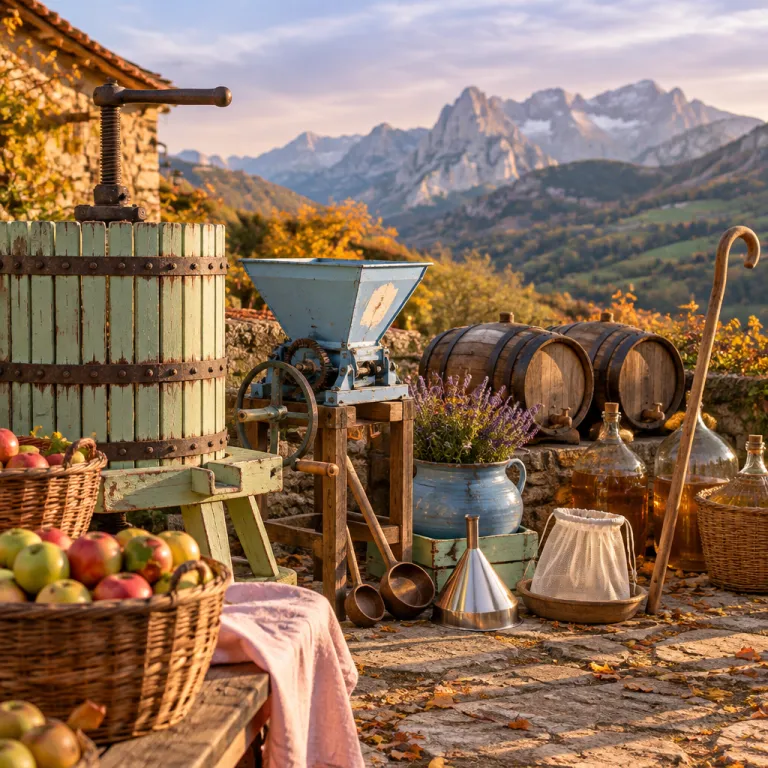
Why this Picos de Europa northern Spain autumn travel guide matters
The Picos de Europa in northern Spain feel like a parallel country. While the south leans into heat and crowds, this national park keeps its mountains cool, wet, and quietly spectacular. For a solo explorer planning a Spain travel escape, this is where the map thins out and the conversations deepen.
This Picos de Europa northern Spain autumn travel guide focuses on the shoulder season when the beech forests turn copper and the pastures above Valdeón glow green. Autumn is the best time for long hiking days, when the elevation gain feels crisp rather than punishing and the Cantabrian Sea sends clean light inland. You come for the mountains, but you stay for the cider, the Cabrales cheese, and the way Europa National Park life still runs on weather rather than on visitor numbers.
The park itself is split into three massifs, and each massif offers a different kind of hike and a different style of village. Around Covadonga and Cangas de Onís, lakes and chapels sit under limestone cliffs that define the Picos Europa skyline. In the central massif, the Naranjo de Bulnes peak rises like a stone lighthouse above the Cares Gorge, while the eastern valleys around Valdeón feel like a self contained world.
Think of this travel guide as a practical companion rather than a checklist. It will help you choose the best time to visit, match each day hike to the weather, and understand how elevation shapes both the trails and the food on your plate. Used well, it turns a simple trip into a layered journey through northern Spain’s quietest mountains.
Reading the weather and timing your autumn in the Picos
Atlantic weather writes the rules in the Picos de Europa. Clear blue mornings can turn to cloud wrapped mountains by mid afternoon, and a sunny day in Cangas de Onís may mean fog on the higher passes. This Picos de Europa northern Spain autumn travel guide treats the forecast as a tool, not a guarantee.
Autumn usually brings the best balance between stable conditions and empty trails, which makes it the best time for ambitious hiking without summer’s heat. On many days you can start a hike in a valley village like Arenas de Cabrales, gain serious elevation by midday, and still be back in the park lowlands before the evening rain. The key is to plan each day hike with flexible turn around points and to respect how quickly elevation gain changes both temperature and visibility.
Use the cable car at Fuente Dé as a weather lever rather than a shortcut trophy. On clear mornings, the ride lifts you straight into the high mountains, where a short ruta del Cares viewpoint walk can feel like a full expedition. When cloud sits low, stay in the lower park and follow the Sella River or explore the chapels around Covadonga instead of forcing a summit.
For many travelers, the best time to visit northern Spain is when the rest of Spain travel is winding down. Crowds thin on the Cantabrian Sea coast, and Europa National Park trails feel almost private on weekdays. This travel guide recommends building in one spare day for weather, so a storm becomes an excuse for a long lunch and a lesson in sidra culture rather than a ruined plan.
Wellness focused detours pair well with this slower, weather led rhythm, especially for solo travelers who value recovery as much as elevation gain.
Trails, cable cars, and matching ambition to the mountains
The Picos are compact on the map but feel vast underfoot. Limestone walls rise sharply from green valleys, which means even a modest hike can pack in serious elevation gain. This Picos de Europa northern Spain autumn travel guide is built around matching your ambition to the terrain, not to social media expectations.
The classic ruta del Cares, often called the Cares Gorge trail, runs between Poncebos near Arenas de Cabrales and Caín in León. It is one of the best day hikes in the park, with a balcony path carved into the mountain and views that explain why the Picos Europa name still feels earned. Go early in the day, carry layers for the shaded tunnels, and remember that the return along the same del Cares path doubles both distance and elevation impact on your legs.
For something shorter, the lakes of Covadonga offer loop options that still feel wild once you step away from the main viewpoints. Here the mountains roll rather than spike, and the elevation gain is kinder, which makes this area ideal for a first hike in northern Spain. In contrast, the ascent towards Bulnes and the Naranjo de Bulnes viewpoint is steeper and more exposed, rewarding experienced hikers with some of the best close range mountain views in the national park.
Solo travelers who like structure will appreciate using this travel guide as a route planner. Alternate a demanding mountain day with a gentler valley walk near Valdeón or along the Sella River, where the sound of water replaces the echo of rockfall. If you are used to coastal Spain travel, the rugged interior of Europa National Park will feel like a different country, one where a cable car ride and a two hour hike can still leave you blissfully alone.
For more offbeat seasonal planning, the way we approach harvest time in places like inland Istria in early autumn, as explored in our piece on quiet European harvest journeys, translates well to the Picos rhythm.
Cider, Cabrales cheese, and the taste of altitude and rain
Food in the Picos de Europa is built on altitude, rain, and patience. This is not a region of delicate tasting menus but of slow stews, sharp cheeses, and apples turned into sidra that tastes of wet stone. Any serious Picos de Europa northern Spain autumn travel guide must treat the table as seriously as the trailhead.
Start with Cabrales cheese, the blue emblem of these mountains, aged in limestone caves above villages like Arenas de Cabrales. The same humidity that shapes the park’s mossy forests also shapes Cabrales, giving it a pungent intensity that pairs best with hearty bread and local cider rather than with fragile wines. Visit a small producer if you can, where a short walk up from the village becomes a lesson in how elevation and temperature control the maturing process.
Sidra culture runs deep across northern Spain, and learning to drink it properly is part of the trip. In traditional sidrerías, the server pours from height so the cider hits the glass with a brief aeration, and you drink just a small measure at a time. This ritual, repeated over the course of a long evening, turns a simple drink into a social guide to local life, especially in towns like Cangas de Onís where hikers, farmers, and families share the same tables.
Autumn is the best time to taste hearty mountain dishes after a long hike, when the body is primed for beans, pork, and potatoes cooked slowly. A day spent on the ruta del Cares or on the slopes near Naranjo de Bulnes feels complete only when it ends with Cabrales cheese melting into hot potatoes or folded into a sauce. If you enjoy following food seasons elsewhere in Europe, as with our coverage of harvest driven journeys, you will recognise the same respect for weather and waiting here.
Loops between mountains and the Cantabrian Sea, and why it stays quiet
One of the quiet luxuries of the Picos is how close the mountains sit to the Cantabrian Sea. In a single day you can wake in Valdeón under jagged peaks, cross Europa National Park, and end with your feet in cold Atlantic water. This Picos de Europa northern Spain autumn travel guide encourages you to think in loops rather than in straight lines.
A classic circuit links Cangas de Onís, Covadonga, Arenas de Cabrales, and the coast, with side trips into the higher park via the cable car or a chosen hike. From the cliffs above the sea, the Picos look like a stone wall holding back the rest of Spain, which is part of why this corner of Europa National feels so self contained. You can extend the loop east towards San Sebastián for a longer Spain travel arc, moving from cider and Cabrales cheese to pintxos and city beaches without ever losing sight of the mountains.
Despite its beauty, this region remains quieter than the south for several reasons. Weather is one, with Atlantic systems making the best time to visit a moving target, which filters out travelers who need guaranteed sun. Access is another, as winding roads and real elevation gain keep mass tourism at bay, leaving the park to hikers, climbers, and those who read a travel guide before they book.
For solo explorers used to chasing under the radar destinations, this balance feels ideal. You get infrastructure where it matters, like in Cangas de Onís or Arenas de Cabrales, but you still find valleys where a single farm and a single trail sign are the only human marks. If you are building a broader offbeat itinerary, consider pairing this loop with other under explored routes we cover, such as the Central Asian journeys outlined in our piece on new overland style connections.
Practical help for solo explorers in the Picos de Europa
Traveling alone in the Picos de Europa is less about isolation and more about choosing your own rhythm. Villages like Cangas de Onís, Arenas de Cabrales, and Valdeón offer enough infrastructure to feel safe, while the national park trails provide the solitude many solo hikers seek. This Picos de Europa northern Spain autumn travel guide is written with that balance in mind.
Plan each day with a clear sense of time, distance, and elevation gain, especially on routes near Bulnes or the Naranjo de Bulnes massif. Weather apps help, but local advice in bars and guesthouses often proves more accurate for deciding the best time to start a hike or when to turn back. Carry a paper map of Europa National Park as a backup, and treat waymarked paths like the ruta del Cares as serious mountain routes rather than as casual walks.
Transport works best when you think regionally rather than by single valley. Buses link key hubs in northern Spain, but a rental car gives you the freedom to chase clear skies between the Cantabrian Sea and the interior mountains. For longer Spain travel itineraries that include San Sebastián or other Basque cities, consider building in buffer days so that a storm in the Picos becomes an excuse for an extra sidra session rather than a missed connection.
Above all, let the park’s slower tempo guide your own. Take rest days in Cangas de Onís or by the Sella River, where short riverside walks replace steep elevation and give your legs a break. With a flexible plan, some basic mountain sense, and this travel guide as a framework, a solo trip here becomes less a checklist and more a conversation with a landscape that still feels largely its own.
FAQ
What is the best time to visit the Picos de Europa in autumn ?
The best time to visit in autumn is usually from late September into early November, when temperatures are cool, trails are quieter, and beech forests show their full colour. Weather can change quickly, so build in at least one spare day for storms. Weekdays tend to be calmer on popular routes like the Cares Gorge.
Are the Picos de Europa suitable for solo hikers ?
Yes, the Picos de Europa are well suited to solo hikers who have basic mountain experience and respect for changing weather. Main routes such as the ruta del Cares, the lakes of Covadonga, and the paths around Bulnes are well trodden in season. Less frequented trails require better navigation skills and a conservative approach to elevation gain.
How challenging is the hiking in the Picos compared with the Pyrenees or Alps ?
The Picos de Europa offer Alpine style terrain in a compact area, with steep limestone walls and significant elevation gain over relatively short distances. Many day hikes are comparable in difficulty to mid level routes in the Alps, though overall infrastructure is simpler. Weather from the Cantabrian Sea can make conditions feel more serious than the map suggests.
Can I combine a Picos trip with a coastal stay on the Cantabrian Sea ?
Combining mountain days in the Picos with time on the Cantabrian Sea coast works very well. Driving times between key park villages and coastal towns are often under two hours, allowing flexible day trips. This mix gives you both rugged hiking and softer recovery days by the water.
Do I need a car to follow this Picos de Europa northern Spain autumn travel guide ?
A car is not strictly necessary, but it makes following this Picos de Europa northern Spain autumn travel guide far easier. Public transport connects major hubs like Cangas de Onís and some coastal towns, yet services can be infrequent, especially outside peak season. With a car you can adjust quickly to weather changes and reach trailheads early in the day.