Quiet coves and secret beaches on Puerto Rico’s wild edges
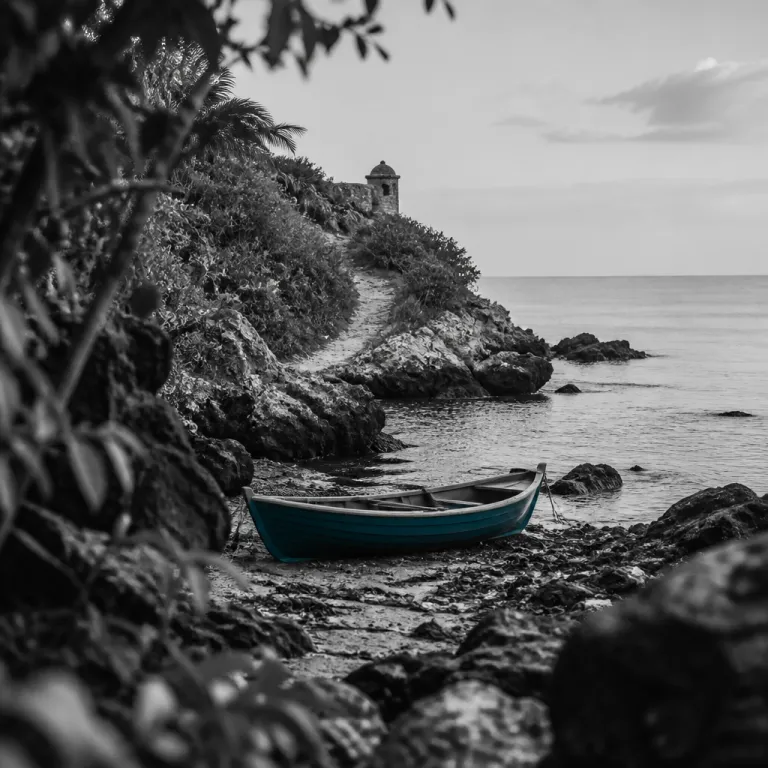
For travelers seeking truly unique things to do in Puerto Rico, the quietest stretches of coast offer rare calm. Along the southwest of the island, the headlands near Cabo Rojo and Playa Sucia hide small coves where the sand is pale and the sea stays glassy, even when other beaches feel crowded. This is the best area to plan a slow day, combining a scenic trip along the cliffs and Cabo Rojo Lighthouse with a swim at a nearly empty beach that feels far from the usual Caribbean resort scene.
Cabo Rojo’s limestone formations create natural barriers, so each beach cove feels like a separate place with its own character. You can visit one small bay for a morning swim, then walk or drive a short distance to another cove where the water deepens quickly and the sunset views over the wider Caribbean are exceptional. Many Puerto Rican families come here on weekends, but midweek you may share the sand with only a few local fishers who know these shores well and can point out safe entry points and calmer corners; one longtime resident described the area simply as “our quiet backyard by the sea.”
Reaching these hidden beaches often counts among the most fun things for independent travelers who enjoy a little effort. The roads can be narrow and sometimes unpaved, so allow extra time for the drive from San Juan or Ponce and avoid rushing your trip, especially if you are not used to rural Puerto Rico. When you visit Puerto Rico’s lesser known coasts, carry water, respect private land, and leave no trace, because these quiet places stay beautiful only when visitors treat them gently and follow local signage about parking and access.
Bioluminescent bays and night tours away from the crowds
Among the most unique things to do in Puerto Rico, a guided paddle on a bioluminescent bay feels almost unreal. These rare ecosystems glow when microscopic dinoflagellates are disturbed, and local tour operators treat them as living laboratories rather than theme parks. When asked, marine guides often explain to guests that these glowing lagoons are fragile and need careful protection from pollution, excessive boat traffic, and bright lights that disrupt the organisms.
While many visitors focus on the most famous bioluminescent bay near San Juan, quieter options exist on the islands and along the main coast. Mosquito Bay in Vieques, for example, usually involves small groups, soft spoken local guides, and strict rules about not using bright lights or sunscreen that can harm the water. These experiences show why eco tourism companies and local tour guides have become central actors in Puerto Rico’s sustainable travel scene, often working with scientists and community groups to monitor water quality.
Planning a night on a bioluminescent bay requires attention to tides, moon phases, and weather, so book with reputable Puerto Rican operators who provide clear safety briefings and use non motorized kayaks whenever possible. Many travelers pair a day on a calm beach with an evening kayak tour, turning a single day into a layered trip that feels both relaxing and educational. For readers interested in other quiet coastal escapes, the approach is similar to choosing lesser known coves in another beach region; look for small scale operators, capped group sizes, and a clear respect for local ecosystems.
El Yunque’s secret pools, rainforest trails, and wild river corners
El Yunque National Forest, often called the Yunque rainforest, is one of the most famous green spaces in Puerto Rico, yet many visitors only see a few crowded viewpoints. Travelers who want more unique things to do in Puerto Rico can seek out lesser known river pools and side trails, always staying within marked areas of the national forest. Rangers confirm that it is safe to hike in El Yunque with proper precautions, which means checking weather, wearing sturdy shoes, and respecting closures after heavy rain or storms.
One of the most atmospheric spots is Charco Hippie in Naguabo, a deep natural pool framed by smooth boulders and dense forest. Reaching this place requires a careful drive along local roads and a short walk, so it suits travelers who are comfortable with a more independent style of trip and who understand that safety comes before the perfect instagram post. When you swim here, you feel the cool mountain water that has flowed through the Yunque rainforest for centuries, and the experience contrasts sharply with the warmer Caribbean sea along the coast and the busier resort pools near San Juan.
Guided hikes with local Puerto Rican experts can help you understand the plants, birds, and cultural stories that shape this landscape. One guide described the forest at dawn as “a choir of coquí frogs and birds waking up together,” a reminder that this is a living ecosystem rather than just a scenic backdrop. Some travelers combine a morning in the Yunque National Forest with an afternoon food stop in a nearby town such as Luquillo or Río Grande, turning the day into a balanced mix of nature and local cuisine. This pattern of pairing quieter natural sites with refined urban experiences also works in other destinations, especially for travelers who prefer atmosphere, local stories, and slow exploration over crowded viewpoints and rushed checklists.
Old San Juan’s hidden corners, fortresses, and quiet viewpoints
Old San Juan is rarely described as off the beaten path, yet even here you can find unique things to do in Puerto Rico by stepping away from the main cruise ship streets. Early in the morning or late in the day, the alleys behind the major plazas feel almost residential, and you can sense how Puerto Rican life unfolds beyond the postcard façades. These hours are the best time to walk slowly, notice details, and enjoy the city without the heat and crowds that build around midday.
The twin fortresses of Castillo San Felipe del Morro and Castillo San Cristóbal dominate the skyline, but their less visited corners offer quiet spaces. On the outer walls of San Cristóbal, for example, you can stand almost alone and watch waves crash against the rocks, while the grassy fields near El Morro become a relaxed place for local families flying kites. Many travelers consider these moments among the most memorable things in San Juan, because they reveal the city as a living community rather than only a historic set piece managed for visitors.
When planning your visit to Puerto Rico’s capital, allow at least one full day to wander without a fixed tour schedule. You might pause for simple street food, then slip into a shaded courtyard where an Old San Juan doorway frames the sea, or step into a small gallery that feels far from the main shopping streets. If you enjoy this slower style of urban exploration, you may also appreciate planning a similar elegant route beyond the crowds in another small city, where the focus rests on atmosphere rather than checklists.
Vieques, sea turtles, and low key Caribbean island life
For many travelers, the small island of Vieques represents the purest expression of slow Caribbean time within Puerto Rico. The beaches here range from wide, pale arcs to tiny coves framed by rocks, and some remain almost empty even on sunny days. Spending several days on Vieques allows you to experience unique things to do in Puerto Rico at a gentler pace, from early swims to unhurried evenings under bright stars and the occasional glow of the nearby bioluminescent bay.
Local guides on Vieques often lead small group excursions focused on sea turtles, coastal ecology, and the island’s complex history. Responsible operators follow strict guidelines, keeping a respectful distance from nesting sites and explaining how visitors can support conservation during their trip. These tours feel different from mass market excursions, because the emphasis lies on understanding the place rather than rushing through a list of fun things to photograph for a quick post shared online or a fleeting social media story.
When you travel to Vieques, plan your logistics carefully, because ferry schedules from Ceiba and small plane seats from San Juan or Isla Grande can fill quickly during busy periods. Many visitors rent a simple car or jeep to reach more remote beach areas, carrying their own water and snacks so they can stay longer without disturbing the environment. This style of visit suits readers who value quiet, who enjoy simple Puerto Rican food in local cafés, and who prefer an authentic island rhythm over a tightly programmed resort stay with constant activities.
Practical guidance for off the beaten path trips across Puerto Rico
Planning unique things to do in Puerto Rico beyond the usual highlights requires a balance of spontaneity and structure. The Puerto Rico Tourism Company has reported that around four million people visit the island annually, so stepping away from the busiest routes can transform your experience. To do this well, think in terms of timing, local partnerships, and your own impact on the places you enter, especially in small coastal communities and mountain towns.
Start by choosing a few anchor regions, such as the Yunque rainforest, the southwest near Cabo Rojo, and the offshore islands like Vieques, then allow flexible days within each area. Work with local tour guides and small Puerto Rican businesses, because they understand seasonal changes, road conditions, and which trails or beaches are currently in the best shape. Many eco tourism companies now combine adventure with culture, offering trips that include both a guided hike in a national forest and a home style food experience in a nearby town or family run restaurant.
Before you travel, check weather forecasts, book key tours in advance, and read recent visitor feedback rather than relying only on an old instagram post. When you arrive, respect local customs, keep noise low in residential areas, and remember that fragile sites like bioluminescent bays and sea turtle nesting beaches depend on visitor restraint. This thoughtful approach ensures that the great places you enjoy today will remain intact for future travelers who also seek quieter corners of Puerto Rico and want to support the communities that care for them.
Key figures for off the beaten path travel in Puerto Rico
- The Puerto Rico Tourism Company reports around 4 000 000 annual tourists, which makes choosing less known regions essential for travelers who want quieter beaches and trails.
- Puerto Rico has three bioluminescent bays, a concentration that is rare globally and underscores the need for strict environmental protections during night tours.
- Eco tourism and adventure travel have grown steadily in Puerto Rico, supporting local guides and small operators who focus on low impact trips in places like El Yunque and Vieques.
- Year round travel is possible across the island, but visitors should always check seasonal weather patterns, especially during the wetter months when some forest trails may close.
FAQ about unique and quieter experiences in Puerto Rico
What are bioluminescent bays and where can I see them in Puerto Rico ?
Bioluminescent bays are water bodies that glow due to microorganisms, and Puerto Rico has three of them. Travelers can experience these rare ecosystems on guided kayak or boat tours, often from Vieques or coastal towns on the main island. Reputable operators limit group sizes and follow strict rules to protect the delicate marine environment, including avoiding chemical sunscreens and bright flashlights.
Is it safe to hike in El Yunque National Forest when traveling independently ?
It is safe to hike in El Yunque when you follow marked trails, check weather conditions, and respect any closures announced by rangers. Independent travelers should wear proper footwear, carry water, and avoid river crossings after heavy rain. Those who prefer more structure can join guided hikes led by local experts familiar with the Yunque rainforest and current trail conditions.
Can I visit Mona Island during my trip to Puerto Rico ?
Visitors can reach Mona Island only with a permit, because it is a protected natural reserve with limited infrastructure. Specialized tour operators sometimes organize expeditions for experienced travelers who are comfortable with basic conditions and strict conservation rules. This type of trip suits those who already know Puerto Rico well and want a very remote Caribbean experience that involves camping and careful planning.
How can I find quieter beaches near San Juan and other popular areas ?
To find calmer beaches near San Juan, travel slightly beyond the main urban strip and ask local residents or guides for less publicized spots. Renting a car and visiting coastal areas early in the day often helps you avoid crowds. Always respect private property and local regulations, especially in residential neighborhoods and near protected dunes and turtle nesting zones.
What should I consider when booking eco friendly tours in Puerto Rico ?
When booking eco friendly tours, look for operators who cap group sizes, explain safety and environmental guidelines clearly, and work with local communities. Check whether they avoid single use plastics, respect wildlife distances, and support conservation projects in places like bioluminescent bays or sea turtle nesting areas. Reading recent traveler feedback and asking direct questions about their practices will help you choose responsible partners for your Puerto Rico itinerary.