Why kanab attractions belong on every off route itinerary
Kanab sits in southern Utah between several major national parks, roughly 80 miles from Zion National Park and about 75 miles from the North Rim of Grand Canyon National Park via seasonal roads. This small city still feels like a frontier outpost, yet Kanab attractions now anchor some of the best low key desert experiences in the region. Many travelers rush along the main highway toward Zion or Bryce Canyon and miss the quieter trails, historic streets and community projects that give Kanab Utah its character.
The town’s position between Zion National Park, Bryce Canyon National Park and the North Rim of Grand Canyon National Park makes it a strategic base for a multi day trip. From one compact area you can reach a slot canyon before breakfast, a coral pink sand dunes overlook by afternoon and a historic museum or animal sanctuary before sunset. Local tourism partners and the National Park Service support guided tour options, but self guided exploration with a good map or offline navigation app often reveals the most atmospheric corners of this desert town.
For travelers interested in cultural wonders rather than only dramatic canyon landscapes, Kanab attractions include the Kanab Heritage House Museum and nearby film locations that shaped the town’s identity. The museum, typically open several days a week in the afternoon (hours vary seasonally, so check locally), sits in a restored Victorian era home and offers guided tours that explain how this once isolated area became a backdrop for Western films and a crossroads for national parks tourism. When you walk the quiet grid of streets after a day of hiking, the contrast between cinematic history, present day calm and the glow of red rock cliffs becomes part of Kanab’s appeal.
Historic Kanab and the heritage of a desert crossroads
Kanab’s historic core is compact enough to explore on foot in a single day, with most key sites clustered within a few blocks of Center Street. Start with a visit to the Kanab Heritage House Museum, where period furniture, photographs and guided storytelling frame the town’s role as a supply hub for early national park expeditions. The museum team often fields the same practical questions from visitors, including “What is the best time to visit Kanab?” and their answer is clear and consistent: spring and fall offer mild weather and fewer crowds, while summer brings hotter temperatures and busier trails.
From the museum, follow the main road toward the old film sets and plaques that reference the era when Kanab Utah was known as “Little Hollywood.” These historic landmarks may not rival the scale of Bryce Canyon or Zion National Park, yet they offer context for how tourism, ranching and conservation shaped this area. When you compare these quiet streets with more famous destinations such as Positano, guides that focus on things to do beyond the usual route help frame Kanab as part of a wider movement toward slower, more reflective travel that values local stories as much as iconic viewpoints.
Historic Kanab also connects directly to the story of nearby protected lands, because early residents advocated for access roads and supported visiting scientists and park rangers. Walking between heritage buildings, you can trace how the town’s fortunes rose with each new national park designation in southern Utah. This human narrative turns a simple visit into a layered experience, especially for travelers who value cultural depth as much as scenic slot canyon photographs, and it explains why Kanab continues to invest in museums, interpretive signs and community events.
Best off the beaten path trails and slot canyons near Kanab
Beyond the town grid, the surrounding desert offers some of the best lesser known hiking routes in the region. Many visitors focus on marquee names such as Antelope Canyon or Horseshoe Bend, yet the slot canyon options closer to Kanab often feel quieter and more intimate. Short drives on graded road surfaces lead to trailheads where a single trail can deliver sand, slickrock and sculpted narrows in one compact hike, often in two to four hours depending on route and conditions.
One classic example is the hike into Buckskin Gulch, often described as one of the longest continuous slot canyons in the world. Sections of this slot canyon can be reached on a moderate day hike from trailheads within driving distance of Kanab Utah, though flash flood risks mean you must check weather, carry proper gear and obtain any required permits from land managers before setting out. Another rewarding trail leads to the Toadstool Hoodoos, where wind carved formations rise from pale sand and create a natural sculpture park that rivals more famous national parks for photographic drama while remaining accessible on a short, family friendly walk.
Travelers who appreciate authentic, less crowded routes in other countries often respond strongly to these Kanab area hikes. If you enjoyed exploring hidden streets in Antigua Guatemala with the help of an authentic off the beaten path guide, you will likely value the same balance of structure and spontaneity on Kanab’s desert trails. Use official maps, speak with the local tourism office or visitor center in town and consider a guided tour for your first slot canyon outing, then build confidence for more independent hiking in this complex landscape where route finding, weather awareness and realistic timing matter.
Sand caves, coral pink dunes and other quiet desert spectacles
Some of the most atmospheric Kanab attractions combine geological oddities with a sense of solitude. The sand caves just outside town, carved into a sandstone cliff above the highway, offer a short but steep hike that rewards you with sweeping views over the valley and the town below. Arrive early in the day to avoid harsh light on the sand, bring footwear with good grip for the sloping approach and plan extra time for careful footing on the final traverse into the caves.
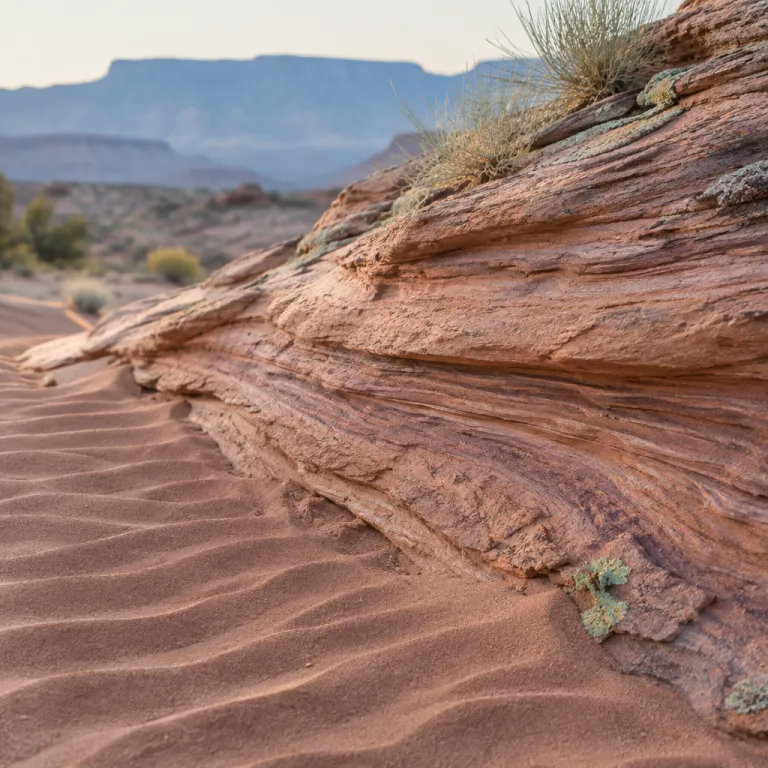
Further south, Coral Pink Sand Dunes State Park showcases coral pink sand dunes shaped by wind funneled through a notch between plateaus. This state park sits within easy driving distance of Kanab Utah and offers both designated hiking routes and open sand areas where you can walk freely, though staying on established access points helps protect fragile vegetation and reduces erosion. The pink sand under low angled light creates a subtle color shift that feels very different from the stark white dunes found in other national parks, and sunset here can be a highlight of a multi day Kanab based itinerary.
Other lesser known sites include the Belly Dragon cave, a short slot like tunnel in a sandstone fin that children often love, and the remote White Pocket area on the Paria Plateau. White Pocket requires a high clearance vehicle and careful navigation on sandy road sections, so many travelers choose a guided tour from Kanab rather than risk getting stuck in deep sand or facing a long walk out. These landscapes reward patience and respect, offering a quieter counterpart to the more crowded viewpoints at Horseshoe Bend or the boat ramps of Lake Powell, and they illustrate why Kanab appeals to travelers who prefer low key adventures.
Linking Kanab with Zion, Bryce Canyon and Lake Powell without the crowds
Kanab’s greatest strategic advantage lies in its position between several headline national parks. From a single base in Kanab Utah you can plan a multi day trip that includes Zion National Park, Bryce Canyon National Park and side excursions toward Lake Powell, while still returning each evening to a calmer town atmosphere. This approach reduces constant packing and unpacking, and it allows you to choose the best park for each day’s weather, road conditions and crowd patterns rather than locking into a rigid schedule.
For example, you might spend one day on a classic Zion National Park trail such as Canyon Overlook or a riverside walk, then choose a quieter hike near Kanab the next day to balance the intensity. Another day could focus on Bryce Canyon’s rim viewpoints, followed by a sunset walk among local sand dunes or a short slot canyon near town. By alternating major national parks with smaller Kanab attractions, you create a rhythm that feels sustainable rather than exhausting and leave space for spontaneous stops at viewpoints, trailheads or small cafes.
Travelers who care about the moment a hidden destination stops feeling hidden will appreciate thoughtful planning resources that explore how to visit responsibly. Applying that mindset in southern Utah means visiting iconic places like Horseshoe Bend or Antelope Canyon at off peak times, then spending the rest of the day on lesser known trails or cultural sites. In practice, this strategy spreads your impact across a wider area and supports smaller local businesses in Kanab rather than concentrating all spending at gateway towns beside each national park entrance, which helps maintain the town’s off route character.
Best Friends Animal Sanctuary and Kanab’s evolving travel ethos
Among all Kanab attractions, Best Friends Animal Sanctuary stands out as both a cultural landmark and a model for ethical tourism. Located in a dramatic canyon just north of town, this sanctuary is recognized as the largest no kill animal shelter in the United States and welcomes around 30,000 visitors each year according to Best Friends Animal Society figures. Many travelers plan an entire day here, combining a guided tour with volunteer activities and short hikes on surrounding trails that showcase the red rock setting.
The sanctuary’s presence has shaped Kanab Utah in subtle but significant ways, attracting visitors who care about animal welfare, eco tourism and community engagement. This aligns with broader trends such as the growing popularity of pet friendly travel and the desire to connect with meaningful projects rather than only ticking off national parks on a list. When you walk through the sanctuary’s canyon setting, the combination of red rock, soft sand and quiet animal enclosures feels very different from the bustle of a typical park visitor center and encourages a slower pace.
Kanab’s population remains under 5,000 residents—4,683 people according to the United States Census Bureau’s most recent published estimate for the city—yet the town now hosts travelers from around the world who come for both nature and values driven experiences. Local partners collaborate with the National Park Service and regional land managers to balance access with preservation, using tools such as interactive mobile apps for self guided tours and clear safety messaging about slot canyon risks. For off the beaten path travelers, this blend of small town scale, serious conservation work and proximity to world class landscapes makes Kanab one of the best bases in southern Utah for a thoughtful desert journey.
Practical tips for planning an off route Kanab itinerary
Thoughtful planning turns a simple list of Kanab attractions into a coherent, low stress itinerary. Start by deciding how many days you can spend in the area, then assign each day a primary focus such as a national park, a slot canyon hike or a cultural site in town. This structure helps you avoid rushing between too many things and leaves space for unplanned stops along the road, whether that means a roadside viewpoint, a local bakery or a last minute museum tour.
Safety deserves equal attention, especially if you plan to hike in sand, explore a slot canyon or drive unpaved road sections toward places like White Pocket. Always check weather forecasts for the wider region, because storms many kilometres away can still trigger flash floods in Buckskin Gulch or other narrow canyons near Kanab Utah; the National Park Service and local land agencies consistently warn that water levels can rise suddenly in confined spaces. Wear sturdy footwear, carry more water than you think you need, pack sun protection and let someone know your planned trail and expected return time before heading into remote areas.
Finally, consider how your visit can support the long term health of this desert community and its surrounding landscapes. Choose guided tour operators who respect park regulations, stay on established trails in sand dunes and slot canyons and allocate time for low impact activities such as museum visits or quiet walks through town. When you treat Kanab and its national parks network as a living cultural landscape rather than a checklist of Instagram spots, your trip becomes richer and the things Kanab offers remain special for the next wave of curious travelers who follow your route.
Key figures that shape Kanab’s off the beaten path appeal
- Kanab’s resident population is approximately 4,683 people according to the United States Census Bureau, which means visitor numbers during peak seasons can temporarily exceed the number of locals and amplify the importance of respectful tourism.
- Best Friends Animal Sanctuary welcomes around 30,000 visitors each year based on figures reported by Best Friends Animal Society, making it one of the most visited single Kanab attractions and a major driver of values based travel to the area.
- Kanab serves as a central hub between at least three major national parks within a few hours’ drive, giving travelers efficient access to Zion National Park, Bryce Canyon National Park and the North Rim of Grand Canyon National Park from one base.
- The region offers year round tourism potential, with spring wildflower blooms, summer hiking and festivals, mild autumn weather and occasional winter snow that transforms nearby canyon and sand dune landscapes into quieter, more contemplative scenes.
FAQ about Kanab attractions and off route travel
What is the best time to plan a Kanab based trip ?
Spring and autumn generally offer the most comfortable temperatures for hiking and exploring Kanab attractions. These seasons also bring fewer crowds to nearby national parks compared with peak summer months, when midday heat can make exposed trails challenging. Winter can be beautiful but requires preparation for snow and colder nights, especially on higher elevation trails and scenic drives that may close temporarily after storms.
Are there guided tours available for slot canyons and remote areas ?
Yes, several Kanab based operators run guided tours to slot canyon sites, sand dunes and remote formations such as White Pocket. Guided options are strongly recommended for areas with deep sand, complex road networks or flash flood risk, including Buckskin Gulch and certain side canyons, because local guides monitor conditions closely and know safe exit routes. Many tours include transport, safety gear and interpretive commentary about geology and local history, which can be especially helpful on a first visit.
Is Kanab suitable for family travel with children ?
Kanab works very well for families, because you can mix short hikes, sand play areas and educational visits. Children often enjoy the Belly Dragon tunnel, the sand caves above town and the accessible viewpoints at Coral Pink Sand Dunes State Park. Best Friends Animal Sanctuary also offers family friendly tours that introduce younger visitors to animal welfare in an engaging way, and many in town restaurants and accommodations are used to hosting multi generational groups.
How many days should I spend in Kanab to see the main highlights ?
A minimum of three full days allows you to sample a mix of Kanab attractions, including one major national park, a slot canyon hike and time at Best Friends Animal Sanctuary or the Heritage House Museum. With five to seven days you can add Bryce Canyon, Lake Powell viewpoints and more remote hikes without feeling rushed or driving long distances every day. Longer stays also give you flexibility to adjust plans for weather or trail conditions and to include rest days in town.
Do I need a four wheel drive vehicle to explore the Kanab area ?
You can reach many key sites, including Coral Pink Sand Dunes State Park, Toadstool Hoodoos and several trailheads, with a standard vehicle in good weather. However, deep sand and rough road sections on routes to White Pocket or certain backcountry slot canyons require high clearance and sometimes four wheel drive, and rental car agreements may restrict travel on unpaved roads. When in doubt, consult local tourism offices or choose a guided tour rather than risking vehicle damage or getting stuck far from help.
References
- Best Friends Animal Society – official information on Best Friends Animal Sanctuary and visitor statistics.
- National Park Service – official sites for Zion National Park, Bryce Canyon National Park and Grand Canyon National Park, including safety guidance on flash floods and slot canyon travel.
- United States Census Bureau – demographic data for Kanab city and Kane County, Utah, including the most recent published population estimate of 4,683 residents.