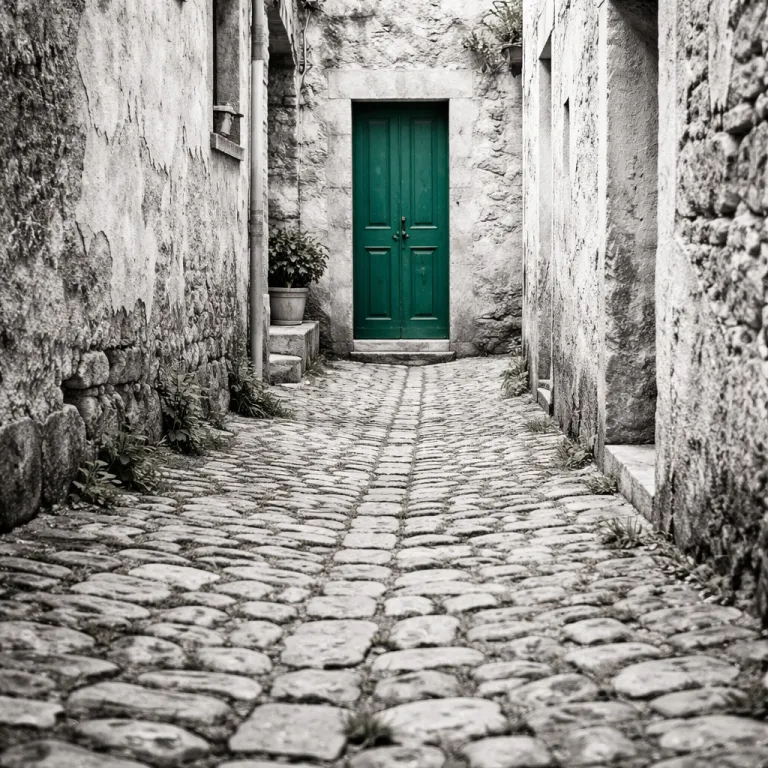
Slow travel as a deliberate act of resistance
Speed has become the default setting for almost every kind of trip. The rise of slow, intentional tourism pushes back against that reflex, asking travelers to trade bucket lists for a gentler pace and deeper attention. This is not nostalgia for some imagined golden age of tourism; it is a practical strategy for people who want their vacation to feel more like life and less like work.
Slow travel began as a niche movement, but it has evolved into one of the defining global travel trends. Industry data now shows a clear shift as modern travelers seek meaningful experiences over rapid sightseeing, and a 25% increase in slow travel bookings projected for 2026 in the World Travel & Tourism Council’s Global Leisure Travel Outlook illustrates how this approach is moving from fringe to mainstream. When you look closely at how Americans and other travelers actually move through destinations, you see that fast travel often leaves them exhausted, while longer stays and a slower pace quietly restore their sense of curiosity.
At its core, slow travel is a commitment to longer stays, fewer destinations, and deeper ties with local communities. This approach to sustainable travel reduces decision fatigue, because travel allows you to stop optimizing every itinerary day and instead notice the rhythm of local life around you. The benefits slow travelers report most often are not dramatic experiences, but small, meaningful encounters with local people, local culture, and nature that would never fit into a tightly scheduled tour.
For Americans used to short, high-intensity trips, this shift can feel radical. Many American professionals are conditioned to treat every vacation like a project, with work-style planning, color-coded lists, and a frantic race through attractions that mirrors their office life. Slow travelers choose something different: they accept that travel slow means missing some sights so that the travel experience they do have can actually breathe.
The benefits of this intentional way of traveling extend far beyond the traveler. When people commit to longer stays, they spend more time and money in local businesses, which supports local communities in ways that a quick stop from a cruise ship never will. Environmental studies now show that a 15% reduction in carbon footprint per traveler is achievable when people cut flights, embrace sustainable travel, and let time work in their favor, as outlined in the International Council on Clean Transportation’s 2025 Low-Carbon Journeys Report.
Slow travel also changes how we think about off-the-beaten-path destinations. Instead of chasing the latest viral viewpoint, travelers learn to find value in places where the map runs out and a local points them toward a farm track, a family-run café, or a quiet riverbank. In a 2025 interview for the European Rural Tourism Survey, guesthouse owner Ana Martins in northern Portugal observed, “When visitors stay a week, they stop asking for the top ten sights and start asking about our stories.” That is where meaningful experiences accumulate, not as a checklist, but as a series of grounded encounters that slowly reshape how you understand tourism, nature, and your own life.
From micro breaks to longer stays : why depth beats distance
Short, frantic trips have been marketed to Americans and Europeans for years as efficient ways to “fit in” travel. Advocates of slow, intentional tourism argue that these micro breaks often deliver more fatigue than joy, because fast travel fragments your attention and scatters your energy. When you stretch a vacation into longer stays in fewer places, you give your mind and body the time they need to adjust, notice, and connect.
Slow travelers often describe a turning point on day four or five of a stay, when the initial novelty fades and a different kind of travel experience begins. That is when you start to recognize faces at the market, understand the unwritten rules of local culture, and sense how local communities actually function beyond the tourist façade. This is also when sustainable travel stops being an abstract concept and becomes a lived experience of buying food and drink from the same vendors, learning their names, and seeing how your presence fits into their daily work.
There is a strong environmental argument for this shift toward longer stays. Fewer flights and slower itineraries reduce emissions, while extended stays concentrate your spending in one place, which amplifies the benefits for local communities and small businesses. When tourism revenue is not just a passing wave but a steady current, people have more incentive to protect nature, maintain cultural heritage, and invest in experiences that favor cultural immersion over volume.
Intentional tourism also reframes what counts as a “good” itinerary day. Instead of racing through five attractions, a slow travel day might include a morning walk with a local guide, an afternoon helping with light work on nearby farm stays, and an evening cooking lesson that reveals how food and drink rituals encode local cultures. Travel allows this kind of layered experience only when you stop trying to optimize for distance covered and start optimizing for attention paid.
For Americans used to measuring success in productivity metrics, this can feel counterintuitive at first. Yet the benefits slow travelers report are tangible: better sleep, richer conversations, and a sense that their travel trends now align with their values around sustainable travel and community impact. This is where intentional tourism intersects with regenerative thinking, as explored in depth in our piece on how regenerative travel is rewriting the rules of tourism, which shows how staying longer and engaging more deeply can actively improve the places you visit.
Off-the-beaten-path destinations are particularly well suited to this model of travel slow. Rural valleys in northern Portugal, small islands in the Aegean, or mountain villages in northern Vietnam reward people who give them time, because their charms are cumulative rather than spectacular. In May 2023, for example, a week-long stay in Ha Giang Province allowed one American couple to move beyond the famous mountain passes and spend three days in a Tay village homestay, joining rice planting and evening storytelling circles. Experiences like this invite travelers to treat such places not as backdrops for content, but as temporary homes where life unfolds at a slower pace and where the benefits of your presence can be felt long after you leave.
Designing an intentional slow travel itinerary
Planning for a slower, more mindful style of tourism requires a different mindset from conventional trip design. Instead of asking how many countries you can fit into ten days, ask how one place might feel after ten days of unhurried attention. A simple rule that works for many slow travelers is the one-week-one-place guideline, which anchors your itinerary day structure around depth rather than distance.
Start by choosing destinations where sustainable travel infrastructure already supports a slower pace. In Europe, dense train networks make it easy to travel slow between small cities and rural towns, while in Asia, long-distance rail lines and regional buses connect off-the-beaten-path hubs to major gateways. Once you arrive, resist the urge to overschedule; leave white space in your days so that local people, local culture, and unexpected experiences can shape your travel experience organically.
Accommodation choices matter enormously for intentional tourism. Family-run guesthouses, farm stays, and small design-forward lodgings often act as informal cultural interpreters, connecting travelers to local communities, seasonal food and drink, and lesser-known corners of nature. In Hanoi, for example, choosing a characterful stay in a lakeside neighborhood rather than the Old Quarter’s busiest streets can transform your relationship with the city, as explored in our guide to where to stay in Hanoi for character and calm.
Transport is another lever where the benefits slow travelers seek can be amplified. Trains, ferries, and even long-distance buses allow you to watch landscapes shift gradually, turning the journey itself into part of the travel experience rather than dead time between attractions. This slower pace also reduces the stress that often pushes people toward fast travel habits, creating space for meaningful experiences like conversations with fellow passengers or impromptu stops in small towns.
When you sketch your itinerary day by day, build in rituals that anchor you to place. A morning walk through the same market, an afternoon coffee at the same café, or a regular swim in the same stretch of water can make a foreign town feel briefly like home, which is one of the quiet benefits of slow travel. These routines also help Americans and other visitors move from spectator mode into participation, as they learn how local cultures structure their own time and work.
Finally, be honest about your own patterns and preferences. If you know that your default is to overplan, deliberately schedule unscripted hours where travel allows you to simply sit in a square, watch people, and let nature or city life unfold around you. This slower, more intentional way of traveling is not about moral superiority; it is about designing a travel life that feels coherent, sustainable, and generous to the places and people who host you.
Off the beaten path, on the record : community stories that matter
Some of the most powerful arguments for a slower pace of tourism come from communities far from the main tourist circuits. In the hills above Oaxaca, for example, Zapotec villages that once saw only passing buses now welcome slow travelers who stay for language classes, weaving workshops, and guided walks through protected nature reserves. These longer stays create space for cultural immersion that respects local culture rather than staging it for quick consumption.
Similar patterns are emerging in rural Japan, where abandoned farmhouses are being converted into simple guest spaces that host travelers for week-long farm stays. Guests help with light agricultural work, share food and drink at communal tables, and learn how local communities are adapting to demographic change and climate pressure. These experiences show how sustainable travel can support both economic resilience and cultural continuity when tourism is paced thoughtfully.
Americans often arrive in such places with a mental image shaped by social media, only to find that the reality is quieter, slower, and more demanding of their attention. Fast travel would skim across the surface of these villages, reducing them to a photo stop, but travel slow reveals the layered stories that make each community distinct. Over time, these meaningful experiences accumulate into a different kind of travel memory, one that centers people rather than landmarks.
Off the beaten path does not always mean remote, however. In Campeche, Mexico, the so-called Aztec monster mouth temple sits outside the standard resort circuits, yet it offers one of the region’s most striking encounters with pre-Columbian architecture and local cultures. Our in-depth feature on the architectural marvels in Campeche shows how intentional tourism can turn a single site into a full-day travel experience when you slow down enough to engage with guides, nearby neighborhoods, and the surrounding nature.
The benefits slow travelers bring to such communities are not just financial. When people stay longer, listen more, and return over multiple years, they become part of a feedback loop that encourages local leaders to prioritize sustainable tourism over extractive models. In 2022, for instance, a community-run guesthouse cooperative in the Oaxacan Sierra Norte reported that repeat visitors staying a week or more were directly funding trail maintenance and forest monitoring. This is where a slower style of travel intersects with broader travel trends around mental respite, quiet escapes, and algorithm-shaped itineraries that can either flatten or enrich our sense of place.
For the solo explorer, the invitation is clear. Choose destinations where your presence can support local communities, protect nature, and sustain local culture, then give those places the time they deserve. This is not a passing fad; it is a recalibration of what travel is for, and it asks each of us to align our vacations, our work rhythms, and our wider life with a pace that leaves room for genuine connection.
Key figures shaping the slow travel trend in intentional tourism
- Slow travel bookings are projected to increase by around 25% according to the Travel Industry Report 2026 (Global Leisure Travel Outlook, World Travel & Tourism Council), reflecting a significant shift toward longer stays and deeper engagement with local communities.
- An Environmental Travel Study from 2025 (Low-Carbon Journeys Report, International Council on Clean Transportation) reports a 15% reduction in carbon footprint per traveler when people choose fewer flights and embrace slower, ground-based transport options.
- Industry surveys, including Booking.com’s 2025 Sustainable Travel Report, show that a growing share of travelers are prioritizing sustainable travel, with extended stays and farm stays cited as effective ways to support local economies while reducing environmental impact.
- Travel trend analyses highlight a rise in “quiet escapes” and mental-respite-focused trips, indicating that people increasingly value a slower pace and meaningful experiences over destination counting.
- Tour operators and local partners report that travel allows more authentic cultural immersion when visitors commit to at least one week in a single place, rather than splitting time across multiple cities, and several operators now publish case studies documenting these outcomes.