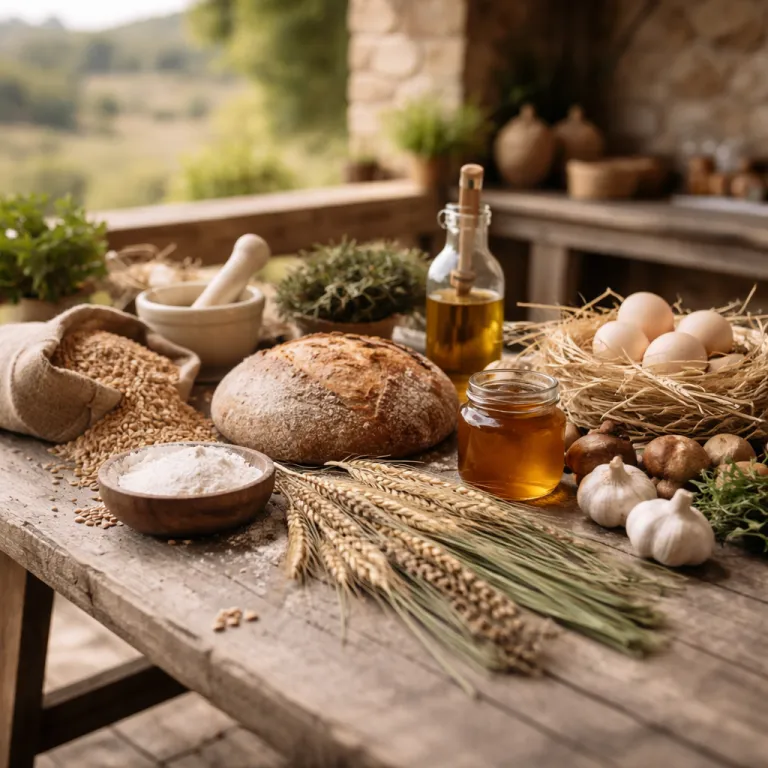
Tuscany’s farm kitchens and the art of slow days
In rural Tuscany, the most meaningful travel often begins before breakfast. You step into a stone farmhouse kitchen, still cool from the night, and the day opens with coffee, garden mud on your boots, and a quiet briefing on what the land is ready to give. By evening, that same room holds a small community of travelers and hosts, flour on everyone’s hands, and a table that feels earned rather than reserved.
These multi-day retreats are not staged tours of Italian cuisine; they are working kitchens where you harvest vegetables, wash them at an outdoor sink, and learn why a ragù takes hours, not minutes. Well-regarded operators such as Tuscan Women Cook near Montefollonico or La Cucina del Garga’s countryside workshops around Florence typically host groups of six to eight, with plenty of private time built into each day for walks among olive groves or a nap by the vines. Expect to work with local cooks rather than celebrity chefs, which keeps the focus on family recipes, seasonal rhythms, and the kind of immersion that quietly resets how you think about culinary travel.
On a typical day, you might pick tomatoes at 08.00, roll pici pasta by 11.00, and sit down to a long lunch by 14.00, with wine pairings explained in clear, unhurried English. Afternoons often bring olive oil tastings or short tours of nearby villages, where you see how this food culture shapes daily life beyond the farmhouse gate. For travelers used to luxury hotels, the real indulgence here is time and attention, not thread count, and the adventure lies in letting the kitchen, not a rigid itinerary, dictate the pace of your journey. A three to five night stay with shared farmhouse lodging, daily classes, and most meals typically starts around €1,800–€2,400 per pair, with bookings for September and October harvest weeks opening six to nine months in advance.
Lebanon’s mountain tables and the power of shared recipes
High in Lebanon’s Chouf and Bekaa Valley, cooking is less performance and more quiet resistance to forgetting. You arrive at a stone house above the terraces, and the first experience is not a formal tour but a seat at a low table, where someone’s grandmother is already sorting herbs for the day’s meal. The air smells of wild thyme and wood smoke, and the world beyond the valley feels deliberately far away.
Here, food is a living report on the land and its history, told through foraging walks and long conversations over coffee. You might spend the morning gathering za’atar on a hillside, then move into a courtyard kitchen to bake flatbreads in a clay oven, learning how preservation techniques once kept families fed through hard winters. Community-based initiatives such as Souk el Tayeb’s Beit El Qamar guesthouse in the Chouf or eco-lodges around Taanayel in the Bekaa offer small group sessions that work best when you arrive ready to listen more than you speak.
Many eco-lodges in these regions now run intimate programs, with private options for travelers who prefer a quieter journey into local culture. Expect to pay for the intimacy; a week of guided foraging, cooking, and homestay-style accommodation can rival mid-range luxury travel elsewhere, with typical packages running from US$1,400 to US$2,000 per person, but the value lies in the depth of connection. When you knead dough beside someone who has baked the same bread for decades, the encounter becomes less about conventional tourism and more about joining a story that was already in motion long before your trip began. Typical programs run five to seven nights, with two to three structured activities per day and seasonal pricing that peaks from late August through early October harvests.
Nordic forests, open fires and the craft of preservation
In Sweden and Norway, the most compelling culinary journeys happen far from city restaurants, in cabins where the pantry is the forest outside. You might start a day in damp moss, guided by a forager who points out chanterelles, lingonberries, and edible seaweed with the calm authority of someone who has walked this route since childhood. By afternoon, those finds become the raw material for fermentation workshops and open fire cooking sessions that feel both ancient and quietly radical.
These Nordic experiences are designed for travelers who want to understand why preservation is central to northern food culture. You will learn how to salt fish, smoke butter, and ferment vegetables in glass jars, building a practical skill set rather than a collection of restaurant reservations. In Sweden, outfits like Swedish Wild in Värmland or Taste by Wild in Bohuslän, and in Norway, small-scale guides around Hardangerfjord, often run three to five day retreats, with small groups sharing a cabin and at least one privately guided session to deepen your own sense of the craft.
Evenings tend to be unhurried, with long conversations around the fire about climate, seasonality, and what sustainable tourism can look like when the forest is both pantry and teacher. For travelers interested in regenerative approaches to travel, these cabins offer a living example of how low impact journeys can still feel richly indulgent. The adventure here is not adrenaline driven; it is the quiet satisfaction of hanging your own smoked fish, labeling your first jar of pickles, and realizing that this remote kitchen has changed how you will cook long after you return home. Expect per person pricing similar to a design hotel city break, usually between NOK 8,000 and NOK 12,000 or SEK 9,000 to SEK 13,000 for three nights including simple lodging, guiding, and shared meals, with the most sought after dates falling between late August and early October.
From Iberian cities to rural tables: when agencies get it right
Across the Iberian Peninsula, a new generation of operators is rethinking what a world experience can be. In Barcelona and Madrid, agencies like World Experience have built their reputation on turning passive tourism into active participation, using local guides and curated itineraries to connect visitors with working kitchens, vineyards, and neighborhood markets. Their own description is clear and worth repeating in full: “What services does World Experience offer? Innovative leisure and travel experiences focusing on cultural immersion.”
World Experience began in Barcelona, expanded to Madrid and Lisbon, and now uses experience design to link city breaks with rural food adventures. A journey in Barcelona might start with a morning market visit, continue with a hands-on paella session in a family kitchen, and end with a private tasting in a small winery in inland Catalonia. In Madrid, a carefully planned tour can move from traditional tabernas to contemporary kitchens, always with an emphasis on stories, not just plates, which turns a simple day of eating into a layered cultural report.
For travelers seeking more exclusive experiences, the most rewarding moments often sit just beyond the obvious postcard views. A short train ride from Barcelona can bring you to farmhouses where you help press olive oil, while a detour from Lisbon leads to fishing villages where you grill the day’s catch beside the people who landed it. When agencies treat culinary tourism as a partnership with local communities rather than a packaged product, the result is a quieter, more grounded adventure that still feels entirely worthy of a special trip. Half-day city experiences typically start around €80–€120 per person, while full-day city-to-countryside combinations, including tastings and transport, are usually priced closer to €260–€350 for two people.
Designing your own kitchen led journey around the world
Planning a kitchen centered trip starts with being honest about how you like to travel. If you thrive on structure, look for multi-day tours where each experience is clearly outlined, from market visits to cooking sessions and shared meals. Travelers who prefer more open days can instead anchor their journey with just one or two committed experiences, leaving space for spontaneous invitations and unplanned detours.
Skill level matters less than curiosity, because most hosts design their experiences for mixed ability groups. You might share a table with seasoned home cooks and complete beginners, yet everyone leaves with a deeper understanding of how food, community, and culture intersect in that particular corner of the world. For pairs who value focused time together, a private session can be worth the extra cost, especially when you want time to ask detailed questions or adapt recipes to your own kitchen back home.
Budget wise, expect a week long program with accommodation, instruction, and most meals to range from mid-market to entry-level luxury travel pricing, often between US$2,500 and US$4,000 per person depending on location and group size. Solo travelers often find that small group formats offer built in community, while duos may prefer quieter retreats with fewer participants. Whatever you choose, the most meaningful memories rarely come from ticking off famous restaurants; they come from the quiet, flour dusted moments when someone hands you a family recipe and trusts you to carry it forward.
FAQ
How much cooking experience do I need for these trips?
Most culinary journeys are designed for mixed ability groups, so you do not need advanced skills. Hosts usually focus on simple, foundational techniques that anyone can learn in a day. What matters most is curiosity, patience, and a willingness to participate fully in each experience.
When is the best time of year for food focused travel?
Seasonality shapes the quality of a kitchen based itinerary. In Tuscany and the Iberian Peninsula, late spring and autumn bring abundant produce and comfortable temperatures for outdoor work. Nordic and Lebanese mountain regions reward late summer and early autumn visits, when foraging and preservation activities are at their peak.
Are these trips suitable for solo travelers as well as couples?
Yes, many programs welcome both solo travelers and couples, often within the same small group. Solo guests tend to appreciate the built in community of shared kitchens and long tables. Couples sometimes add a private session or two for more focused instruction and quieter time together.
How can I be sure my visit benefits the local community?
Look for operators who partner with local families, farmers, and small producers, and who are transparent about where your money goes. Agencies that emphasize cultural immersion, fair pay, and long term relationships usually create more positive impact. Asking direct questions before you book is a simple way to gauge their commitment.
What should I pack for a multi day cooking retreat?
Comfortable clothing that can handle flour, smoke, and occasional rain is essential. Closed shoes, a light apron, and a notebook for recipes will serve you better than formal outfits. In rural or mountain regions, layers and a waterproof jacket keep you ready for garden work and foraging walks.