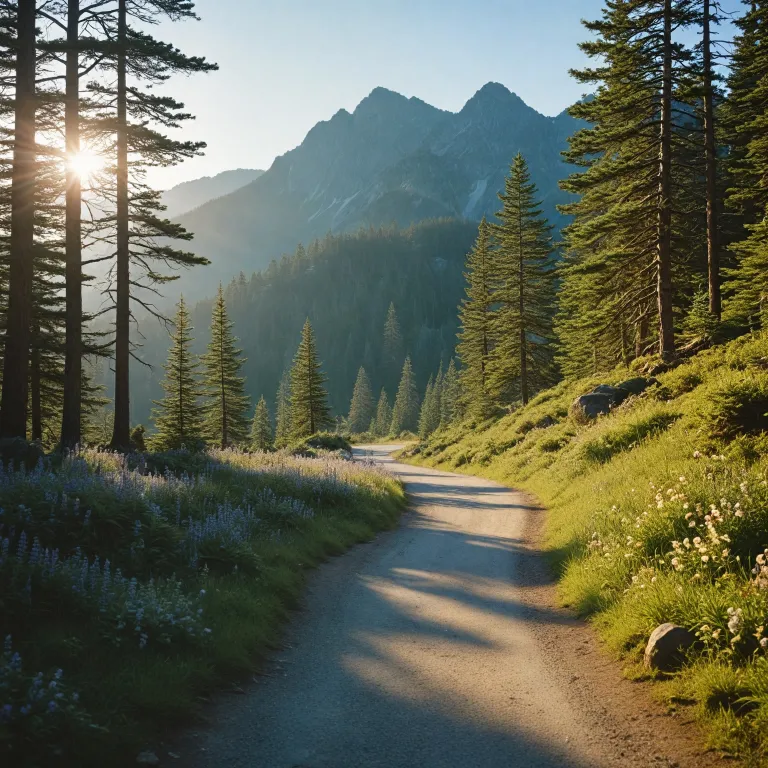
Planning your west coast national park road trip: essentials for an unforgettable journey
Embarking on a west coast national park road trip offers a rare opportunity to experience the region’s most captivating landscapes. From the volcanic peaks of Lassen Volcanic National Park to the lush rainforests of Olympic National Park, each stop along the drive reveals a new facet of natural beauty. Careful planning is crucial, as the west coast’s national parks span vast distances and diverse climates. Begin by mapping your route, considering the proximity of parks such as Yosemite National Park, Crater Lake National Park, and Mount Rainier National Park. The journey from San Francisco northward is particularly rewarding, with scenic drives leading to both iconic and lesser-known parks.
When preparing for your road trip, pack for variable weather and terrain. The trails in parks like North Cascades National Park and Kings Canyon National Park can range from gentle lakeside walks to challenging volcanic ascents. Secure your America the Beautiful National Park Pass in advance to streamline entry into multiple parks. Plan your stops at visitor centers, which provide essential updates on trail conditions, park regulations, and wildlife sightings. For overnight stays, research campgrounds within each national park, as reservations are often required, especially during peak travel times.
Driving between parks such as Joshua Tree National Park and Sequoia National Park, you’ll encounter dramatic shifts in landscape—from arid canyons to dense forests. Allocate time for spontaneous detours, as state parks and lesser-known trails often yield the most memorable moments. Remember, "Road conditions can change due to weather or maintenance. It's advisable to check the latest updates from Caltrans and the National Park Service before and during your trip." This advice ensures a safe and flexible journey, allowing you to fully immerse yourself in the west coast’s national and state park wonders.
Exploring volcanic wonders: crater lake, lassen volcanic, and mount rainier
The volcanic legacy of the west coast is vividly displayed in parks like Crater Lake National Park, Lassen Volcanic National Park, and Mount Rainier National Park. Crater Lake, renowned for its deep blue waters, sits within a caldera formed by a collapsed volcano. The rim drive around the lake offers panoramic views and access to numerous hiking trails. Each trail presents unique perspectives of the lake and surrounding volcanic formations.
Lassen Volcanic National Park is a geological marvel, featuring fumaroles, boiling springs, and cinder cones. The park’s trails lead to hydrothermal areas and the summit of Lassen Peak, where hikers are rewarded with sweeping vistas. Camping at one of the park’s campgrounds allows visitors to experience the park’s tranquility after day-trippers depart. Mount Rainier National Park, dominated by its namesake peak, offers a network of trails through wildflower meadows, ancient forests, and glacial valleys. The Paradise area is especially popular for day hikes, while the Sunrise visitor center provides access to high-elevation trails with breathtaking views of the north and south faces of the mountain.
Each of these volcanic parks emphasizes the importance of preparation and respect for natural forces. Weather can change rapidly, especially at higher elevations. Always check trail conditions at the visitor center before setting out. For those seeking more information on volcanic landscapes and hiking opportunities, the comprehensive guide to volcanic national parks offers detailed insights and practical tips for planning your visit.
Hidden lakes and waterfalls: tranquil escapes beyond the main routes
While the grand vistas of Yosemite National Park and the Grand Canyon National Park draw crowds, the west coast is dotted with serene lakes and cascading falls that reward those willing to venture off the main road. In Olympic National Park, the hike to Sol Duc Falls leads through moss-draped forests to a thundering waterfall. The park’s Lake Crescent offers crystal-clear waters ideal for kayaking or a peaceful lakeside walk.
North Cascades National Park is a haven for those seeking solitude among alpine lakes and rugged peaks. The trail to Blue Lake is a favorite for its wildflower displays and dramatic mountain reflections. In Oregon, the state parks surrounding Crater Lake National Park feature hidden gems like Toketee Falls and Watson Falls, each accessible via short but rewarding hikes. These lesser-known trails provide a chance to experience the west coast’s natural beauty without the crowds.
For travelers interested in exploring more secluded lakes and waterfalls, the hidden lakes and falls of the west coast resource offers curated recommendations. Remember to respect the environment by staying on marked trails and packing out all waste. The tranquility of these spots is preserved through responsible visitation, ensuring future generations can enjoy their pristine beauty.
Iconic canyons and ancient forests: from kings canyon to sequoia national
The canyons and forests of the west coast national parks are steeped in geological and ecological history. Kings Canyon National Park boasts one of North America’s deepest canyons, carved by the relentless force of the Kings River. The park’s scenic drive descends into the canyon, revealing towering granite walls and lush riverbanks. Hiking trails such as the Mist Falls Trail offer close encounters with cascading water and vibrant wildflowers.
Adjacent to Kings Canyon, Sequoia National Park is home to the world’s largest trees. The General Sherman Tree, accessible via a short trail, stands as a testament to the enduring power of nature. Campgrounds nestled among the sequoias provide a unique overnight experience, surrounded by ancient giants. The parks’ visitor centers offer interpretive exhibits on the region’s geology, flora, and fauna, enriching your understanding of these remarkable landscapes.
Exploring these parks requires careful planning, as elevation changes and winding roads can impact travel time. Allocate extra time for stops at scenic overlooks and trailheads.
Desert marvels: joshua tree, death valley, and the allure of the arid west
The arid landscapes of Joshua Tree National Park and Death Valley National Park offer a stark contrast to the forests and lakes further north. Joshua Tree’s unique geology and iconic yucca trees create a surreal environment for hiking, rock climbing, and stargazing. The park’s trails range from easy nature walks to challenging scrambles among massive boulders. Campgrounds within the park provide a base for exploring both the Mojave and Colorado desert ecosystems.
Death Valley National Park, the largest national park in the contiguous United States, is renowned for its extreme temperatures and dramatic scenery. The drive through the park reveals salt flats, sand dunes, and colorful canyons. Popular hikes include the Golden Canyon Trail and the trek to Badwater Basin, the lowest point in North America. Visitor centers offer essential information on weather conditions and safety precautions, as the desert environment demands careful preparation.
Travelers are advised to carry ample water, sun protection, and to avoid strenuous activity during the hottest parts of the day. The beauty of these desert parks lies in their vastness and silence, offering a profound sense of solitude. For those interested in the unique flora and fauna of the arid west, ranger-led programs at the visitor centers provide valuable insights into the adaptations that allow life to thrive in such challenging conditions.
Coastal wonders: redwoods, olympic national, and the magic of the pacific edge
The west coast’s national parks are not limited to mountains and deserts; the coastline itself is a treasure trove of natural wonders. Redwood National and State Parks in northern California protect the tallest trees on earth, as well as pristine stretches of Pacific coastline. Trails wind through ancient forests, leading to secluded beaches and tide pools teeming with marine life.
Olympic National Park in Washington encompasses a remarkable diversity of ecosystems, from rugged coastline to temperate rainforest and alpine peaks. The park’s coastal trails offer dramatic views of sea stacks and crashing waves, while the Hoh Rain Forest immerses visitors in a world of moss and ferns. Campgrounds near the coast provide an ideal base for exploring both the forest and the sea.
For those seeking a blend of forest, mountain, and ocean experiences, the west coast national park road trip delivers unparalleled variety. The proximity of parks like Olympic National and North Cascades National Park allows for multi-day adventures that traverse multiple landscapes. The visitor centers along the coast offer maps, tide charts, and information on wildlife viewing opportunities, ensuring a safe and enriching journey.
Practical tips and sustainable travel for your west coast national park adventure
Maximizing your west coast national park road trip requires attention to logistics and a commitment to responsible travel. Begin by checking park-specific regulations and making campground reservations well in advance. Many parks, including Yosemite National Park and Grand Canyon National Park, implement quotas for popular trails and campsites to preserve natural resources.
Embrace sustainable practices by minimizing waste, respecting wildlife, and staying on designated trails. The use of digital tools, such as the National Park Service app and GPS navigation, enhances trip planning and helps you stay informed about road closures and weather updates. "Be prepared for varying weather conditions and pack accordingly." This simple advice can make the difference between a comfortable journey and an unexpected challenge.
Support local communities by visiting nearby towns and purchasing supplies from local businesses. Allocate time for rest stops and refueling, especially in remote areas where services may be limited. By traveling thoughtfully and respecting the unique character of each park, you contribute to the preservation of these extraordinary landscapes for future generations.
Key statistics for west coast national park road trips
- There are 63 national parks in the United States, offering diverse landscapes and experiences.
- Annual visitors to U.S. national parks number 327.5 million, reflecting their enduring popularity.
- U.S. Route 101, a key artery for west coast road trips, stretches 2,478 kilometers along the Pacific coast.
Frequently asked questions about west coast national park road trips
What is the best time of year to embark on a west coast national park road trip?
Late spring to early fall is ideal, offering favorable weather and accessible park facilities.
Are there entrance fees for national parks along the west coast?
Yes, most national parks charge entrance fees. An America the Beautiful Pass can provide access to multiple parks.
Is camping allowed in these national parks?
Yes, camping is permitted in designated areas within the parks. Reservations are often required and can be made through the National Park Service website.
References:
National Park Service: https://www.nps.gov/
Caltrans: https://dot.ca.gov/
U.S. Forest Service: https://www.fs.usda.gov/