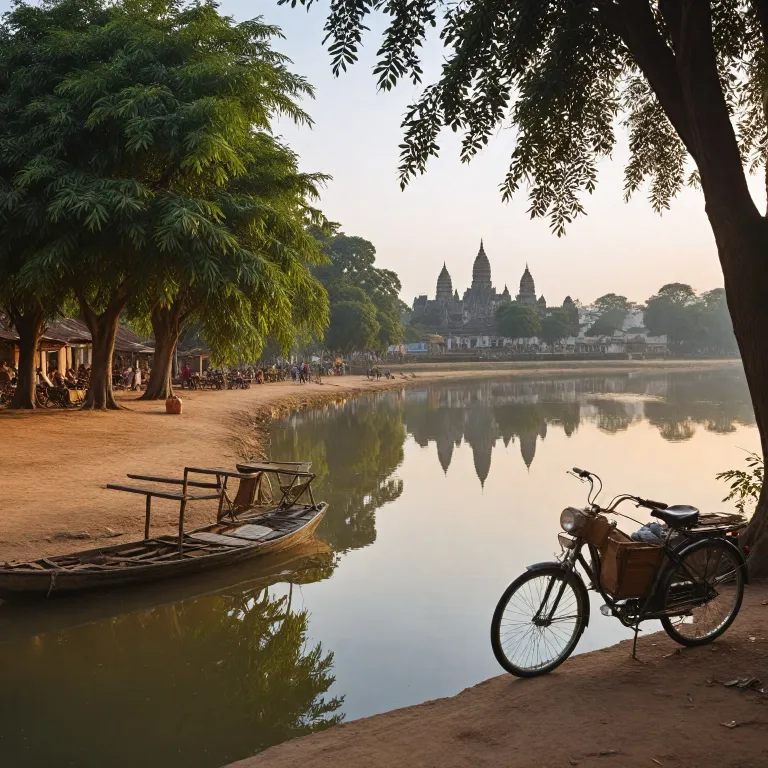
Slow travel in Vientiane Laos along the Mekong river
Vientiane may be a capital city, yet it feels unhurried and intimate. The best way to understand Vientiane Laos is to walk its riverfront paths at sunrise, when saffron robed monks collect alms and the Mekong river glows softly. This gentle rhythm shapes many of the most meaningful things to do in Vientiane for travelers seeking quieter experiences. Take your time along the promenade, watching local people practice tai chi while children cycle past and fishermen prepare their boats for the day. These simple moments become some of the best things for visitors who value atmosphere over checklists, especially when planning more than one day in Vientiane. As evening falls, the riverside transforms into a lively night market where lao food stalls perfume the air with lemongrass, charcoal, and grilled river fish. Sampling different dishes here is among the top things to do in Vientiane Laos, because you share plastic tables with families, students, and monks on errands. Try crispy laap, fragrant mok pa, and khao jee sandwiches, then wander deeper into the market for textiles and handmade crafts from across Laos. Many travelers combine visiting Vientiane with journeys to Luang Prabang or Vang Vieng, yet the capital rewards those who linger. Plan at least one full day Vientiane to explore temples, another to follow the Mekong river, and a final day to simply sit in cafés observing daily life. This slower approach reveals why laos Vientiane remains one of Southeast Asia’s most understated capitals. For off the beaten path explorers, thoughtful packing and preparation matter as much as planning activities. A detailed guide to packing essentials for remote journeys can help you stay comfortable while you stay Vientiane and roam its quieter neighborhoods.
Temples, stupas, and the spiritual heart of the city
Among the most atmospheric things to do in Vientiane is to explore its historic wats in the early morning. Begin at Wat Si Saket, commissioned by King Anouvong, whose graceful cloisters shelter thousands of Buddha images in fading niches. This temple offers a serene counterpoint to the busier streets of the city and invites unhurried contemplation. From here, walk towards That Dam, often called the black stupa, which rises mysteriously from a modest roundabout. Locals weave legends around this weathered structure, and both the singular black stupa and the surrounding stupas feel far removed from polished tourist circuits. Visiting Vientiane on foot between these sites allows you to notice small shrines, spirit houses, and quiet courtyards that rarely appear on lists of top things. Continue to other wat complexes scattered through Vientiane Laos, where monks sweep leaves and children play in the shade of frangipani trees. Each wat has its own character, and exploring several wats over a day Vientiane deepens your understanding of lao Buddhism and local customs. Dress modestly, carry a light scarf, and move slowly so you can appreciate the murals, carved doors, and drum towers. Many travelers compare these experiences with temple visits in Luang Prabang or even remote monasteries near Vang Vieng, yet Vientiane’s spiritual sites feel more woven into everyday life. When planning things Vientiane for a reflective itinerary, allow time to sit quietly in temple courtyards and watch people come and go. For those who love tranquil sacred spaces, this capital belongs on any list of remote and uncrowded cultural escapes in Southeast Asia, much like the tranquil island retreats highlighted in this guide to remote islands with no crowds.
Buddha Park and the art of surreal day trips from Vientiane
One of the most distinctive things to do in Vientiane is a day trip to Buddha Park. Created by Luang Pu Bunleua Sulilat, this riverside sculpture garden gathers more than 200 concrete statues of Buddha, Hindu deities, and mythical creatures. The result feels both spiritual and surreal, especially when mist rises from the nearby Mekong river. Reaching Buddha Park from the city usually involves a tuk tuk ride or a combination of local bus and short walk. This journey reveals another side of Vientiane Laos, passing small villages, roadside stalls, and fields where people tend crops at an unhurried pace. Many visitors consider this one of the best things for understanding how urban and rural Laos blend seamlessly. Once inside Buddha Park, climb the hollow pumpkin shaped structure for panoramic views over the statues and the river. The mix of serene Buddha figures and fantastical demons makes this site one of the top things for photographers and travelers who enjoy unconventional art. Plan at least half a day Vientiane for this excursion, including travel time and a relaxed stroll among the sculptures. Because Buddha Park lies close to the border, some travelers combine it with onward travel through Southeast Asia, while others return to stay Vientiane for another quiet evening. Whichever you choose, remember that “Number of statues in Buddha Park: 200 statues.” This single statistic hints at the scale of creativity on display and explains why visiting Vientiane without seeing this park would leave any itinerary incomplete.
Museums, memory, and understanding modern Laos Vientiane
Beyond temples and riverfront walks, thoughtful travelers often rank the city’s museums among the most meaningful things to do in Vientiane. The national museum, housed in a central building, traces the complex history of Laos from ancient kingdoms to modern statehood. Exhibits may feel modest compared with larger capitals, yet they provide essential context for understanding contemporary lao identity. Allocate unhurried time to read captions, study photographs, and reflect on how regional conflicts shaped Vientiane Laos. Pair this visit with smaller specialist museums or cultural centers, which often host rotating exhibitions on textiles, ethnic minorities, and traditional crafts. These spaces reveal why visiting Vientiane can feel like stepping into a living archive of Southeast Asia’s layered histories. Near the museum area, you will find a visitor centre where staff share practical advice on current events, festivals, and lesser known neighborhoods. Stopping at this visitor centre is one of the best things for orienting yourself, especially if you plan to travel onwards to Luang Prabang or Vang Vieng. It is also a sensible place to confirm details about transport, opening hours, and recommended local guides for a more in depth day Vientiane. Responsible travelers should also think carefully about travel insurance before exploring Laos and the wider region. Comprehensive travel insurance is particularly important if you intend to ride tuk tuks extensively, rent bicycles, or continue towards adventure hubs beyond the city. By combining museum visits, practical planning, and conversations with local people, you transform a simple list of things Vientiane into a richer, more informed journey.
Street life, lao food, and evening rituals by the night market
For many visitors, the most memorable things to do in Vientiane unfold after sunset along the riverfront. As the heat eases, families, couples, and groups of friends drift towards the night market, turning the promenade into a glowing corridor of stalls. This nightly ritual shows the city at its most relaxed and sociable. Begin with a slow walk past clothing stands, handicrafts, and simple games where children win small prizes. Then focus on the food section, where the aromas of grilled meats, noodle soups, and freshly pressed sugarcane juice define the essence of lao food. Sampling both classic dishes and regional specialties quickly becomes one of the top things for any evening in Vientiane Laos. Pull up a plastic stool beside locals and share plates of laap, sticky rice, and spicy papaya salad. Many people consider these shared tables among their favourite things about visiting Vientiane, because conversations start easily and recommendations flow freely. If you are unsure what to order, simply watch what nearby tables choose and follow their lead for the best things to taste. When you are ready to move on, hail a tuk tuk for a short ride back to your guesthouse or to another riverside café. Tuk tuks remain an essential part of city life in Laos Vientiane, and short rides offer a breezy way to end your day Vientiane. As you pass the illuminated Mekong river and quiet wats, you will understand why many travelers extend their stay Vientiane rather than rushing onwards through Southeast Asia.
Practical tips for off the beaten path days in Vientiane
Thoughtful planning turns a simple list of things to do in Vientiane into a genuinely rewarding journey. The best time to visit is during the dry season, from November to February, when the weather is cooler and more comfortable. This period offers clearer skies for exploring the Mekong river, temple courtyards, and Buddha Park without oppressive heat. Even in cooler months, carry water, sunscreen, and a light hat for every day Vientiane. Comfortable walking shoes are essential, because many of the best things involve strolling between wats, markets, and small alleys in the historic centre. Modest clothing that covers shoulders and knees shows respect when entering any wat or museum. Cash remains important in Vientiane Laos, especially for tuk tuk rides, street food, and entrance fees. Yes, most attractions have a small entrance fee, typically ranging from 10,000 to 30,000 kip. Keep small notes handy for the national museum, Buddha Park, and lesser known temples scattered across the city. Safety standards are generally reassuring, yet thoughtful travelers still take basic precautions. Yes, Vientiane is generally safe for tourists, but it's advisable to take standard precautions and be aware of your surroundings. Combine this common sense with comprehensive travel insurance, particularly if you plan to continue towards Luang Prabang, Vang Vieng, or more remote corners of Southeast Asia after visiting Vientiane.
Designing a slow itinerary: from capital calm to wider Laos
When planning things to do in Vientiane, think in terms of gentle layers rather than rushed checklists. Start with one unstructured day Vientiane, simply walking the riverfront, tasting lao food at small cafés, and noting which wats or markets draw your attention. This intuitive approach often reveals your own favourite things more effectively than any rigid schedule. On the second day, focus on cultural landmarks such as the national museum, Wat Si Saket, and That Dam, the enigmatic black stupa. Add a late afternoon stroll through the centre to appreciate colonial era facades and shaded side streets where people linger over coffee. These experiences anchor your understanding of laos Vientiane as both a political capital and a lived in neighborhood. Reserve another day for Buddha Park and surrounding villages, using tuk tuks or local buses to travel slowly. This excursion highlights how the Mekong river shapes life in Vientiane Laos and connects the city to wider Southeast Asia. Many travelers then continue towards Luang Prabang or Vang Vieng, carrying with them a deeper appreciation of how different lao cities express the same cultural roots. Before leaving, return to the night market for one final meal and a last walk along the river. Are there entrance fees for the attractions? Yes, most attractions have a small entrance fee, typically ranging from 10,000 to 30,000 kip. As you settle your final bills and prepare to stay Vientiane one more night or move on, you will likely find that the most enduring things Vientiane offered were its quiet moments rather than its monuments.
Key figures about Vientiane attractions
- Number of statues in Buddha Park: 200 statues.
- Height of Patuxai Monument: 49 meters.
Essential questions before visiting Vientiane
What is the best time to visit Vientiane?
The best time to visit is during the dry season, from November to February, when the weather is cooler and more comfortable. Cooler temperatures make walking between temples, the national museum, and the night market far more pleasant. This period also offers clearer views along the Mekong river and more comfortable day trips to Buddha Park.
Are there entrance fees for the attractions?
Yes, most attractions have a small entrance fee, typically ranging from 10,000 to 30,000 kip. These modest fees support maintenance of wats, museums, and public spaces across Vientiane Laos. Keep small denominations ready for smoother visits, especially when planning several things to do in Vientiane on the same day.
Is it safe to travel around Vientiane?
Yes, Vientiane is generally safe for tourists, but it's advisable to take standard precautions and be aware of your surroundings. Use licensed tuk tuks, keep valuables discreet, and avoid poorly lit areas late at night. Combined with appropriate travel insurance, these habits ensure a calm and enjoyable stay Vientiane while you explore this understated capital of Laos.
Sources: Lao National Tourism Administration, Vientiane Tourism Board, UNESCO documentation on Lao cultural heritage.