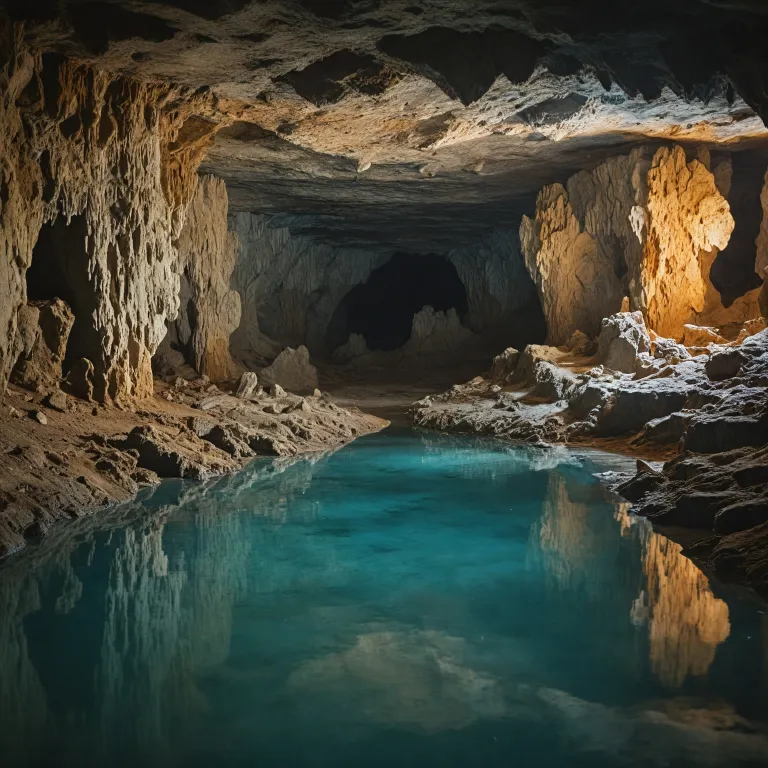
Unveiling the geological wonders of caves in Ohio
Caves in Ohio offer a fascinating glimpse into the region’s geological history, shaped by ancient seas and shifting rock layers. The state is renowned for its diverse caverns, each with unique formations and stories. Visitors are drawn to these underground marvels, eager to explore the depths and learn about the forces that sculpted them.
Ohio caverns such as the famous Ohio Caverns near West Liberty and the mysterious Seneca Caverns in Bellevue are prime examples of nature’s artistry. These caverns are open daily, welcoming people from across the region and beyond. Guided tours provide insight into the history, geology, and native significance of each cave, making every visit both educational and memorable.
Many of these caves are located just minutes from major cities, making them accessible for day trips or longer excursions. The Olentangy Caverns, for instance, are situated near Columbus and offer a network of passageways carved by ancient rivers. The rock formations within these caverns tell a story that stretches back thousands of years, connecting visitors to Ohio’s deep past.
As you explore these underground landscapes, you’ll encounter features like stalactites, stalagmites, and the renowned Crystal King formation. The colorful caverns of Ohio are a testament to the power of water and time, with each chamber revealing new surprises. Whether you’re a seasoned spelunker or a first-time visitor, the caves in Ohio promise an unforgettable adventure beneath the feet of the state’s rolling hills.
The cultural and historical significance of Ohio’s caverns
Ohio’s caves are not only geological treasures but also hold deep cultural and historical importance. Many caverns, such as the Olentangy Caverns, have ties to native American history, serving as shelter and ceremonial sites for indigenous people. The stories of these early inhabitants are woven into the fabric of the region, adding layers of meaning to each visit.
Guided tours often highlight the native American presence in these caves, sharing tales of how the caverns were used for protection and spiritual practices. The Olentangy Caverns, in particular, are known for their connections to native communities, with artifacts and oral histories preserved for modern visitors. This rich heritage enhances the experience, transforming a simple tour into a journey through time.
Seneca Caverns, opened to the public decades ago, also showcase the intersection of natural beauty and human history. The caverns have been a destination for explorers, scientists, and families seeking to understand Ohio’s past. The presence of a gift shop at many sites allows visitors to take home a piece of history, whether it’s a book on geology or a handcrafted souvenir.
For those interested in the broader context, the Ohio Department of Natural Resources plays a crucial role in preserving these sites. Their efforts ensure that the caves remain accessible while protecting the delicate ecosystems within. To learn more about the state’s conservation initiatives, explore the Ohio Department of Natural Resources website, which offers resources on guided tours, geology, and visitor guidelines.
Exploring the unique features of Ohio’s most famous caves
Each cave and cavern in Ohio boasts distinct features that set it apart from others. Ohio Caverns, often called "America’s Most Colorful Caverns," are renowned for their vibrant mineral deposits and the spectacular Crystal King stalactite. This formation, stretching over 4 meters, is a highlight of the guided tours and a favorite among visitors.
Seneca Caverns, located near Lake Erie, offer a different experience with their multi-level passages and underground streams. The caverns reach depths of 110 feet, providing a sense of adventure for those willing to explore the lower chambers. Guided tours here emphasize the geology and hydrology of the region, making it a must-visit for enthusiasts.
Crystal Cave on South Bass Island is another gem, famous for its massive celestite crystals. This cave, situated beneath a winery, is the world’s largest geode and attracts people interested in both geology and unique travel experiences. The proximity to Lake Erie and the island’s other attractions make it a popular stop for those touring the area.
For families and groups, the Olentangy Caverns offer interactive exhibits and gem mining activities. These features make the site appealing to visitors of all ages, blending education with fun. To plan your visit and explore more about these remarkable sites, check the Ohio Caverns official website for up-to-date information on tours and events.
Planning your visit: practical tips for exploring Ohio’s caves
When preparing to explore the caves in Ohio, a few practical tips can enhance your experience. Wear comfortable walking shoes, as the terrain inside caverns can be uneven and slippery. Temperatures underground remain cool throughout the year, so bring a light jacket regardless of the season.
Many caves, including Ohio Caverns and Seneca Caverns, offer guided tours that cater to different interests and physical abilities. Some tours are wheelchair accessible, such as the Limestone Tour at Ohio Caverns. It’s advisable to check the official websites for current operating hours, tour availability, and any age restrictions before your visit.
Reservations are recommended, especially during peak tourist seasons, to ensure you secure a spot on your preferred tour. “While some caves accept walk-ins, it's recommended to make reservations, especially during peak tourist seasons, to ensure availability.” This advice helps manage visitor flow and preserves the delicate cave environments.
For those interested in combining their cave adventure with other activities, many sites offer additional attractions such as hiking trails, picnic areas, and educational exhibits. The Seneca Caverns website provides details on gem mining and family-friendly options, making it easy to plan a full day of exploration.
Beyond the underground: connecting with Ohio’s natural landscapes
Exploring caves in Ohio often leads visitors to discover the state’s broader natural beauty. Many caverns are located near parks, lakes, and forests, offering opportunities for hiking, birdwatching, and water activities. The proximity of sites like Rock House and Ash Cave in Hocking Hills State Park allows for seamless integration of above-ground and underground adventures.
Lake Erie, with its scenic shoreline and islands, is home to attractions such as South Bass Island and Perry Cave. These destinations combine geological exploration with recreational opportunities, from boating on the lake to touring the island’s historic sites. The interplay between rock formations and water creates a dynamic landscape that appeals to nature lovers and adventure seekers alike.
Visitors to the region can also enjoy the vibrant communities that surround the caves. Local shops, restaurants, and cultural events provide a glimpse into Ohio’s hospitality and heritage. The presence of a gift shop at many cavern sites allows travelers to support local artisans and take home a memento of their journey.
For those seeking a comprehensive guide to Ohio’s outdoor attractions, the Hocking Hills State Park website offers resources on hiking, camping, and natural history. This integration of cave exploration with broader travel experiences enriches every visit to the state.
Preservation, education, and the future of Ohio’s caverns
The ongoing preservation of caves in Ohio is a collaborative effort involving state agencies, private operators, and conservation organizations. The Ohio Department of Natural Resources leads initiatives to protect these fragile environments, implementing eco-friendly lighting and sustainable tourism practices. Their work ensures that future generations can continue to explore and learn from these geological wonders.
Educational programs and guided tours play a vital role in raising awareness about the importance of cave conservation. “Yes, many caves offer family-friendly tours suitable for children. However, it's advisable to check specific cave guidelines regarding age restrictions and physical requirements.” This commitment to accessibility and education is evident at sites like Ohio Caverns and Olentangy Caverns, where interactive exhibits engage visitors of all ages.
Research and innovation are also central to the stewardship of Ohio’s caverns. Advancements in preservation techniques, such as improved lighting and climate control, help minimize human impact on sensitive formations. Partnerships with local tourism boards and educational institutions further enhance the visitor experience while supporting conservation goals.
As interest in eco-tourism and sustainable travel grows, Ohio’s caves stand as exemplary models of responsible tourism. The balance between access and protection is maintained through careful management, ensuring that the state’s underground treasures remain vibrant and accessible for years to come.
Statistics: key figures about caves in Ohio
- Number of visitors to Ohio Caverns annually: 100,000 people
- Depth of Seneca Caverns: 110 feet
- Length of Rock House corridor: 200 feet
Frequently asked questions about caves in Ohio
Are Ohio's caves suitable for children?
Yes, many caves offer family-friendly tours suitable for children. However, it's advisable to check specific cave guidelines regarding age restrictions and physical requirements.
Do I need to make reservations for cave tours in Ohio?
While some caves accept walk-ins, it's recommended to make reservations, especially during peak tourist seasons, to ensure availability.
Are there any accessibility accommodations for visitors with mobility challenges?
Accessibility varies by cave. For instance, Ohio Caverns offers a Limestone Tour that is wheelchair accessible. It's best to contact the specific cave in advance to inquire about accommodations.