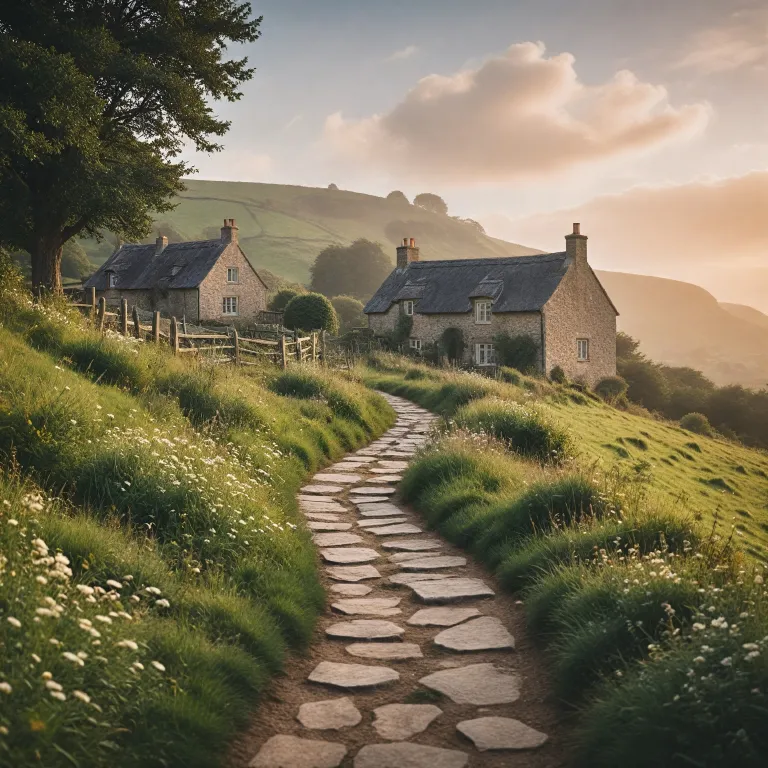
Quiet beauty beyond London: framing your England bucket list
Many travellers search for beautiful places in England yet rarely step beyond the same familiar routes. The country offers a refined blend of ancient landscapes, understated cities and coastal villages that reward slower journeys and thoughtful pauses. If you shape an England bucket list around quieter corners, you will encounter places where heritage and daily life still feel closely entwined.
Start by rethinking what makes the best places memorable during a visit. A great place in this country is often defined less by spectacle and more by atmosphere, such as a small city with cobbled streets, a modest inn instead of a grand hotel, or a sheltered cove along the coast. When you choose places England tends to overlook, you gain space to notice details, from dry stone walls in the Lake District to tidal causeways leading towards a holy island.
London remains an essential city, yet it should be only one chapter in a wider road trip. Use the capital as a gateway, then plan at least one day trip by train or car to a quieter district where you can walk, linger and stay overnight. You will find that the best things often happen in the unplanned hour between a scheduled place visit and the next connection, when you simply sit in a village tearoom and watch the country move at its own pace.
Ancient stones and high fells: Castlerigg and the Lake District
For many travellers, the Lake District represents the archetype of beautiful places in England. Yet even within this celebrated national park, you can still seek out less crowded corners and more contemplative views. Castlerigg Stone Circle, cared for by English Heritage, stands on a natural plateau framed by fells, offering a serene place to visit at sunrise or late in the day.
Archaeologists estimate that stone circles across the British Isles and Brittany number around 1300, and Castlerigg is among the oldest and most atmospheric. The age of Castlerigg Stone Circle is approximately 5000 years, which lends a quiet gravity to any short day trip here from nearby Keswick. As you walk the surrounding fields, the sense of time stretching across this country becomes almost tangible, especially when mist gathers in the valley and the peaks of the Lake District rise beyond.
Base yourself in Keswick or a nearby village, where you will find some of the best hotels for walkers who love early starts and late returns. Each small place offers access to fells, lakes and passes that feel far removed from cities England is better known for. If you enjoy planning a longer road trip, combine the Lake District with the Peak District for a journey linking two of the best places to hike, and you will experience a sequence of beautiful places that remain firmly rooted in everyday rural life.
Coastal drama without the crowds: Porthcurno and the Jurassic Coast
England’s south west coast holds some of the most beautiful places in England, yet many visitors rush through on a single hurried day. Porthcurno in Cornwall rewards those who slow down, with pale sand, turquoise water and cliffs that rise around 60 meters above the sea. This small place on the coast is managed in part by the National Trust, which helps preserve footpaths and viewpoints that still feel surprisingly wild.
Cornwall offers numerous best places for a quiet stay, especially if you travel outside peak school holidays. Choose a simple seafront guesthouse instead of a large hotel, and you will wake to the sound of waves and gulls rather than traffic from a busy city. From Porthcurno, you can plan a day trip along the South West Coast Path, linking coves and headlands that showcase why many travellers fall in love with this rugged corner of the country.
Further east, the Jurassic Coast presents another great place for walkers who value geology and history as much as sea views. This stretch of coast works well within a longer road trip that might also include Corfe Castle, a romantic ruin rising above a small village. When you combine these coastal landscapes with inland stops, your England bucket list becomes a tapestry of cliffs, castles and fishing harbours, each place visit adding another quiet chapter to your understanding of places England often keeps slightly hidden.
Castles, gardens and quiet cities: Winchester, Highclere and Sissinghurst
Beyond the capital, several smaller cities England offers feel perfectly suited to travellers seeking elegance without excess noise. Winchester, once a royal seat, is a beautiful city of cathedral towers, riverside walks and narrow streets lined with independent shops. It makes an ideal day trip from London, yet it also rewards a longer stay, especially if you enjoy evening strolls when the day visitors have gone.
Nearby Highclere Castle, with around 300 rooms, rises from rolling parkland and offers a different perspective on the country’s layered history. While it attracts fans of period dramas, it remains a great place to understand how estates shaped rural life beyond the main cities. Plan your visit England itinerary so that you spend a morning exploring Winchester, then travel to Highclere for an afternoon tour, returning to a small inn rather than a chain hotel for a more personal stay.
In Kent, Sissinghurst Castle Garden, cared for by the National Trust, showcases how carefully composed planting can create some of the most beautiful places in England on a very human scale. Each enclosed garden room feels like a distinct place visit, with seasonal colours and scents that change throughout the year. When you combine Winchester, Highclere and Sissinghurst within one road trip, you experience best things about this country’s heritage : intimate gardens, layered architecture and cities that remain just large enough to feel lively yet small enough to feel calm.
Sacred shores and storybook villages: holy island, Corfe and Robin Hood’s England
Some of the most atmospheric beautiful places in England sit where land meets sea, or where legend meets recorded history. Holy Island of Lindisfarne, reached by a tidal causeway, offers a powerful reminder that timing shapes every visit. You must be sure to check safe crossing times, then plan your day so that you can walk the island’s lanes, explore its priory and castle, and still return to the mainland before the tide rises.
This holy island feels far removed from busy cities England is known for, yet it fits neatly into a wider road trip through Northumberland’s coast. Stay in a nearby village inn rather than a large hotel, and you will experience the best things about rural hospitality in this part of the country. Further south, Corfe Castle in Dorset rises above a stone built village, creating one of the best places for photographers who love early morning mist and evening silhouettes.
In Nottinghamshire and the surrounding counties, forests and valleys associated with Robin Hood add another layer of narrative to your England bucket list. While some sites can feel commercial, quieter glades and walking trails still offer a sense of the greenwood that shaped the legend. Combining holy island, Corfe Castle and Robin Hood country within one itinerary creates a sequence of places England presents as both historical and mythical, each place visit deepening your understanding of how stories and landscapes intertwine.
Designing off the beaten path itineraries: from cities to national parks
Thoughtful planning helps you link beautiful places in England into a coherent journey rather than a rushed checklist. Begin with one or two cities England offers that feel manageable in scale, such as Winchester or a northern cathedral city, then add nearby countryside for balance. Aim for a rhythm where each day trip from a city leads to a quieter district, whether that is the Lake District, the Peak District or a lesser known stretch of coast.
When choosing where to stay, look for characterful guesthouses or farm stays instead of a standard hotel, especially in national parks. Many of the best hotels for this style of travel are small, owner run places where hosts share local walking routes, seasonal food recommendations and tips for a peaceful place visit. For hikers and nature lovers, this detailed guide to hiking expeditions for off the beaten path destinations offers further ideas for planning adventure trails beyond the ordinary : off the beaten path hiking expeditions.
As you refine your England bucket list, consider how each region expresses a different facet of the country. Coastal routes along the Jurassic Coast or Cornwall contrast beautifully with inland journeys through the Lake District or Peak District, while holy island and Corfe Castle add maritime and medieval notes. By allowing time between best places, you create space for unplanned encounters, whether that is a conversation in a village tearoom or a sudden clearing of cloud that reveals a lake or valley in perfect light.
Practical guidance for sustainable visits to beautiful places in England
Responsible travel ensures that beautiful places in England remain unspoiled for future visitors and local communities. Whenever you plan to visit England’s heritage sites, use official websites to check opening times, any entrance fees and current visitor guidance. “Check opening times and any visitor restrictions before planning a visit.”
Spring and autumn often provide the best things for travellers who value quieter paths and softer light. “Spring and autumn offer pleasant weather and fewer crowds.” These seasons suit longer road trip itineraries linking cities England offers with rural districts, because accommodation is more available and staff in small places have more time to share local insights.
Accessibility varies widely between a medieval castle, a coastal path and a landscaped garden, so advance research is essential. “Accessibility varies by site; it's recommended to check official websites for specific information.” When selecting where to stay, look for the best hotels or guesthouses that demonstrate care for the environment, whether through local sourcing, energy efficiency or support for conservation projects in the Lake District, Peak District or along the coast. By travelling thoughtfully, you help ensure that each great place on your England bucket list, from holy island to Robin Hood country and from Cornwall to the Jurassic Coast, remains a place visit future travellers will also love.
Key statistics about heritage and landscapes in England
- There are around 1300 known stone circles across the British Isles and Brittany, highlighting the density of prehistoric sites in and around England.
- Castlerigg Stone Circle in the Lake District is approximately 5000 years old, making it one of the earliest and most significant stone circles in the country.
- The cliffs surrounding Porthcurno in Cornwall rise to about 60 meters, creating dramatic coastal scenery along this section of the coast.
- Highclere Castle contains roughly 300 rooms, illustrating the scale of historic country houses that shape many rural landscapes in England.
Essential questions for planning visits to beautiful places in England
What is the best time to visit these sites ?
Spring and autumn usually offer a balance of mild temperatures, longer daylight and fewer crowds at many of the best places in England. These seasons are ideal for walking in the Lake District or Peak District, exploring the Jurassic Coast or enjoying gardens such as Sissinghurst. Summer can be pleasant along the coast and in Cornwall, but popular places England is known for may feel busy, so early starts and late finishes help preserve a sense of calm.
Are these sites accessible to individuals with mobility issues ?
Accessibility differs significantly between locations, especially when comparing medieval castles, tidal islands and landscaped gardens. Many major attractions, including some castles and gardens, provide step free routes, accessible facilities and detailed information online, while remote coastal paths or high fells in the Lake District may remain challenging. It is always wise to review official accessibility pages before each place visit, and to contact visitor centres directly if you have specific requirements.
Is there an entrance fee for these locations ?
Some beautiful places in England, such as certain castles, gardens and historic houses, charge an entrance fee that supports ongoing conservation. Others, including many coastal paths, open countryside and viewpoints, remain free to access, though parking charges may apply in popular districts. To plan your budget effectively, check each site’s official website before your day trip or longer road trip, and consider membership schemes from organisations like English Heritage or the National Trust if you intend to visit multiple sites.