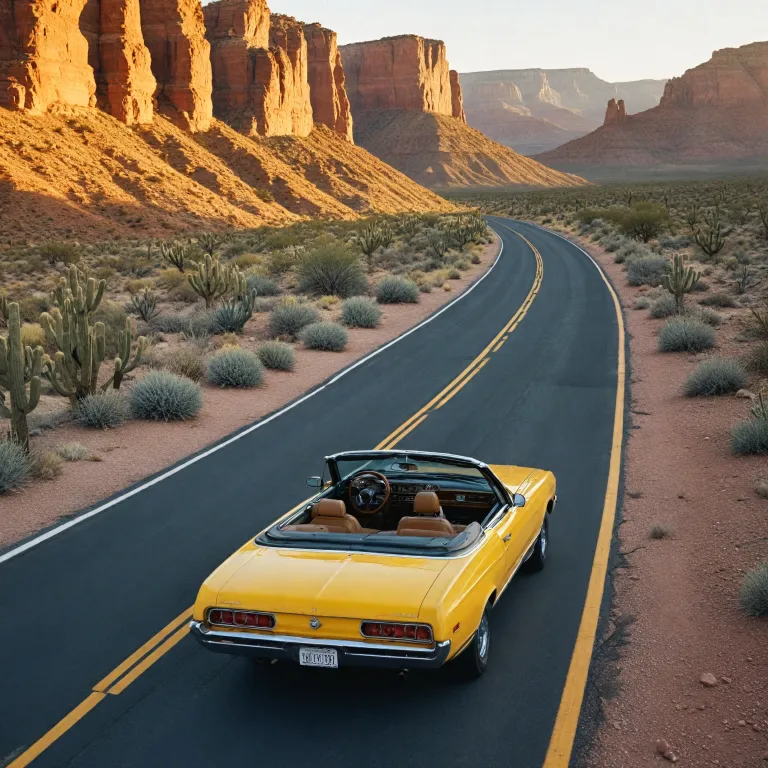
Planning a phoenix to grand canyon road trip beyond the usual route
A phoenix to grand canyon road trip can feel routine if you only rush the highway. When you slow the road and weave in lesser known stops, the journey through Arizona becomes as memorable as the grand destination itself. This approach rewards travelers who value time, nuance, and quieter landscapes over crowded viewpoints.
Most travelers start in phoenix arizona, then drive north on the main route toward the grand canyon national park. The direct road distance is about 370 kilometers, but adding detours to a state park, a national monument, or a hidden canyon day hike transforms the experience. With average driving time around three and a half hours, you have flexibility to shape a one day dash or a multi day road trip.
Spring and autumn are often considered the best time to visit the grand canyon. As one expert note states, “Spring and fall offer mild temperatures and fewer crowds, making them ideal times to visit.” These seasons also make it easier to enjoy a rim trail walk, a south kaibab sunrise, or a quiet stop in canyon village without intense heat.
Before leaving phoenix, check weather, fuel, and vehicle maintenance, because some stretches between a national park and smaller towns feel remote. Travelers should download offline maps and a reliable travel guide app, since mobile coverage can fade near a canyon national monument or forest road. This preparation will help you adapt your route if traffic, closures, or a tempting side trail invites a change of plan.
From phoenix to Sedona and Montezuma Castle on scenic back roads
Leaving phoenix early gives you time to savor the first leg of the road trip. Drive north on the main road toward Camp Verde, where Montezuma Castle National Monument rises unexpectedly from a limestone cliff above the valley. This national monument offers a compact but powerful stop that connects your phoenix to grand canyon road trip with the region’s deep cultural history.
At Montezuma Castle, a short, level trail loops beneath the ancient dwelling, making it suitable for most travelers. Information panels along the trail explain how communities adapted to the canyon environment, managed scarce water, and used the south facing cliff for seasonal comfort. This thoughtful pause adds context to the grand landscapes you will later see at the south rim.
Continue the route toward Sedona, where red rock formations frame the road in every direction. Many visitors treat Sedona as a quick photo stop, but allocating half a day allows time for a moderate canyon hike or a rim style walk above town. You can choose one of the signed trail networks near a state park, where parking is regulated and paths are clearly marked.
In Sedona, you will find varied places eat, from casual cafés to refined restaurants with views of the red canyon walls. These places eat cater to different budgets while maintaining a focus on regional ingredients and seasonal menus. After a late lunch, you can either stay overnight or continue north, timing your arrival in Flagstaff for early evening.
Flagstaff, Sunset Crater, and quiet national parks off the main corridor
Flagstaff sits at higher elevation than phoenix, so the air feels cooler and the pine forest changes the mood of the road trip. Many travelers only use Flagstaff as a fuel and food stop on the way to the grand canyon, but the surrounding national parks and monuments reward a slower pace. Spending at least one day here allows you to explore volcanic landscapes, forested trail systems, and lesser known viewpoints.
East of town, Sunset Crater Volcano National Monument presents a striking contrast to the red rock canyon near Sedona. A short driving loop and several signed trail options lead through black lava fields, cinder cones, and resilient pine stands. This national monument illustrates how time, erosion, and fire shape Arizona’s terrain long before a grand canyon forms.
Nearby, additional national parks and protected areas preserve ancient dwellings and high desert ecosystems. Combining these stops with your phoenix to grand canyon road trip deepens your understanding of the wider Colorado Plateau, not just the famous canyon national park. You will also find quieter car parks, shorter queues, and more space to appreciate the landscape.
Flagstaff itself offers relaxed places eat around the historic center, where independent restaurants highlight local produce and craft beverages. An overnight stay here breaks the road distance into manageable segments and prepares you for the final push toward the south rim. Early the next day, you can follow the main route west or detour through Williams for a more nostalgic highway experience.
Approaching the south rim and exploring lesser known trails
From Flagstaff or Williams, the road climbs steadily toward the south rim of the grand canyon. As you enter grand canyon national park, the forest thickens before suddenly opening to the immense canyon, a contrast that heightens the sense of arrival. Many travelers head straight to the main visitor center, but you can shape a more tranquil canyon day by staggering your stops.
The visitor center near Mather Point provides essential orientation, maps, and current trail conditions. From here, the rim trail extends in both directions, offering mostly level walking with constant grand canyon views and frequent shuttle stops. This rim trail is ideal for travelers who want expansive vistas without committing to a strenuous descent.
For a more immersive experience, consider the south kaibab trail, which drops quickly below the rim along a well engineered path. Even walking only to Ooh Aah Point or Cedar Ridge gives a powerful sense of the canyon’s depth, color, and shifting light. Start early, carry sufficient water, and respect time limits, because the climb back to the rim always takes longer than expected.
Canyon village along the south rim offers several lodges, services, and places eat, yet quieter viewpoints lie just beyond the busiest cluster. Use the park shuttle to reach less crowded stops along the canyon road, where you can watch sunset in relative calm. Planning your phoenix grand itinerary this way balances iconic scenes with the off the beaten path atmosphere many travelers now seek.
Extending your phoenix grand itinerary to Prescott and Horseshoe Bend
After a full canyon day at the south rim, many travelers simply reverse the route back to phoenix arizona. However, extending your phoenix to grand canyon road trip with a loop through Prescott and beyond can reveal additional layers of Arizona’s landscape. This variation suits travelers who have more time and want to connect multiple canyon environments and historic towns.
From the south rim, you can drive south toward Prescott, a former mining town framed by granite boulders and ponderosa forest. The road passes through smaller communities and open rangeland, offering a different perspective than the main interstate route. In Prescott, a compact historic center, lakeside paths, and nearby state park trails provide relaxed walking options after the intensity of the grand canyon.
If your schedule allows another detour, consider continuing north on a separate trip toward Page to visit Horseshoe Bend, where the Colorado River curves sharply around a sandstone promontory. While Horseshoe Bend is no longer entirely quiet, visiting at off peak times or shoulder seasons can still feel contemplative. Combining this stop with your broader canyon road explorations helps you appreciate how water, time, and geology interact across the region.
Throughout these extensions, prioritize national parks and protected areas that align with your interests, whether cultural history, wildlife, or long distance trail networks. You will find varied places eat in each town, from Prescott to Flagstaff, that showcase regional flavors without overwhelming choice. This layered approach turns a simple road trip into a curated journey through Arizona’s grand landscapes.
Practical tips, off the beaten path ethics, and further inspiration
Thoughtful planning ensures your phoenix to grand canyon road trip remains both enjoyable and responsible. Check weather forecasts, road conditions, and any national park alerts before departure, especially during monsoon storms or winter snow. Carry extra water, a paper map, and a basic emergency kit, because some stretches between towns, a state park, or a national monument feel isolated.
When visiting canyon national sites, stay on marked trail routes to protect fragile soils and vegetation. Respect time limits on day hikes, particularly along the south kaibab or other steep paths, where heat and elevation can quickly exhaust even experienced travelers. In canyon village and other hubs, use refill stations instead of single use plastic bottles to reduce waste.
Choosing locally owned restaurants and lodges near the grand canyon, Sedona, Flagstaff, or Prescott supports communities that steward these landscapes. Seek out places eat that highlight regional ingredients, and consider guided walks led by certified rangers or local experts. Their insight into geology, ecology, and cultural history will enrich every viewpoint along the rim trail or canyon road.
For travelers interested in similarly quiet experiences elsewhere, resources such as guides to remote islands with no crowds can inspire future journeys. These references emphasize the same principles that elevate a phoenix grand itinerary through Arizona’s national parks and monuments. By traveling with intention, you transform a simple drive between phoenix and the grand canyon into a meaningful exploration of time, space, and place.
Key statistics for planning a phoenix to grand canyon road trip
- Driving distance between Phoenix and the Grand Canyon is approximately 229 miles, or about 370 kilometers.
- Average driving time on the main route is around 3.5 hours in normal conditions.
- Entry fee for Grand Canyon National Park is approximately 35 USD per vehicle for a standard pass.
Essential questions about a phoenix to grand canyon road trip
What is the best time of year to visit the Grand Canyon?
Spring and autumn generally offer mild temperatures, clearer skies, and fewer crowds along the south rim. These seasons make it more comfortable to walk the rim trail, attempt short sections of the south kaibab trail, or explore viewpoints by shuttle. They also reduce heat related risks on canyon day hikes compared with peak summer.
Are there any notable stops between Phoenix and the Grand Canyon?
Yes, Sedona and Flagstaff are particularly rewarding stops on a phoenix to grand canyon road trip. Sedona offers red rock canyon scenery, extensive trail networks, and varied places eat, while Flagstaff provides access to Sunset Crater Volcano National Monument and other high elevation parks. Adding Montezuma Castle National Monument or a nearby state park further enriches the route.
What are the accommodation options near the Grand Canyon?
Within grand canyon national park, canyon village on the south rim hosts several lodges and campgrounds close to the main visitor center and rim viewpoints. Just outside the park, towns such as Tusayan, Williams, and Flagstaff offer a range of hotels, cabins, and camping areas. Booking early is advisable, especially during the best time periods in spring and autumn.