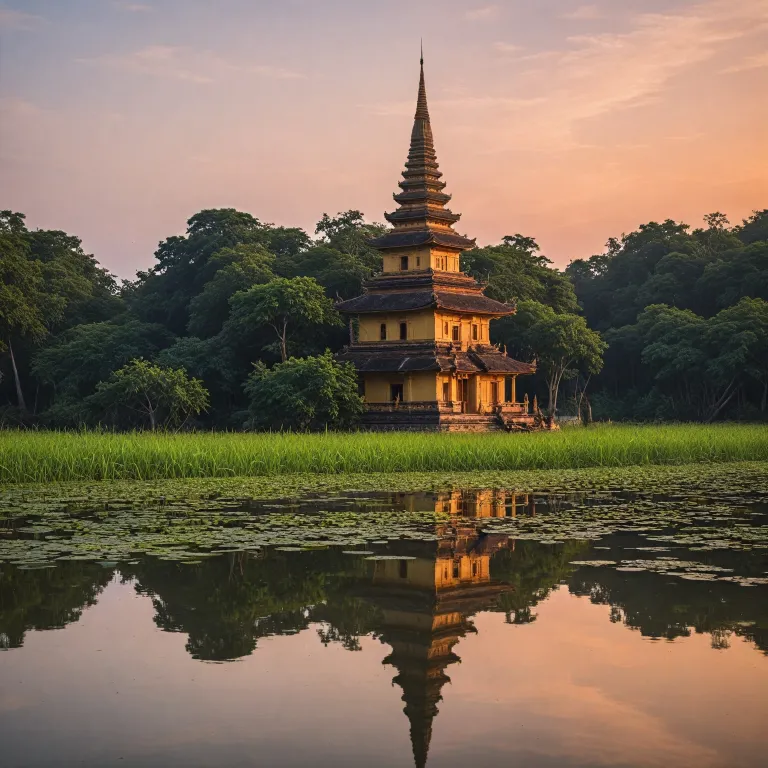
The unique allure of Kyauktan Ye Le Pagoda: an island sanctuary in Myanmar
Nestled on a small island in the Hmaw Wun Creek, a tributary of the Yangon River, the Kyauktan Ye Le Pagoda stands as a testament to the harmonious blend of nature and Buddhist architecture. This pagoda in Myanmar is not only a sacred site but also a marvel of ancient engineering, constructed during the reign of King Bawgasena in the 3rd century BCE. The island with pagoda Burma offers a tranquil escape from the bustling city of Yangon, inviting visitors to experience spiritual serenity amid the gentle flow of the river. The journey to this pagoda Myanmar involves a short ferry ride from Kyauktan Township, about 20 kilometers south of Yangon, making the trip itself a memorable part of the visit. The pagoda’s unique location has made it an enduring symbol of devotion and resilience, surviving centuries of floods and renovations. Local monks and devotees maintain the site, ensuring that the traditions of Buddhist worship and meditation continue to thrive. The Kyauktan Ye Le Pagoda is renowned for enshrining sacred relics of Gautama Buddha, attracting both pilgrims and travelers seeking authentic cultural experiences. As you approach the island, the golden pagoda gleams in the sunlight, its reflection shimmering on the river’s surface, creating a mesmerizing sight that captures the essence of the region Myanmar.Architectural marvels: pagodas and temples of the Yangon region
The Yangon region is home to some of Myanmar’s most revered temples and pagodas, each with its own story and architectural style. The Kyauktan Ye Le Pagoda, with its 27.4-meter height, stands out for its island setting and intricate design, but it is just one of many spiritual landmarks in the area. The Shwedagon Pagoda, often considered the largest and most sacred pagoda Myanmar, dominates the skyline of Yangon with its golden stupa and is a focal point for Buddhist festivals. The Sule Pagoda, centrally located in Yangon, serves as both a religious site and a historical landmark, linking the city’s colonial past with its spiritual present. Travelers interested in exploring the diversity of temples pagodas in the region Myanmar will find a rich tapestry of sites, from the ancient Shwezigon Pagoda in Bagan to the hilltop Kyaiktiyo Pagoda, also known as the Golden Rock. Each temple and pagoda reflects the artistic and religious evolution of Myanmar, with influences from various dynasties and local traditions. The Ananda Temple in Bagan, for example, is renowned for its symmetrical layout and gilded spires, while the Bagaya Monastery in the Mandalay region showcases traditional teak architecture. For those seeking more information on Myanmar’s spiritual heritage, the comprehensive guide at https://www.hiddenpathjourneys.com/blog/a-journey-beneath-the-surface-exploring-the-captivating-caves-in-ohio provides valuable insights into the country’s most significant religious sites.Spiritual significance and daily rituals at the island pagoda
The Kyauktan Ye Le Pagoda is more than a tourist attraction; it is a living center of Buddhist practice and devotion. Every day, local monks and devotees gather on the island to perform rituals, meditate, and care for the sacred relics of Buddha enshrined within the pagoda. The atmosphere is imbued with a sense of reverence, as the rhythmic chants and the scent of incense fill the air. Visitors are encouraged to participate respectfully in these rituals, observing the customs that have been preserved for centuries. The pagoda’s role as a pilgrimage site is underscored by its annual influx of over 500,000 visitors, many of whom come to seek blessings and pay homage to Gautama Buddha. The site also serves as a hub for religious festivals, where devotees from across the region Myanmar gather to celebrate and reinforce their spiritual bonds. The presence of multiple temples pagodas on the island, including smaller shrines and meditation halls, allows for a diverse range of practices and ceremonies. For those interested in the broader context of Buddhist worship in Myanmar, the detailed exploration at https://www.hiddenpathjourneys.com/blog/immersing-in-the-quartana-forest-of-the-golden-dream-a-sensory-journey-beyond-the-ordinary offers a deeper understanding of the country’s monastic traditions and sacred spaces.Planning your visit: practical tips for exploring Kyauktan Ye Le Pagoda
A visit to the island with pagoda Burma requires thoughtful preparation to ensure a respectful and enriching experience. Modest clothing is essential, as is the custom of removing shoes before entering the pagoda or any temple Myanmar. The ferry ride from Kyauktan Township is a highlight in itself, offering scenic views of the river and the surrounding landscape. It is advisable to check local ferry schedules in advance, as timings may vary depending on the season and river conditions. Upon arrival, visitors are greeted by the serene ambiance of the island, where the golden pagoda rises above lush greenery and the gentle sounds of the river. Guided tours are available for those who wish to learn more about the history and significance of the site, including its founding by King Bawgasena and its role in preserving Buddhist relics. The entrance fee for tourists contributes to the ongoing maintenance and preservation of the pagoda, ensuring that future generations can continue to enjoy this unique destination.Exploring the wider region: temples, monasteries, and cultural treasures
The Yangon region and its surroundings offer a wealth of cultural and spiritual attractions beyond the Kyauktan Ye Le Pagoda. The Mandalay region, for example, is home to the majestic Shwezigon Pagoda and the historic Bagaya Monastery, both of which are celebrated for their architectural beauty and religious significance. The Irrawaddy River, flowing through the heart of Myanmar, connects many of these sites, serving as a lifeline for pilgrims and travelers alike. Bagan, with its thousands of temples pagodas, is a UNESCO World Heritage site that captivates visitors with its panoramic vistas and ancient ruins. The Shwesandaw Pagoda, Ananda Temple, and the golden pagoda of Shwezigon are among the highlights of this region, each offering a unique perspective on the evolution of Buddhist art and architecture. In Shan State, hilltop monasteries and remote temples provide opportunities for quiet reflection and exploration, far from the crowds of more popular destinations. Whether you are drawn to the spiritual energy of a buddha temple or the tranquil beauty of a riverside monastery, the region Myanmar promises a journey of discovery and inspiration.Preservation, innovation, and the future of Myanmar’s sacred sites
The continued preservation of Myanmar’s temples pagodas and monasteries is a collaborative effort involving local communities, religious organizations, and government authorities. Restoration projects are underway to safeguard the architectural integrity and spiritual significance of these sites, ensuring that they remain accessible to future generations. The integration of digital guides and information has enhanced the visitor experience, providing insights into the history and rituals associated with each pagoda Myanmar. The Kyauktan Ye Le Pagoda exemplifies the innovative spirit of ancient Burmese builders, who constructed a sanctuary that has withstood the test of time and nature. As interest in cultural tourism grows, the challenge lies in balancing increased visitor numbers with the need to protect these fragile monuments. "Visitors can reach the pagoda by taking a ferry from Kyauktan Township, which is approximately 20 kilometers south of Yangon." This practical advice underscores the importance of sustainable travel practices and respect for local customs. By supporting preservation efforts and engaging with the rich heritage of the region Myanmar, travelers contribute to the ongoing vitality of these sacred spaces.Key statistics about Kyauktan Ye Le Pagoda and Myanmar’s sacred sites
- Height of the Kyauktan Ye Le Pagoda: 27.4 meters
- Annual visitors to the pagoda: 500,000 people
Frequently asked questions about visiting the island pagoda in Burma
How do I get to Kyauktan Ye Le Pagoda?
Visitors can reach the pagoda by taking a ferry from Kyauktan Township, which is approximately 20 kilometers south of Yangon.
Is there an entrance fee for the pagoda?
Yes, there is a nominal entrance fee for tourists, which contributes to the maintenance and preservation of the site.
What are the operating hours of the pagoda?
The pagoda is typically open from early morning until evening; however, it's advisable to check the latest timings before planning your visit.
References: Myanmar Ministry of Tourism; Kyauktan Ye Le Pagoda official records; Yangon Region Tourism Board.