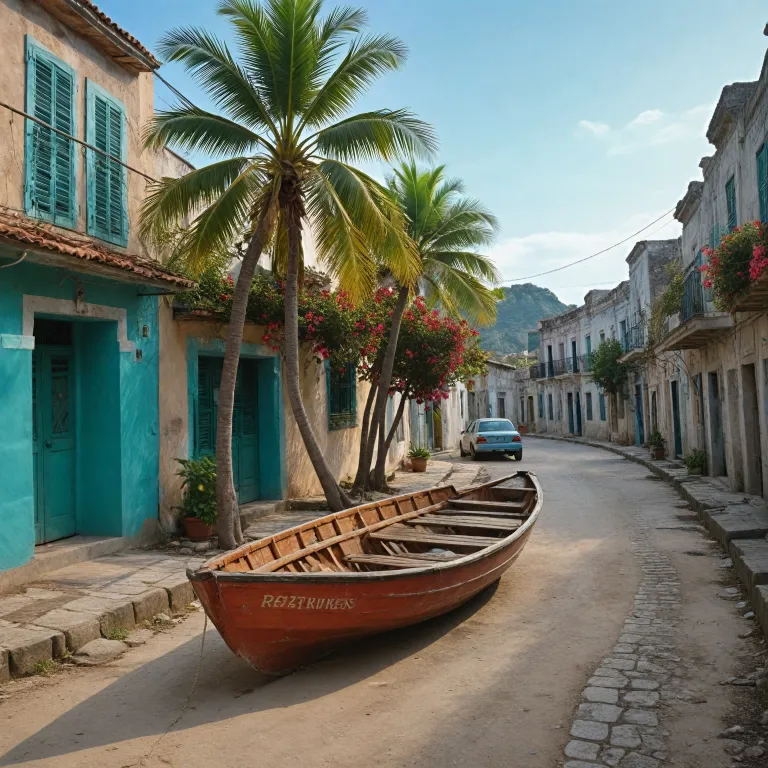
Havana beyond the postcards: from Habana Vieja to local barrios
Many travellers list Havana as one of the best places to go in Cuba. The city rewards anyone who gives it time, moving beyond quick photo stops into slower, more attentive travel. As you walk, you will read the streets like a living archive of cuban history.
Start in Habana Vieja, a UNESCO heritage site officially known as Old Havana and its Fortifications. This historic city core is one of the most atmospheric places to visit Cuba, with plazas framed by pastel facades and the elegant Castillo de la Real Fuerza. Spend time in quieter side streets, where casas particulares offer a window into everyday cuban life and hosts will gladly share stories about visiting Cuba.
From the harbour, follow the Malecón to Vedado and Centro Habana, areas that show a different face of the city. Here you will find crumbling mansions, corner bars serving Havana Club, and music that spills into the night air during your trip. These neighbourhoods are not always polished, yet they remain some of the cuba best areas for travellers seeking genuine interaction.
History runs deep in Havana, and traces of the Cuban Revolution appear in murals and monuments across the city. Guides often explain how Fidel Castro and Che Guevara reshaped the island, linking local landmarks to national memory. For a balanced travel guide, combine major museums with informal conversations in parks, cafés, and casas particulares, which are among the most insightful places visit in the capital.
Central Cuba’s quiet charms: Santa Clara, Cienfuegos and Trinidad
Central Cuba offers some of the most meaningful places to go in Cuba for travellers interested in history and architecture. Santa Clara is inseparable from the figure of Che Guevara, whose role in the cuban revolution is commemorated at the imposing memorial complex. Many visitors find this city a powerful stop when they visit Cuba, especially those who wish to understand how past events still shape daily life.
In Santa Clara you will find murals, statues, and a thoughtful museum that contextualises Che Guevara’s campaigns. The city itself feels relaxed, with leafy parks that invite you to sit, read, and talk with residents about their experiences of travel and change. Staying in casas particulares here allows time to reflect on how a single place can influence an entire trip.
Further south, Cienfuegos curves around a beautiful bay and offers one of the cuba best examples of neoclassical urban planning. Often called the “Pearl of the South,” this city blends French inspired avenues with a maritime atmosphere that feels distinct from Havana. Its historic centre is recognised as a UNESCO heritage site, and many travellers consider it one of the most graceful places visit on the island.
Continue to Trinidad, another jewel among the top places to go in Cuba for culture lovers. The cobbled streets of Cuba Trinidad and the nearby Valle de los Ingenios form a combined World Heritage Site that reflects both wealth and hardship. Here you can climb the Iznaga Tower, built by Alejo Maria Iznaga y Borrell, and look across sugar lands that once defined the cuban economy.
Eastern horizons: Santiago de Cuba, Baracoa and the Sierra Maestra
The eastern provinces remain some of the least visited yet most compelling places to go in Cuba. Santiago de Cuba, the island’s second city, has a personality shaped by Afro-Caribbean rhythms, steep hills, and a proud revolutionary legacy. Travellers who make time for this city often describe it as one of their best decisions during a long trip.
Santiago’s streets climb towards viewpoints where you can read the landscape of bays, fortresses, and distant mountains. The city played a central role in the cuban revolution, and you will encounter references to Fidel Castro at the Moncada Barracks and the Santa Ifigenia cemetery. For anyone visiting Cuba with an interest in modern history, these places visit provide essential context.
East of Santiago lies the rugged Sierra Maestra, a mountain range that shelters some of the most beautiful and remote places to go in Cuba. Trails here lead through cloud forest to camps once used by Fidel Castro and his companions, including Che Guevara, during the guerrilla struggle. Guided hikes offer a responsible way to experience this landscape while supporting local communities that act as stewards of the sierra maestra.
Continue along the coast to Baracoa, often cited in any serious travel guide as a highlight of visiting Cuba’s far east. This small city is framed by rivers, cocoa plantations, and the table mountain of El Yunque, creating a setting that feels almost enclosed by nature. Baracoa’s mix of indigenous heritage, colonial history, and inventive cuisine makes it one of the cuba best choices for travellers seeking quieter places visit.
Nature retreats: Topes Collantes, Las Terrazas and the Sierra del Rosario
Beyond its cities, Cuba offers nature reserves that rank among the most restorative places to go in Cuba. In the Escambray Mountains above Trinidad, Topes Collantes forms a cool highland refuge of waterfalls, coffee farms, and bird rich forests. Many travellers combine Cuba Trinidad with a stay in this protected area, turning a cultural stop into a more varied trip.
Marked trails in Topes Collantes lead to pools where you can swim beneath cascades, a beautiful contrast to the heat of the lowlands. Local guides explain how conservation efforts balance tourism with the needs of nearby communities, reflecting national goals to preserve landscapes. For those visiting Cuba with limited time, even a single day here can feel like a deep immersion in the island’s interior.
On the western side of the island, Las Terrazas and the surrounding Sierra del Rosario present another model of sustainable travel. This reforested valley, recognised as a UNESCO biosphere reserve, shows how degraded land can be restored through long term planning. Visitors stay in casas particulares or simple lodges, walk forest paths, and share meals that highlight regional produce.
Las Terrazas is often recommended in a thoughtful travel guide as one of the cuba best examples of community based tourism. The project integrates art studios, small farms, and eco focused excursions, offering more than just scenic viewpoints. For travellers comparing different places visit in Cuba, these mountain enclaves demonstrate how nature, culture, and responsible travel can align.
Coastal escapes: Cayo Coco, hidden bays and the quieter side of the Caribbean
Many travellers associate the best places to go in Cuba with white sand beaches and clear water. While some resort areas feel detached from local life, others still offer a balance between comfort and authenticity. Choosing carefully will shape whether your trip feels connected to the wider island or isolated from it.
Cayo Coco, linked to the mainland by a long causeway, is known for its shallow turquoise lagoons and extensive birdlife. This cay can be one of the cuba best options for travellers who value calm seas and long walks along relatively uncrowded shores. To keep your travel grounded, consider combining time here with nights in nearby casas particulares on the main island.
Along the southern coast, small fishing towns and mangrove edged bays provide alternative places to go in Cuba for those who prefer quieter settings. In these communities you will find modest guest rooms, family run paladares, and guides who offer boat trips to reefs that remain in good condition. Such places visit allow you to support local economies more directly than in large complexes.
Wherever you choose to visit Cuba’s coast, pay attention to environmental practices and community impact. A responsible travel guide will encourage you to minimise plastic use, respect marine life, and seek operators who follow conservation guidelines. By doing so, you help ensure that these beautiful shorelines remain among the cuba best assets for future generations of visitors.
Planning an off the beaten path Cuba itinerary with confidence
Designing an itinerary that links several off the beaten path places to go in Cuba requires thoughtful planning. Start by deciding how much time you will allocate to each city, nature reserve, and coastal stop, then connect them in a logical loop. This approach reduces backtracking and allows you to travel at a more humane pace.
When visiting Cuba, many travellers combine Havana, Santa Clara, Cienfuegos, and Cuba Trinidad with at least one mountain area such as Topes Collantes or the Sierra Maestra. Adding Baracoa, Las Terrazas, or Cayo Coco creates a richer mix of landscapes and cultures, turning a simple holiday into a more layered trip. Throughout, staying in casas particulares keeps you close to cuban daily life and offers flexible, good value accommodation.
Language can shape how you experience different places visit, especially in smaller towns where English is less common. Before you travel, it is worth reviewing an essential language basics guide for off the beaten path journeys, such as this resource on language basics for travellers. Even a few phrases will open doors, help you read local signs, and deepen conversations about the cuban revolution, heritage site designations, or daily realities.
For practical preparation, remember that “The best time to visit Cuba is during the dry season, from November to April, when the weather is more favorable.” Also note that “Cuba is generally considered safe for tourists, but it's advisable to stay informed about current events and follow local guidelines.” Finally, keep in mind that “Most travelers need a tourist visa, known as a 'tourist card,' to enter Cuba. It's recommended to check with the Cuban embassy or consulate in your country for specific requirements.” These verified insights will help you approach the cuba best routes with clarity and respect.
Key statistics for planning your Cuba travel
- Tourist arrivals reached 4 800 000 visitors in a recent peak, illustrating strong global interest in places to go in Cuba.
- Tourist arrivals later declined to 1 600 000 visitors, underlining the importance of supporting local economies when you visit Cuba.
- The Viñales Valley UNESCO heritage landscape covers approximately 132 km², offering extensive space for low impact travel and guided hikes.
- The historic Iznaga Tower in the Valle de los Ingenios near Cuba Trinidad rises about 45 meters, providing a striking vantage point over former sugar lands.
Essential questions about visiting Cuba’s off the beaten path places
What is the best time to visit Cuba for off the beaten path travel ?
The most comfortable period for exploring remote places to go in Cuba is the dry season. During these months, roads to areas such as the Sierra Maestra, Topes Collantes, and Baracoa are generally more reliable. You will also find that walking tours in cities like Havana, Santa Clara, and Cienfuegos are more pleasant in lower humidity.
Are there UNESCO World Heritage Sites among the less visited places ?
Several of the most rewarding places to go in Cuba carry UNESCO heritage recognition. Old Havana and its Fortifications, the historic centres of Cienfuegos and Cuba Trinidad with the Valle de los Ingenios, and the Viñales Valley all hold this status. Including these sites in your travel guide or personal plan ensures a balance of cultural depth and scenic variety.
Is it safe to travel independently to smaller Cuban cities and rural areas ?
Cuba is generally considered safe for independent travellers who exercise normal awareness. In smaller cities such as Santa Clara, Baracoa, and Cienfuegos, staying in licensed casas particulares and using official guides for rural excursions is recommended. As in any country, keeping valuables secure and staying informed about local conditions will help your trip remain focused on the beautiful places you came to experience.