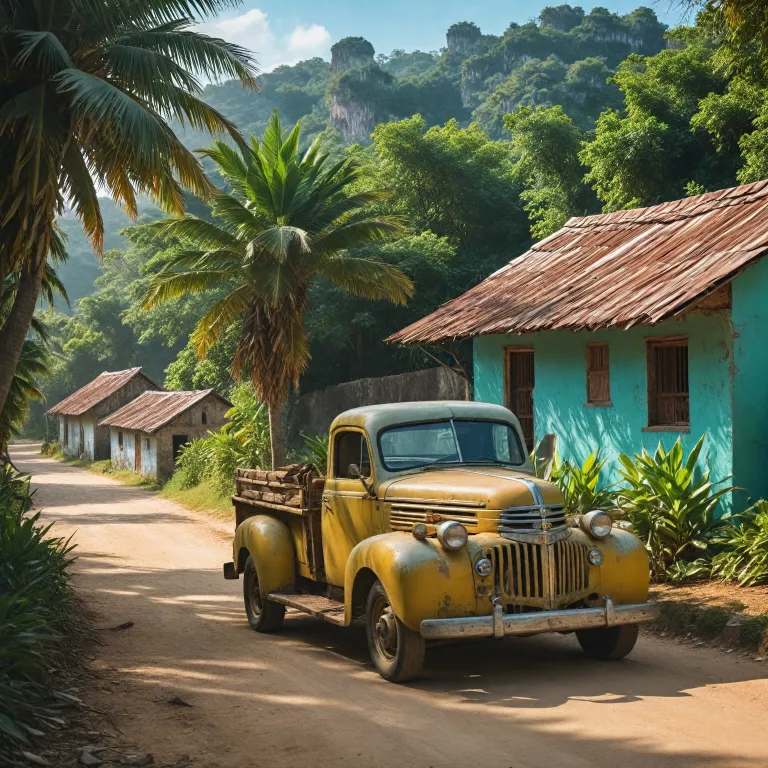
Timeless streets of Havana beyond the usual postcards
Many travelers list countless things to visit in Cuba, yet they often stay close to the same few streets in central Havana. To understand the Cuban capital as a living city, wander early along the Malecón, then slip inland toward Habana Vieja where the elegant arcades of paseo del Prado lead you from the sea to the heart of the old quarter. This is where Havana Cuba reveals both its grand past and its quietly interesting present.
Start at Plaza Vieja, one of the most beautiful squares in any of the historic cities Cuba offers to visitors. Cafés spill onto the cobbles, a restored camera obscura overlooks terracotta roofs, and families linger in the shade while musicians play classic social club standards. Around the corner, Plaza de Armas and the nearby Castillo de la Real Fuerza form a compact heritage site that anchors many guided tours focused on visiting Cuba with a deeper historical lens.
When you list the best things to do in Havana, include time for less polished corners. Follow paseo del Prado north, then turn into side streets where laundry flutters above tiny bar doorways and murals celebrate figures like Che Guevara and Carlos Manuel de Céspedes. These lived in places show why Havana is more than a museum city and why many consider it one of the most interesting cities Cuba can offer.
Evenings belong to music and conversation, not only to cocktails. Seek a small bar where a local band plays son and bolero, rather than only the famous Buena Vista Social Club repertoire. You will still hear Buena Vista classics, but the atmosphere feels more intimate, and you gain a richer sense of Cuban culture than in the larger, more touristic venues that dominate many standard Havana tours.
Hidden corners of Havana and day trips into nature
Beyond the grand plazas, there are quieter things to visit in Cuba’s capital that reward patient walkers. In Habana Vieja, step away from Plaza Vieja and Plaza de Armas to explore residential streets where children play football and vendors call out the day’s fruit prices. These modest places show another side of Havana Cuba, far from the polished façades along del Prado.
For many travelers, the top things in Havana include rooftop views at sunset. Choose a terrace near paseo del Prado, where you can look across the city toward the harbor fortifications that once protected this UNESCO heritage port. As the light softens, the city’s pastel buildings glow, and you understand why visiting Cuba often becomes a repeat habit rather than a once in a lifetime trip.
When planning a trip Cuba itinerary, consider a day excursion to Las Terrazas, a sustainable community in the Sierra del Rosario. Forest trails, river pools, and simple cafés make Las Terrazas one of the most beautiful places for travelers who want both nature and culture in the same tour. It also illustrates how Cuba balances environmental protection with rural development, a theme that appears across several UNESCO heritage landscapes on the island.
If you enjoy off the beaten path islands and coastal escapes, you may appreciate this detailed guide to quiet Greek islands beyond the usual routes. The same mindset applies when choosing things Havana offers beyond its most famous bars and music halls. Look for a neighborhood bar where locals gather after work, ask about their favorite cities Cuba wide, and you will quickly collect suggestions that rarely appear in standard travel brochures.
Viñales Valley, Baracoa, and Cuba’s wild eastern edge
Many lists of things to visit in Cuba mention Viñales, yet few travelers go beyond a quick photo stop at the main viewpoint. The Viñales Valley deserves at least two days, especially if you want to walk among the mogotes and talk with farmers about traditional tobacco cultivation. Here you will also find the Mural of Prehistory in Viñales Valley, a vast artwork by Leovigildo González Morillo that sparks debate about what makes a landscape beautiful or kitsch.
In the town of Viñales itself, evenings revolve around music, conversation, and the occasional bar serving strong Cuban coffee alongside rum. Ask about guided tours on horseback or on foot, which take you to caves, small farms, and quiet lookouts with a wide vista social over the valley. These tours show why visiting Cuba’s countryside can be as rewarding as time in any city.
Far to the east, Baracoa feels like another world compared with Havana or Trinidad. Surrounded by mountains and rivers, this small city offers some of the best things for travelers who enjoy hiking, cacao plantations, and wild beaches. Many consider Baracoa one of the most interesting places in Cuba because it blends indigenous history, colonial architecture, and Afro Cuban traditions in a compact, walkable setting.
Offshore adventures in other regions, such as the Galápagos Islands immersive journeys, appeal to a similar type of traveler. If you like that style of nature focused travel, you will likely appreciate remote Cuban provinces like Guantánamo, beyond the well known Cuba Guantánamo headlines. When planning a trip Cuba route across the east, combine Baracoa, Santiago, and rural Guantánamo to experience some of the island’s least visited yet most beautiful regions.
Colonial cities Trinidad, Cienfuegos, and Santa Clara in depth
Among the most rewarding things to visit in Cuba are its smaller colonial cities, where cobbled streets and pastel houses frame everyday life. Trinidad is often busy, yet it remains one of the most beautiful cities Cuba offers, especially at dawn when the tiled roofs glow and church bells echo across the valley. Walk beyond the central plaza to find quiet residential streets where roosters crow and children ride bicycles to school.
Nearby Cienfuegos, sometimes called the Pearl of the South, feels more orderly and French influenced than Trinidad. Its main square and seaside promenade form a graceful ensemble that many travelers rank among the best things on a central Cuba itinerary. Pause at a waterfront bar at sunset, when the bay reflects soft colors and the city’s neoclassical buildings appear almost theatrical.
Santa Clara and the wider Clara province hold particular significance for those interested in the Cuban Revolution. The city’s memorial complex dedicated to Che Guevara is a key heritage site, and many visiting Cuba for the first time are surprised by its quiet, reflective atmosphere. One of the most frequently asked questions, “What is the significance of the Bell of La Demajagua?" is answered at historical exhibits that explain how "The Bell of La Demajagua symbolizes the start of Cuba's fight for independence when Carlos Manuel de Céspedes freed his slaves in 1868."
When you plan a trip Cuba route through these cities, allow time for simple pleasures. Sit in a neighborhood bar where locals watch baseball, ask about their favorite things Havana offers, and compare their views with those from Trinidad or Cienfuegos. Such conversations reveal how different cities Cuba wide interpret the same national history in distinct, often fascinating ways.
Santiago de Cuba, Guantánamo, and the island’s revolutionary memory
For travelers seeking deeper things to visit in Cuba, Santiago de Cuba is essential. This eastern city blends Caribbean, Spanish, and African influences, creating one of the most musically rich places on the island. Its steep streets, lively plazas, and historic fortifications make Santiago one of the most interesting cities Cuba offers to culturally curious visitors.
From Santiago, many travelers continue toward the Desembarco del Granma National Park, associated with Fidel Castro and Che Guevara. The coastal cliffs and marine terraces here form a UNESCO heritage landscape, while interpretive centers explain the revolutionary landings that reshaped Cuban history. Guided tours combine geology, ecology, and history, illustrating how visiting Cuba can connect natural beauty with political narratives.
Further east, the province often mentioned as Cuba Guantánamo is more than a geopolitical reference. Inland valleys, small farming communities, and quiet coastal villages offer some of the best things for travelers who value authenticity over comfort. With fewer visitors, these places feel more intimate, and conversations in a simple bar or family run café can become trip defining moments.
When planning a trip Cuba route through the east, consider combining Santiago, Guantánamo, and Baracoa into a single overland journey. This circuit reveals how diverse the Cuban landscape becomes once you leave Havana Cuba and the central provinces behind. If you enjoy similarly layered destinations, you may also appreciate this guide to hidden diving and culture spots in Southeast Asia, which echoes the spirit of seeking lesser known yet culturally rich places.
Practical guidance for visiting Cuba off the beaten path
Transforming a list of things to visit in Cuba into a coherent journey requires thoughtful planning. Decide which cities Cuba wide matter most to you, then link them with rural regions like Viñales, Las Terrazas, and Baracoa. This approach balances urban energy in Havana or Santiago with quieter, more beautiful landscapes in the countryside.
When choosing where to stay, prioritize locally owned guesthouses that keep your travel spending within the community. Hosts often suggest the best things in their neighborhood, from a tiny bar with live music to a family run restaurant serving regional Cuban dishes. Their advice can lead you to interesting places that rarely appear in guidebooks, especially in smaller cities like Trinidad, Cienfuegos, or Santa Clara.
Guided tours can deepen your understanding of each heritage site, particularly in complex locations such as revolutionary monuments or UNESCO heritage fortifications. In Havana, for example, a knowledgeable guide can connect Plaza Vieja, Plaza de Armas, and paseo del Prado into a single narrative about colonial power, trade, and defense. Similar context in Santiago or Santa Clara helps you interpret statues of Che Guevara, murals of other Cuban leaders, and memorials linked to Carlos Manuel de Céspedes.
Finally, remember that visiting Cuba is as much about people as about places. Take time to talk with musicians after a Buena Vista Social Club style performance, ask farmers in Viñales about their daily routines, and listen to students in a Havana bar discuss their hopes for the future. These conversations turn a simple trip Cuba checklist into a nuanced, human centered journey through one of the Caribbean’s most complex and rewarding countries.
Key statistics about tourism in Cuba
- Tourist arrivals reached approximately 4 800 000 visitors, illustrating Cuba’s strong appeal before recent challenges.
- Tourist arrivals later fell to around 1 600 000 visitors, reflecting economic pressures and external factors affecting travel demand.
- Despite the decline, interest in cultural and historical tourism in Cuba continues to grow among long haul travelers.
Essential questions about things to visit in Cuba
What is the significance of the Bell of La Demajagua for visitors?
The Bell of La Demajagua marks the moment when Carlos Manuel de Céspedes freed his enslaved workers and called for independence, making it a powerful symbol for anyone visiting Cuba with an interest in the country’s long struggle for sovereignty. Travelers who include this site among their things to visit in Cuba gain a clearer understanding of how nineteenth century events shaped later revolutionary movements. It is often combined with other heritage site visits to create a broader historical tour.
What is the Mural of Prehistory in Viñales Valley, and is it worth a stop?
The Mural of Prehistory in Viñales Valley is a large painting on a limestone cliff that depicts the evolution of life in Cuba, from ancient organisms to early humans. Opinions differ on its artistic value, yet many travelers find it an interesting stop when exploring the wider Viñales landscape on foot or by horseback. Including it among your things to visit in Cuba makes sense if you are already touring the valley’s farms, caves, and viewpoints.
Why is Castillo de la Real Fuerza important for travelers in Havana?
Castillo de la Real Fuerza is considered the oldest stone fort in the Americas and forms part of Havana’s historic defense system. For visitors walking between Plaza de Armas and the harbor, it offers a tangible link between the city’s colonial past and its present role as a UNESCO heritage port. Adding the fortress to your list of things to visit in Cuba helps frame Havana’s maritime history within a broader Caribbean context.