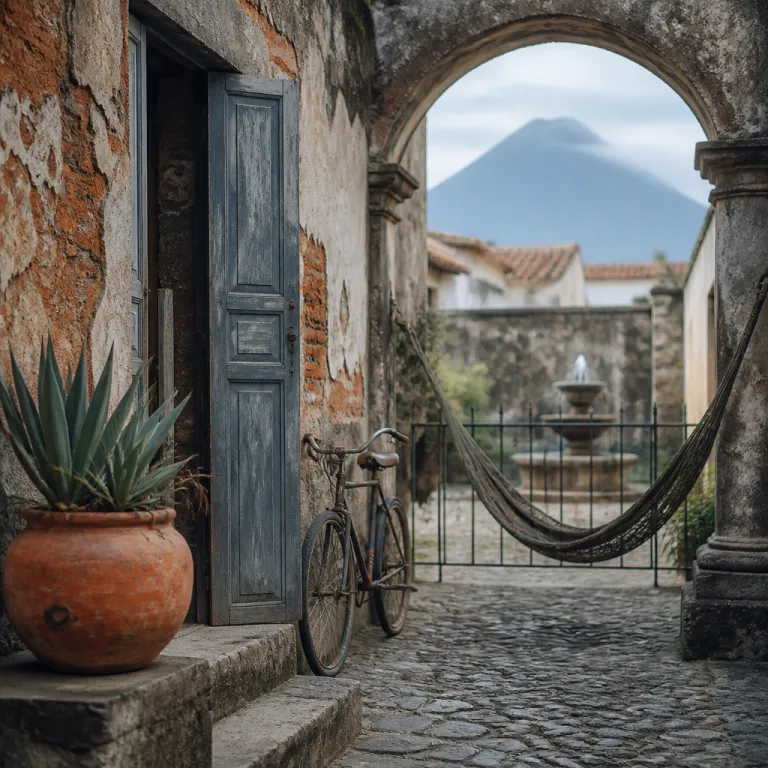
What to do in Antigua Guatemala beyond the usual city checklist
Working out what to do in Antigua Guatemala starts with slowing down. This compact colonial city in central Guatemala rewards travelers who wander its cobbled streets and look past the postcard façades for quieter stories. Plan at least one full day to simply walk, pause, and let the rhythm of the city guide your choices.
Begin your first morning in Antigua at Parque Central, where the cathedral, city hall, and shaded benches frame daily life in the most beautiful way. Around this central square, you will see tourists, local families, artisans, and street vendors sharing the same space, which makes it one of the best places to understand how Antigua Guatemala breathes. Use this time to orient yourself in the city, note the angles of Volcán de Agua on the skyline, and decide which historic landmarks you will visit later in the day.
For travelers focused on off the beaten path things, the key is to balance headline sights with quieter corners. A guided walking tour with a licensed local expert from groups such as AGTGUA or the Antigua Guatemala Certified Guides Association helps you interpret the ruined churches, convents, and plazas that dot the city, while self exploration later lets you drift into hidden courtyards. Official tourism sources suggest that Antigua welcomes well over a million visitors each year; exact figures vary by season and methodology, so treat any number as an approximation rather than a precise count, yet by choosing your time of day carefully you can still find great pockets of calm in the most visited areas.
Historic arches, convents, and viewpoints that reveal Antigua’s layered past
Any thoughtful list of what to do in Antigua Guatemala must include its historic arches and convents, but the way you experience them matters. The famous Santa Catalina arch, often called the Catalina Arch, draws crowds for photos, yet early morning or late afternoon light transforms this place into a quiet frame for Volcán de Agua. Walk the length of the street in both directions, because the different perspectives on the volcano and the city reveal how Antigua’s architecture was designed around its dramatic setting.
Just beyond the busiest blocks, the ruins of Santa Clara and Santo Domingo offer a more contemplative side to Antigua Guatemala. These former religious complexes, damaged by earthquakes, now host gardens, cloisters, and small museums where you can take your time to appreciate stonework and frescoes without pressure. If you are interested in industrial heritage and creative reuse of old structures, the way these spaces blend history and contemporary culture echoes the transformation described in this guide to exploring industrial heritage along the Buffalo River.
For a panoramic sense of the city, hike or take a short ride up to Cerro de la Cruz, often shortened to Cerro Cruz by locals. The viewpoint rises noticeably above the central grid according to municipal signage, and it will give you one of the best things any traveler can have in a new place, a mental map. From here you can trace the line from Parque Central to the Santa Catalina arch, spot the silhouettes of Volcán de Agua and the more distant Acatenango volcano, and plan which neighborhoods you will explore on foot later that day.
Volcano hikes and day trips for active travelers
When people ask what to do in Antigua Guatemala beyond churches and cafés, volcano hikes are usually my first answer. The city sits in a valley ringed by peaks, and the proximity of Pacaya volcano and Acatenango volcano makes it one of the best bases in Central America for accessible adventure. Choosing the right hike for your fitness level and time frame is essential, because each volcano offers a different style of experience.
Pacaya volcano is ideal for a half day trip, with most tours leaving the city in the morning or early afternoon and returning before nightfall. The hike typically takes two to three hours up and less coming down, and you will walk across cooled lava fields with views back toward Guatemala City and the wider highlands. On clear days you may see other volcanoes releasing thin plumes in the distance, which creates a powerful sense of the geological forces that shaped Antigua Guatemala and the surrounding region.
For travelers who want a deeper challenge, an overnight hike on Acatenango volcano ranks among the best things you can do during a stay in Antigua. Groups usually depart the city around midday, reach a high camp by late afternoon, and then wake before dawn to climb the final stretch for sunrise. The reward is a front row view of neighboring Fuego’s eruptions, a reminder that this beautiful place sits on a living fault line, and it will stay with you long after your trip through Central America ends.
If you prefer gentler excursions, consider a day trip from Antigua to Lake Atitlán, which lies roughly 70 to 80 kilometres away by road depending on the route. The drive generally takes about 1.5 to 2 hours each way in typical traffic, and the lake is ringed by villages with distinct Mayan identities, while the boat rides between them offer a different perspective on Guatemalan landscapes than the volcano hikes. Many travelers combine a relaxed morning at Lake Atitlán with an evening return to stay in Antigua, using the city as a comfortable base for wider exploration.
History enthusiasts may also appreciate how Antigua’s volcanic setting connects to other fortified or elevated sites worldwide, such as those described in this article on the enduring legacy of the Castle of the Moors in Sintra. Both regions show how topography, defense, and culture intertwine over centuries. Thinking in these terms turns a simple hike into a lesson in how people adapt to dramatic landscapes.
Food, coffee, and cooking classes that connect you with local life
Understanding what to do in Antigua Guatemala also means knowing where and how to eat. The city has become a hub for culinary tourism in Guatemala, with everything from simple comedores to refined restaurants showcasing regional ingredients. To keep your experience grounded, focus on places where local families, artisans, and guides actually sit down for a meal.
Start with street food and market stalls near the central area, where you can try tostadas, chuchitos, and fresh juices for very modest prices. Joining a guided food tour helps you navigate hygiene, etiquette, and language, while still leaving time to return later on your own to the stands you liked best. If you want to deepen your understanding of how food shapes a city, this piece on eating your way through a city like a local offers useful parallels for Antigua.
Coffee is another essential thread in the story of Antigua Guatemala, and tasting it where it is grown adds depth to your trip. Several fincas on the edge of the city and in the surrounding hills offer tours that explain cultivation, processing, and roasting, often ending with a cupping session. A visit to Caoba Farms, for example, combines organic agriculture, a café, and sometimes live music, and current visitors often report a small entrance fee or minimum consumption, which makes it a great place to spend a slow afternoon away from the busiest streets.
For travelers who enjoy hands on experiences, a Guatemalan cooking class in Antigua can be one of the best things you do during your stay. Many classes are led by local women who share family recipes for pepián, kak’ik, or rellenitos, and they will guide you through ingredients you may not recognize at first. By the end of the day you will not only have eaten excellent food, but also gained practical skills and stories that follow you home.
Throughout these experiences, remember the simple advice that local guides often repeat to tourists, “Wear comfortable shoes. Stay hydrated. Respect local customs.” These three short sentences apply as much to a crowded market as to a quiet courtyard or a farm visit. They also capture the spirit of responsible travel in a city that balances heritage, daily life, and a growing number of visitors.
Off the beaten path corners within the historic grid
Once you have seen the headline sights, the most rewarding part of what to do in Antigua Guatemala is often the unscripted wandering. Move a few blocks away from the main arteries leading to Parque Central and the Santa Catalina arch, and the pace of the city shifts noticeably. You will find residential streets where children play football, artisans carve wood in open doorways, and the sound of church bells replaces the buzz of tour groups.
One gentle route starts near Santo Domingo and loops through quieter eastern neighborhoods, where small chapels and ruined walls sit beside everyday homes. This is a great time to pay attention to details such as carved door knockers, hand painted tiles, and the way bougainvillea spills over high walls, because these small things in Antigua often reveal more character than the grand monuments. If you enjoy photography, the soft morning or late afternoon light in these streets will help you capture the city’s colors without harsh shadows.
Another worthwhile walk leads from the central market area toward the base of Cerro de la Cruz, passing workshops and modest eateries that rarely appear in guidebooks. Stop for a simple plate of comida típica, chat with the owner if you share a language, and you will gain a more nuanced sense of how local life unfolds beyond the tourist core. This kind of slow exploration turns a standard city visit into a richer trip, and it will help you answer your own version of what to do in Antigua Guatemala in a way that feels personal.
For travelers with more time, consider using Antigua as a base for multiple day trips rather than rushing on to Guatemala City or other hubs. A second or third day might include a return to Lake Atitlán, a repeat hike on Pacaya volcano in different light, or a deeper dive into nearby villages known for textiles and ceramics. By stretching your stay in Antigua, you give yourself space to notice patterns, from the timing of church processions to the way clouds gather around Volcán de Agua each afternoon.
Throughout these quieter explorations, digital tools such as maps, guidebook apps, and locally produced audio tours can enhance your understanding without dictating every step. Many cultural organizations and local tour companies now collaborate on such resources, which helps spread visitor traffic more evenly across the city. Used thoughtfully, they support the long term preservation of this UNESCO listed place while still giving you the freedom to roam.
Planning your time, safety, and practical tips for Antigua
To make the most of what to do in Antigua Guatemala, structure your days around the natural rhythm of light, temperature, and crowds. Mornings are ideal for walking tours of the central grid, visits to Santa Clara or Santo Domingo, and photography at the Catalina Arch before the day heats up. Afternoons suit museum visits, coffee tastings, or a relaxed hour in Parque Central watching the city move around you.
Tourism authorities and local guides generally agree that the dry season from November to April offers the best time for a first visit, with clearer views of Volcán de Agua and the surrounding volcanoes. That said, Antigua is a year round destination, and the softer light of the rainy months can make the city feel even more beautiful, especially just after a shower when the cobblestones shine. When planning your trip, remember the concise guidance shared with many visitors, “What is the best time to visit Antigua? Dry season, November to April. Are guided tours available? Yes, various options exist. Is Antigua safe for tourists? Generally, yes; exercise usual precautions.”
In practical terms, this means using licensed local guides for remote hikes, avoiding isolated streets late at night, and keeping valuables discreet in any busy city setting. Most travelers find Antigua feels safer than Guatemala City, yet it remains wise to treat it with the same awareness you would bring to any urban area in Central America. If you stay in Antigua for several nights, you will quickly learn which routes feel most comfortable at different times of day, and this local knowledge becomes one of the best things you carry with you.
Finally, consider the broader impact of your choices on the city and its residents. Choosing locally owned cafés, booking tours with community based operators, and buying directly from artisans in markets or workshops all help keep more of your travel spending in Guatemala. Over time, these small decisions support the preservation of Antigua’s historic fabric, from the grand facades around Parque Central to the humbler corners where daily life quietly unfolds.
Key figures for planning a meaningful stay in Antigua
- Antigua receives well over a million tourists per year, according to broad estimates from the Guatemalan Tourism Institute (INGUAT) and local authorities, which means timing your city walks early or late in the day can significantly reduce crowding at major landmarks.
- The Cerro de la Cruz viewpoint stands noticeably higher than the central grid, based on local topographic estimates and municipal signage, so even a short hike there provides a cooler breeze and a wide angle view of Volcán de Agua and the surrounding valley.
- Lake Atitlán lies roughly 70 to 80 kilometres from Antigua by the most common road routes, and most organized day trips involve around three to four hours of total driving, which makes it feasible as a single day excursion while still allowing time on the water.
- Typical Pacaya volcano hikes involve two to three hours of ascent and one to two hours of descent, so travelers should plan at least a half day including transport from and back to the city.
- Walking tours of the historic centre usually cover three to five kilometres over two to three hours, which underscores the importance of comfortable shoes and regular hydration in Antigua’s highland climate.
FAQ about what to do in Antigua Guatemala
How many days should I plan for Antigua on my trip ?
For most travelers, two to three full days in Antigua strikes a good balance between city exploration and nearby excursions. One day lets you see the central grid, Parque Central, and key ruins, while a second day opens time for a volcano hike or a visit to Caoba Farms. A third day allows a relaxed day trip to Lake Atitlán or simply slower wandering through less visited neighborhoods.
Is Antigua safe for solo travelers and families ?
Antigua is generally considered one of the safer destinations in Guatemala, especially compared with larger cities such as Guatemala City. Normal urban precautions still apply, including avoiding poorly lit streets late at night and keeping valuables out of sight in crowded areas. Many solo travelers and families report feeling comfortable walking between central sights during the day and early evening.
What is the best way to explore the historic centre ?
The most rewarding way to experience the historic centre is on foot, combining a guided walking tour with time for independent wandering. A guide can explain the history of sites such as Santa Catalina, Santa Clara, and Santo Domingo, while self exploration later lets you linger in places that resonate with you. Comfortable shoes, sun protection, and a flexible schedule will make your day in the city far more enjoyable.
Do I need a guide for volcano hikes near Antigua ?
For Pacaya volcano and Acatenango volcano, hiring a licensed local guide or joining an organized group is strongly recommended. Guides know the routes, monitor weather and volcanic activity, and coordinate transport from Antigua, which improves both safety and logistics. Even experienced hikers usually find that the local knowledge and cultural context provided on these tours adds significant value to the trip.
Can I visit Lake Atitlán as a day trip from Antigua ?
Yes, many travelers visit Lake Atitlán as a day trip from Antigua, either with a tour company or a private driver. The journey typically takes about 1.5 to 2 hours each way in normal conditions, leaving several hours for boat rides and village visits around the lake. If you have more time in your itinerary, an overnight stay at the lake allows a slower pace, but a single day still offers a memorable glimpse of this iconic landscape.