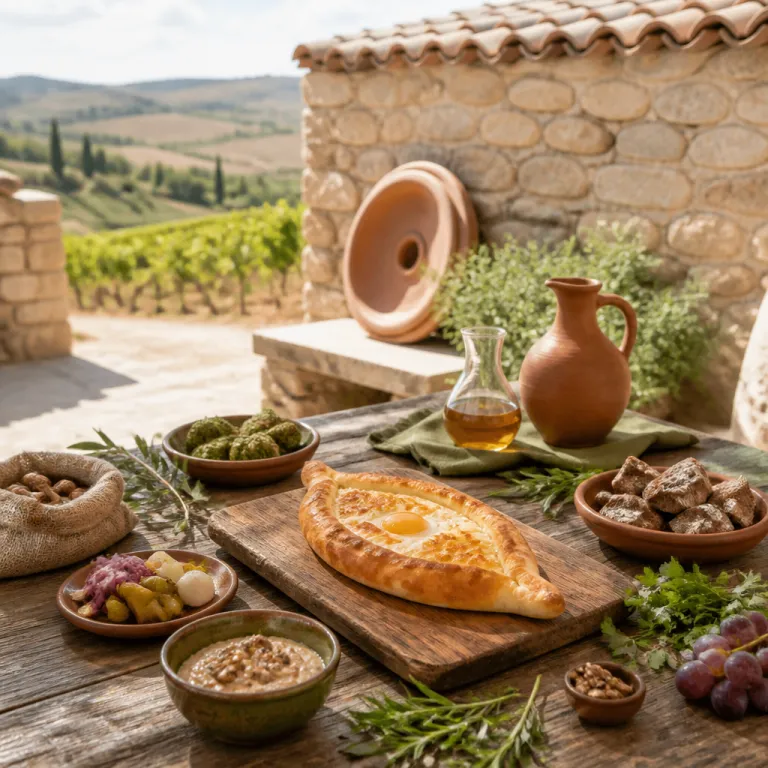
Why Georgia belongs on your culinary map now
Georgia country sits quietly between the Black Sea and the Caucasus, yet its food culture feels anything but modest. This Georgia food travel culinary tourism guide is written for travelers who prefer a local table in a hidden village over a polished tasting menu in a famous city, and who want georgian food experiences that still feel unedited. As culinary tourism shifts toward story driven eating and away from checklist dining, this travel guide positions Georgia as the place where you can eat slowly, listen carefully, and feel a living cultural heritage in every course.
Here, food and wine are not products to be consumed quickly but expressions of identity, hospitality, and faith in the land. Georgian cuisine grew at the crossroads of Europe and Asia, absorbing spices from the Silk Road while staying rooted in traditional dishes shaped by mountain winters and fertile valleys, so every georgian dish carries a sense of place that most travel guides barely touch. This Georgia food travel culinary tourism guide will show how local markets, family run restaurants, and remote farmsteads form a food chain that still operates on trust, seasonal rhythms, and a belief that a guest at the table is a gift rather than a transaction.
In Tbilisi, the capital city, you feel this tension between old and new most clearly. The historic districts hold vaulted cellars where qvevri wines age beside jars of walnut paste and pickled vegetables, while nearby streets host a new series of contemporary georgian restaurants rethinking traditional georgian recipes without losing their soul. Reading this guide as a couple planning to eat Georgia together, you will find not only addresses but also a way to move through georgian culture respectfully, using food drinks and shared toasts as your most reliable local guide.
Supra, tamada, and the art of eating as a guest of honor
The supra, Georgia’s legendary feast, is the ritual that best explains why this Georgia food travel culinary tourism guide treats meals as cultural ceremonies rather than simple food stops. A supra is led by the tamada, the toastmaster who shapes the evening through a series of toasts that move from gratitude and love to memory and loss, while the table fills with traditional dishes that keep arriving until you lose count. When you eat Georgia in this way, you participate in a form of culinary citizenship, where georgian dishes become a language of respect and the guest is invited into the family’s cultural heritage rather than seated at a performance.
Platters of khachapuri, the cheese filled bread that exists in at least twelve regional varieties, sit beside bowls of pkhali made with walnut paste, herbs, and seasonal vegetables. At a well run supra in a local home or at one of the better local restaurants in Tbilisi, you might taste a traditional georgian salad of tomatoes and cucumbers dressed with crushed walnuts, followed by grilled meats, slow cooked beans, and bright pickles that cut through the richness of the food drinks pairing. For travelers used to quick restaurant experiences, the supra’s pace feels almost radical, because the meal will stretch for hours and the tamada will insist that every toast, every georgian dish, and every story be given time.
Respecting this structure matters more than chasing hidden addresses or viral recommendations. Hosts appreciate when visitors arrive with a basic guide level understanding of etiquette, such as waiting for the tamada’s first toast before drinking and sampling at least a little of each of the traditional dishes offered. For a deeper sense of how traditional dishes in off the beaten path destinations can frame an entire journey, you can explore this culinary journey beyond the ordinary, then return to Georgia ready to read full meaning into every plate placed in front of you.
Khachapuri, khinkali, and the regional language of georgian dishes
No Georgia food travel culinary tourism guide is credible without a clear map of khachapuri and khinkali, the two georgian dishes that anchor everyday eating and regional pride. Khachapuri is a traditional georgian cheese bread, yet that simple description hides a series of distinct styles, from the boat shaped Adjarian version crowned with egg and butter to the Imeretian round that locals eat for breakfast, lunch, and late night snacks. When you travel with a local guide or rely on well researched travel guides, you start to notice how each valley, each city, and each village tweaks the dough, the cheese, and the baking method to reflect its own micro culture.
Khinkali, the pleated dumplings filled with spiced meat or mushrooms, tell a similar story of landscape and movement. In mountain regions, where shepherds once needed compact, high quality calories, khinkali were designed as a practical food product that could be boiled quickly and eaten by hand, with the top knot acting as a handle, and this practical origin still shapes how locals eat them today. A thoughtful travel guide will remind you to season them only with black pepper, to bite carefully and sip the broth first, and to leave the doughy stem on the plate, small gestures that signal respect for georgian culinary traditions rather than casual consumption.
Beyond these icons, regional tables introduce you to lesser known traditional dishes that rarely appear in mainstream travel guides but define the daily food chain in rural Georgia. In western regions, walnut paste thickens sauces for fish and vegetables, while in eastern areas you might encounter herb rich stews that reflect a different climate and set of local products. For more context on how traditional dishes can anchor travel in lesser known regions worldwide, this piece on savoring traditional dishes beyond the ordinary offers useful parallels that will enrich your reading of every georgian dish you meet.
Tbilisi’s evolving table: from markets to natural wine cellars
Tbilisi is where this Georgia food travel culinary tourism guide shifts from rural feasts to urban experimentation, without losing sight of the local roots that keep georgian cuisine grounded. Morning begins best in the city’s covered markets, where traders stack herbs, cheeses, and churchkhela, the grape must and walnut sweets that hang like edible rosaries above crates of seasonal products. Walking these aisles with a local guide or a patient vendor, you see how the food chain still runs through small scale producers, with many products arriving directly from nearby villages rather than industrial suppliers.
By afternoon, the same ingredients reappear in Tbilisi’s new generation of restaurants, where Georgian chefs trained abroad return home to reinterpret traditional dishes with a lighter touch. They might plate lobio, the clay pot beans, with pickled jonjoli blossoms and a drizzle of walnut paste, or serve grilled vegetables with natural wine from a qvevri buried in a Kakheti vineyard, creating experiences that feel both modern and deeply rooted in cultural heritage. These local restaurants form a quiet series of addresses where couples can eat Georgia at a slower pace, pairing georgian food with thoughtful food drinks that highlight the country’s ancient winemaking methods.
As evening falls, Tbilisi’s basement wine bars and repurposed cellars become the city’s most compelling hidden spaces. Here, local winemakers pour amber wines and explain how qvevri fermentation differs from stainless steel, often echoing the dataset’s clear answer that “Use of qvevri, clay vessels for fermentation, and ancient winemaking methods.” is what makes Georgian wine unique. For travelers who enjoyed our elegant guide to going beyond the usual route in Positano, the shift from Italy’s polished coastal dining to Tbilisi’s raw, brick lined cellars offers a similarly layered experience, and you can trace that sensibility through this elegant guide to Positano beyond the usual route before planning your own nights in the Georgian capital.
From Kakheti vineyards to mountain villages: where landscape shapes the plate
Leaving the city, this Georgia food travel culinary tourism guide follows the food chain back to its sources, where the relationship between landscape and plate becomes unmistakable. In Kakheti, the country’s main wine region, vineyards stretch across gentle hills, and many family cellars still bury their qvevri underground, producing natural wines that taste of clay, stone, and sun warmed fruit. Staying at a small guesthouse with a local guide, you might help harvest grapes in the morning, press them by hand, and then eat Georgia at a long outdoor table as the sun sets over rows of vines.
Farther north, in Tusheti and Svaneti, the air cools and the food shifts toward hearty, high quality calories designed for mountain life. Cheese making becomes central, with curds shaped and aged in ways that reflect centuries of adaptation to altitude, climate, and isolation, and these products appear in simple georgian dishes that prioritize nourishment over show. Herb gathering is still a seasonal activity here, and the resulting traditional dishes, often finished with walnut paste or clarified butter, carry the aroma of wild meadows and forest edges, a direct expression of georgian culinary traditions shaped by necessity.
These regions remain relatively hidden from mass tourism, which means your experiences will depend heavily on relationships rather than reservations. A thoughtful travel guide or a well connected local guide can introduce you to families who open their homes for supra style meals, where georgian dishes arrive in a steady series and the conversation ranges from harvests to history. Reading about these places is useful, but when you finally sit at a wooden table in a stone house and read full meaning into a simple bowl of beans or a slice of cheese, you understand how deeply food, culture, and landscape intertwine in Georgia country.
Traveling as a culinary citizen, not just a hungry visitor
The most rewarding way to use this Georgia food travel culinary tourism guide is to treat yourself as a temporary participant in georgian culture rather than a passing consumer. Culinary citizenship begins with small choices, such as prioritizing local restaurants over international chains, asking about the origin of products on the table, and respecting the rhythm of traditional dishes instead of demanding quick service. When you approach each georgian dish with curiosity and patience, you support a food chain that still relies on family farms, seasonal markets, and craft producers rather than anonymous suppliers.
Practical steps help translate this mindset into daily travel decisions. Spend your mornings in markets, where you can taste churchkhela, sample cheeses, and talk with vendors about their products, then follow a local guide to a nearby eatery that cooks with those same ingredients, creating a direct line from stall to plate. Choose experiences that include hands on cooking with Georgian chefs, visits to qvevri cellars with local winemakers, and supra evenings where you can listen to toasts and stories, because these encounters deepen your understanding of georgian cuisine as living cultural heritage rather than a checklist of georgian dishes.
Reading widely before you go, from travel guides to focused essays on traditional georgian food, will sharpen your eye for detail once you arrive. As you eat Georgia across Tbilisi, Kakheti, and the mountain regions, you will start to notice how walnut paste appears in different contexts, how food drinks pairings shift with altitude, and how each city or village adds its own accent to shared culinary traditions. In the end, the most valuable souvenir from Georgia country is not a physical product but a new way of sitting at the table, one that treats every guest as a gift and every meal as a chance to discover Georgian generosity in its most authentic form.
FAQ: Georgia’s food culture and practical travel questions
What is khachapuri, and how many types exist in Georgia ?
Khachapuri is a traditional Georgian cheese filled bread that varies by region, with shapes ranging from round loaves to boat like forms topped with egg and butter. Culinary researchers and local sources commonly reference around a dozen distinct styles, each reflecting local products and baking traditions. When you travel with a Georgia food travel culinary tourism guide, you will encounter several varieties in both city bakeries and village homes.
What makes Georgian wine different from other wine regions ?
Georgian wine stands apart because many producers still ferment and age their wines in qvevri, large clay vessels buried underground that create stable temperatures and unique textures. This method, used for both amber and red wines, is considered one of the oldest continuous winemaking traditions in the world and shapes the country’s cultural heritage around wine. Visitors who include vineyard visits and cellar tastings in their travel guide plans gain a deeper understanding of how georgian cuisine and wine evolved together.
What is a supra, and how should visitors behave during one ?
A supra is a traditional Georgian feast structured around multiple courses and formal toasts led by a tamada, or toastmaster, who guides the emotional arc of the evening. Guests are expected to wait for the first toast before drinking, to sample at least a little of each of the traditional dishes offered, and to listen respectfully during toasts, which often touch on family, friendship, and memory. Approaching a supra with patience and curiosity allows travelers to participate in georgian culture rather than simply observing it.
Where should food focused travelers start in Tbilisi ?
Food travelers should begin in Tbilisi’s central markets, where they can see and taste the ingredients that define georgian dishes, from fresh herbs and cheeses to walnut paste sweets and spices. From there, a mix of classic local restaurants serving traditional georgian recipes and newer spots exploring modern georgian cuisine offers a balanced view of the city’s evolving table. Pairing these meals with visits to natural wine bars and small cellars creates a rounded Georgia food travel culinary tourism guide experience within the capital.
How can travelers support local food chains and artisans in Georgia country ?
Travelers can support the local food chain by choosing family run guesthouses, eating at independent local restaurants, and buying products such as cheese, honey, and wine directly from small producers whenever possible. Joining guided market walks, cooking classes with Georgian chefs, and visits to village cellars helps channel spending toward artisans who preserve traditional practices. These choices strengthen the economic base that keeps georgian culinary traditions and cultural heritage alive for future visitors and for the communities themselves.