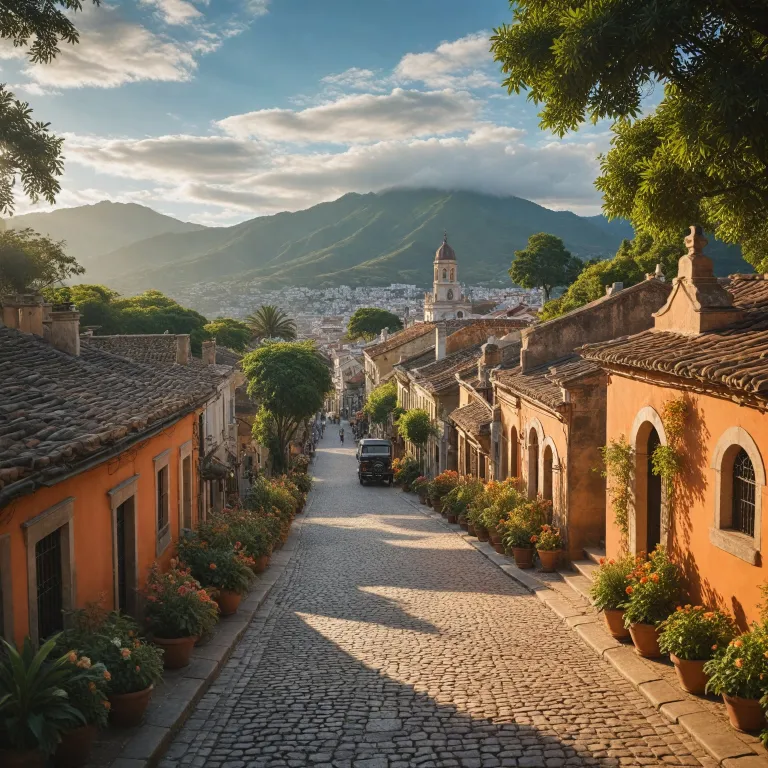
Why beautiful historic cities in South America reward the curious traveler
Across South America, each historic city tells a layered story. These stories blend Indigenous roots, colonial power, and modern cultural energy into streets that feel intensely alive. For travelers seeking the best places beyond standard itineraries, this region offers rare depth.
Many of the most beautiful historic cities in South America grew from strategic locations along trade routes. Their historic centre districts still reveal how commerce, faith, and politics shaped every plaza and church façade. When you walk through any such city, you engage directly with centuries of history and living heritage.
UNESCO plays a central role in protecting this shared heritage across the continent. The organization designates cultural and natural heritage sites, helping local governments secure funding and expertise. These UNESCO heritage initiatives support both preservation and sustainable travel, ensuring that visitors can appreciate fragile streetscapes without overwhelming them.
Within this context, cities south of the equator such as Cusco, Ouro Preto, and Buenos Aires stand out. Each city in this trio offers a distinct balance of cultural heritage, natural surroundings, and contemporary life. Together, they form a powerful introduction to the most beautiful historic cities in South America for travelers who value authenticity.
Planning meaningful travel in this part of America requires more than a checklist of heritage sites. It calls for understanding how national park systems, local communities, and urban planners collaborate. Their shared goal is to protect both the historic and natural environment while welcoming visitors respectfully.
To deepen your experience, engage local guides who interpret history with nuance. They can explain how national and municipal policies affect preservation in each city. They also help you navigate lesser known places to visit that still reflect the region’s cultural soul.
Cusco, Machu Picchu, and the layered heritage of Peru
High in the Andes of Peru, the city of Cusco offers one of the most compelling historic centres in South America. Once the capital of the Inca Empire, this city became a showcase of Spanish colonial architecture built directly atop Indigenous foundations. Walking its streets reveals how two civilizations collided, merged, and ultimately created a unique cultural landscape.
Today, Cusco and nearby Machu Picchu form one of the best places for travelers interested in both cultural and natural heritage. Machu Picchu, a UNESCO heritage icon, rises above a dramatic national park style setting of cloud forest and steep peaks. The combination of archaeological precision and wild scenery makes this corner of Peru one of the defining sites south of the equator.
Within Cusco itself, the historic centre blends Inca stonework with baroque churches and mansions. Many visitors focus only on the most famous squares, but quieter streets reveal some of the best things about the city. Here, you can see how residents adapt historic buildings to contemporary life while respecting strict preservation rules.
Peru Lima, the coastal capital, offers a complementary perspective on the country’s history. Its own historic centre, also recognized by UNESCO, showcases grand plazas, monasteries, and civic buildings that narrate the colonial era. Together, Cusco and Peru Lima illustrate how cities south of the Andes developed different roles within the same national story.
Travel between these cities in America allows you to trace trade routes, religious networks, and political power. Along the way, you encounter smaller places south of the main tourist corridors that still preserve remarkable heritage sites. For more ideas on extending such itineraries into the Caribbean, consider this detailed guide to off the beaten path places to visit in Cuba.
Throughout Peru, local governments and communities collaborate closely with UNESCO and national agencies. Their shared efforts focus on safeguarding both cultural monuments and the surrounding natural environment. Visitors support this work by following site guidelines and choosing responsible travel operators.
Buenos Aires and the Atlantic crossroads of Argentina
On the Atlantic coast of Argentina, Buenos Aires stands as one of the most complex cities south of the tropics. This vast city combines European inspired architecture, Latin American energy, and a deep history of migration. For travelers interested in beautiful historic cities in South America, its older neighborhoods reward slow, attentive exploration.
The historic centre of Buenos Aires reveals how trade, politics, and culture shaped Argentina. Around the Plaza de Mayo, monumental civic buildings and churches narrate key chapters in the country’s history. Nearby streets showcase a mix of neoclassical, art nouveau, and rationalist styles that reflect shifting economic fortunes.
Beyond the central core, districts such as San Telmo and La Boca offer some of the best things to experience in the city. Cobblestone streets, traditional cafés, and street art create a layered atmosphere where past and present coexist. These areas highlight why Buenos Aires ranks among the best places for cultural travel in America.
Argentina also shares some of South America’s most dramatic natural heritage with neighboring Brazil. The Iguazú Falls region, straddling the border between Brazil and Argentina, is protected as a national park on both sides. This extraordinary natural park complements the urban heritage of Buenos Aires by revealing the continent’s raw power.
Travelers who appreciate both cultural and natural heritage often combine Buenos Aires with Iguazú Falls in a single journey. This pairing illustrates how sites south of major capitals can balance city experiences with immersive landscapes. For another perspective on authentic Caribbean journeys, this guide to unforgettable places to go in Cuba offers useful parallels.
Within Argentina, local governments work with UNESCO and conservation organizations to manage visitor flows. Their aim is to protect both heritage sites and national park ecosystems while sustaining local economies. Respecting marked trails, supporting community led initiatives, and learning about regional history all contribute to this balance.
Ouro Preto, Rio de Janeiro, and Brazil’s baroque and coastal legacies
In the hills of southeastern Brazil, the city of Ouro Preto preserves one of the continent’s finest baroque ensembles. Once a gold rush centre, this city now stands as a UNESCO heritage jewel with steep streets and ornate churches. Its historic centre offers a vivid sense of how wealth, faith, and labor shaped colonial America.
Ouro Preto’s churches and civic buildings display intricate carvings and gilded interiors that reward careful observation. Many travelers consider it among the best places in Brazil for understanding colonial history. The city’s layout, adapted to rugged terrain, also reveals how natural landscapes influenced urban design in cities south of the equator.
Further east, Rio de Janeiro presents a different facet of Brazil’s heritage. The city’s historic core, port area, and surrounding hills tell stories of empire, slavery, and modern reinvention. At the same time, Rio de Janeiro is framed by dramatic natural features that later became protected as a national park system.
The Tijuca National Park, reforested in the nineteenth century, now forms a green backdrop to the city. This natural park demonstrates how conservation can coexist with dense urban life in South America. Together, Ouro Preto and Rio de Janeiro show how Brazil integrates cultural and natural heritage within a single national narrative.
Travelers exploring these cities south of the Amazon often extend their journeys to Iguazú Falls. Shared by Brazil and Argentina, this waterfall complex is one of the most impressive natural heritage sites in the region. The surrounding national park areas protect rare ecosystems while offering carefully managed access to viewpoints and trails.
When planning travel in Brazil and Argentina, consider how each city and park fits into a broader itinerary. Combining Ouro Preto, Rio de Janeiro, and Iguazú Falls creates a nuanced portrait of history and landscape. It also highlights why beautiful historic cities in South America are best appreciated through thoughtful, paced journeys.
From Lima to Santa Cruz: gateways to lesser known heritage
While Cusco and Buenos Aires often dominate itineraries, other cities south of the equator provide quieter perspectives. Peru Lima, for example, serves as both a modern capital and a repository of colonial architecture. Its historic centre, with grand plazas and cloisters, ranks among the most important cultural districts in South America.
In the city of Lima, museums and archives help contextualize sites south of the capital such as coastal haciendas and archaeological complexes. These institutions explain how trade, religion, and governance linked different regions of Peru. For travelers, they offer some of the best things to do before venturing into the highlands or rainforest.
Further south and east, Santa Cruz in Bolivia acts as a gateway to lesser known heritage sites. While not as visually ornate as Ouro Preto or Cusco, this city connects travelers to Jesuit missions and natural reserves. These places south of mainstream circuits reveal how cultural and natural heritage intertwine across frontiers.
From Santa Cruz, it is possible to reach national park areas that protect unique ecosystems. These parks, though less famous than Iguazú Falls or the Galápagos Islands, play a crucial role in regional conservation. Visiting them underscores how America’s southern cone balances development with environmental stewardship.
Travelers interested in coastal heritage might also look beyond South America itself. The Atlantic and Pacific shores of the wider region host fishing towns, port cities, and protected beaches. For inspiration on quieter coastal experiences, this guide to quiet shores and wild waves in Oaxaca illustrates how to approach such landscapes respectfully.
Across these cities and regions, local governments collaborate with UNESCO and community organizations. Their shared objective is to protect heritage sites while ensuring that tourism supports, rather than displaces, residents. As a visitor, choosing locally owned services and following conservation guidelines helps sustain this delicate equilibrium.
Natural heritage alongside the cities: Iguazú Falls and the Galápagos Islands
Many of the most beautiful historic cities in South America sit near extraordinary natural landscapes. This proximity allows travelers to combine cultural immersion with encounters in national park environments. Among the most striking examples are Iguazú Falls and the Galápagos Islands, both central to the continent’s identity.
Iguazú Falls, shared by Brazil and Argentina, forms a vast curtain of water framed by subtropical forest. The surrounding national park areas on both sides protect rich biodiversity and fragile ecosystems. Carefully designed walkways and viewpoints allow visitors to experience the falls while minimizing impact on the natural environment.
These parks illustrate how sites south of major cities can anchor regional tourism strategies. Travelers often pair Iguazú with urban stays in Buenos Aires or Rio de Janeiro, creating balanced itineraries. This combination highlights the contrast between dense city life and the raw power of natural heritage.
Further west, the Galápagos Islands off the coast of Ecuador represent another pillar of South America’s natural heritage. While not cities, these islands influence how travelers think about conservation across the continent. Strict regulations, limited visitor numbers, and scientific research programs demonstrate a rigorous approach to protecting unique ecosystems.
For travelers focused on cultural heritage, visiting such natural sites can deepen understanding of regional history. Trade routes, scientific expeditions, and conservation movements all link cities south of the equator with these remote landscapes. In this sense, Iguazú Falls and the Galápagos Islands complement rather than compete with urban heritage sites.
When planning travel in America’s southern regions, consider how each city and park fits into a coherent narrative. Combining historic centres, national parks, and coastal areas creates a richer sense of place. It also aligns with growing interest in sustainable travel that respects both cultural and natural heritage.
Planning responsible journeys through historic cities south of the equator
Designing an itinerary through the most beautiful historic cities in South America requires thoughtful preparation. Research each city’s heritage sites and seasonal patterns to avoid overcrowded periods. This approach improves your experience while easing pressure on fragile historic centres and national park ecosystems.
Before you travel, study how UNESCO heritage designations shape local preservation policies. Many cities south of the equator rely on these frameworks to secure funding and technical support. Understanding this context helps you appreciate why certain streets, plazas, or natural areas have restricted access.
Once on the ground, engaging local guides is one of the best things you can do. They provide nuanced interpretations of history, from precolonial societies to modern urban planning. They also know lesser known places to visit that still reflect each city’s cultural and natural character.
Responsible travel in America’s southern regions also involves practical choices. Opt for walking, cycling, or public transport within the city whenever possible to reduce environmental impact. In national park areas, stay on marked trails, respect wildlife distances, and follow all ranger instructions.
Visitors often ask how they can contribute directly to preservation efforts. "Visitors can contribute by respecting site guidelines, supporting local businesses, and donating to preservation organizations." This simple guidance, combined with informed travel decisions, helps sustain both heritage sites and local livelihoods.
Ultimately, the best places in South America reward travelers who move slowly and attentively. By linking cities such as Cusco, Lima, Ouro Preto, Rio de Janeiro, Buenos Aires, Santa Cruz, and nearby natural parks, you create a coherent narrative. This kind of journey reveals why the region’s historic cities and landscapes remain among the world’s most compelling.
Key statistics on South American heritage
- Number of UNESCO World Heritage Sites in South America : 97 sites.
- Annual tourists visiting Cartagena, Colombia : 2.5 million.
- Percentage of Cuenca’s population involved in tourism related activities : 15 percent.
Essential questions about visiting historic cities in South America
What are some must visit historic cities in South America?
Some notable historic cities include Cartagena (Colombia), Quito (Ecuador), Cusco (Peru), and Valparaíso (Chile). Each city offers a distinct blend of architecture, cultural traditions, and urban landscapes. Together, they provide an excellent starting point for exploring the continent’s heritage.
How can I contribute to the preservation of these historic cities?
Visitors can contribute by respecting site guidelines, supporting local businesses, and donating to preservation organizations. Choosing responsible tour operators and minimizing environmental impact also helps. Engaging with community led initiatives further strengthens local conservation efforts.
Are there guided tours available in these cities?
Yes, most historic cities offer guided tours, often available in multiple languages, to enhance visitor experience. These tours range from general overviews to specialized walks focused on architecture or social history. Booking with certified local guides ensures accurate information and supports the local economy.