Why Cozumel rewards travelers who go beyond the usual beaches
Cozumel in Mexico is often reduced to a quick cruise stop and a single beach. Yet this low slung island in the western Caribbean quietly shelters wild corners, subtle Mayan stories, and marine life that rivals far more famous destinations. Many travelers rush through a day on Cozumel Mexico without realizing how many layered experiences and lesser known attractions wait just beyond the main pier.
Start by treating Cozumel as a place to linger rather than a simple Caribbean cruise port of call. Spend at least one full day and ideally several days exploring both the populated west coast and the wind carved east, because the most rewarding moments emerge when you leave the main beaches and venture inland. The more time you invest in visiting the island slowly, the more the texture of Cozumel Mexico reveals itself through quiet parks, small Mayan ruins, and empty stretches of playa where the only sound is water on coral reefs.
San Miguel Cozumel, the main town of Cozumel Mexico, is where most visitors first step ashore from a cruise ship. Use San Miguel as a practical base, but do not let the souvenir shops define your sense of the island or of Mexico itself. Within minutes you can trade the busy waterfront view for calm residential streets, a local beach park, and family run cafés that show a more authentic side of the island and the range of things Cozumel offers to curious travelers.
Quiet Caribbean beaches and wild eastern shores
The west coast of Cozumel in Mexico is famous for calm water and easy snorkeling from the shore. Yet the eastern side of the island feels like another world, with wind sculpted dunes, rougher Caribbean surf, and long empty playas that remain some of the best off the beaten path beaches in the region. If you plan your day carefully, you can enjoy both sides and experience very different Cozumel beach scenes and coastal viewpoints without rushing.
On the west, choose a low key beach club that prioritizes reef friendly practices and limits loud entertainment. These quieter beach clubs often sit near healthy coral reefs, where marine life thrives in the clear water and where snorkeling reveals turtles, rays, and clouds of reef fish. When you want a change of pace, drive or cycle across the island in about 25 to 35 minutes to reach wild playas where there is no formal beach park, only sand, rock pools, and a wide Mexico view of the open Caribbean.
The eastern shore has fewer services, so bring water, sun protection, and respect for currents that can be strong. Stop at small roadside palapas for grilled fish and a simple beach, then continue along the coastal road to find your own perfect view with almost no one else around. Travelers who appreciate remote Atlantic islands such as those described in this guide to the Azores without the crowds will recognize the same sense of solitude on Cozumel’s wild side, even though this island sits firmly in the western Caribbean.
Punta Sur and the layered nature of Cozumel’s southern tip
Punta Sur Eco Beach Park is one of the best places to understand how land, water, and history intersect on Cozumel. This protected park occupies the southern tip of the island, where lagoons, mangroves, and a windswept beach meet a historic lighthouse and subtle traces of Mayan heritage. Many visitors list Punta Sur among the essential Cozumel attractions, yet large parts of the park still feel remarkably quiet.
Begin your visit at the lighthouse for a wide Mexico view over the Caribbean and the reef line that protects the island. From this high vantage point you can appreciate how coral reefs fringe the coast, shaping the calm water on the west and the rougher surf on the east, and you can trace the routes that Caribbean cruise ships follow as they approach Cozumel Mexico. After enjoying the view, head down to the lagoon area where guided boat tours reveal crocodiles, birdlife, and the delicate balance of marine life and mangrove roots.
Allow time for the beach at Punta Sur, which feels far removed from the busier beaches near San Miguel Cozumel. The sand here is wide, the water clear, and the sense of space perfect for a slow day that combines swimming, walking, and quiet reflection on the island’s Mayan and colonial past. Travelers who are drawn to remote islands at the end of the map, such as those explored in this story about Indonesia’s southernmost island, will find Punta Sur offers a similar feeling of being just far enough away from the usual routes.
Snorkeling, scuba diving, and the coral reefs that made Cozumel famous
For many travelers, the most compelling Cozumel activities unfold underwater along the island’s coral reefs. Cozumel Mexico lies on the Mesoamerican Barrier Reef, the second largest reef system on the planet, and this geography shapes almost every aspect of the island’s tourism. Whether you choose a relaxed snorkeling tour or a more technical scuba diving experience, the water clarity and marine life here are consistently impressive.
Snorkeling in Cozumel suits both beginners and experienced swimmers, with options ranging from shallow beach entries to boat based reef tours. From a calm beach park near San Miguel you can often swim directly over coral heads, watching schools of fish and the occasional turtle glide through the water, while more advanced snorkelers may join a tour that visits several reef sites in one day. Always choose operators who brief guests on reef safe behavior, because the best things about Cozumel’s underwater world depend on protecting fragile coral reefs and the marine life that depends on them.
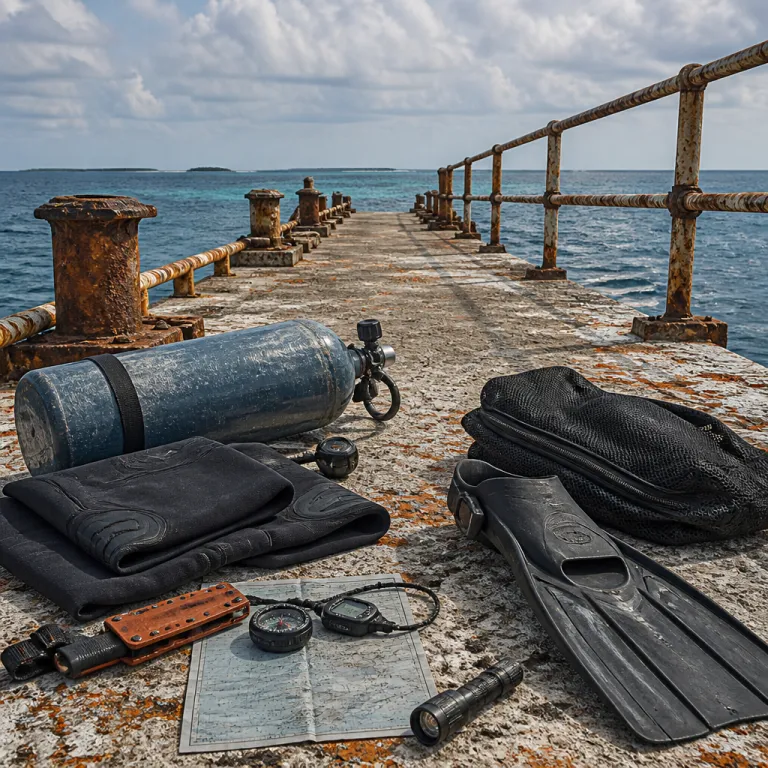
Scuba diving in Cozumel has earned a strong reputation among divers who appreciate drift dives and dramatic walls. Many dive sites lie a short boat ride from the island’s western shore, and the combination of clear water, healthy coral, and gentle current creates a perfect day for both training dives and advanced explorations. If you are arriving on a Caribbean cruise, consider planning at least one extra day on Cozumel specifically for diving, rather than trying to compress a full underwater experience into a few rushed hours.
Mayan heritage at San Gervasio and beyond the mainland ruins
While many visitors associate Mayan ruins with mainland sites near Playa del Carmen, Cozumel holds its own quieter archaeological story. San Gervasio, located in the island’s interior, was once an important Mayan pilgrimage site dedicated to the goddess Ixchel, and walking its shaded paths offers a very different experience from the large complexes on the mainland of Maya Mexico. Including San Gervasio in your Cozumel itinerary adds cultural depth to a trip that might otherwise focus only on beaches and water.
The ruins at San Gervasio are modest in scale compared with famous Mayan ruins such as Chichén Itzá, yet their setting on this Caribbean island makes them uniquely atmospheric. As you move between structures, you hear birds rather than crowds, and you can imagine ancient travelers crossing from the mainland near Playa del Carmen or San Miguel’s earlier settlements to complete their own spiritual journeys. Guides on site can explain how Cozumel Mexico fit into wider Maya Mexico trade routes, and how offerings once linked this island to other sacred places across the region.
Many travelers combine a visit to San Gervasio with a circuit of the island that includes a wild beach, a stop at a low key beach club, and perhaps a sunset view back near San Miguel Cozumel. This kind of day balances culture, landscape, and relaxation, and it shows how the most memorable Cozumel experiences emerge when you connect Mayan history with the present rhythm of island life. If you enjoy remote cultural sites and hidden waterfalls, you may also appreciate this account of an immersive trip to Kaieteur Falls, which shares a similar respect for place and tradition.
Designing your perfect day beyond the cruise pier
Many visitors first encounter Cozumel as a short stop on a western Caribbean cruise, but the island rewards a more intentional approach. Instead of limiting yourself to a single beach near the pier, design a perfect day that strings together several contrasting experiences, from a quiet park to a local meal in San Miguel Cozumel. This approach turns a standard list of Cozumel highlights into a personal narrative that feels both relaxed and rich.
One thoughtful itinerary might begin with an early swim at a calm beach park on the west coast, followed by a mid morning snorkeling tour over nearby coral reefs. After lunch in San Miguel, where you can sample regional dishes from Mexico and watch daily life unfold, head across the island to a wild beach on the east for a long walk and an uninterrupted Mexico view of the open sea. End the day back on the western side with a sunset drink at a small beach club, reflecting on how much more the island offers when you move beyond the immediate cruise zone.
If you have several days rather than a single day, consider adding time for scuba diving, a full visit to Punta Sur, and an unhurried exploration of San Gervasio and other Mayan ruins on the mainland near Playa del Carmen. You can travel by ferry between Cozumel and Playa del Carmen in roughly 45 minutes, then continue to sites inland before returning to the island for a quieter evening in San Miguel. Treating Cozumel Mexico as a base rather than a brief stop transforms the best things to see and do in Cozumel into a layered journey that connects beaches, history, and the wider seascape of Cozumel in Mexico.
Key figures about Cozumel travel and marine protection
- The Mesoamerican Barrier Reef, which includes the coral reefs off Cozumel, extends for about 1,000 kilometres along the coasts of Mexico, Belize, Guatemala, and Honduras, making it the second largest barrier reef system in the world according to the World Wildlife Fund (WWF, 2023; see WWF reports on the Mesoamerican Reef).
- Cozumel’s marine protected areas, including sections around Punta Sur and other parks, cover roughly 11,000 hectares of reef and coastal habitats, based on data from Mexico’s Comisión Nacional de Áreas Naturales Protegidas (CONANP, 2022; consult CONANP’s official protected area summaries), helping to safeguard marine life that supports snorkeling and scuba diving tourism.
- Before recent shifts in global travel patterns, Cozumel regularly received more than 3 million cruise passengers per year, according to the Administración Portuaria Integral de Quintana Roo (APIQROO, 2019; reported in APIQROO cruise statistics), which explains why planning a perfect day away from peak cruise hours can significantly improve the visitor experience.
- Studies cited by the National Oceanic and Atmospheric Administration (NOAA, 2021; summarized in NOAA resources on coral health and sunscreen) indicate that reef safe sunscreens without oxybenzone and octinoxate can reduce chemical stress on coral larvae, which is directly relevant for travelers who want to enjoy Cozumel’s beaches and water while minimizing impact on marine ecosystems.
FAQ about things to see and do in Cozumel
How many days should I spend on Cozumel to go beyond the cruise port ?
To experience both the main beaches and quieter areas such as Punta Sur and San Gervasio, plan at least two to three full days on the island. This allows time for snorkeling or scuba diving, a circuit of the eastern shore, and unhurried evenings in San Miguel Cozumel. Travelers with a strong interest in Mayan ruins or underwater photography often stay four to five days.
Is Cozumel good for first time snorkelers and non swimmers ?
Cozumel is well suited to first time snorkelers because many beaches on the western side offer calm, clear water and easy entries. Several operators provide flotation vests and guided tours that stay close to shore, which helps non swimmers feel more secure. Choose a beach park or beach club known for gentle conditions, clear safety briefings, and well reviewed Cozumel snorkeling tours.
Can I visit Mayan ruins on Cozumel without going to the mainland ?
Yes, San Gervasio on Cozumel is a significant Mayan archaeological site that can be visited in a half day. While it is smaller than major mainland ruins, it offers valuable insight into Maya Mexico pilgrimage traditions and the island’s spiritual role. Many travelers combine San Gervasio with a drive around the island to include both culture and coastal scenery.
What is the best way to avoid crowds from western Caribbean cruises ?
To avoid cruise crowds, start your day early and head away from the main pier area in San Miguel as soon as you arrive. Focus on less central beaches, Punta Sur, or the eastern shore during peak cruise hours, then return to town in the late afternoon when many passengers are re boarding. Staying overnight on the island rather than visiting only for a day also helps you enjoy quieter mornings and evenings.
Do I need a car to explore the island beyond the main beaches ?
Renting a car or hiring a private driver gives you the most flexibility to reach remote playas, Punta Sur, and San Gervasio in a single day. However, taxis and organized tours can also cover many of the best things to see and do in Cozumel if you prefer not to drive. Cyclists with experience in warm climates sometimes explore shorter sections of the coastal road by bicycle, especially near San Miguel.
Trusted references for further planning
- World Wildlife Fund (WWF) – information on the Mesoamerican Barrier Reef and coral reef conservation, including reports on the Mesoamerican Reef region.
- Comisión Nacional de Áreas Naturales Protegidas (CONANP) – official data on Mexico’s protected areas, including Cozumel’s marine parks and coastal reserves.
- National Oceanic and Atmospheric Administration (NOAA) – research on coral health, reef safe sunscreen, and marine ecosystems relevant to Cozumel and the wider Caribbean.