Why green sand beaches in Hawaii belong on your off‑grid map
Among all the remote shores in the Pacific, the green sand beaches in Hawaii feel almost otherworldly. Their muted olive sand and steep volcanic cliffs create a sand beach experience far removed from crowded stretches such as Waikīkī Beach. For travelers who read landscapes as stories, this Big Island coastline offers one of the most beautiful geological narratives in the archipelago.
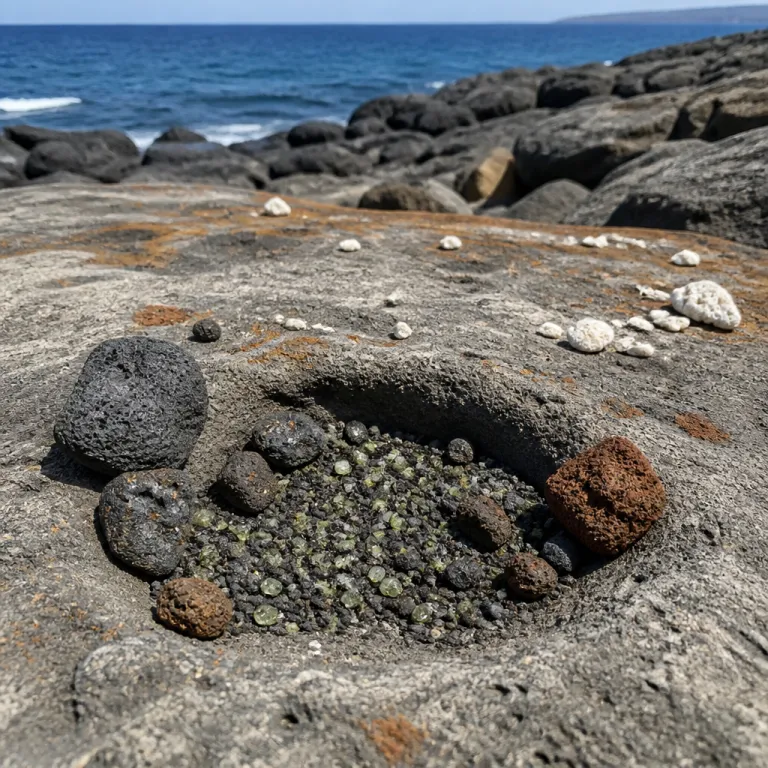
At the heart of this story stands Papakōlea Beach on the Big Island, a rare beach Hawaii highlight shaped by an ancient tuff cone. Here the green sand underfoot comes from olivine crystals, a dense mineral left behind as lighter volcanic fragments washed away into the sea. This Papakōlea green shimmer contrasts sharply with nearby black sand coves and the deep blue ocean, giving the shoreline a layered palette that feels almost painted.
Unlike the easy strolls that frame a typical resort‑based trip, reaching this beach green enclave demands intention and respect. The approach across the exposed lava fields near South Point strips the experience down to its essentials, with only wind, sky, and the sound of the green sea for company. For travelers seeking off the beaten path vacations, this combination of effort, isolation, and raw Hawaiian green scenery is precisely what makes Papakōlea Beach unforgettable.
Papakolea Beach and South Point: where geology shapes the journey
Papakōlea Beach lies close to South Point, the southernmost tip of the Big Island and a place long significant in Native Hawaiian culture. The tuff cone that shelters this sand beach is estimated to have formed tens of thousands of years ago, and over time waves patiently carved a small amphitheater where the green sand collects. Standing on the rim, you see the big sweep of the Pacific Ocean meeting cliffs that drop sharply into the green sea below.
The hike from the South Point parking lot to beach Papakolea covers roughly 2.5 miles (about 4 kilometres) each way across open, uneven terrain. Visitors can technically reach this beach big expanse by off road vehicles, yet local authorities and environmental advocates strongly encourage walking to reduce erosion. As the U.S. Geological Survey explains, the sand appears green because it contains olivine crystals, a dense mineral created during volcanic activity that remains after lighter fragments wash away.
Compared with the urban energy around Diamond Head and the busy promenades of Honolulu, this corner of the Big Island feels stark and elemental. There are no palm trees lining a boardwalk, no free shade structures, and no cafés to punctuate the hike, only the constant sound of wind and water. Travelers who appreciate quiet coasts and uncrowded horizons often find this remote edge of Hawaii deeply rewarding.
Planning your hike to Hawaii’s rare green sand cove
Reaching Papakōlea Beach safely requires more preparation than a casual stroll to a resort sand beach. The 2.5 mile (4 kilometre) route from the South Point parking lot follows rough tracks with little shade, so sturdy shoes, sun protection, and at least 2 litres of water per person are essential. Because there is no reliable free drinking water or formal services along the way, each hiker should carry enough supplies for both the walk in and the return.
Most travelers start their trip early in the morning to avoid the strongest heat and to enjoy softer light on the green sand and surrounding cliffs. The descent into the small bay is steep and can feel slippery, especially where loose sand meets rock, so take your time, keep hands free, and watch for changing ocean conditions. Local guidance notes that swimming is only advisable on calm days because there are no lifeguards, powerful shore break is common, and the open sea can shift quickly.
Those planning longer vacations on the Big Island often combine this outing with visits to nearby black sand beaches and cultural sites. Before setting out, check current conditions and any access advisories from Hawaiʻi County or state park managers, make sure your vehicle is legally parked, and confirm you have a charged phone and a basic first‑aid kit in case of minor injuries. Whether you base yourself near Nāʻālehu or elsewhere on the Big Island, allow a full day for Papakōlea Beach so the hike, the ocean time, and the return never feel rushed.
How green sand beaches in Hawaii compare with other island shores
Travelers often ask how Papakōlea Beach compares with more famous stretches such as Waikīkī Beach or the coves of Maui. The contrast begins with colour, because the green sand at Papakōlea and the nearby black sand bays create a striking visual departure from the pale sand beaches that dominate postcards. Where Waikīkī offers a long, gently curving beach lined with palm trees and framed by Diamond Head, Papakōlea presents a compact amphitheater carved into volcanic rock.
On Oʻahu, the beach Hawaii experience centres on easy access, abundant services, and a lively social scene that suits many classic vacations. In Maui, visitors often split their time between golden sand beaches, snorkelling in clear water, and scenic drives that link one beautiful bay to the next. By contrast, the Big Island invites a more exploratory trip, where a single day might include a hike to a green sand cove, a stop at a black sand shore, and an evening watching lava glow in the distance.
For travelers who prefer quiet edges over crowds, Papakolea green landscapes sit in the same mental map as remote Caribbean or Mediterranean hideaways. You might pair this Hawaiian green adventure with a future journey to other low key island coasts if you enjoy contrasting oceans and different volcanic settings. In each case, the most memorable trips come from engaging deeply with one beach at a time rather than racing between too many sand beaches in a single vacation.
Respecting a fragile Hawaiian green ecosystem
The very qualities that make Papakōlea Beach special also make it vulnerable to careless visitation. Every grain of green sand represents countless years of geological processes, and removing even a small handful from the sand beach slowly erodes what future travelers can experience. Responsible visitors leave the beach green exactly as they found it, taking only photographs and careful memories.
Walking rather than hiring informal off road rides from the parking lot helps protect the thin soils and native plants that cling to this windy corner of South Point. Staying on established paths during the hike reduces erosion and keeps the fragile crust of volcanic ash intact, which in turn limits sediment washing into the green sea. Because there are no formal facilities at beach Papakolea, visitors must pack out all rubbish, follow posted rules from Hawaiʻi state authorities, and avoid using the surrounding lava fields as informal toilets.
Respect also extends to the ocean itself, where powerful swells can turn a seemingly calm day into a hazardous swim. The absence of lifeguards means each swimmer must read the water carefully and be willing to skip swimming if the sea looks unsettled or waves are breaking heavily on shore. By treating this corner of the Big Island as both a beautiful attraction and a living classroom, travelers help ensure that Papakōlea green sands remain intact for many more vacations to come.
Designing a wider Big Island itinerary around Papakolea
Building a thoughtful Big Island itinerary around Papakōlea Beach allows you to balance effort, rest, and variety. Many travelers base themselves on the Kona side, then plan a full day trip south that includes the hike, a stop at a nearby black sand cove, and a quiet meal in Nāʻālehu. Others choose to stay closer to the southern coast, trading nightlife for easier access to this remote sand beach and the wild cliffs of South Point.
When planning longer vacations, consider how different coasts of the Big Island complement one another across several days. A sequence might include snorkelling on a sheltered beach Hawaii bay one day, hiking to the green sand cove the next, and then exploring high elevation forests or lava fields inland. This rhythm of sea, mountain, and volcanic landscape keeps the trip engaging without overloading any single day with too much driving or hiking.
Travelers who have already experienced the energy of Waikīkī and the resort towns of Maui often find the Big Island a refreshing contrast. Here the focus shifts from built up promenades with palm trees to raw horizons where the ocean meets fresh lava, and where a single beach big enough for only a handful of people can feel like an entire world. By anchoring your vacation around Papakōlea green sands and then adding a few carefully chosen stops, you create a journey that feels both free spirited and deeply grounded in the Hawaiian landscape.
Key figures about Papakolea Beach and green sand shores
- The hike from the South Point parking lot to Papakōlea Beach covers about 2.5 miles (4 kilometres), which means most visitors should allow at least 45 to 60 minutes each way at a moderate pace.
- The tuff cone that shelters the green sand cove is considered geologically young, forming during relatively recent volcanic activity compared with older eroded coasts elsewhere in Hawaii.
- Papakōlea is one of only a handful of true green sand beaches in the world, so its single small bay on the Big Island represents a globally rare combination of olivine rich sand and accessible shoreline.
- Because there are no lifeguards and conditions can change quickly, local guidance stresses that swimming is only advisable on calm days, a reminder that safety decisions rest entirely with each visitor at this remote beach.
FAQ: green sand beaches in Hawaii
Why is the sand at Papakolea Beach green?
The sand at Papakōlea Beach appears green because it contains a high concentration of olivine crystals, a dense mineral created during volcanic eruptions. Over time, waves washed away lighter volcanic fragments and left the heavier olivine behind, concentrating it along the shore. This process gives the sand beach its distinctive Hawaiian green hue that contrasts with nearby black sand and golden shores.
How do you reach Papakolea Beach from South Point?
Access to Papakōlea Beach begins at a parking lot near South Point on the Big Island. From there, visitors follow a roughly 2.5 mile (4 kilometre) track across open lava fields to reach the rim above the green sand cove, then descend a short but steep path into the bay. Some informal vehicle rides operate along the route, yet walking the hike is strongly recommended to reduce environmental impact and to experience the landscape more fully.
Is it safe to swim at this remote green sand beach?
Swimming at Papakōlea Beach can be pleasant on calm days, but conditions change quickly and there are no lifeguards on duty. The open ocean exposure means strong currents and powerful shore break can develop, especially during winter swells. Local advice is clear that swimming is only safe when the sea looks calm, and even then visitors should stay close to shore, avoid swimming alone, and remain cautious.
Can you take green sand home as a souvenir?
Removing sand, rocks, or coral from beaches in Hawaii is strongly discouraged and may be illegal in some protected areas. At Papakōlea Beach, taking even small amounts of green sand gradually diminishes the very feature that makes the site unique for future travelers. Responsible visitors leave the beach green exactly as they found it and limit souvenirs to photographs and written memories of their trip.
How does Papakolea compare with more famous beaches like Waikiki?
Papakōlea Beach offers a remote, hike in experience with no facilities, in sharp contrast to the easy access and urban setting of Waikīkī Beach beneath Diamond Head. Where Waikīkī features long promenades, palm trees, and abundant services, Papakōlea presents a compact cove of green sand framed by rugged cliffs and open sea. Travelers seeking quiet, off the beaten path vacations often prefer Papakōlea and other Big Island shores, while those wanting nightlife and convenience may gravitate toward Oʻahu or Maui.