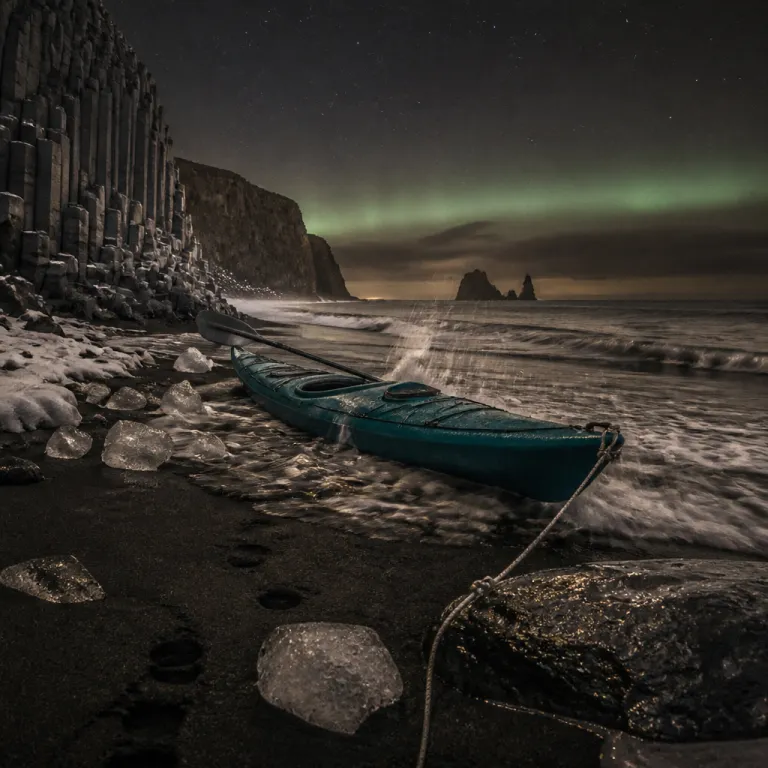
Off the beaten path Iceland winter tours for quiet travelers
Why iceland winter tours suit off the beaten path travelers
Iceland winter tours reward travelers who value silence, space, and raw landscapes. During winter the average temperature in coastal areas hovers close to 0 °C according to seasonal summaries from the Icelandic Meteorological Office (IMO), which keeps many casual visitors away and leaves the ring road and remote south coast surprisingly quiet. For someone seeking off the beaten path destinations, this season in Iceland offers the best balance between accessible infrastructure and a genuine sense of frontier travel.
Organized winter tours in Iceland typically focus on three pillars of experience: northern lights hunting, glacier and ice cave access, and cultural immersion in small communities. National park areas such as Þingvellir and Vatnajökull become vast amphitheaters of snow and ice, where a single day tour can feel like a full expedition. When you choose a winter package instead of improvising, you gain glacier-qualified guides, 4x4 vehicles, and structured customer support that quietly manage the risks behind the scenes.
Specialist operators such as Iceland Tours, Reykjavik Excursions, and Glacier Guides have built cold-season itineraries that combine guided segments with flexible free days. These tours in Iceland often include a drive tour along the south coast, a visit to the Blue Lagoon or another geothermal lagoon, and at least one dedicated northern lights night. For off the beaten path travelers, the key is to select a duration in days and nights that leaves room for detours away from Reykjavik and the Golden Circle, rather than rushing through a checklist of famous viewpoints.
Designing a quiet season itinerary beyond Reykjavik and the golden circle
Thoughtful iceland winter tours start by limiting how many regions you attempt to cover in a short duration of days. Many first-time visitors try to drive the entire ring road in a single winter tour, but road conditions and limited daylight make this both tiring and less rewarding. A better strategy for off the beaten path travel is to focus on south Iceland and one additional region, then deepen your experience through slower day winter excursions.
One refined itinerary pairs Reykjavik with the south coast and Vatnajökull National Park, using three to four days and nights in each base. From Reykjavik you can join a small group Golden Circle day tour that visits Þingvellir National Park, Geysir, and Gullfoss, then add a quieter drive tour to less visited hot springs or coastal villages. On the south coast you might spend a day on an ice cave tour near Skaftafell, another day walking black sand beaches, and a final day winter hike on a glacier with Glacier Guides.
As a concrete example, a nine-day off the beaten path winter itinerary could look like this: Day 1–2 in Reykjavik for city walks and a Golden Circle excursion; Day 3–5 based near Vík or Kirkjubæjarklaustur for waterfalls, black sand beaches, and a guided ice cave tour; Day 6–8 around Skaftafell and Jökulsárlón for glacier hikes and lagoon visits; Day 9 returning to Reykjavik with a final geothermal lagoon stop. This style mirrors slow-paced journeys, with built-in rest afternoons in small guesthouses rather than back-to-back tours in Iceland.
Northern lights without the crowds along Iceland’s wild coasts
For many travelers, iceland winter tours are synonymous with the northern lights, yet the most memorable aurora moments often happen far from Reykjavik parking lots. The Icelandic Tourist Board notes that aurora can be visible on roughly 100–150 nights per year in parts of the country, but the quality of each night depends on cloud cover, light pollution, and your willingness to leave the main road. Off the beaten path travelers should treat the aurora as a multi-night project, not a single ticketed event.
Small group winter tours that base you on the south coast or in remote west Iceland increase your chances of clear skies and solitude. Instead of one large coach tour, consider several shorter northern lights outings over multiple days and nights, or choose accommodation where you can simply step outside when alerts arrive. Data-driven travelers who already follow trends such as the shift toward dodging crowded destinations will appreciate how this approach spreads your aurora attempts and reduces pressure on any single night.
When comparing each northern lights tour, look beyond headline price in USD and examine group size, flexibility, and customer support policies. Some operators offer a free second attempt if the lights do not appear, while others provide real-time guidance on when to step outside or where to drive along the coast. One guide in west Iceland summed it up simply during a February aurora chase: “Plan for three nights of chances, and you’ll enjoy the journey even if the sky stays quiet.” The best view tour for off the beaten path seekers is often a hybrid, where you use a guided day tour to learn reading forecasts, then apply that knowledge on your own self-drive tour along quieter stretches of south Iceland or the Snæfellsnes peninsula.
Ice caves, frozen lagoons, and the art of winter safety
Among all experiences offered by iceland winter tours, entering a natural ice cave ranks as the most otherworldly and the most sensitive to safety. These caves form and shift within glaciers, which means only qualified glacier guides should decide when and how to access them. For off the beaten path travelers, the challenge is to balance the desire for remote ice caves with the non-negotiable need for professional oversight.
Reputable operators such as Glacier Guides, Local Guide of Vatnajökull, and Iceguide use super jeeps, glacier gear, and constant monitoring to select which ice cave is safe on any given day. Their winter tours often combine a short glacier hike with time inside a blue ice chamber, then a visit to a nearby glacier lagoon or black sand beach. When you compare tours in Iceland that include ice caves, pay attention to duration in days, group size, and whether the itinerary allows for weather-related flexibility, because conditions can change within a single day winter window and popular departures often sell out several weeks in advance.
Self-drive travelers should reserve guided ice cave and glacier activities well in advance, then build the rest of the ring road or south coast itinerary around those fixed appointments. Official advice from Safetravel Iceland and the Icelandic Meteorological Office such as “Dress in layers,” “Check weather forecasts,” and “Book tours in advance” remains valid, especially when wind and ice can close sections of road with little warning. Off the beaten path does not mean ignoring safety barriers; it means choosing less crowded access points to the same national park landscapes, while letting winter tour professionals handle the technical risks.
Self drive winter tours and Iceland’s evolving road rules
Self drive iceland winter tours appeal strongly to independent travelers who want to control their own pace along the ring road and beyond. Driving in Iceland during winter is considered safe with proper preparation and a 4x4 vehicle, yet it still demands respect for ice, wind, and rapidly shifting visibility. Off the beaten path itineraries often involve gravel side roads and coastal detours, which makes route planning and time buffers essential.
Many tour operators now sell structured self-drive winter tours in Iceland that bundle vehicle rental, accommodation, and pre-booked activities such as a Blue Lagoon visit or a Golden Circle day tour. These packages usually specify a clear duration in days and nights, suggested daily driving distances, and emergency customer support contacts. When you evaluate each package price in USD, consider the value of local expertise baked into the route design, especially for lesser-known south coast villages or remote national park gateways.
Regulatory changes across Europe are also reshaping how travelers who skip hotels approach car-based itineraries. If you are curious about how updated rental regulations affect long road journeys, you can study a detailed analysis of Europe’s new rental law and its impact on travelers who avoid traditional accommodation models. Applying those lessons to Iceland, the best practice is to read every rental clause, verify winter tire policies, and confirm whether your drive tour remains valid if certain roads close, so that your off the beaten path ambitions never conflict with safety or insurance rules.
Budgeting, value, and choosing the right winter tour partner
Thoughtful budgeting for iceland winter tours starts with understanding that headline prices in USD rarely tell the full story. A short northern lights excursion from Reykjavik might look cheap, yet provide limited flexibility and minimal customer support if weather turns poor. A longer winter tour that includes several day tours, an ice cave visit, and a Blue Lagoon stop may cost more, but often delivers better value per day winter experience.
When comparing tours in Iceland, list what is included in each price, such as transfers, meals, entrance to geothermal lagoons, and specialized gear for ice caves or glacier hikes. Operators like Iceland Tours and Reykjavik Excursions usually outline duration in days, nights, and key highlights such as Golden Circle routes, south coast waterfalls, or national park visits. Glacier-focused companies such as Glacier Guides emphasize technical safety, glacier gear, and small group ratios, which matter greatly for off the beaten path travelers who prioritize depth over volume.
To align your budget with your travel style, decide which elements you want guided and which you prefer to handle independently. Some travelers book only complex components such as ice cave tours and northern lights view tours, then use public buses or simple car rentals for easier segments near Reykjavik or south Iceland. Others choose fully guided winter tours that cover the ring road, accepting a higher overall price in exchange for round-the-clock logistics, curated off the beaten path stops, and the reassurance that every day tour has been stress tested for winter conditions.
Key figures for planning off the beaten path Iceland winter tours
- The average winter temperature in Iceland is around 0 °C in many coastal regions according to the Icelandic Meteorological Office, which means snow and ice are common but extreme cold is less frequent than many travelers expect.
- The Icelandic Tourist Board reports that aurora can be visible on roughly 100–150 nights per year in parts of Iceland, so travelers who schedule at least three to five nights in dark sky areas significantly increase their chances of seeing northern lights.
- Ice cave tours have grown rapidly in popularity over recent seasons, leading responsible operators to cap group sizes and introduce stricter safety protocols to protect both visitors and fragile glacier environments.
- Self-drive winter packages now represent a rising share of Iceland winter bookings, reflecting a broader trend toward independent travel among visitors who still rely on local experts for route design and emergency support.
FAQ about off the beaten path Iceland winter tours
Is it safe to drive in Iceland during winter?
Is it safe to drive in Iceland during winter? Yes, with proper preparation and a 4x4 vehicle. Travelers should monitor official road condition websites daily, respect closures, and avoid over-ambitious ring road itineraries that leave no margin for storms or ice.
What should I pack for an Iceland winter tour?
What should I pack for an Iceland winter tour? Warm layers, waterproof clothing, and sturdy boots. Add windproof outer shells, microspikes for icy paths, and a headlamp, because daylight hours are short and many off the beaten path viewpoints require walking on snow or compacted ice.
Can I see the Northern Lights in Reykjavik?
Can I see the Northern Lights in Reykjavik? Yes, but better visibility is outside the city. Light pollution around Reykjavik reduces contrast, so serious aurora seekers should join a dedicated northern lights tour or rent a car to reach darker coastal or inland locations.
How many days do I need for an off the beaten path winter itinerary?
For a meaningful off the beaten path winter itinerary in Iceland, plan at least seven to ten days. This duration in days and nights allows time for weather delays, multiple aurora attempts, and slower exploration of regions such as the south coast or lesser-known peninsulas.
Do I need to book ice cave and glacier tours in advance?
Ice cave and glacier tours should always be booked in advance, especially during peak winter activity periods. Group sizes are limited for safety, and last-minute availability in remote national park areas is rare, so early reservations help secure both your preferred date and a reputable operator.
Trusted references for deeper planning
- Icelandic Meteorological Office
- Icelandic Tourist Board
- Safetravel Iceland