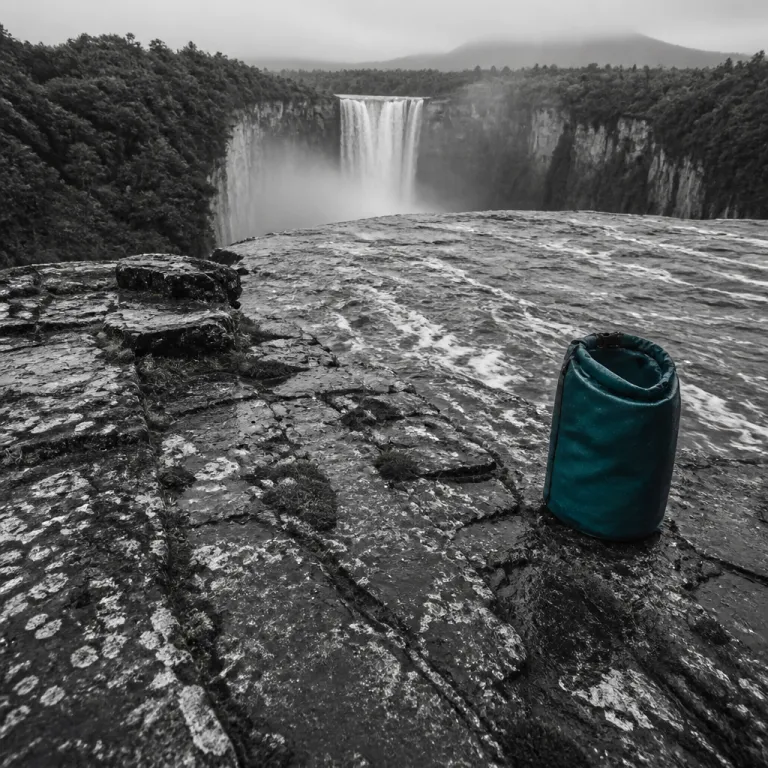
Why trips to Kaieteur Falls Guyana redefine remote travel
Trips to Kaieteur Falls Guyana offer a rare sense of scale and solitude. This remote corner of the country rewards any visit with a powerful mix of raw scenery, cultural context, and rainforest silence that is increasingly hard to find. Standing near the edge of this immense single drop waterfall, you feel how small a human group really is beside such water and rock.
Kaieteur Falls is a roughly 226 meter high single drop waterfall on the Potaro River, and many specialists consider Kaieteur one of the most dramatic falls in South America because of its height and volume combined. The average flow rate is commonly cited at about 663 cubic meters of water per second, so even a short day trip will immerse you in spray, sound, and shifting light over the gorge. Unlike more commercialized falls in South America, organized visits to Kaieteur limit visitor numbers, which keeps the national park experience intimate and preserves the rainforest atmosphere.
The falls sit inside Kaieteur National Park, a protected area that anchors a vast rainforest plateau. When you visit Kaieteur, you also enter a living ecosystem where the golden rocket frog hides in tank bromeliads and swifts circle through the mist at dusk. For travelers seeking hidden waterfalls and off the beaten path adventure, a carefully planned tour to this remote Guyana waterfall will feel less like a standard excursion and more like a focused trek into one of the continent’s last great river frontiers.
Planning your flight, day tour, and time on the ground
Most trips to Kaieteur Falls Guyana begin in Georgetown, the coastal capital where colonial streets meet Atlantic breezes. From here, you book a small aircraft flight from Ogle Airport in Georgetown, Guyana, which usually takes about one hour to reach the airstrip near Kaieteur National Park. The typical Kaieteur Falls day tour follows a simple pattern: depart Georgetown in the morning, land near the falls, then return by late afternoon.
Local tour Guyana specialists such as Old Fort Tours & Resort and Nature Travel GY operate regular tours and charter options. These operators arrange the flight, the guided falls tour, and the required park permits, so your main task will be to choose a date, confirm whether you prefer a small group or a private trip, and then book early during peak months. Organized tours to Kaieteur Falls Guyana often combine a falls day visit with an optional extension to Orinduik Falls on the same Potaro River, which adds a softer, more swimmable waterfall to the itinerary.
Once your aircraft lands, a local guide leads a short trek through the rainforest to several viewpoints. The path is not technically demanding, but the humidity, uneven roots, and proximity to the cliff edge require attention during every step of the walk. A typical schedule might see you leaving Georgetown around 9:00 a.m., spending about two to three hours on the ground at Kaieteur for trekking and viewpoints, then flying back in time to reach the city by late afternoon or early evening.
On the edge of a single drop giant: what the experience feels like
The first viewpoint on a tour Kaieteur itinerary usually frames the full single drop profile of Kaieteur Falls. Here the Potaro River narrows, then plunges in one uninterrupted sheet of water into a horseshoe gorge, creating a dense cloud of spray that rises back toward the cliff. When the sun angles correctly during the day, the mist often forms rainbows that arc across the waterfall, adding color to the already dramatic rock walls.
Guides often lead visitors onward to the famous Cock Rock viewpoint, a natural outcrop that juts toward the abyss and offers a side angle of the falls Kaieteur panorama. From this vantage point, you can appreciate how the river has carved the plateau and how the rainforest clings to every ledge, with bromeliads sheltering the tiny golden frog that has become an emblem of Kaieteur National Park. Because the area remains relatively undeveloped, a falls tour here feels quiet; you hear only the water, the wind, and occasional bird calls rather than engines or loudspeakers.
Walking between viewpoints involves a short trek through dense vegetation, where the ground can be muddy after rain and roots cross the path like low steps. Your guide will usually point out orchids, medicinal plants, and signs of wildlife, turning the walk into a compact rainforest lesson rather than a simple transfer. One Kaieteur guide summed it up with a smile: “You come for the waterfall, but you remember the forest.” For many travelers, that combination of constant water roar, filtered light, and close up plant life becomes the most vivid memory of the entire day tour.
Hidden waterfall pairings: Kaieteur Falls and Orinduik Falls
Many trips to Kaieteur Falls Guyana now combine the dramatic single drop of Kaieteur with the gentler cascades of Orinduik Falls. While Kaieteur Falls towers at about 226 meters, Orinduik Falls spreads across a series of terraced jasper steps on the Ireng River, near the border with Brazil. This contrast allows one tour to showcase both the raw vertical power of a drop waterfall and the more approachable pools of a broad river cascade.
On a combined day trip, the aircraft usually flies first to Kaieteur National Park for the main falls tour, then continues to Orinduik Falls for swimming and relaxation. At Orinduik, the water fans out into multiple channels, creating natural jacuzzis where visitors can sit, soak, and feel the current after the more intense trek around Kaieteur. Travelers who value off the beaten path waterfall experiences often appreciate how this pairing balances adrenaline at Kaieteur Falls with a calmer river interlude at Orinduik Falls, all within a single day tour.
Because both waterfalls lie in remote regions of Guyana, logistics require careful coordination between tour operators, pilots, and park authorities. When you book such tours to Kaieteur Falls Guyana, confirm whether your chosen tour Guyana provider includes Orinduik Falls in the same flight plan or offers it as a separate trip on another day. Clarify how long you will spend at each site, whether meals are included, and what level of walking is involved so you can match the combined itinerary to your fitness and interests.
Practical guidance: safety, gear, and ethical choices
Safety on trips to Kaieteur Falls Guyana depends on respecting both the environment and your guide’s instructions. The cliff edges near Kaieteur Falls lack extensive railings, so visitors must stay within marked areas and avoid stepping onto wet rock near the brink of the waterfall. Local guidance is clear on this point: “Stay with your guide and follow all instructions.”
Wear comfortable walking shoes with good grip, as the short trek between viewpoints crosses roots, rocks, and occasionally slick mud. A light raincoat is useful during the wet season, when sudden showers sweep across Kaieteur National Park and the rainforest canopy drips long after the clouds pass. Insect repellent is essential as well, because the combination of water, warm air, and dense vegetation around the Potaro River creates ideal conditions for mosquitoes during certain times of day.
Ethical travel choices begin when you book your falls tour from Georgetown or Ogle Airport. Choose operators that emphasize eco friendly practices, support local guides, and limit group size to reduce pressure on trails and wildlife, especially around sensitive habitats for the golden frog and other endemic species. When you visit Kaieteur, carry out all waste, avoid touching plants or disturbing animals, and remember that the privilege of standing beside such a powerful drop waterfall comes with a responsibility to leave the park as pristine as you found it.
Costs, timing, and how to choose the right tour
Because access relies on charter style flights, trips to Kaieteur Falls Guyana are not the cheapest day excursions in the region. Prices vary with fuel costs, aircraft size, and whether your tour includes only Kaieteur Falls or both Kaieteur and Orinduik Falls on the Potaro River. As a rough guide, many visitors report paying a mid range to high end day tour rate per person, with group departures from Georgetown usually lowering the cost compared with arranging a private flight from Ogle Airport.
Most operators run tours year round, but many travelers prefer the period just after the main rainy season, when the river volume keeps Kaieteur Falls at its most impressive without constant downpours. The official guidance to the question “What is the best time to visit?” states plainly: “September to November, after the rainy season.” That said, shoulder months can offer clearer skies for scenic flight photography, so your ideal day trip will depend on whether you prioritize maximum water flow or more stable weather.
When comparing tours to Kaieteur Falls Guyana, look beyond headline prices and ask detailed questions. Confirm the exact duration on the ground at Kaieteur National Park, the number of viewpoints included in the falls tour, whether your guide is a local specialist, and how many passengers the aircraft will carry on your chosen day. Serious operators such as Old Fort Tours & Resort or Nature Travel GY can explain how their itineraries support conservation, contribute to nearby communities, and manage safety, which are all strong indicators that your visit Kaieteur experience will be both memorable and responsible.
Environmental context: why Kaieteur’s rainforest matters
Trips to Kaieteur Falls Guyana unfold within one of the most intact rainforest regions in South America. The plateau surrounding Kaieteur National Park forms part of the Guiana Shield, an ancient geological formation whose forests store significant carbon and harbor high levels of endemism. When you fly from Georgetown toward Kaieteur, you see an almost unbroken carpet of green, cut only by winding river corridors and occasional tepui like outcrops.
This environment supports species found nowhere else, including the tiny golden frog that lives almost exclusively in the water filled cups of giant bromeliads near the falls. Birdlife is equally rich, with white collared swifts, Guianan cock of the rock, and various raptors often visible during a falls day visit, especially around dawn or late afternoon. Responsible tours to Kaieteur Falls Guyana help fund park management and ranger patrols, which in turn protect both the waterfall and the surrounding rainforest from illegal mining or logging.
For travelers who seek hidden waterfalls and forest immersion rather than crowded viewpoints, Kaieteur offers a model of low impact access. Visitor numbers remain limited by aircraft capacity and strict park rules, which means each tour Guyana operator must coordinate closely with authorities to schedule flights and group sizes. By choosing such controlled access experiences, you support a tourism model where every trip, every day tour, and every carefully guided trek contributes to long term conservation rather than short term exploitation of water, land, and wildlife.
Key figures for trips to Kaieteur Falls Guyana
- Kaieteur Falls has a height of about 226 meters, making it one of the world’s tallest single drop waterfalls by total vertical distance (data commonly reported by national tourism sources and Wikipedia).
- The average flow rate of Kaieteur Falls is often cited at roughly 663 cubic meters of water per second, which means the Potaro River sends an immense volume over the brink even during drier months (data from hydrological summaries and Wikipedia).
- The standard flight time from Georgetown’s Ogle Airport to the Kaieteur airstrip is roughly one hour, which allows a full day trip with several hours on the ground for trekking and viewpoints (based on local operator schedules and published itineraries).
- Guided tours operate year round, but local guidance identifies the period from September to November, just after the main rainy season, as offering an optimal balance between strong river flow and manageable rainfall (based on regional climate patterns and tourism advice).
- Eco tourism initiatives around Kaieteur National Park aim to increase local employment while limiting visitor numbers, aligning with Guyana’s broader strategy to promote low impact tourism in its interior regions (based on national tourism objectives and park management goals).
FAQ about trips to Kaieteur Falls Guyana
How do I get to Kaieteur Falls from Georgetown ?
Most visitors take a one hour flight from Georgetown, departing either from Ogle Airport or the main city aerodrome depending on the operator. The aircraft lands on a small airstrip near Kaieteur National Park, where a local guide meets the group. From there, a short trek through the rainforest leads to the main Kaieteur Falls viewpoints.
What is the best time of year to visit Kaieteur Falls ?
Regional patterns indicate that the months just after the main rainy season offer an excellent balance between strong water flow and more stable weather. In response to the question “What is the best time to visit?”, official guidance states: “September to November, after the rainy season.” Outside this window, flights and tours still operate, but rainfall and river levels may vary more from day to day.
Are there any safety precautions I should follow at the falls ?
Kaieteur Falls has sheer cliffs and limited barriers, so staying within marked areas is essential. The official safety advice is clear: “Are there any safety precautions? Stay with your guide and follow all instructions.” Wearing sturdy shoes, avoiding wet rock near the edge, and respecting all guidance from park staff will keep your visit Kaieteur experience both safe and enjoyable.
Do I need to be very fit to do the trek at Kaieteur ?
The standard trek between viewpoints at Kaieteur Falls is relatively short and does not involve steep climbing, so most reasonably active travelers can manage it. However, the path crosses roots, rocks, and sometimes muddy sections, and the humidity can feel intense. If you have mobility concerns, discuss them with your tour Guyana operator before you book, so they can advise on pacing, assistance, or alternative viewpoints.
Can I combine Kaieteur Falls with other attractions in Guyana ?
Many tours to Kaieteur Falls Guyana combine the waterfall with Orinduik Falls on the same day, using the same charter flight to reach both sites. Beyond waterfalls, travelers often add time in Georgetown, river lodges along the Essequibo or Rupununi regions, or wildlife focused stays in interior lodges. Planning a multi day itinerary that links Kaieteur National Park with other rainforest or savannah experiences will give a fuller sense of Guyana’s diverse landscapes.