Gateway from Mérida to the quiet Gulf of Mexico coast
The city of Mérida sits inland yet feels intrinsically tied to the sea. Within an hour you reach the Gulf of Mexico and a string of understated beach towns that still feel largely local. These Mérida Yucatán beaches suit travelers who value character, calm, and cultural depth over crowded resort strips.
Progreso is the closest beach to Mérida and the most practical starting point. This beach is located about 40 kilometers north of Mérida Mexico, linked by a straight highway that locals drive daily. You will find a long malecón, shaded benches, and beach clubs that cater to day trippers from the city.
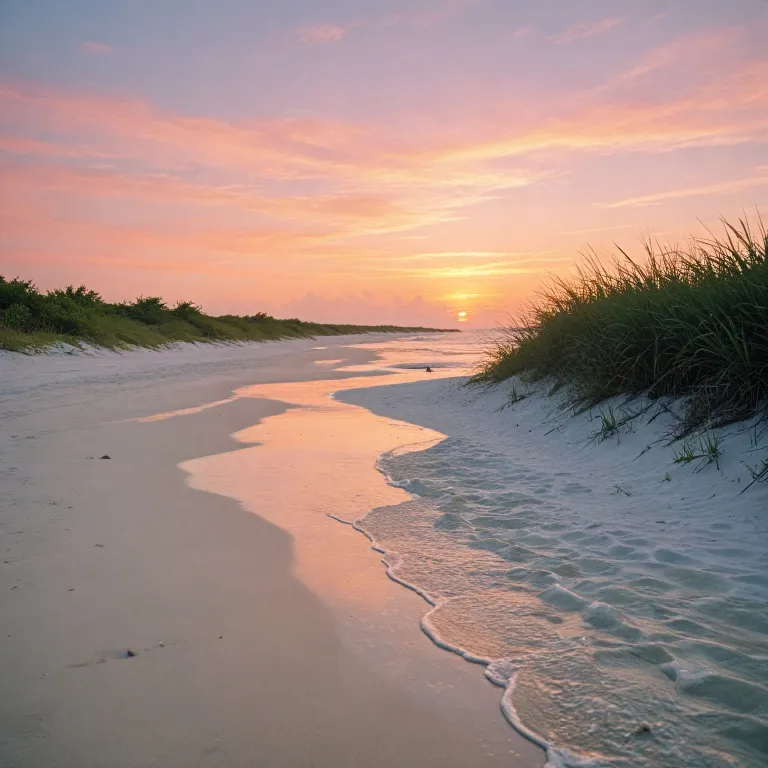
Despite its popularity, Progreso Beach still feels more like a working port than a polished Mexico beach resort. Fishing boats bob beside the famous pier, which stretches several kilometers into the Gulf Mexico waters. Walk the sand at sunrise and you will see pelicans skimming the waves and families setting up for a relaxed playa morning.
For many visitors, these are the best Mérida Yucatán beaches precisely because they remain lived in. You can visit a beach Merida locals actually use, then return to the city for museums and markets. This duality makes Mérida Mexico an elegant base for exploring quieter Mexico beaches along the Yucatán Peninsula.
As you plan where to stay, remember that each beach town offers a distinct rhythm. Some beaches Yucatán locations suit slow, residential stays, while others work better as day trips. Understanding these nuances will help you choose the best beaches for your style of travel.
Progreso, Chelem, and Chuburná Puerto for easy coastal escapes
Among Mérida Yucatán beaches, Progreso remains the classic first stop. The town is located directly north of Mérida, making it the most accessible of all Yucatán beaches. Buses and colectivos run frequently, and guided tours from tourism operators offer simple transfers for visitors without a car.
Progreso Beach has a lively central stretch with beach clubs, casual seafood restaurants, and shaded palapas. Families will find shallow water and soft sand, while independent travelers can walk beyond the main pier for quieter Mexico beach corners. This mix of amenities and local life explains why many consider it one of the best beaches near Mérida.
Continue west along the coast and you reach Chelem, a smaller beach town with a more residential feel. Here the beach Merida residents favor for weekends feels slower, with pastel houses, modest hotel options, and calm streets. Chelem’s playa is ideal if you wish to stay several nights and experience everyday life beside the Gulf Mexico.
Farther along, Chuburná and Chuburná Puerto offer another layer of tranquility among beaches Mérida travelers often overlook. The town is located between mangroves and sea, giving it a slightly wild edge that appeals to nature focused visitors. You will find simple beach clubs, small restaurants, and long stretches of sand that feel almost private outside local holidays.
These three beach towns together form a gentle introduction to beaches Yucatán travelers can reach without stress. They pair well with refined city stays or with more far flung journeys, much like combining coastal calm with a carefully curated Caribbean retreat. For many, this balance of access, authenticity, and comfort defines the best Mérida coastal experience.
Celestún, flamingos, and the wild western Yucatán Peninsula
Travel west from Mérida and the character of Mérida Yucatán beaches changes noticeably. Celestún is located near the border with Campeche, where mangroves, estuaries, and dunes shape a more untamed coastline. The beach here feels softer and quieter, but the real drama unfolds in the surrounding wetlands.
Celestún Beach is widely regarded as one of the best beaches Yucatán offers for eco tourism. The town’s playa faces the Gulf Mexico, while boat tours slip into the Ría Celestún Biosphere Reserve behind it. During peak season, “The best time to visit Celestún Beach is between November and March to witness large gatherings of pink flamingos.”
On the sand itself, you will find modest restaurants serving fresh fish and simple hotel choices. This is not a polished Mexico beach resort but a working fishing village with a remarkable natural backdrop. Many travelers stay in Mérida Mexico and visit Celestún as a day trip, though a night or two allows quieter dawn walks.
For those who enjoy road journeys, the drive west evokes the appeal of other understated routes, such as a road trip through quieter corners of the desert. You will find small villages, salt flats, and glimpses of the Gulf Mexico as you approach the coast. Among Mérida Yucatán beaches, this region feels particularly suited to travelers who value space and silence.
Celestún also illustrates how beaches Mérida visitors love can support conservation when managed carefully. Local government and tourism operators increasingly promote eco friendly practices to protect flamingo habitats and mangroves. Choosing guided tours that respect wildlife distances helps ensure these Yucatán beaches remain thriving for future generations.
Sisal, Dzilam Bravo, and the quiet north coast
Northwest of Mérida, Sisal has emerged as one of the best Mérida Yucatán beaches for travelers seeking history and nature together. The town is located on a narrow spit of land, with the Gulf Mexico on one side and lagoons on the other. Once a major port for henequen exports, it now feels like a sleepy village with a dignified past.
On the main playa, you will find soft sand, gentle waves, and a handful of relaxed beach clubs. Sisal’s colonial era lighthouse and small fortress overlook the sea, giving this Mexico beach a sense of place beyond sun and sand. Eco tourism excursions explore nearby mangroves, where birdlife thrives in the sheltered waters.
Farther east along the north coast lies Dzilam Bravo, one of the most off the beaten path beaches Yucatán offers. The town is located at the edge of a protected area, where freshwater springs bubble up offshore. Boat trips from Dzilam Bravo visit cenotes in the sea, remote sandbars, and quiet stretches of beach Yucatán travelers rarely reach.
These northern beaches Mérida visitors can access by car reward patience and planning. Road conditions vary, and services remain limited, so you will find fewer hotel options and simpler restaurants. Yet for many, this scarcity is precisely what makes these Yucatán beaches feel special and unspoiled.
When comparing Mexico beaches, Sisal and Dzilam Bravo stand out for their understated charm. They appeal to travelers who might also appreciate characterful urban quarters, such as those described in this guide to staying in atmospheric neighborhoods with lakeside calm. In both cases, the best experiences come from slowing down and letting the place reveal itself gradually.
Las Coloradas, El Cuyo, and the far northeastern coast
On the far northeastern edge of the Yucatán Peninsula, the coast feels almost otherworldly. Las Coloradas is located beside vast salt flats, where evaporation ponds create surreal pink and turquoise hues. While not a traditional beach Merida day trip, it has become an emblematic stop for photographers and curious travelers.
The nearby shoreline offers access to quiet Mexico beaches, though swimming areas are separate from the industrial salt works. Visitors will find that regulations protect the ponds, so guided visits and marked viewpoints are essential. Combined with nearby playa stretches, this area shows a different face of Mérida Yucatán beaches, shaped by industry and nature together.
Further along the coast, El Cuyo feels like a frontier town at the edge of sea and jungle. The village is located where the Gulf Mexico meets the entrance to the Yum Balam reserve. Here you will find long, pale sand, gentle waves, and a scattering of low key hotel options and guesthouses.
Among beaches Mérida travelers can reach with more effort, El Cuyo stands out for kitesurfing, birdwatching, and long walks. The beach towns in this corner of Yucatán remain relatively quiet, especially outside holiday periods. Many consider these some of the best beaches for those willing to trade convenience for solitude.
Reaching Las Coloradas and El Cuyo from Mérida Mexico requires planning, time, and ideally an overnight stay. Yet for travelers mapping all the main Mérida Yucatán beaches, this northeastern arc completes the picture. It highlights how Mexico beaches along the Gulf can feel wildly different from those on the Caribbean side.
San Benito, Isla Columpios, and low key beach life
Between Progreso and Telchac, a string of smaller communities offers understated alternatives to busier Mérida Yucatán beaches. San Benito is located along this corridor, known for its line of seaside homes and calm waters. The beach here feels residential, with fewer public facilities but a pleasantly peaceful atmosphere.
Travelers who stay in San Benito will find a beach Yucatán experience defined by early morning swims and quiet evenings. There are some beach clubs and restaurants, but nightlife remains limited, which many consider a great advantage. This is one of the best beaches for those who want to read, walk, and watch the Gulf Mexico change color through the day.
Nearby, Isla Columpios has gained attention on social media for its swings in shallow water. The spot is located near the coast rather than being a true island, but it offers playful photo opportunities. Combined with surrounding Mexico beach stretches, it adds a lighthearted stop to an otherwise tranquil shoreline.
These beach towns illustrate how beaches Mérida residents use for weekend homes can also suit longer international stays. You will find rental houses, modest hotel choices, and easy access back to Mérida Mexico for cultural excursions. For many, this balance of sea and city defines the best Mérida lifestyle.
When comparing Yucatán beaches, San Benito and Isla Columpios may not appear on every list of Mexico beaches. Yet they embody the low key charm that makes the wider beach Merida region appealing. Travelers who value space, privacy, and gentle routines often rate these among their personal best beaches.
Planning your stay around Mérida and its beaches
Choosing how and where to stay is central to enjoying Mérida Yucatán beaches. Mérida itself is located inland, so many travelers base in the city and visit multiple beach towns. This approach allows you to experience museums, markets, and architecture while still reaching a Mexico beach most days.
Others prefer to stay directly on the coast, especially in quieter beach towns like Chelem, Chuburná Puerto, or San Benito. In these places you will find rental homes, small scale hotel options, and a slower rhythm. Progreso Beach, Celestún, Sisal, and El Cuyo each offer their own mix of services, from beach clubs to simple eateries.
Transport plays a significant role in how you experience beaches Mérida has within reach. With a personal vehicle, you can explore more remote Yucatán beaches such as Dzilam Bravo or the stretches near Las Coloradas. Without a car, public buses and guided tours still connect you to key Mexico beaches like Progreso and Celestún.
When evaluating the best Mérida options, consider seasonality, wind, and your tolerance for crowds. Some beach Yucatán locations feel busiest on local holidays, while others remain quiet even in peak travel periods. Eco conscious travelers will find that many Mexico beach communities now promote responsible practices, from waste reduction to wildlife protection.
Ultimately, the best beaches for you will depend on how you like to balance comfort, culture, and calm. Mérida Mexico and its coastal neighbors offer enough variety to shape very different itineraries around the same sea. By understanding the nuances of each beach Merida region, you can craft a stay that feels both refined and genuinely local.
Key statistics for Mérida and nearby beaches
- Distance from Mérida to Progreso Beach: 40 kilometers, typically around a 40 minute drive by car or bus.
- Approximate length of the Progreso pier extending into the Gulf of Mexico: 6.5 kilometers.
- Estimated number of flamingos present near Celestún during peak season: around 20,000 birds.
Questions people also ask about Mérida Yucatán beaches
What is the best time to visit Celestún Beach?
The best time to visit Celestún Beach is between November and March to witness large gatherings of pink flamingos. During these months, water levels and food availability in the reserve create ideal conditions for the birds. Outside this window, the beach remains pleasant, but flamingo numbers are usually lower.
How far is Progreso Beach from Mérida?
Progreso Beach lies roughly 40 kilometers north of Mérida, connected by a direct highway. The journey usually takes about 40 minutes by car, taxi, or frequent local buses. This short distance makes Progreso one of the most convenient Mérida Yucatán beaches for spontaneous day trips.
Are there eco tourism activities available at Sisal Beach?
Yes, Sisal offers several eco tourism activities that highlight its mangroves and coastal ecosystems. Visitors can join boat tours to observe birdlife, explore lagoons, and learn about local conservation efforts. These experiences complement time on the sand and help support sustainable tourism along the Yucatán coast.