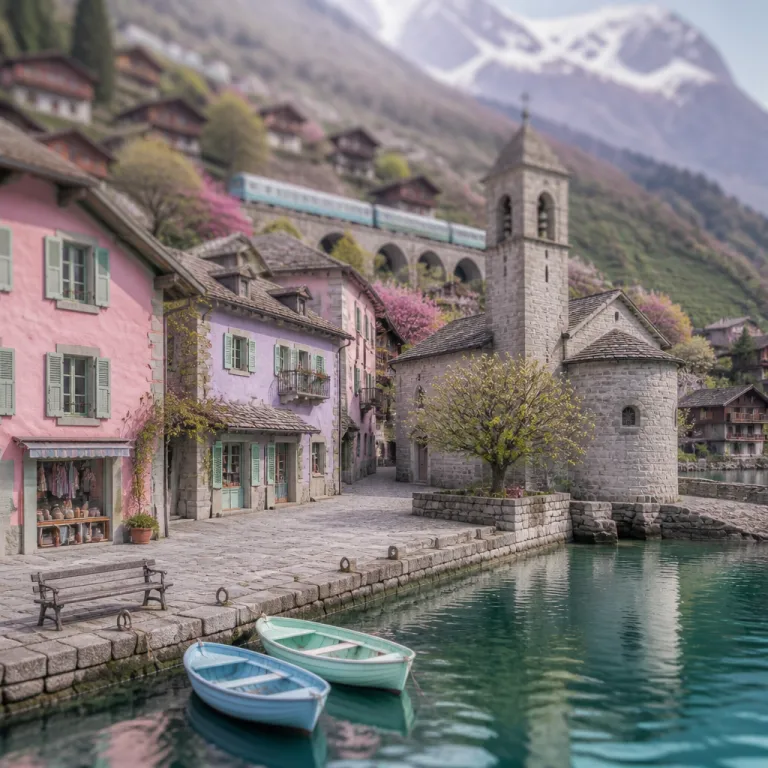
Why tours of northern Italy and Switzerland reward the curious traveler
Tours of northern Italy and Switzerland suit travelers who value quiet depth. These regions combine intricate historic landmarks with alpine landscapes that feel far from standard routes, especially when a tour is designed around lesser known quarters of each city. A carefully paced itinerary lets you move from medieval town squares to silent lakeshores in a single day without losing the thread of local culture.
On a well crafted journey, your time is divided between major highlights and smaller districts where residents actually live. A tour director or tour leader who knows both Italy and Switzerland can steer a small group away from crowded axes and into cloisters, artisan workshops, and hillside chapels that rarely appear in mainstream Switzerland tours brochures. This balance is what turns a simple trip into a layered itinerary that respects both the place and the traveler.
Specialist operators such as Smithsonian Journeys, Indus Travels, and National Geographic Expeditions now curate tours of northern Italy and Switzerland that typically run from 9 to 15 days. These escorted trips often weave together rail segments, lake crossings, and walking tour experiences to keep the pace human while still covering distance between northern Italy and the Swiss Alps. For travelers seeking off the beaten path cultural wonders, that mix of structure and free time is essential; sample programs published by these companies in 2023–2024 show similar durations, inclusions, and price ranges.
Hidden historic quarters in Milan, Venice, Zurich, and Lucerne
Milan is usually sold as a fashion capital, yet its quiet courtyards tell a different story. A thoughtful walking tour of the city might start near the Duomo, then slip into the cloistered gardens of former convents where frescoes survive almost untouched and the only sound is a distant tram. With the right tour director, you can spend a full day tracing how merchants, monks, and modern designers shaped this northern Italy powerhouse.
In Venice, most tours rush between Rialto and San Marco, but the real historic depth lies in the outer sestieri. A small group can cross a narrow canal by local boat, then follow a guide through Castello’s working boatyards or Cannaregio’s old Jewish quarter, where fading stone inscriptions still mark former trades. This kind of view tour of Venice’s backstreets reveals how the city functioned as a living port rather than a stage set.
Across the border in Switzerland, Zurich and Lucerne reward travelers who slow their travel rhythm. In Zurich, a walking tour of the upper old town leads past guild houses and Romanesque churches, then down to the lake where medieval warehouses once received goods from Italy–Switzerland trade routes. Lucerne’s riverside town center, with its painted façades and wooden bridges, becomes far more vivid when a guide links each mural to episodes from Swiss history, a narrative that pairs beautifully with a later cable car ride into the nearby hills.
For readers interested in how layered European history can feel in compact spaces, the detailed exploration of the Castle of the Moors in Sintra offers a useful comparison, and you can find that perspective in this in depth piece on an enduring hilltop fortress in Portugal: exploring the enduring legacy of the Castle of the Moors.
Lakeside heritage: Lake Como, Lake Maggiore, and the Italian Swiss frontier
The Italian lakes form a natural bridge between northern Italy and Switzerland, and they hold centuries of layered history along their shores. Lake Como is famous, yet a well planned tour of lakefront villages such as Varenna or Lenno reveals Roman roads, medieval watchtowers, and terraced gardens that once supplied noble households. When your itinerary includes both a structured walking tour and some free time, you can appreciate how each town evolved with the lake itself.
Lake Maggiore offers a quieter alternative for Switzerland–Italy journeys, especially when you stay in a family run hotel in smaller towns like Cannero or Ascona. Here, a view tour by boat links Italian and Swiss villages, passing islands where palaces, chapels, and gardens tell stories of cross border alliances and rivalries. Many tours of northern Italy and Switzerland schedule at least one breakfast day on the water, so you can watch the light change over the mountains while planning the rest of your trip.
These lakeside routes also connect naturally with the Swiss Alps, where old mule tracks once carried goods between Italy–Switzerland markets. A tour leader who understands both sides of the frontier can explain how customs posts, chapels, and stone bridges shaped local identity, turning a simple lake crossing into a lesson in European history. If you want more ideas for cultural sites that sit just beyond the usual path, this guide to unique cultural sites to visit as hidden gems offers useful parallels for planning your own tours.
Rail lines, cable cars, and the Bernina Express as moving viewpoints
Rail travel is central to many tours of northern Italy and Switzerland, especially for travelers who prefer to avoid long highway days. The Bernina Express, for example, is more than a scenic train; it is a moving gallery of engineering and alpine culture that links Italian lakes with the high Swiss Alps. When your tour director times the journey well, each tunnel exit frames a new lake, glacier, or stone viaduct that adds context to the stories you heard in the previous city.
Regular train services between Milan, Zurich, and Lucerne also support off the beaten path exploration. A flexible itinerary might include a day where the small group splits, with some guests taking a regional train to a lesser known town while others ride a cable car to a quiet ridge above Lucerne. This kind of structure respects different energy levels while keeping the overall trip focused on cultural and historic themes rather than pure sightseeing.
Guided Switzerland tours increasingly combine these rail segments with short walking tour experiences in station districts that most travelers ignore. Around Zurich’s main station, for instance, former industrial warehouses now house galleries and design studios that reflect a new chapter in the city’s history. In Milan, the area around Porta Garibaldi station has transformed from rail yards into a contemporary quarter, and a well informed tour leader can explain how this shift mirrors broader changes in northern Italy.
Staying well: where hotels, meals, and pacing shape cultural insight
The choice of hotel on tours of northern Italy and Switzerland has a direct impact on how you experience local culture. Properties near historic centers allow you to step out after meals for an evening walking tour, when streets are quieter and residents reclaim the city. A grand hotel on a lakefront, by contrast, might offer sweeping views but require more time in transit to reach older quarters.
Many curated tours include meals and breakfast in a way that supports both comfort and exploration. A typical breakfast day might begin with regional cheeses, breads, and fruit, followed by a morning walking tour that passes local markets where those same ingredients are sold. When lunches and dinners are only partly included, you gain free time to choose trattorie or lakeside cafés that match your interests, which deepens your connection to both Italy and Switzerland.
Experienced operators often assign a single tour director to accompany the small group throughout the journey, supported by local guides in each town or city. This structure ensures continuity, so the stories you hear in Venice about maritime trade can be linked to what you later learn in Zurich about banking and commerce. On a typical day with a small operator, you might start at 9:00 a.m. with a guided walk in Lucerne’s old town, pause at noon for an independent café lunch by the river, ride a mid afternoon boat across the lake, and finish with a relaxed group dinner at 7:30 p.m., a rhythm that leaves space for reflection as well as discovery.
Designing your own off the beaten path itinerary across Italy and Switzerland
Planning your own tours of northern Italy and Switzerland begins with choosing the right season. Spring and autumn offer pleasant weather and fewer crowds. Are these tours suitable for families? Yes, many tours cater to families with children. Do tours include meals? Most tours include some meals; specifics vary by operator.
Once you know your travel window, decide how many days you can spend and which themes matter most. If historic towns appeal to you, focus on a chain of city stays in Milan, Venice, Lucerne, and Zurich, linked by train and lake crossings that keep your time on the move efficient. Travelers who prefer landscapes might instead build an itinerary around Lake Como, Lake Maggiore, and the Swiss Alps, using the Bernina Express and local cable car lines as scenic connectors.
Guided options from Smithsonian Journeys, Indus Travels, and National Geographic Expeditions commonly last around 9 to 15 days, with many itineraries clustering near the middle of that range and prices often starting near 5 000 USD per person according to recent brochure snapshots. These structured tours of northern Italy and Switzerland combine city walking tour experiences, lake excursions, and alpine viewpoints into a coherent narrative that can be difficult to replicate alone on a first trip. Independent travelers, however, can borrow their frameworks, using a mix of Switzerland tours and local services to craft a route that balances structured days with genuine free time.
Key figures for cultural tours of northern Italy and Switzerland
- Many combined northern Italy and Switzerland itineraries run for roughly 9 to 15 days, based on sample programs from major operators such as Smithsonian Journeys, Indus Travels, and National Geographic Expeditions.
- Typical guided trips that link Italian lakes, major cities, and the Swiss Alps allow at least one full day in each primary city and several days in lake or mountain regions, creating a balanced rhythm between urban and rural stops.
- Published prices for comprehensive tours of northern Italy and Switzerland frequently begin around 5 000 USD per person, reflecting the inclusion of hotels, some meals, and key rail segments; exact costs vary by season and cabin class.
- Spring and autumn are identified by these operators as the best time periods for tours, because they combine milder temperatures with lower visitor numbers compared with peak summer months.
- Guided tours that feature scenic trains such as the Bernina Express respond to an increased demand for rail based travel experiences, a trend highlighted by the growing number of rail focused itineraries in operator portfolios.
FAQ about off the beaten path tours of northern Italy and Switzerland
What is the best time to visit northern Italy and Switzerland for cultural tours ?
Spring and autumn offer pleasant weather and fewer crowds, which makes them ideal for walking tour experiences in historic city centers and lakeside towns. During these seasons, you can usually enjoy clear views of the Swiss Alps while avoiding the hottest days in northern Italy. Rail services and lake boats also run frequently, supporting flexible itineraries.
Are tours of northern Italy and Switzerland suitable for families ?
Yes, many tours cater to families with children by balancing structured activities with free time. Family friendly itineraries often include short walking segments, engaging cable car rides, and scenic train journeys such as the Bernina Express. Operators can usually arrange adjoining rooms in hotels and adapt meals and breakfast options to younger travelers.
Do guided tours usually include meals and breakfast ?
Most guided tours of northern Italy and Switzerland include daily breakfast and some additional meals, though specifics vary by operator. Breakfast day arrangements typically feature regional products, while lunches and dinners may alternate between included group meals and independent dining. This approach gives you both convenience and the freedom to explore local restaurants in each city or town.
How much free time can I expect on a typical itinerary ?
Structured tours usually build in several hours of free time on most days, especially in larger cities such as Milan, Venice, Zurich, and Lucerne. Mornings often feature guided walking tour experiences, while afternoons are left open for personal exploration, museum visits, or quiet moments by a lake. Multi day itineraries also tend to include at least one largely unstructured day in a lakeside or alpine setting.
Is rail travel, including the Bernina Express, worth including in my trip ?
Rail travel is one of the most rewarding ways to link northern Italy and Switzerland, and the Bernina Express is a highlight for many travelers. These train journeys provide continuous views of lakes, valleys, and the Swiss Alps that you would not see from highways. They also connect efficiently with local buses, boats, and cable car lines, making it easier to reach smaller towns and historic landmarks without renting a car.