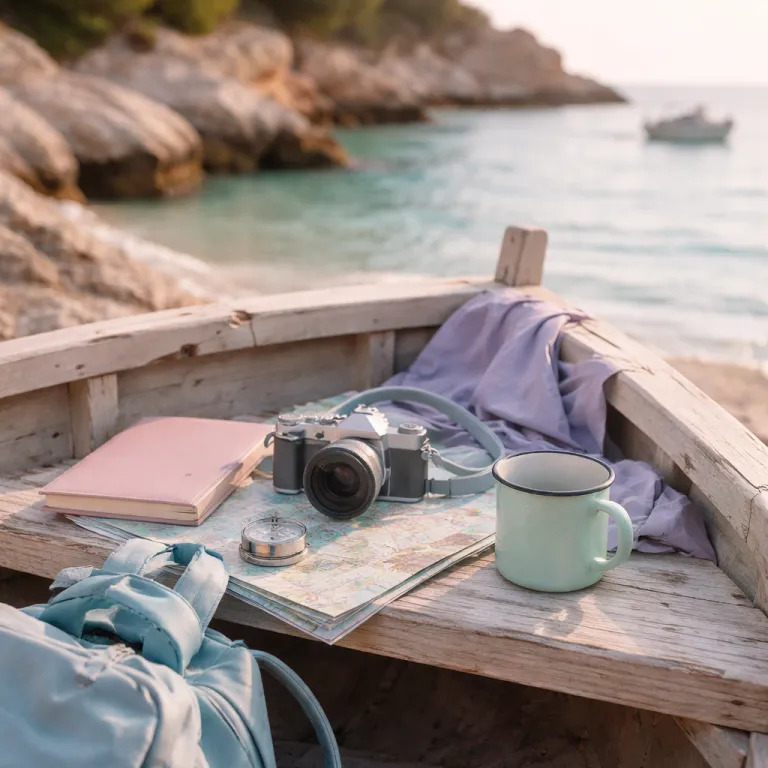
From Lisbon’s explorers to Albania’s new frontier of world discovery
Stand on the seafront in Vlorë at first light and the Adriatic feels like a new world waiting for careful world discovery. European explorers once sailed from Lisbon using astrolabes and caravel ships, and that same spirit of measured discovery still echoes along Albania’s lesser known bays where the map seems to fade just beyond the last café. A period from the 15th to 17th centuries marked by European exploration, and its legacy now shapes how we think about responsible travel and the ethics of stepping into someone else’s village.
Those navigators treated every cove as a mission, guided by stars, compasses and a single objective to find new trade routes while expanding their world. Your mission along Albania’s coast is gentler yet still serious, a personal journey to find quiet harbours, stone lanes and family run guesthouses before mass tourism redraws the shoreline. The context has changed from territorial expansion to cultural exchange, but the need for respect, curiosity and a clear personal policy about how you behave as a guest in someone’s house remains constant.
Think of this coastline as a contemporary discovery world, where each day offers small but vivid experiences instead of grand conquests. One day might mean a hike from the main road down to a hidden shingle cove near Qeparo, another day might be a slow lunch in a village square where the only other guests are local families escaping the inland summer heat. These are multi layered adventures rather than a single tick box experience, and they reward travelers who join the rhythm of local life instead of imposing their own timetable.
Unknown villages between Vlorë and Sarandë: where the road bends and crowds thin
South of Vlorë the coastal road climbs hard, then drops into a sequence of villages that rarely appear in mainstream world discovery lists. Pilur, high above the sea, feels like a stone amphitheatre facing the world, while nearby Kudhës hides its best views behind narrow alleys and terraced orchards that glow in late summer. These places are not a curated day camp for travelers ; they are working communities where the pace of each day still follows fishing tides and olive harvests.
Stay a night in a simple family house in Qeparo’s upper village and you start to understand why Albania has become a destination dupe for Italy, Croatia or Montenegro. The journey up from the coast is steep but short, and the reward is a balcony view over the bay, a multi course dinner cooked by a family team, and conversations that turn a single experience into a string of lasting experiences. For a deeper sense of off grid Mediterranean life, pair this coast with an authentic Caribbean itinerary such as an off the beaten path journey in Cuba, and you start to see how different shores echo the same quiet values.
These villages suit solo travelers who prefer open ended adventures to packaged summer camp style trips, yet they also work for a small family willing to trade kids’ clubs for pebble beaches and rock pools. You will not find a formal day camp, but you will find older villagers happy to show children how to cast a line or crack open sea urchins on the rocks. Treat every invitation to join a table or a card game as part of your own world discovery, and remember that you are a guest in a living community rather than a spectator in an open air museum.
Himara, Borsh and the quiet rhythm of coastal Albanian life
Himara is the closest this stretch of coast comes to a hub, yet it still feels like a small town where the world has not fully arrived. The seafront promenade fills on a summer evening with Albanian families, returning migrants and a scattering of foreign travel enthusiasts who prefer grilled sardines to loud beach clubs. Step one street back and you find old stone houses, fig trees and a slower rhythm that turns a simple walk into a layered experience of sound, smell and memory.
Drive ten minutes south and Borsh opens out in front of you, a long arc of shingle and turquoise water backed by citrus groves and a ruined castle on the hill. This is where the concept of world discovery becomes tangible, because you can still find a stretch of beach with no sunbeds, no loud music and only a handful of guests scattered along the shore. For a similar balance between sea, history and low key elegance, consider an elegant Morocco itinerary beyond the usual circuit, then compare how each journey shapes your sense of what Mediterranean and North African adventures can be.
Life here runs on a simple policy of hospitality ; if you arrive with patience and respect, doors tend to open. A family might invite you into their house for coffee after you compliment the garden, or a small beach bar team might quietly grill fish that never appears on the printed menu. These are not staged experiences for a summer camp brochure, but genuine moments that turn a single day into a multi chapter story in your personal discovery world.
Practical world discovery: costs, access and the fine print of responsible travel
Reaching Albania’s southern coast is more straightforward than its off the beaten path reputation suggests, and that accessibility is part of the current world discovery window. Flights connect major European cities to Tirana, and from there it is a half day drive to Vlorë or Himara along roads that improve each season. Compared with Croatia or Montenegro, accommodation, meals and local transport still offer better value, especially in smaller villages where family run guesthouses set prices with neighbors rather than global algorithms.
Visa requirements for Albania remain relatively relaxed for many nationalities, but every traveler should check the latest terms of service on official government sites before committing to a journey. Think of this as the travel equivalent of reading a privacy policy ; it may feel tedious, yet it protects your experience and ensures that your mission remains focused on the coast rather than consular offices. The same mindset applies to insurance, car rental contracts and ferry tickets, where the fine print can shape whether your day ends with a sunset swim or an unexpected detour.
For those comparing destinations, Albania is better for travelers who value open roads, uncrowded beaches and multi day hikes, while Croatia excels at polished heritage towns and Montenegro at dramatic fjord like bays. If you want structured activities similar to a day camp or summer camp, you will find more options in those neighbors, but Albania compensates with spontaneous adventures and unplanned encounters. To refine your sense of how to navigate rising destinations, study guides to less crowded classics such as this piece on experiencing Split beyond the crowds, then apply the same principles to every unknown Albanian village you enter.
How not to repeat the Age of Discovery’s mistakes on Albania’s coast
The Age of Discovery brought extraordinary navigation advances, but it also triggered centuries of exploitation that still shape debates about travel and power. What was the Age of Discovery? A period from the 15th to 17th centuries marked by European exploration. Who were key figures in the Age of Discovery? Christopher Columbus, Vasco da Gama, Ferdinand Magellan.
Those voyages were driven by a mission to establish trade routes, acquire resources and spread religion, and Indigenous peoples paid the highest price for that ambition. Today’s travelers have a different kind of mission in this new discovery world, one that should prioritize listening to local voices, supporting community owned businesses and respecting the privacy policy of everyday life in small villages. When you step into a family house for a meal or join a fishing trip organized by a local team, you are entering a relationship that deserves more care than a quick transaction.
Think of your own world discovery as a multi stage journey where each day offers a chance to correct old patterns rather than repeat them. Pay fairly, ask before photographing people, and treat every invitation as a privilege rather than a right, especially in places where guests are still rare. If enough travelers adopt this quiet policy of respect, Albania’s coastal villages can remain open to meaningful adventures instead of closing ranks against a new wave of conquest style tourism.
FAQ
Is Albania’s southern coast suitable for solo travelers seeking off the beaten path experiences ?
Yes, the stretch between Vlorë and Sarandë works well for solo travelers who value quiet adventures and local contact. Buses and shared taxis connect major towns, while smaller villages are best reached by rental car or pre arranged transfers. Most guesthouses are family run, so solo guests usually find a welcoming atmosphere rather than anonymous service.
How does Albania compare in cost to Croatia or Montenegro for a coastal journey ?
Albania remains generally more affordable than Croatia or Montenegro for accommodation, meals and local transport, especially in lesser known villages. You can often find simple sea view rooms and generous home cooked dinners at prices that would be difficult to match across the border. This value makes it attractive for longer stays or multi stop itineraries along the coast.
Are there any visa or entry policies travelers should be aware of before planning a trip ?
Many nationalities can enter Albania visa free for short stays, but rules vary and can change, so travelers should always check official government terms of service before booking. It is wise to verify passport validity requirements and any specific entry conditions well in advance. Treat this step like reading a privacy policy, because it protects your journey from administrative surprises.
What is the best time of year to visit Albania’s coastal villages for a quieter experience ?
Late spring and early autumn usually offer warm seas, pleasant temperatures and fewer crowds than peak summer. During these shoulder periods, many seasonal businesses are open, yet beaches and hiking trails remain relatively calm. This timing suits travelers who prefer a slower rhythm and more space to appreciate each day’s experience.
How can travelers support local communities while exploring lesser known Albanian villages ?
Choose locally owned accommodation, eat in family run restaurants and hire local guides for hikes or boat trips whenever possible. Buy regional products such as olive oil, honey or handmade textiles directly from producers instead of large intermediaries. Above all, respect local customs, ask permission before photographing people and treat every interaction as part of a long term relationship between guests and hosts.