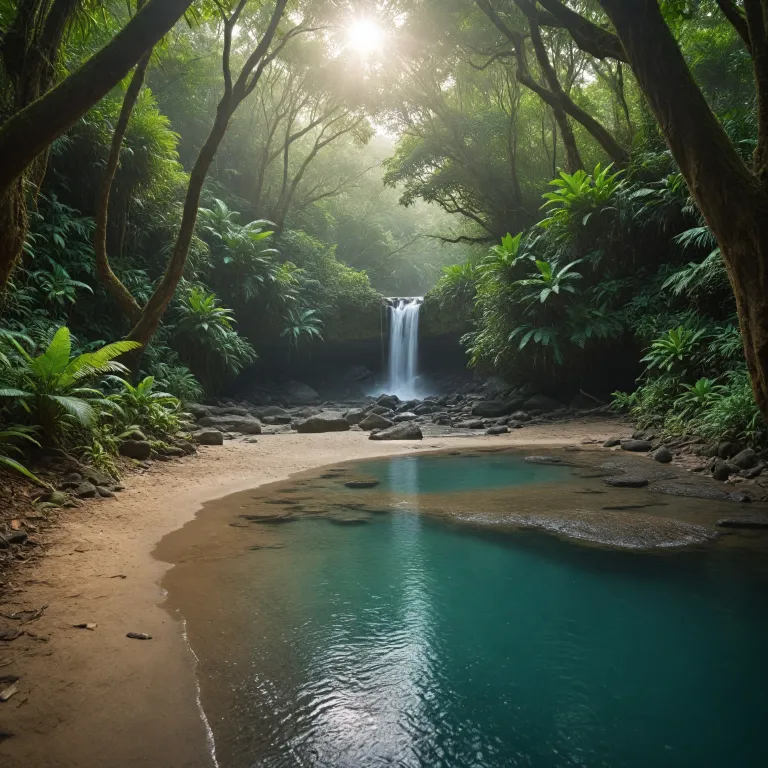
Remote tropical shores beyond the usual resort map
For travelers seeking the best tropical places to travel, the most rewarding journeys often begin where the crowds end. Remote islands with modest resort options and quiet beaches offer a slower sense of time, while their natural beauty remains largely intact and unspoiled. These destinations suit a thoughtful tropical vacation rather than a rushed checklist of attractions.
Along the Caribbean arc, lesser known islands near the Virgin Islands archipelago still feel wonderfully removed from mass tourism. You may find a simple beach guesthouse instead of an inclusive resorts complex, yet the white sand and turquoise bay beach scenery rival more famous places. Such islands are a great choice for a family vacation that values calm evenings, local food, and conversations with residents.
On the Atlantic east coast of Central America, small coastal towns in south Costa Rica and northern Panamá balance rainforest and sea. Here, the beach fronts dense jungle where sloths, toucans, and monkeys move at their own time, and modest resort properties sit behind palm trees rather than towering over them. These destinations reward travelers who treat every tropical island community as a favorite tropical classroom in culture, ecology, and respectful travel.
Across the Pacific, quieter corners of Hawai‘i still exist away from the busiest beaches of O‘ahu and Maui. On less visited coasts, you can enjoy beautiful beaches framed by lava cliffs, with only a few surfers and local families sharing the sand. Such places remind visitors that the best tropical places to travel are often those where the island itself, not the infrastructure, remains the main attraction.
Hidden rainforest coasts in Costa Rica and beyond
For many travelers, Costa Rica represents the ideal balance between tropical adventure and comfort. Away from the main resort corridors, the country’s south Caribbean and Osa Peninsula regions reveal some of the most beautiful beaches and richest wildlife in Central America. These off grid destinations show why Costa Rica remains one of the best tropical places to travel for nature focused vacations.
On the Osa Peninsula, Corcovado National Park protects lowland rainforest that scientists often describe as among the most biodiverse on Earth. Trails lead from forest to beach in minutes, where white sand coves meet powerful Pacific waves and scarlet macaws cross the sky in pairs. This blend of marine and terrestrial natural beauty makes the area a favorite tropical escape for hikers, birdwatchers, and families who value education as much as relaxation.
Along the Caribbean side of Costa Rica, small towns south of Limón offer a different rhythm. Afro Caribbean culture, simple beach cafés, and coral rich bays create a relaxed setting for a tropical vacation that still feels authentic and grounded. Here, time slows to the pace of bicycles and waves, and the absence of large inclusive resorts helps keep the coastline human in scale.
Travelers who appreciate wild water landscapes often combine these coasts with mountain journeys. Reading about hidden lakes and pristine waters in remote alpine regions can inspire a similar respect for fragile ecosystems when visiting tropical destinations. Whether you are planning a short vacation or a longer stay, these regions of Costa Rica and neighboring countries reward patience, curiosity, and a willingness to trade nightlife for night sounds in the forest.
Quiet Caribbean bays from Grace Bay to San Juan’s wild edges
Many travelers know the Caribbean through famous stretches such as Grace Bay, yet even here, quieter corners remain for those who look carefully. On Turks and Caicos, walking away from the busiest section of Grace Bay leads to almost empty white sand, where only a few small resort properties sit discreetly behind dunes. These sections of bay beach feel far removed from cruise crowds, making them a great choice for couples and families seeking calm tropical vacations.
Across the sea, the Dominican Republic offers more than its well known inclusive resorts complexes. On the Samaná Peninsula, palm lined beaches curve around sheltered coves, and humpback whales visit offshore waters during certain months of the year. Small fishing villages here still rely on the sea for their livelihood, and respectful travel can support local communities while keeping the natural beauty of the coastline intact.
In Puerto Rico, San Juan draws visitors with history and nightlife, yet the island’s wilder coasts lie only a few hours away. Driving beyond the city, you reach beaches where sea turtles nest, mangroves filter the water, and modest guesthouses replace high rise resort towers. These areas show that even near a major city like San Juan, the best tropical places to travel often sit just beyond the last line of umbrellas.
Travelers who enjoy distinctive architecture may combine these Caribbean journeys with stays in characterful cabins elsewhere. Reading about unique A frame stays in desert landscapes can sharpen your eye for design that respects its surroundings. The same principle applies on any tropical island or mainland coast, where low impact buildings help keep beautiful beaches truly beautiful.
Pacific horizons from Hawai‘i to Bali Indonesia
The Pacific basin holds many of the best tropical places to travel, yet some of its most rewarding destinations remain lightly visited. Beyond the main resort zones of Hawai‘i, islands such as Moloka‘i and parts of the Big Island offer a slower, more traditional rhythm. Here, a family vacation might mean tide pooling with local children, learning about taro farming, and watching the sunset from a quiet beach rather than a crowded bar.
Farther west, Bali Indonesia continues to attract global attention, but its less commercial corners still feel remarkably serene. In the island’s north and west, small fishing villages sit between black sand beaches and forested hills, with simple homestays instead of large inclusive resorts. These areas suit travelers who value cultural immersion and natural beauty over nightlife, and who understand that respectful behavior is essential in temple rich communities.
Across the wider Pacific, smaller islands in archipelagos such as Vanuatu and Samoa offer similarly gentle experiences. Limited infrastructure means that time moves at a village pace, and the beach often doubles as both playground and meeting place for local families. Such destinations reward visitors who arrive prepared, patient, and willing to adapt their expectations of what a tropical vacation should look like.
In all these Pacific destinations, the ocean remains the central character. Snorkeling, diving, and paddling reveal coral gardens, sea turtles, and reef fish that depend on careful stewardship from both residents and visitors. Choosing locally owned accommodations and guides helps ensure that your favorite tropical memories also support the communities and ecosystems that make these islands so special.
Caribbean classics reimagined: Turks Caicos, Virgin Islands, and beyond
Some of the best tropical places to travel are not entirely unknown, but they reward travelers who move beyond the standard resort experience. On Turks Caicos, for example, Grace Bay and neighboring beaches are famous for their white sand and clear water. Yet by staying in smaller properties and exploring less publicized stretches of coast, you can enjoy beautiful beaches with far fewer people and a stronger sense of place.
In the U.S. and British Virgin Islands, sailing routes often focus on a handful of popular bays. However, quieter anchorages and small islands offer excellent snorkeling, calm water for paddleboarding, and evenings where the loudest sound is wind in the rigging. These spots are ideal for a family vacation that values shared experiences over scheduled entertainment, and they often become a lifelong favorite tropical memory.
The Dominican Republic, long associated with large inclusive resorts, also hides national park landscapes of remarkable natural beauty. Inland, limestone hills shelter caves and rivers, while on the coast, mangroves and wetlands support birdlife that many visitors never see. By allocating time to these lesser known destinations, travelers can balance beach days with meaningful encounters in rural communities.
For those building a thoughtful bucket list of tropical destinations, it helps to think in terms of ecosystems rather than only famous names. A single island may hold dry forest, rainforest, mangrove, and coral reef, each offering different experiences and responsibilities for visitors. Planning your travel around these varied habitats turns a simple tropical vacation into an education in how land and sea intertwine across the Caribbean.
Designing a responsible tropical bucket list
Creating a personal bucket list of the best tropical places to travel requires more than collecting famous names. Start by asking what kind of natural beauty moves you most, whether it is rainforest, coral reef, or long white sand beaches. Then match those preferences with destinations where local communities welcome tourism that respects culture, environment, and daily life.
Many travelers now prioritize eco conscious choices when planning a tropical vacation. Trends show increased interest in sustainable travel, digital nomad stays, and off the beaten path destinations that spread economic benefits more evenly. When evaluating a resort or guesthouse, look for clear commitments to waste reduction, water conservation, and fair employment, especially in small island settings where resources are limited.
Responsible travel also means understanding seasonal patterns and safety considerations. “The best times vary by location; generally, the dry season offers favorable weather conditions.” “Many tropical destinations are safe for solo travelers; however, it's important to research specific areas and follow local advice.” “Popular activities include snorkeling, scuba diving, hiking, and exploring local cultures and cuisines.” These expert insights help you choose when and how to visit without placing unnecessary pressure on fragile ecosystems.
Some travelers combine tropical journeys with other nature focused experiences to deepen their understanding of conservation. Reading about immersive butterfly biosphere reserve tours in highland forests can highlight how migration, habitat, and climate connect distant regions. Approaching each tropical island, mainland bay beach, or national park with this broader perspective turns every vacation into part of a longer, more meaningful travel story.
Practical guidance for off the beaten path tropical travel
Thoughtful planning transforms remote tropical destinations from vague dreams into achievable journeys. Begin by researching entry requirements, recommended vaccinations, and local customs for each island or coastal region on your list. This preparation saves time on arrival and shows respect for the communities that host your vacation.
When comparing destinations such as Costa Rica, the Dominican Republic, Hawai‘i, or Bali Indonesia, consider both climate and infrastructure. Dry seasons usually offer more reliable beach weather, while shoulder periods can provide quieter resorts and better value. In places like south Costa Rica or the Virgin Islands, limited public transport means you may rely on boats, buses, or taxis, so factor this into your schedule.
Accommodation choices strongly influence your experience of natural beauty and local culture. Smaller properties near a national park or less developed bay beach often provide easier access to trails, reefs, and village life than large inclusive resorts complexes. For a family vacation, look for hosts who can arrange guided snorkeling, rainforest walks, or cultural workshops that suit different ages and abilities.
Finally, remember that the best tropical places to travel are living environments, not theme parks. Pack reef safe sunscreen, avoid touching coral, and follow local guidelines on wildlife encounters, whether you are in Hawai‘i, Turks Caicos, Costa Rica, or any other favorite tropical destination. By aligning your bucket list with responsible choices, you help ensure that these beautiful beaches, islands, and coastal communities remain vibrant for future generations of travelers.
Key statistics on tropical travel trends
- Tourist arrivals in Boracay exceeded 2 155 217 people, illustrating the pressure that popular tropical islands can face without careful management.
- Ambergris Caye in Belize stretches approximately 40 km in length, showing how even relatively small islands can host diverse habitats and communities.
Essential questions about off the beaten path tropical destinations
What are the best times to visit tropical destinations ?
The most comfortable periods usually align with each destination’s dry season, when rainfall is lower and humidity slightly reduced. However, shoulder months just before or after peak season can offer fewer crowds, better prices, and more relaxed beaches. Always check local climate patterns, as “dry season” timing varies widely between the Caribbean, Pacific, and Indian Ocean regions.
Are tropical destinations safe for solo travelers ?
Many tropical destinations are safe for solo travelers who prepare carefully and follow local advice. Researching neighborhoods, choosing reputable accommodations, and using licensed taxis or transfers significantly reduces risk, especially when arriving at night. Joining small group excursions for activities such as hiking, snorkeling, or visiting a national park can also provide both safety and social connection.
What activities are popular in tropical destinations ?
Snorkeling and scuba diving remain classic choices, allowing travelers to experience coral reefs, sea turtles, and colorful fish in their natural habitats. On land, hiking, birdwatching, and guided walks through rainforest or coastal trails reveal another dimension of each island or mainland region. Cultural activities such as cooking classes, music performances, and visits to community projects help balance beach time with deeper engagement.