The mindset shift: from heavy luggage to climate smart carry on
Multi destination travel that runs from coastal heat to mountain cold demands a different kind of packing discipline. When your trip crosses several climate zones in a single week, your carry-on plan must be as deliberate as your route, especially if you want to keep everything in one light bag. The goal is simple yet demanding; you will carry luggage that works in hot weather, cold weather and everything between, without sacrificing the polished look expected on a business leisure itinerary.
Think of climate travel as a systems game rather than a list of random items. You are not just trying to pack light; you are building a compact wardrobe that can handle multiple climates, shifting temperature swings and unexpected rain in remote valleys. That means every piece you pack must layer cleanly, mix and match with others and earn its space in your bags over at least three days of wear.
For off the beaten path routes, your carry on bag becomes your mobile base camp. Checked bags are a liability on budget airlines and on night buses that cross borders, so a refined multi-climate packing strategy is both a comfort play and a risk management move. Expert packing advice is blunt and correct; “How to pack light for multiple climates? Use layering techniques and versatile clothing.”
The layering system that makes multiple climates feel effortless
The backbone of any serious carry-on strategy for mixed climates is a disciplined layering system. Start with a base layer that regulates temperature and manages sweat, because this single decision will keep you comfortable in warm streets and in cold mountain passes. For most travelers, merino wool base layers offer the best balance; they stay light, resist odour over multiple travel days and work across wildly different climates.
On top of that base layer, add a mid weight layer for insulation and structure. This middle layer might be a thin merino wool sweater or a technical fleece that traps warm air without adding bulk to your luggage or day bag. When the weather turns truly cold, an outer layer such as a packable down jacket or a waterproof shell will lock in heat while still staying compact enough to roll into your packing cubes.
Layers are what allow one small pack to handle multiple climate zones without drama. In a desert city at 35 °C you strip back to a single light base layer and breathable trousers, while in mountain cold at 15 °C you rebuild the system with base layers, a warm mid layer and a windproof outer layer. This climate travel approach means you adjust layers, not entire outfits, which is the essence of packing light for serious itineraries.
Fabric choices and the 5-4-3-2-1 framework for climate packing
Fabric is where most otherwise savvy travel planners quietly sabotage their packing list. Cotton feels familiar but dries slowly, holds odour and becomes heavy in cold weather, so it rarely belongs in a refined multi-climate carry-on capsule. Prioritise merino wool, technical synthetics and blends that stay light, manage temperature and work across multiple climates without constant washing.
Use the 5-4-3-2-1 framework as a starting point, then adapt it to your specific climate zones. For a week that runs from desert to mountain, that might mean five base layers or shirts, four pairs of underwear, three pairs of socks, two pairs of trousers and one jacket that serves as your outer layer in cold conditions. The trick is to choose items that mix and match seamlessly so that every pack choice creates several outfits, not just one.
For more granular garment ideas, look at refined packing strategies tested in real destinations such as the guidance on what people really wear in Greece for off the beaten path trips at this detailed wardrobe breakdown. Translate that same logic to your own climate travel route; focus on versatile layers, climate packing friendly fabrics and silhouettes that move from meetings to mountain villages. When you pack light with this framework, your bags stay manageable even when your trip runs across multiple climate zones in quick succession.
| Category | How many | Notes for multi-climate trips |
|---|---|---|
| Base layers / shirts | 5 | Mix of merino and quick-dry synthetics in neutral colours. |
| Underwear | 4 | Fast-drying fabrics so you can wash in the sink overnight. |
| Socks | 3 | At least one merino pair for colder mountain sections. |
| Trousers | 2 | One technical pair, one city-appropriate pair. |
| Jackets | 1–2 | One warm layer; add a shell if rain or wind is likely. |
Real world packing lists for desert to mountain itineraries
Abstract rules are useful, but serious travelers want concrete packing lists that match real routes. Take a Morocco itinerary that runs from the Atlantic coast through Marrakech to the Atlas Mountains; your carry-on kit must handle warm medina afternoons, cool desert nights and cold weather at altitude. For this trip, start with two merino wool base layers in neutral tones, one light shirt for very warm weather, one long sleeve mid layer, one compact down jacket and one waterproof shell as your outer layer.
Add two pairs of trousers that work in both city and mountain climates, one pair of light hiking pants and one smarter pair that can pass in a boardroom if your travel days overlap with meetings. Underwear and socks follow the three days rule; pack enough base layers to go three days between washes, then rely on quick drying fabrics and hotel sinks to reset your system. With this climate travel approach, your single carry on bag will handle multiple climates without feeling overstuffed.
On a recent coast-to-Atlas loop, this exact list covered a week that swung from about 33 °C in Essaouira’s sun to near-freezing dawns in a mountain guesthouse, in line with seasonal climate summaries from the Moroccan meteorological service and international climate datasets. The only mid-trip adjustment was washing a base layer and socks in the sink every second night, which took ten minutes and meant the pack stayed comfortably light on crowded buses.
Footwear, bags and the logistics of packing light on the road
Shoes are where many otherwise disciplined travelers lose control of their packing climates strategy. For a serious multi climate route, commit to a two shoe maximum; one pair of light, low profile hiking or trail shoes that can handle cold weather paths, and one pair of city appropriate shoes that still work for long travel days. Travel packing guidance is clear; “How many shoes should I pack for a multi-climate trip? Limit to 2-3 versatile pairs.”
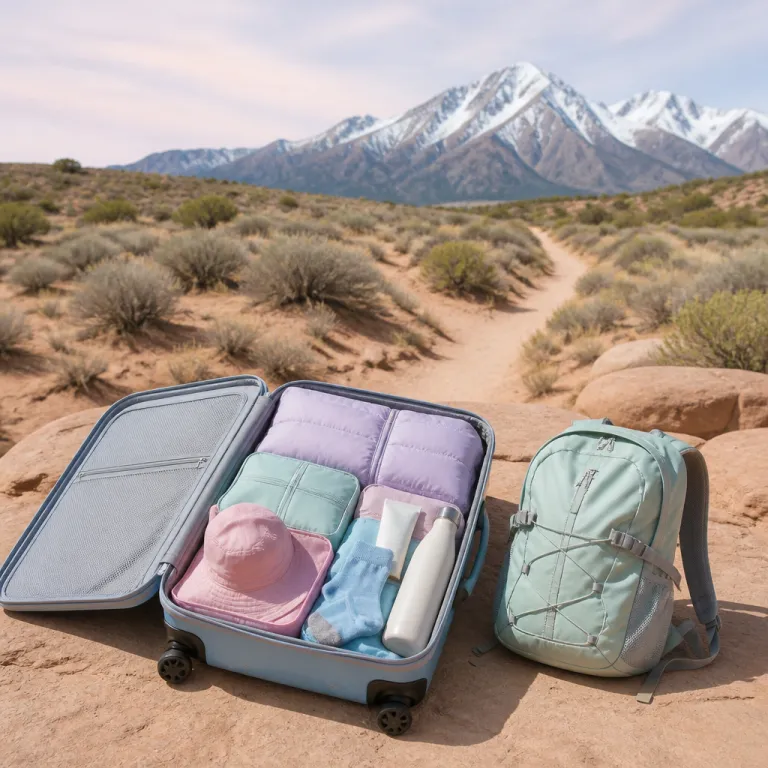
Your main bag should be a carry on sized backpack or soft sided case that fits overhead on budget airlines and under seats on regional trains. Inside that luggage, use packing cubes and, if necessary, one compression bag to segment base layers, mid layers and outer layers so that climate packing adjustments on the road take seconds, not twenty minutes on a dusty platform. A small day bag handles daily items such as a light jacket, scarf, gloves and a compact wash kit, which keeps your main pack closed and secure during hectic transfers.
Logistics matter even more on off the beaten path routes where lost bags can take days to reappear. Night trains across Europe, for example, reward travelers who can keep everything in one secure pack, as outlined in this guide to overnight rail as the new direct flight. When your multi-climate carry-on system is dialled in, you move easily between cabins, platforms and remote guesthouses, always knowing that your climate travel setup is on your back, not in a cargo hold.
Systems, laundry and sustainable travel across multiple climate zones
Carrying less is not only about comfort; it is a sustainable travel choice that reduces weight on planes, buses and small boats. When you refine your packing multi-climate trip carry-on strategy, you automatically cut duplicate items, which lowers both cost and environmental impact. Climate travel through fragile mountain regions and desert communities feels more respectful when you arrive with one modest bag instead of multiple bags that strain local transport.
Laundry is the quiet enabler of packing light across multiple climates. Build your packing list around quick drying base layers, merino wool tops and technical underwear that can be washed in a sink at night and worn again within three days, rotating through your layers as you move between climate zones. A compact wash kit, a travel clothesline and a small bottle of concentrated detergent will keep your items fresh without relying on hotel services that may not exist in remote valleys.
Think in terms of systems rather than single garments; a base layer plus mid layer plus outer layer equals one climate solution, and you can mix and match those layers to handle both warm afternoons and cold weather nights. When you pack light and pack smart, you will find that one carefully chosen jacket, a handful of base layers and a disciplined use of packing cubes can support weeks of climate travel. This approach respects both your back and the places you move through, aligning comfort, efficiency and sustainable travel in one coherent strategy.
Advanced tactics: mixing, matching and adapting on the road
Once the fundamentals are in place, the difference between a competent and an exceptional packing multi-climate trip carry-on strategy lies in how you mix and match. Choose a restrained colour palette so that every base layer, mid layer and outer layer can be combined without thought, which is vital on early travel days when you are packing in the dark. This mix and match discipline means that even with a small number of items, your outfits will feel varied across multiple climates and social settings.
Plan for specific climate zones rather than vague notions of hot or cold weather. Check detailed weather forecasts for each leg of your trip, then adjust your packing list by one or two items rather than overhauling the whole bag, which keeps your luggage light and your decisions clear. If an unexpected cold snap hits a desert city, you will already have base layers and a compact jacket in your bags, so you simply add layers instead of shopping in a rush.
For travelers who regularly combine business and remote leisure, it is worth maintaining a standing packing list tuned to multiple climate scenarios. Keep a note of what you actually wore over three days in different climates, then refine your climate packing system after each trip, removing items that never left the bag. Over time, your personal packing climates strategy will become as reliable as your passport, letting you pack light, move fast and still feel appropriately dressed whether you are stepping into a mountain village or a boardroom.
Key figures for multi climate carry on packing
- Average daytime temperatures in many hot desert regions reach around 35 °C according to climatological summaries from national meteorological agencies, which means your packing list must include very light base layers that handle intense heat.
- Typical mountain destinations on the same itinerary can sit near 15 °C in the daytime based on long term climate normals from services such as the National Weather Service and similar organisations, so you need mid layers and an outer layer that bridge a 20 °C temperature swing.
- Limiting yourself to two versatile pairs of shoes, as recommended in many minimalist packing guides, can significantly reduce luggage volume compared with travelers who routinely pack three or more pairs.
- Using packing cubes and compression bags can make it easier to use every corner of a carry on, which is often the difference between fitting a warm jacket and being forced to check a bag.
- Multi destination trips that cross at least two climate zones are rising in popularity, especially among business travelers who extend work trips, making a refined packing multi-climate trip carry-on strategy a practical cost saving tool as airlines expand checked baggage fees.
FAQ about packing for multi climate carry on travel
How can I pack light for multiple climates without checking a bag ?
Use a strict layering system built around merino wool and technical fabrics, then limit yourself to one carry on bag and one day bag. Focus on base layers, mid layers and one outer layer that can handle both cold weather and wind, rather than separate outfits for each climate. A short, tested packing list plus regular laundry will keep your luggage light while still covering all expected weather.
What fabrics work best for climate travel that spans hot and cold ?
Merino wool is the most versatile option for base layers because it regulates temperature, resists odour and dries relatively quickly. Pair it with synthetic or blended mid layers and a lightweight shell jacket that blocks wind and rain without adding bulk to your luggage. Avoid heavy cotton for core items, as it holds moisture and becomes uncomfortable in both hot and cold climates.
How many days of clothing should I pack for a two week multi climate trip ?
Plan for about three days of clothing in each category, then rely on laundry rather than packing for every single day. That usually means three base layers or shirts, three pairs of underwear and socks, two pairs of trousers and one or two mid layers, plus a single outer layer jacket. This approach keeps your bag compact while still giving you enough rotation to handle different climate zones.
Do I really need packing cubes for a multi climate itinerary ?
Packing cubes are not mandatory, but they make climate packing far more efficient, especially when you are changing layers several times a day. Use one cube for base layers, one for mid layers and one for accessories so that you can reach exactly what you need without unpacking the whole bag. On tight travel days, this organisation saves time and helps you keep track of small items in shared or rustic accommodation.
What is the best way to handle footwear on a desert to mountain route ?
Limit yourself to two pairs of shoes; one pair of light hiking or trail shoes that can handle uneven paths and cooler temperatures, and one pair of city appropriate shoes that still work for long walks. Wear the bulkier pair during travel days to save space in your luggage, and keep the second pair in your bag for meetings or dinners. This two shoe strategy balances comfort, style and weight, which is crucial when you are committed to carry on only travel.