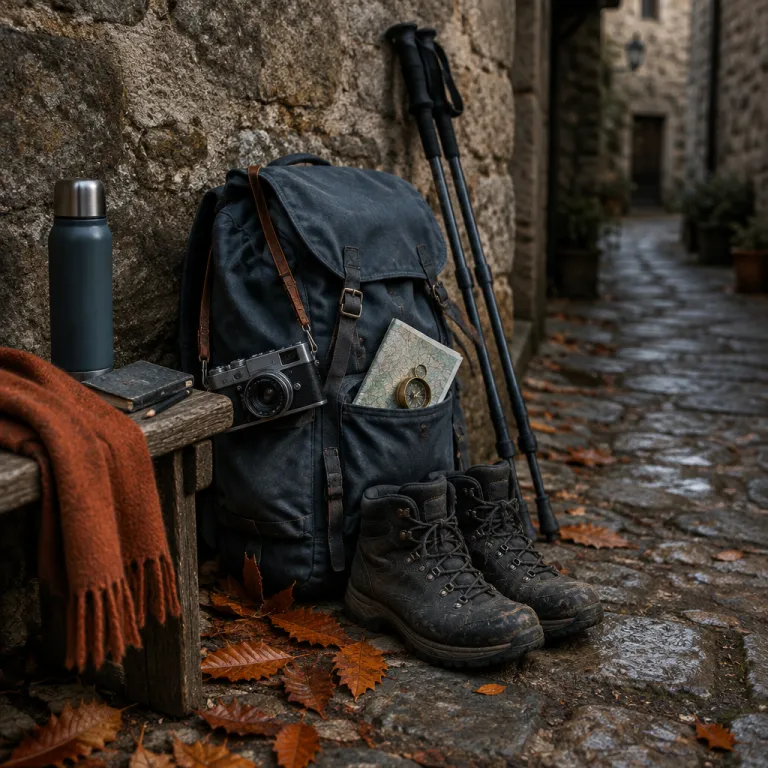
Why autumn in Italy suits off the beaten path travel
Autumn in Italy transforms familiar landscapes into quieter, more intimate places. During this season the country shifts from the high season rhythm of summer to a slower pace that rewards patient travel. For travelers who value space, silence, and characterful encounters, this is often the best moment to plan an itinerary away from the crowds.
The weather between September and November usually stays mild, with many days hovering around 18 to 22 °C in central regions. These months bring softer light and shorter day lengths, which shape how you structure each day and how you choose the best time to explore remote valleys or hill towns. Because conditions can vary sharply between the Alps, the Po Valley, and the southern coasts, planning trip details around local climate patterns matters more than in summer.
For anyone visiting who prefers authenticity over spectacle, the shift from late September into early November is crucial. High season crowds fade, prices ease, and local life resumes its usual rhythm, making it easier to experience autumn traditions such as grape harvests, truffle fairs, and olive oil pressing. When you travel during this shoulder period, you gain the freedom to choose smaller villages, linger longer, and shape a journey that feels genuinely personal rather than scripted.
Off the beaten path regions for an Italy autumn escape
Many travelers focus on Venice, Florence, and Rome, yet autumn rewards those who look inland and uphill. In regions like Abruzzo, Basilicata, and Friuli Venezia Giulia, the fall landscape glows with chestnut forests, terraced vineyards, and quiet medieval towns. These areas offer some of the best time windows for a travel experience that feels both remote and deeply rooted in local culture.
Consider the Langhe hills in Piedmont, where the autumn months bring nebbiolo grape harvests and misty mornings over vineyard slopes. During this season villages such as Barolo and La Morra host wine and food festivals, while nearby trails stay almost empty during the day. If you are planning trip details around wine, this is an ideal moment to visit for cellar tastings, long lunches, and slow drives along panoramic ridge roads.
Further east, the Apennine spine between Umbria and Le Marche offers a different fall atmosphere, with stone hamlets, truffle markets, and olive groves ready for harvest. This part of autumn is less about famous monuments and more about everyday rituals like pressing new olive oil in small family mills. One October afternoon near Spoleto, for instance, you might watch a grandfather lift his granddaughter so she can taste the first drizzle of bright green oil on toasted bread, while neighbors argue cheerfully about which year’s harvest was best. For travelers who enjoy harvest season stories, the inland hill towns of central Italy rival better known regions such as Tuscany, a perspective echoed in guides to harvest time hill towns and truffle country just across the Adriatic.
Weather, daylight, and the best time to visit Italy’s quiet corners
Choosing the best time to visit Italy in autumn depends on how you balance weather, daylight, and crowd levels. Early in the season the climate can still feel summery, especially in the south, while the Alps and northern lakes cool more quickly. If you prefer warm days for hiking and outdoor cafés, late September and October usually offer the best combination of stable conditions and manageable visitor numbers.
By late October and into November the country shifts toward cooler, moodier days that suit cultural travelers and food lovers. In these autumn months, high season is firmly over, and many coastal resorts wind down, but inland towns and cities regain their local rhythm. This is often the best time to visit smaller destinations because accommodation availability improves, and you can shape a route that follows festivals, markets, or wine events without battling heavy crowds.
Data from tourism boards and recent analyses on the growing trend of travelers avoiding crowded destinations show a clear move toward shoulder season travel. That shift aligns perfectly with an autumn itinerary focused on lesser known regions, where each day can be planned around local forecasts and daylight hours rather than queue times. When you are visiting with this mindset, you can treat every day as a flexible canvas, adjusting your choices between outdoor walks, village cafés, and evening tastings as conditions change.
Harvest season: wine, olive oil, and slow travel rituals
Autumn in Italy is inseparable from harvest, and harvest is inseparable from taste. Across the country, the fall season brings grapes, olives, chestnuts, and mushrooms to markets and festival tables. For travelers, this is the best time to weave wine and olive oil experiences into a route that avoids the obvious stops.
In regions such as Umbria, Puglia, and western Sicily, the olive harvest usually peaks between late October and November, depending on altitude and weather. Visiting at this time lets you watch olives being pressed into bright green new olive oil, often in small frantoi where families gather to taste the first drizzle on toasted bread. Many mills welcome curious visitors informally, especially if you call ahead or ask at local cafés during your journey through rural districts.
Wine lovers will find that the best time to visit vineyards in autumn is just after the main grape harvest, when cellar teams have a little more time to talk. In Piedmont, Trentino Alto Adige, and lesser known parts of Veneto beyond Venice, you can plan an autumn route that links small producers, village osterie, and scenic drives. Each day of travel becomes a layered experience, where you taste the season in your glass, hear stories of challenging weather years, and understand how closely rural life is tied to the rhythm of the autumn months.
City breaks beyond Venice: quiet streets and local rhythms
While Venice remains magnetic in any season, autumn invites you to balance famous cities with lesser known urban stops. Places such as Parma, Perugia, Trieste, and Cagliari offer rich culture with far fewer crowds in the fall. These cities become ideal bases for an itinerary that mixes day trips into the countryside with evenings in historic centers.
In Parma, the autumn months bring markets filled with porcini mushrooms, new wine, and regional cheeses, while nearby hills glow with turning leaves. Perugia’s medieval streets feel calmer after the high season, and the city’s position in central Italy makes it easy to reach hill towns by bus or train during the day. Trieste, facing the Adriatic, offers a different fall mood, with Habsburg era cafés, sea views, and quick access to karst plateaus that are perfect for walking in cool, breezy conditions.
For travelers planning trip details around cost and flexibility, this is also the moment to rethink where you stay. Home exchanges and trusted house sitting networks can stretch your budget and open up residential neighborhoods that hotels rarely reach, a strategy explored in depth in this guide to staying almost anywhere for the price of trust. When you combine such stays with off the beaten path city choices, your autumn journey becomes less about ticking sights and more about living, briefly, inside everyday Italian routines.
Practical planning tips for traveling Italy in the autumn months
Thoughtful planning turns an autumn in Italy idea into a smooth, rewarding reality. Start by mapping your trip around no more than two or three regions, allowing enough days in each place to adjust to local pace and weather. This slower approach to travel is especially valuable in the fall, when shorter daylight hours and variable conditions can affect transport and outdoor plans.
When planning logistics, pay close attention to regional transport timetables, which sometimes shift after the high season. In mountain and coastal areas, some services reduce frequency from late September onward, so always check schedules a day in advance. Booking flexible train tickets and choosing accommodations with easy access to town centers can save time and frustration if the weather turns wet or unexpectedly cool.
Packing for an autumn journey means preparing for layers and quick changes. A lightweight waterproof jacket, breathable base layers, and comfortable walking shoes will cover most scenarios, from misty vineyard mornings to crisp city evenings. If you are visiting in late October or November, add a warmer sweater, gloves, and a compact umbrella, so every day of your travels remains comfortable enough to enjoy markets, tastings, and unplanned walks through quiet streets.
Key figures on autumn travel trends in Italy
- Data from the Italian National Institute of Statistics (ISTAT) show that overnight stays in September and October account for roughly one quarter of annual tourist nights in Italy, underlining how important the autumn months have become for the national travel economy (for example, the 2019 “Movimento turistico in Italia” report).
- Regional tourism offices in Tuscany and Piedmont report that wine and food related trips during the fall season have grown by more than 20 percent over the past decade, reflecting strong interest in harvest focused experiences such as vineyard visits and olive oil tastings (noted in regional summaries published between 2015 and 2023).
- Surveys by major booking platforms such as Booking.com and Airbnb indicate that shoulder season stays, especially in September and October, now represent one of the fastest growing segments for visiting Italy, as travelers seek to avoid high season prices and crowded attractions (highlighted in trend reports released in 2022–2023).
- Climate data from the Italian Air Force Meteorological Service (Servizio Meteorologico dell’Aeronautica Militare) show that average daytime temperatures in central Italy during October typically range between 15 and 20 °C, providing comfortable conditions for walking, city sightseeing, and rural excursions (based on 1991–2020 climate normals).
FAQ about autumn in Italy off the beaten path
Is autumn a good time to visit Italy if I dislike crowds ?
Yes, autumn in Italy is ideal if you prefer quieter streets, shorter queues, and more relaxed service. After the high season ends, many destinations shift back to local rhythms while remaining lively enough for enjoyable evenings. Choosing smaller cities and rural regions amplifies this effect and makes each day of travel feel more personal.
Which autumn months are best for wine and food experiences ?
Late September and October are usually the best time for grape harvest events, while late October and November are prime for truffles, chestnuts, and new olive oil. In regions such as Piedmont, Umbria, and Emilia Romagna, these weeks bring markets, fairs, and cellar tastings. Plan your visit around specific festivals or harvest calendars published by regional tourism boards.
How does the weather in Italy change between September and November ?
In early autumn Italy often feels like an extended summer, especially in the south and on the islands. Temperatures gradually cool through October, and by November it can be quite crisp in the north, with more rain and occasional fog. Always check local forecasts a few days ahead and pack layers so you can adapt during your trip.
Are off the beaten path destinations easy to reach by public transport ?
Many lesser known towns in Italy are reachable by regional trains or buses, especially in central and northern regions. However, services may be less frequent outside the high season, particularly in rural areas. When planning routes, allow extra time for connections and consider renting a car for maximum flexibility in remote valleys or hilltop villages.
What should I pack for traveling Italy in the fall ?
For an autumn in Italy journey, bring layered clothing, a light waterproof jacket, and comfortable walking shoes suitable for cobblestones and country paths. Add a warmer layer, scarf, and compact umbrella if you will be visiting in late October or November. This combination keeps you comfortable across different regions, from cool mornings in the hills to milder afternoons by the sea.