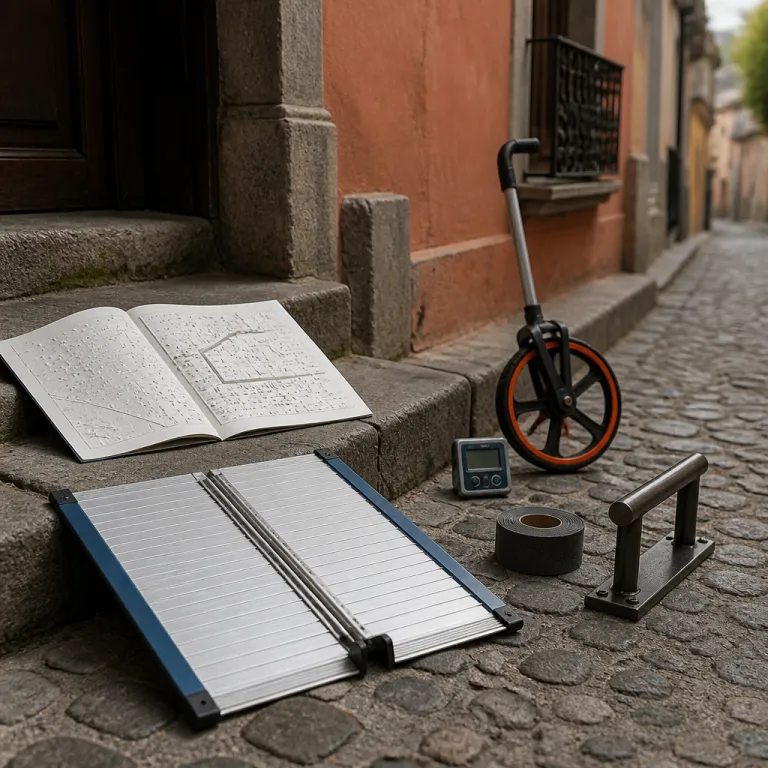
San Miguel de Allende accessible neighborhoods and practical realities for everyday life
San Miguel de Allende accessible neighborhoods and practical realities start with understanding the terrain. The historic center of this colonial town enchants visitors, yet its steep cobblestone streets can challenge anyone with mobility issues or heavy luggage. When you plan where to stay or which places to live in the city, you need to balance charm, accessibility, and the real cost of daily life.
The city of San Miguel sits in Mexico’s central highlands, where the altitude and dry climate shape local life. Average annual temperatures around 18.5 °C, reported by Climate-Data.org for the municipality, create a comfortable environment for walking, but the uneven pavements in the Centro Histórico mean that accessible routes matter more than distance alone. For expats who move to México seeking quality of life, peace of mind comes from choosing a neighborhood where healthcare, groceries, and community spaces are reachable without constant car use.
Many travelers compare San Miguel de Allende with Mexico City, Puerto Vallarta, or Playa del Carmen when they evaluate cost of living and lifestyle. Mexico City offers world class museums and a dense urban experience, while Puerto Vallarta and Playa del Carmen promise beaches and resort style living. San Miguel, by contrast, offers a smaller colonial city with a vibrant cultural scene, strong expat community, and a slower rhythm of daily life that rewards those who value walkable streets and close local connections.
Centro Histórico: beauty, barriers, and realistic safety guidelines
The Centro Histórico of San Miguel de Allende is the postcard image that draws many visitors to México. Here, colonial architecture, baroque churches, and narrow cobblestone streets create a historic center that feels almost theatrical in its intensity. Yet for travelers focused on off the beaten path experiences and practical accessibility, this same beauty can become a barrier if you rely on wheelchairs, strollers, or have limited mobility.
Within the Centro area, the cost of living is higher than in outlying neighborhoods, and the density of art galleries, cafés, and restaurants reflects that premium. Staying in or near the centro can still make sense if you prioritize being able to walk to cultural events, live music, and community gatherings in the Jardín, but you must plan your routes carefully. A resident who tracks her walks notes that the climb from the Jardín to the upper edge of centro can take 12–18 minutes at a gentle pace, with some slopes feeling steeper than 8%. Wear comfortable shoes for cobblestone streets, carry a simple paper map or offline guide, and identify flatter side streets that avoid the steepest climbs between the historic center and surrounding hills.
Safety guidelines here are less about crime and more about physical risk and sensory overload. The city is considered safe for expatriates, and “Yes, it is considered safe with a welcoming expatriate community.” remains a fair summary for the core districts. For off the beaten path explorers, the real challenge lies in navigating uneven curbs at night, managing crowds during festivals, and respecting local life by keeping noise down when returning late through residential lanes that sit just beyond the main tourist corridors; thoughtful behavior protects both you and the community you have come to experience.
Guadiana and San Antonio: flatter streets, local life, and expat realities
South of the centro, the neighborhoods of Guadiana and San Antonio offer some of the most balanced accessible neighborhoods and day to day realities in San Miguel de Allende. Guadiana is known for its relatively flat terrain and leafy streets, which makes it easier for travelers with mobility concerns to navigate daily life on foot. Proximity to organic markets and small parks creates a gentle rhythm where local families, retirees, and expats share the same sidewalks and cafés.
San Antonio, by contrast, feels more like a traditional Mexican town folded into the expanding city of San Miguel. Here, you will find local markets, hardware shops, and modest eateries alongside art studios and renovated homes owned by the growing expat community. The cost of living in San Antonio can be lower than in the historic center, yet you still remain close enough to walk or take a short taxi ride to the main plaza, which makes it one of the best places to experience both Mexican culture and international influences in a single day.
For travelers who usually split time between Mexico City, Puerto Vallarta, or Playa del Carmen, these neighborhoods offer a different kind of cultural living. Instead of beachfront bars or mega museums, you get daily life scenes like schoolchildren walking home, neighbors chatting at the corner tienda, and impromptu gatherings in small art galleries. One long term visitor describes Guadiana as “a place where you can cross the park in three minutes, yet end up talking with the same dog walkers every morning.” If you are planning family travel that values immersion over entertainment complexes, resources such as this analysis of what family travel gets wrong about children’s experiences at thoughtful family travel can help you frame San Miguel as a place to live México slowly rather than rush through a checklist.
Atascadero and Los Frailes: tranquil edges, transport, and peace of mind
Moving away from the centro, Atascadero and Los Frailes sit among the quieter places to live in San Miguel de Allende. Atascadero is an established residential area with mature trees and a sense of seclusion, where colonial style homes and gardens create a retreat like atmosphere. Los Frailes, with its tree lined streets and larger properties, appeals to those who want more space, lower noise levels, and a slower pace of daily life.
These neighborhoods offer strong practical advantages for travelers and expats who prioritize peace of mind over immediate access to the historic center. Traffic is lighter, air feels cleaner, and the soundscape shifts from church bells and mariachi bands to birdsong and distant dogs, which can significantly improve perceived quality of life. However, the accessible neighborhood realities here include a greater reliance on taxis or private cars, especially at night, so factor transport costs into your overall cost of living calculations.
For those who move to México after time in Mexico City or coastal hubs like Puerto Vallarta and Playa del Carmen, Atascadero and Los Frailes can feel almost rural. Yet you remain within a short drive of the city’s healthcare facilities, supermarkets, and cultural venues, which keeps essential services close. A typical daytime taxi ride from Los Frailes to the Jardín can take around 10–15 minutes depending on traffic, and many residents budget several such trips per week. When you evaluate these areas, walk the routes from your potential home to main roads, talk with local residents about daily routines, and remember that the best places for you are the ones where your own mobility, safety expectations, and desire for community all align.
Healthcare, cost of living, and safety guidelines for off the beaten path stays
Any serious guide to San Miguel de Allende accessible neighborhoods and practical realities must address healthcare, cost of living, and safety in concrete terms. The city offers quality healthcare facilities, including hospitals and clinics such as Hospital H+ San Miguel and MAC Hospital, which is a major reason many expats choose to live México here instead of in smaller towns without such services. When you compare the cost of living with major U.S. cities or with Mexico City, you will usually find that housing, domestic help, and some services are more affordable, while imported goods and private healthcare can narrow the gap.
For travelers exploring off the beaten path corners of San Miguel and nearby villages, safety guidelines start with transport planning and realistic time buffers. Walking is often the most rewarding way to experience local culture, but night time returns along unlit cobblestone streets can be risky if you are unfamiliar with the area or have limited mobility. Before you move to México or commit to a long stay, map out routes to clinics, pharmacies, and main taxi stands, and keep a written list of emergency numbers in case your phone battery fails during an excursion.
Air travel rules and airport security changes also affect how you arrive in this colonial city and how you pack mobility aids or medical equipment. Staying informed through resources that explain new airport rules and fees, such as this overview of stricter bag checks at upcoming airport regulations, can prevent stressful surprises at departure. Once in San Miguel de Allende, combine these broader safety habits with local common sense, such as avoiding isolated alleys late at night, using registered taxis, and respecting community norms around noise and public behavior.
Cultural immersion, expat communities, and realistic expectations
San Miguel de Allende’s reputation as a vibrant cultural hub rests on more than its photogenic churches. The city’s expat community, local artists, and Mexican families have together created a cultural living environment where art galleries, language schools, and community organizations intersect. For travelers seeking off the beaten path experiences, the real reward lies in engaging with this mix of cultures rather than treating the town as a backdrop for social media.
Daily life here can feel very different from Mexico City’s urban intensity or the resort oriented rhythms of Puerto Vallarta and Playa del Carmen. In San Miguel, you might start the morning at a neighborhood café in San Antonio, spend midday exploring art galleries near the centro, and end the evening at a community event in a park in Guadiana. Such routines show why many expats describe the quality of life as high, even when the cost of living in central neighborhoods rivals that of some North American cities.
Yet San Miguel de Allende accessible neighborhoods and everyday realities also include cultural responsibilities. Respect for local life means learning at least basic Spanish, supporting Mexican owned businesses, and understanding that this colonial town is not a theme park but a living community. If you have enjoyed off the beaten path journeys in other regions, such as the wadis and desert camps of Oman described in this exploration of Muscat’s souks at Oman beyond Dubai’s shadow, you already know that meaningful travel requires humility, patience, and a willingness to adapt your expectations.
From short stay to long term living: planning your move to México
Many visitors arrive in San Miguel de Allende for a week and leave contemplating a longer stay or even a permanent move to México. The combination of colonial architecture, manageable city size, and strong expat networks can make that decision feel easy. Yet a responsible guide to this colonial town must emphasize that moving from traveler to resident requires a deeper understanding of San Miguel de Allende accessible neighborhoods and practical realities.
Start by spending time in multiple neighborhoods, not just the centro or the most Instagrammed streets. Walk through Guadiana at different times of day, visit markets in San Antonio, and take short taxi rides to Atascadero or Los Frailes to feel how distance and traffic affect daily routines. Talk with both locals and long term expats about cost of living, from rent and utilities to healthcare and transport, and remember that the best places to live México are those that match your budget, mobility, and appetite for cultural immersion.
When you evaluate potential homes, pay attention to practical details that often get overlooked during romantic first impressions. Count the steps from the street to your front door, test water pressure, and check how far you must walk on cobblestone streets to reach a main road or bus stop. One couple who recently relocated measured their daily walk from a San Antonio side street to the Jardín at about 14 minutes on mostly level ground, which helped them decide that they could manage without a car. By grounding your decisions in these tangible factors, you give yourself a better chance of building a life in San Miguel de Allende where quality of life, peace of mind, and respect for the local community all reinforce one another.
Key figures for understanding San Miguel de Allende
- San Miguel de Allende has a population of 174 615 people, according to the 2020 INEGI national census, which means the city is large enough to support diverse services yet small enough to maintain a strong sense of community.
- The average annual temperature of 18.5 °C, reported by Climate-Data.org, creates a mild climate that encourages walking and outdoor cultural events throughout most of the year.
- Compared with major U.S. cities, the overall cost of living in San Miguel de Allende is generally lower, especially for housing and services, although imported goods and private healthcare can approach North American price levels.
- The city’s location in México’s central highlands places it within a broader region that has seen growth in art and cultural events, which reinforces San Miguel’s role as a regional hub for creative communities.
FAQ: practical questions about San Miguel de Allende
What is the cost of living in San Miguel de Allende ?
The cost of living varies by lifestyle; generally, it's lower than in major U.S. cities. Housing in the historic center and nearby neighborhoods like Guadiana can be relatively expensive, while areas farther from the centro often offer better value. Daily expenses such as local produce, public transport, and some services remain affordable compared with many North American urban areas.
Is San Miguel de Allende safe for expatriates ?
Yes, it is considered safe with a welcoming expatriate community. Most safety concerns relate to petty theft and the physical challenges of navigating cobblestone streets rather than violent crime. Sensible precautions, such as avoiding isolated areas late at night and using registered taxis, are usually sufficient for both visitors and long term residents.
What are the healthcare facilities like in San Miguel de Allende ?
The city offers quality healthcare facilities, including hospitals and clinics. Residents and expats can access both public and private options, with private clinics often providing English speaking staff and shorter wait times. Many people choose a mix of local insurance and out of pocket payments, which can still be more affordable than equivalent care in the United States.
Which neighborhoods are most accessible for people with mobility concerns ?
Guadiana and parts of San Antonio are often considered more accessible because of their flatter streets and proximity to services. The Centro Histórico offers cultural richness but has steep, uneven cobblestone streets that can be difficult for wheelchairs or those with limited mobility. Outlying areas like Los Frailes may provide calmer environments but usually require reliance on taxis or private cars.
How does San Miguel de Allende compare with Mexico City or coastal destinations ?
San Miguel de Allende is smaller and more intimate than Mexico City, with a focus on colonial architecture and community scale cultural life rather than big city infrastructure. Compared with coastal destinations such as Puerto Vallarta or Playa del Carmen, it trades beaches and resort style amenities for temperate highland weather and a walkable historic center. Many travelers and expats choose San Miguel when they value art, community, and manageable size over nightlife or ocean access.