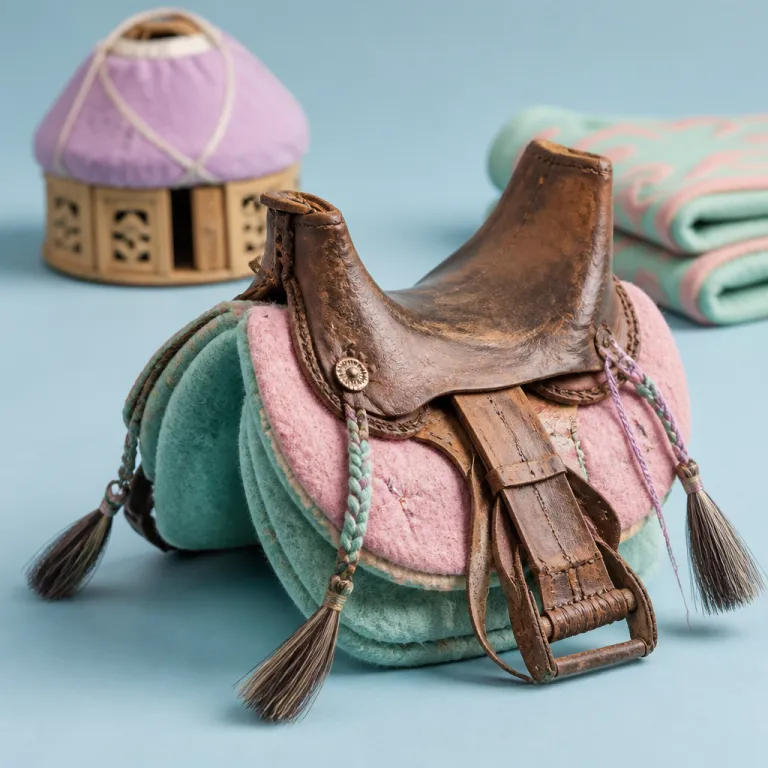
Kyrgyzstan travel guide off beaten path for coolcation couples
Kyrgyzstan sits in the heart of Central Asia, a country where 90% of the terrain is mountainous and the roads feel more like suggestions than certainties. For couples who have cycled through every so called hidden Mediterranean cove, this Kyrgyzstan travel guide off beaten path offers something rarer; a frontier feeling that Albania or Montenegro had long before the crowds arrived. You move through real nomad country here, where Kyrgyz herders still graze horses above every valley and the hospitality feels instinctive rather than curated.
Your off the beaten path journey usually begins in Bishkek, a low key capital framed by the Ala Archa range and softened by tree lined avenues. Bishkek works as a gentle first day in the country, with Soviet mosaics, a cafe culture influenced by Russia and Turkey, and Osh Bazaar where local traders sell everything from fermented mare’s milk to hand woven shyrdak carpets. Stay one or two nights in Bishkek, adjust to the altitude, then let the mountains pull you south and east toward the first lakes and valleys.
Visa free entry for many Western passports and direct flights from Istanbul make it surprisingly simple to visit Kyrgyzstan, even for a short trip. As of 2024, citizens of the EU, UK, and several other countries can stay visa free for up to 60 days (check mfa.gov.kg and official Ministry of Foreign Affairs notices for current rules before you book). The coolcation trend is steering travelers away from overheated European beaches toward places where a fleece is more useful than a sun lounger, and Kyrgyzstan answers that brief with authority. Summer days are warm in the valleys yet nights near any high lake will be cold enough to justify serious layers.
Community Based Tourism, known locally as CBT, is the quiet infrastructure that makes an off the beaten path Kyrgyzstan itinerary workable for independent couples. Across the country, Kyrgyz nomads and village families host travelers in yurts and simple guest rooms, arranging horses, transfers, and guides with minimal fuss. This grassroots network keeps money in local communities and gives you direct access to people who know every pass, every grazing meadow, every shortcut between one valley and the next; in Karakol, for example, CBT Karakol (often reachable via local tourism offices) can match you with English speaking guides within a day.
Son Kul lake and the high pasture rhythm
Son Kul is the high altitude lake that anchors most first time horseback journeys in Kyrgyzstan, and it deserves that central role. Sitting at around 3 016 meters above sea level according to national topographic surveys and local mountaineering guides, Son Kul lake is ringed by rolling jailoo pastures where herders pitch yurts for the summer months and move with their animals as the grass dictates. There is no permanent village on the shore of Son Kul, only seasonal camps that appear when the snow retreats and vanish again when the first frosts return.
Days at Son Kul follow a simple pattern that suits couples seeking a slower, more elemental stay. You wake to the sound of horses being rounded up, ride out across the open valley with a local guide, then return to the lake shore for bowls of steaming laghman and endless tea. One CBT host near the western shore likes to show guests how to knead dough for boorsok before dinner, turning a cold evening into a small cooking lesson. Nights are lit by candles or solar lamps because there is no grid electricity, and the Milky Way above Son Kul is bright enough to reset your sense of scale.
Community Based Tourism families around Son Kul arrange one day rides or multi day circuits that link different yurt camps around the lake. Horseback trekking here is not a performance for visitors; it is the way Kyrgyz nomads still move between grazing grounds, and you are simply folded into that rhythm. As one local guide explains to guests, "What is the best time for horseback trekking in Kyrgyzstan? June to September."
For couples used to polished coastal escapes, the comfort level at Son Kul is intentionally basic yet surprisingly thoughtful. Mattresses are thick, stoves keep yurts warm even when the wind whips across the lake, and shared meals turn strangers into a temporary caravan. If you are drawn to other unusual journeys, the same curiosity that might take you to unusual places to travel in Cuba will feel well rewarded on this high plateau.
From Bishkek to Karakol: valleys, canyons, and hot springs
Leaving Bishkek, most couples trace the northern shore of Issyk Kul, the vast alpine lake that moderates the local climate and shapes the region’s micro seasons. Issyk Kul lake is technically a saline, endorheic lake with no outlet, framed by snow capped mountains on both the north and south shores, and it has been a Silk Road waypoint for centuries. Today Issyk Kul still feels central to Kyrgyzstan’s identity, yet the scale of the shoreline means you can always find quiet places to visit even in peak season.
The southern shore of Issyk Kul is where a Kyrgyzstan travel guide off beaten path really starts to earn its name. Here you find Skazka Canyon, a compact national park of rust red formations where short hiking routes wind through sculpted ridges and gullies. A day here pairs well with a late afternoon soak in nearby hot springs, many of them simple concrete pools fed by mineral rich water that locals swear by after long trips or hard winters.
Continue east and the town of Karakol becomes your base for some of the country’s most rewarding multi day hikes. Karakol itself blends Dungan mosques, Russian wooden houses, and a lively Sunday animal market, but the real draw lies in the valleys that radiate into the mountains. From Bishkek, the 400 kilometer drive to Karakol typically takes six to seven hours by shared taxi or private car, with costs that often range between 1 500 and 3 000 KGS per seat depending on season. From here you can plan a trip into the Chon Kemin area, explore the national park around Ala Archa on a separate leg, or link several valleys into a longer circuit.
For couples who enjoy structured itineraries, it is possible to design a one week loop that feels as curated as a three day hidden paths itinerary in Malaysia, yet with far more improvisation. One day might be a gentle hike in a side valley above Issyk Kul, the next a long ride toward a remote high mountain basin where glaciers feed turquoise pools. The key is to leave space in your schedule; local guides will always know a quieter trail or a lesser known hot spring.
Horse trekking routes: Ala Kul, Altyn Arashan, and Sary Jaz valley
Horse trekking is the defining way to move through Kyrgyzstan’s mountains, and couples who ride even a little will find the country opening up in three dimensions. From Karakol, classic routes include the demanding hike to Ala Kul, a high mountain lake often reached on foot before riders meet their horses for the descent into Altyn Arashan. Ala Kul lake sits in a rocky cirque that often holds snow late into the season, while Altyn Arashan is a valley of hot springs and scattered cabins where you can soak under the stars.
Another serious frontier for an off the beaten path Kyrgyzstan adventure is the Sary Jaz region, a vast valley system near the border where permits and experienced local guides are essential. The Sary Jaz valley feels like the edge of the map, with views toward the Engilchek glacier and peaks that rise well above 6 000 meters. Multi day trips here combine long hours in the saddle with nights in yurts or tents, and the sense of scale is closer to a polar journey than a typical hiking holiday; permits are usually arranged through licensed agencies in Karakol that liaise with border authorities several days in advance, and couples should budget at least two to three days for paperwork and the long 5 to 7 hour 4x4 approach from town.
Not every couple needs that level of remoteness on their first visit to Kyrgyzstan, and there are gentler options that still feel wild. Shorter rides in Chon Kemin national park or day hikes in Ala Archa national park offer big mountain drama within a few hours of Bishkek, ideal for those balancing limited time with a desire for real altitude. Local guides are clear about expectations too; "Do I need prior riding experience? Not necessarily; tours cater to various skill levels."
For those planning around climate rather than calendar, Kyrgyzstan aligns perfectly with the coolcation trend highlighted in many peak summer reports. When European cities swelter, the passes above Issyk Kul and the meadows near Son Kul stay comfortably cool, especially at night. If you are weighing where to go when everyone else picks the same beach, the detailed guidance in peak summer alternatives pairs naturally with a deep dive into Kyrgyzstan’s high routes.
Silk Road echoes: Osh, Burana Tower, and village stays
While the mountains dominate most images of Kyrgyzstan, the country’s Silk Road heritage adds a quieter layer of meaning to any trip. Near Bishkek, the Burana Tower rises from the Chüy valley, a lone minaret and archaeological site that once anchored the city of Balasagun on the trade routes between China and the Mediterranean. Climbing the narrow interior staircase rewards you with views across farmland to distant mountains, a reminder that Kyrgyzstan’s story has always been about movement.
Far to the south, Osh feels older and more layered than Bishkek, with Sulaiman Too Sacred Mountain rising above the city and bazaars that still function as regional hubs. Couples who visit Osh as part of a Kyrgyzstan travel guide off beaten path often combine it with homestays in nearby villages, where local families host guests in simple rooms and share stories of seasonal work in the high pastures. These village stays echo the Community Based Tourism model found around Son Kul and Issyk Kul, yet the cultural mix here leans more toward Uzbek influences.
Between these anchor points lie countless small settlements that rarely appear in English language guidebooks yet define the country’s character. In the side valleys off the main Issyk Kul road, in the folds of the Jaz valley, and along the approach tracks to Engilchek, you will find villages where horses still outnumber cars. Staying a night or two in these places to visit lesser known shrines or to walk with local shepherds often becomes the most memorable part of a longer journey.
For couples used to European road trips where every viewpoint is signposted, Kyrgyzstan asks for a different kind of attention. Here the best places to visit are often indicated by a nod from a driver, a gesture from a child pointing toward a hidden high lake, or a suggestion from a CBT coordinator who knows a family in a remote kul side valley. That is the appeal; this is not the secret spot, but the path where the map runs out and the local points to something better.
Practical guidance for couples planning a Kyrgyzstan horseback journey
Planning a Kyrgyzstan travel guide off beaten path as a couple starts with timing and altitude. The core trekking and riding season runs from June to September, when high passes are generally free of snow and Son Kul lake is accessible by track rather than only by imagination. Pack warm clothing even for midsummer, because evenings at 3 000 meters in any national park will feel closer to a shoulder season in the Alps than to a beach holiday.
Horseback trekking is accessible to most reasonably fit travelers, and local guides are adept at matching horses to ability. As one CBT operator often reassures guests, "Are there guided tours available? Yes, local guides offer organized treks." Even if you have never ridden before, a one day loop near Issyk Kul or a gentle approach to Ala Archa can be a comfortable introduction before committing to a multi day route toward Ala Kul or into the Sary Jaz valley.
Respect for local customs matters as much as physical preparation. Dress modestly in villages, ask before photographing people, and accept that the pace of a day is often set by animals and weather rather than by your itinerary. Simple gestures, from learning a few Kyrgyz phrases to helping your hosts with small tasks around the yurt, deepen the exchange and reinforce the sustainable tourism goals that underpin Community Based Tourism.
For couples who have already exhausted the usual list of hidden European peninsulas and are now scanning Central Asia for something genuinely different, Kyrgyzstan offers a rare combination. You get the drama of high mountains, the intimacy of yurt stays on the shore of Son Kul or Issyk Kul, and the cultural depth of Silk Road towns like Osh and valleys like Jaz that still feel unhurried. Most of all, you gain the feeling that your trip is shaped not by algorithms or trending places to visit, but by the curve of a valley and the quiet authority of the person holding your horse’s reins.
FAQ
What is the best time for horseback trekking in Kyrgyzstan?
The most reliable period for horseback trekking in Kyrgyzstan runs from June to September, when high passes are generally snow free and yurt camps around Son Kul and Issyk Kul are fully operational. Trails in areas such as Ala Archa and Chon Kemin national park are also more accessible in these months. Shoulder seasons can be beautiful but bring a higher risk of snow and closed routes.
Do I need prior riding experience to join a horse trek?
Prior riding experience is helpful but not essential for many Kyrgyzstan routes. Community Based Tourism offices and local guides routinely organize treks for beginners, choosing calm horses and shorter day stages in valleys near Issyk Kul or around easier terrain. More demanding journeys into Sary Jaz or toward Engilchek glacier are better suited to riders with some experience and good overall fitness.
How many days should a couple plan for a first trip?
A well balanced first visit for a couple usually runs between 8 and 12 days. This allows time for one or two nights in Bishkek, a multi day stay around Issyk Kul or Son Kul lake, and at least one two or three day trek near Karakol or in a nearby national park. With fewer days you can still sample yurt life and short hikes, but longer stays reveal more of the country’s rhythm.
Is Kyrgyzstan suitable for independent travel without a tour group?
Kyrgyzstan is well suited to independent travel for couples who are comfortable with flexible plans and occasional language barriers. The Community Based Tourism network helps arrange local guides, transport, and yurt stays, making it easier to reach remote valleys like Jaz or Chon Kemin without a large organized tour. Public transport covers main corridors, while shared taxis and private drivers connect you to trailheads and smaller villages.
What should we pack for a summer horseback journey?
For a summer horseback journey, pack layered clothing including a warm fleece, a waterproof shell, and thermal base layers for nights near high lakes such as Son Kul or Ala Kul. Sturdy hiking boots, a hat, gloves, and a compact sleeping bag liner add comfort in yurts or simple village stays. Sunscreen, a refillable water bottle, and a small first aid kit are essential, while padded shorts or leggings can make long days in the saddle more comfortable.
References
mountainguidekg.com (terrain and elevation data for Son Kul and Ala Kul)
UN World Tourism Organization reports on Central Asia tourism trends and cool climate travel
Airalo research on coolcation and activity based travel patterns
Ministry of Foreign Affairs of the Kyrgyz Republic (mfa.gov.kg) for visa policy and entry regulations
Local protected area and border service guidelines for Sary Jaz and Engilchek permit requirements