Lake Atitlán Guatemala villages travel guide for travelers who like detours
A lake Atitlán Guatemala villages travel guide for travelers who like detours
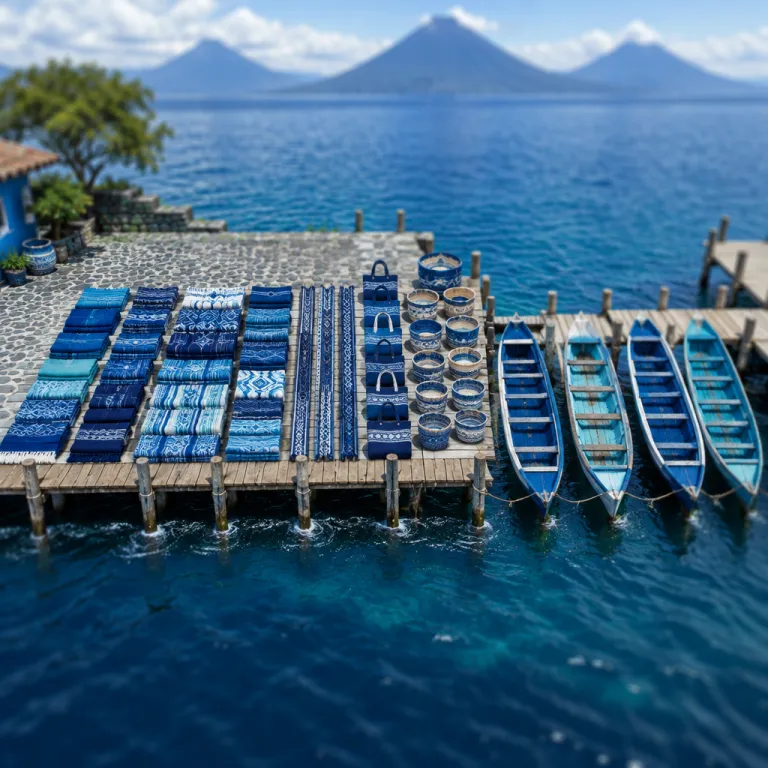
Lake Atitlán sits in a steep volcanic caldera, its deep blue water ringed by twelve Mayan villages that feel more like distinct worlds than neighboring towns. This Lake Atitlán Guatemala villages travel guide starts with a simple rule: let the boats, not the buses, set your rhythm. You move between Atitlán towns by lancha, watching each shoreline settlement appear with its own skyline of church towers, corrugated roofs, and volcano views.
Panajachel is the practical gateway town in Guatemala, with shuttle links from Antigua and Guatemala City and the widest choice of Lake Atitlán hotels. It is not the most atmospheric village, but it is where you will find reliable ATMs, transport agencies, and a first sense of how the lake and communities work together. From the main dock, public boats fan out toward Santa Cruz, San Marcos, San Juan, San Pedro, and Santiago Atitlán, each route tracing a different story along the shore.
The lake covers roughly 130 km² and drops to a depth of about 340 meters, which explains the dramatic cliffs that rise almost straight from the water. Those cliffs shape everything from how you move between villages to where you can safely swim and where you simply admire the panorama from a terrace. When you visit Lake Atitlán with time, you start to see how each town, from quiet Santa Catarina to busy San Pedro, has negotiated its own balance between tourism and tradition.
Morning belongs to the water here, when the surface is calm and the light is soft on the volcanoes. Boat captains leave Panajachel early, and the first crossings toward San Juan or Santa Cruz often carry more locals than tourists, which is when you hear the real conversations about crops, school, and market days. By late afternoon, when the wind known as the Xocomil picks up, you will be glad you planned your crossings earlier and left the evenings for slow walks through the villages.
For travelers who collect off-the-beaten-path experiences, Lake Atitlán belongs in the same mental map as remote volcanic hikes in southern Europe or quiet Caribbean barrios that tour buses miss. If you are building a broader list of under-the-radar journeys, you might pair this Guatemalan lake with long road trips through lesser-known mountain towns in the United States. What unites them is not remoteness, but the way local communities, from Atitlán to Appalachia, decide how visitors fit into their daily life.
Choosing your base: which Lake Atitlán towns to stay in
Where you stay around the lake will shape your entire experience, more than any single excursion. In this Lake Atitlán Guatemala villages travel guide, think of each town as a different kind of small resort, from lively San Pedro to meditative San Marcos and family-focused Santiago Atitlán. The best places to sleep are not always where the guidebooks shout loudest, but where the rhythm of the town matches your own.
Panajachel works as a first-night base, especially if you arrive late from Guatemala City and want straightforward Lake Atitlán hotels with hot water and reliable Wi‑Fi. You will find a wide range of rooms here, from simple guesthouses to design-forward lakeside properties, and it is easy to arrange onward boats or private transfers. The town itself is busy, but a short walk off the main Calle Santander leads to quieter residential streets where you can stay near the water without the constant sound of traffic.
San Pedro La Laguna, usually shortened to San Pedro, has long been the backpacker town of the lake, with bars, language schools, and a dense strip of budget rooms near the dock. If you want nightlife, social energy, and easy access to the San Pedro volcano trail, this village is your obvious base. The trade-off is that you share the best things about the place, like sunrise views from the western shore, with a crowd that rarely sleeps early.
San Marcos La Laguna, or simply San Marcos, leans toward yoga, meditation, and wellness retreats, with wooden platforms tucked into the cliffs and small cafés serving plant-based menus. Couples who want quiet evenings, swims from rocky platforms, and a slower pace often stay by the shore here for several nights. It is also a good base for those who want to hike Indian Nose at dawn without staying in a larger town.
Santiago Atitlán, on the southern shore, feels more like a working Guatemalan town than a resort, with a strong Tz'utujil identity and a busy market square. Here you will find modest hotel options, homestays, and a few lakeside lodges with generous rooms and wide terraces that frame the volcano perfectly. For travelers who enjoyed staying in lesser-known Sicilian villages rather than in Taormina, the atmosphere in Santiago will feel familiar, and a focus on Sicily beyond the postcard gives a useful comparison in how real life and tourism can coexist.
Textiles, cooperatives, and the art of buying well in the villages
The real luxury of Lake Atitlán is not a high thread count, but the textiles woven on backstrap looms in villages like San Juan and Santa Catarina. This Lake Atitlán Guatemala villages travel guide would be incomplete without a clear route through the weaving towns, because the best things you can take home are made in courtyards, not in markets. When you buy directly from artisans, you support families, preserve techniques, and carry a tangible memory of the lake.
San Juan La Laguna, often called San Juan, has become the reference town for cooperative-run galleries and natural dye workshops. Here, signs for “cooperativa” are not marketing decoration; they indicate real groups of women who share looms, materials, and profits, and who will show you every step from cotton to finished huipil. Walk one block back from the main dock and you will find small studios where San Juan artists paint lake scenes and volcano silhouettes in saturated colors that echo the textiles.
Santa Catarina Palopó, usually shortened to Santa Catarina, and neighboring Santa Cruz and the smaller settlement of Catarina Palopó, offer a different textile story. In these villages, traditional Kaqchikel patterns meet contemporary design projects that have painted town facades in the same motifs you see in shawls and skirts. The result is a settlement that feels like a living gallery, where the best places to photograph are the alleys where laundry, murals, and water views intersect.
When you visit Lake Atitlán with textiles in mind, plan at least one full day that links San Juan, Santa Catarina, and Santa Cruz by boat. Start early in San Juan to visit cooperatives before the tour groups arrive, then move toward Santa Catarina for lunch with views of the bay and an afternoon walk up to the church. Finish in Santa Cruz, where steep paths climb from the dock to hillside homes, and where you can stay in small properties whose rooms open directly onto the water.
Responsible buying matters as much here as responsible hiking or swimming, and the same logic applies whether you are in Guatemala, Cuba, or any other country with strong craft traditions. For a broader perspective on how to engage with local economies without overwhelming them, an insider’s guide to the best places to visit in Cuba off the beaten path offers useful parallels. The core idea is simple: ask who made the piece, how long it took, and whether the price reflects that work, then pay accordingly.
Volcano hikes, Indian Nose sunrise, and the rhythm of the lake
Lake Atitlán is framed by three main volcanoes, and their presence shapes both the skyline and the daily activities in the surrounding towns. Any serious Lake Atitlán Guatemala villages travel guide must address the hikes honestly, because they range from gentle dawn walks to demanding full-day ascents. Choosing the right trail, and the right guide, is as important as choosing the right town to stay in.
The Indian Nose hike, above the ridge near San Juan and San Pedro, is the most accessible sunrise walk, with a short but steep climb that rewards you with wide views across the water and the silhouettes of the volcanoes. Local guides usually arrange pre-dawn pick-ups by pickup truck from San Pedro, San Juan, or even San Marcos, and the entire outing can fit into a morning before breakfast. It is one of the best things to do for couples who want a shared adventure without committing to a full day on the slopes.
Volcán San Pedro rises directly above the town of the same name, and the trailhead sits a short tuk tuk ride from the lakeside rooms and cafés. The hike typically takes a half day, with a steady climb through coffee plantations and cloud forest before opening onto a viewpoint that makes the entire lake look like a map. On clear days, you can trace the line of Atitlán towns from Panajachel to Santiago Atitlán, and understand how the villages relate to one another in a single sweeping glance.
For experienced hikers, Volcán Atitlán offers a more demanding ascent, usually organized from Santiago Atitlán or from the south side of the lake with specialized guides. This is not a casual walk; it is a full-day commitment that requires proper gear, fitness, and respect for changing weather conditions. The reward is a sense of scale that no boat ride can match, and a deeper appreciation of why the lake and its villages feel both enclosed and infinite at once.
Local tourism boards and community organizations around the lake have been promoting sustainable tourism practices, and that includes how volcano hikes are managed. As one regional information sheet puts it, “Morning: Boat tours. Afternoon: Village visits. Evening: Cultural events.” That rhythm, simple as it sounds, reflects how the lake breathes, and why planning your activities around it leads to a more relaxed, respectful stay.
Markets, homestays, and how to be a good guest in the villages
The markets around Lake Atitlán are not stage sets; they are where families buy food, fabric, and school supplies, and where visitors are tolerated or welcomed depending on how they behave. Any honest Lake Atitlán Guatemala villages travel guide must talk about etiquette as clearly as it talks about the best places to eat or sleep. Respect starts with small gestures, like asking before you photograph a person or a private ceremony, and dressing modestly in the more traditional towns.
Santiago Atitlán hosts one of the most compelling markets, especially on busy days when villagers from the surrounding hills descend with baskets of produce and bundles of textiles. Here, the line between tourist and local commerce blurs, and you can find both everyday items and ceremonial garments in the same narrow alleys. San Pedro and San Juan have smaller markets, but they offer a similar window into daily life, especially early in the morning before the cafés fill with visitors.
Homestays and community-run guesthouses are increasingly common in several villages, giving travelers a chance to stay by the water in simple rooms while contributing directly to local incomes. These stays often include shared meals, informal language practice, and invitations to attend local events that regular hotel guests might never hear about. They are also a way to experience the quieter Atitlán towns, where there may be only one or two formal properties but a strong desire to host respectful guests.
When choosing where to stay, look for projects that are transparent about who owns the property and how revenue is shared, whether you are in Panajachel, Santa Cruz, or a smaller town. Lake Atitlán hotels that partner with cooperatives for guiding, boat transport, or cultural activities tend to have deeper roots in the community and a clearer sense of their impact. The best things you can do as a visitor are to hire local guides, eat in family-run comedores, and buy crafts directly from the people who made them.
If you are building a longer journey that strings together lakes, mountains, and lesser-known towns across continents, it helps to think in themes rather than in isolated destinations. A curated guide to off-the-beaten-path travel experiences in another region can sharpen your sense of what you value, whether that is food, music, or quiet. From there, Lake Atitlán becomes not just a single stop, but part of a personal atlas of places where the map runs out and the local points to something better.
Practical notes: getting around, safety, and when to go
Reaching Lake Atitlán is straightforward, but the details matter if you want a smooth arrival and an unhurried first evening. Most travelers come from Antigua or Guatemala City by shuttle, arriving in Panajachel before taking a public or private boat to their chosen town. Once you are on the water, the lake becomes the main road, and the villages feel both closer and more distinct than they do on any map.
Public lanchas run regular circuits between Panajachel, Santa Cruz, San Marcos, San Juan, San Pedro, and sometimes onward to Santiago Atitlán, with prices set per segment. Private boats cost more but make sense for couples with luggage who want to go directly to a specific dock, especially in towns where the main hotel cluster sits away from the public pier. On land, tuk tuks handle most short hops within each town, while a few rough roads connect Panajachel to Santa Catarina and Santa Cruz for those who prefer not to travel by water.
The best time to visit Lake Atitlán is during the dry season, when skies are clearer and boat schedules are less likely to be disrupted by storms. As one local information source puts it plainly, “What is the best time to visit Lake Atitlán? November to April offers pleasant weather.” Outside those months, the lake is still beautiful, but you should build more flexibility into your plans and be ready for sudden afternoon showers.
Swimming in the lake is generally considered safe in designated areas, though you should always ask locally about current conditions, currents, and any temporary advisories. The same applies to hiking; trails like Indian Nose and the path up San Pedro are well trodden, but going with a local guide adds both safety and context. A few villages are more conservative than others, so carrying a light layer to cover shoulders or knees is a simple way to show respect.
Finally, remember that there are twelve villages around the lake, and you will not see them all in one stay, nor should you try. Choose two or three Atitlán towns that match your interests, whether that is textiles in San Juan, wellness in San Marcos, or markets in Santiago Atitlán, and leave space for unplanned detours. The lake rewards those who arrive without a rigid checklist and who understand that the greatest things Lake Atitlán offers are often the quietest moments between scheduled activities.
FAQ
What is the best time to visit Lake Atitlán for clear views and calm water ?
The dry season from roughly November to April offers the most stable weather, with clearer skies and calmer mornings on the lake. During these months, volcano views are more reliable, and boat services between the villages run with fewer weather-related interruptions. Shoulder months can still be rewarding, but you should expect more afternoon clouds and occasional showers.
Are all Lake Atitlán villages accessible by road, or do I need to use boats ?
Only some of the villages, such as Panajachel, Santa Catarina, and parts of Santa Cruz, are accessible by road from the Guatemalan highlands. Many others, including San Marcos and some smaller settlements, are most easily reached by public or private lancha from Panajachel or neighboring towns. Even where roads exist, boats are usually faster and more scenic, so most visitors rely on the lake for transport.
Is it safe to swim in Lake Atitlán, and where should I enter the water ?
Swimming is generally safe in designated areas, especially near established lakeside properties that maintain small docks or swimming platforms. Conditions can vary by town and season, so it is wise to ask local hosts or guides about current water quality and currents before entering. Avoid swimming near busy boat docks, and always keep an eye on changing wind and wave patterns.
Which Lake Atitlán village is best for textiles and artisan shopping ?
San Juan La Laguna is the most concentrated hub for cooperative-run weaving studios and natural dye workshops, making it ideal for serious textile buyers. Santa Catarina Palopó and Santa Cruz also offer distinctive weaving traditions and painted facades that echo local patterns. Visiting several villages allows you to compare styles, techniques, and prices while supporting different communities.
Do I need a guide for volcano hikes and the Indian Nose trail ?
Local guides are strongly recommended for all major hikes, including Indian Nose, Volcán San Pedro, and Volcán Atitlán. They know the safest routes, current trail conditions, and any security concerns, and they add valuable cultural and natural history context. Guides can be arranged through community cooperatives, reputable accommodations, or tourism offices in the main towns.