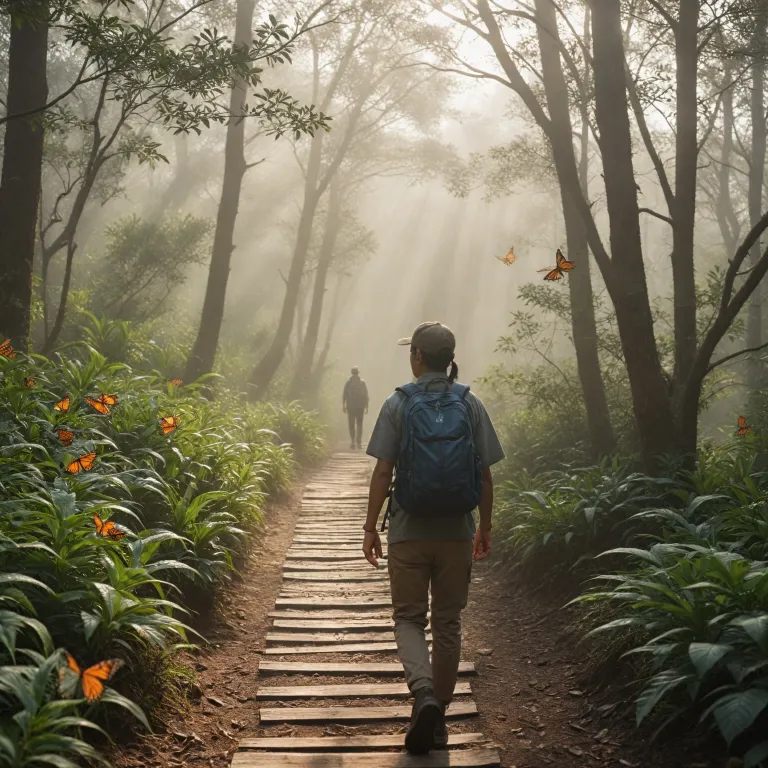
Why monarch butterfly biosphere reserve tours belong on off the beaten path lists
Far from Mexico’s crowded coasts, the Monarch Butterfly Biosphere Reserve offers a quieter kind of wonder. These monarch butterfly biosphere reserve tours lead you into mountains west of Mexico City where forests glow with wings, yet the experience still feels intimate and human. For travelers seeking off the beaten path adventures, this migration reveals how a single species can shape entire communities.
The reserve protects more than 56 000 hectares of oyamel fir forest, and each day between November and March millions of monarch butterflies cluster on branches like living leaves. Guided tours help you approach these monarchs respectfully, turning a simple trip into a deeper lesson about climate, conservation, and rural life in west Mexico. Because the area remains relatively remote, every tour Mexico operators run here still depends heavily on local knowledge and seasonal rhythms.
Most visitors start in Mexico City, then join day tours or a longer butterfly tour that includes overnight stays in the magic town of Angangueo. This former mining town Angangueo now thrives on ecotourism, with local families running small guesthouses and restaurants that support butterfly sanctuaries nearby. When you book, ask how your tour, group size, and transport choices support community projects, because responsible booking decisions directly influence conservation outcomes.
Wear comfortable hiking shoes and warm clothing. Visit during weekdays to avoid crowds. Hire local guides for a more informative experience.
Planning a monarch butterfly trip from Mexico City and beyond
Thoughtful planning transforms a simple butterfly tour into a meaningful travel experience. Start by choosing dates between November and March, because this is when monarch butterflies arrive, settle, and finally depart northward. Many tours starting in Mexico City offer early morning departures, allowing your guide to reach the butterfly sanctuary before the busiest day tours arrive.
Depending on your time, you can opt for a single day trip or a two night stay in Angangueo or nearby towns. A longer tour Mexico itinerary often includes visits to several butterfly sanctuaries, giving you a fuller sense of how different mountains west of the capital host distinct colonies of monarchs. When comparing butterfly tours, look carefully at group size, walking distances, and whether horses are used, because these details shape both comfort and environmental impact.
Responsible travel also means thinking about logistics such as travel insurance and local transport. Comprehensive insurance for your trip should cover mountain roads, hiking activities, and any delays that winter weather in west Mexico might cause. For travelers who enjoy combining destinations, it is possible to pair these monarch butterfly biosphere reserve tours with other off the beaten path journeys, such as unforgettable things to visit in Cuba for off the beaten path travelers.
The best time to visit is between November and March, with peak viewing from December to February.
Angangueo, Valle de Bravo, and the human side of monarch sanctuaries
Behind every monarch butterfly tour stands a network of local communities who live with the migration year after year. The magic town of Angangueo is the most emblematic, its steep streets and pastel houses clinging to hillsides that look toward the mountains west where monarch butterflies roost. Staying in town Angangueo lets you walk to small plazas, meet guides in the morning, and hear stories about how mining gave way to ecotourism.
Farther south, Valle de Bravo offers a different atmosphere, with a lakeside setting and forested slopes that attract both Mexican families and international visitors. From here, day tours reach nearby butterfly sanctuaries while still leaving time to explore the town’s markets and waterfront. Many travelers choose a private group tour from Valle de Bravo, which allows the guide to adapt the pace, route, and educational focus to your interests.
In both towns, your guide will often belong to an ejido, or communal landholding, that manages a butterfly sanctuary as part of a broader conservation strategy. Choosing butterfly tours that clearly explain how fees are shared with these communities helps ensure that monarchs and people benefit together. For travelers who appreciate similarly community based experiences elsewhere, an insider’s guide to off the beaten path Cuba can offer useful parallels.
The reserve is approximately 100 km northwest of Mexico City. Visitors can drive or take public transportation to nearby towns like Angangueo or Ocampo, then proceed to the sanctuaries.
What to expect on the trail during monarch butterfly biosphere reserve tours
Most monarch butterfly biosphere reserve tours begin with an early drive from your base city to the trailhead at a designated butterfly sanctuary. From there, a local guide will lead your group along marked paths that climb steadily through pine and oyamel forest toward the main colonies. Depending on altitude and weather, the hike can feel cool or even cold, so warm layers are essential for a comfortable day.
As you walk, listen for the subtle rustle of wings and watch for individual monarch butterflies drifting between sunlit clearings. When the sun strengthens, clusters of monarchs loosen, and the air fills with butterflies, creating a moving tapestry that even seasoned travel writers struggle to describe. Guides often pause to explain how monarch butterfly migration connects Canada, the United States, and Mexico in a single ecological story.
Group size matters here, because smaller groups reduce noise and make it easier to follow sanctuary rules that protect the monarchs. Many operators offer a private group option, which can be ideal for photographers or families who need a slower pace. For travelers interested in broader wellness focused adventures, some off the beaten path men’s retreats in Asia, such as those highlighted in this guide to off the beaten path men’s health retreats in Thailand, show how nature based trips can support long term wellbeing.
Bring comfortable hiking shoes, warm clothing, water, and a camera. Avoid bringing food, as it may attract wildlife.
Responsible travel, safety, and practicalities for monarch butterfly tours
Thoughtful behavior on monarch butterfly biosphere reserve tours directly affects the health of the colonies. Stay on marked trails, keep voices low, and follow every instruction your guide will share about distance, flash photography, and time spent near dense clusters of monarchs. These simple actions help ensure that future tours starting from Mexico City or regional towns can still witness thriving monarch butterflies.
From a safety perspective, altitude and terrain are the main considerations, especially for older travelers or those with heart or respiratory conditions. Good travel insurance for your trip should explicitly cover hiking at moderate elevations and medical evacuation from rural areas of west Mexico if needed. Inform your guide about any health concerns at the start of the day, because a responsible butterfly tour always adapts pace and rest stops to the slowest person in the group.
Ethical travel also involves transparency about where your money goes and how it supports conservation. Ask operators how fees are shared between local communities, conservation organizations, and park authorities that manage butterfly sanctuaries. When enough visitors choose companies with clear commitments, butterfly tours become a powerful tool for both habitat protection and dignified livelihoods in Angangueo, Valle de Bravo, and other gateway towns.
While not mandatory, hiring a local guide is recommended for a more informative and safe experience.
Designing a deeper itinerary around monarch butterflies and Mexican highlands
For many travelers, monarch butterfly biosphere reserve tours act as the centerpiece of a longer journey through central Mexico. You might begin in Mexico City, spend a day or two exploring museums and markets, then head toward the mountains west for a focused butterfly tour. Afterward, extending your trip to nearby pueblos mágicos allows you to balance natural spectacle with cultural immersion.
Depending on your interests, you can combine butterfly sanctuaries with visits to artisan workshops, coffee farms, or volcanic landscapes. Some travelers choose multi day tours starting in the capital that weave together monarch butterflies, colonial architecture, and regional cuisine in a single itinerary. Others prefer a private group arrangement, building a slower route that includes Valle de Bravo, town Angangueo, and smaller villages where few international visitors stay overnight.
Whatever structure you choose, remember that the monarch butterfly migration is seasonal and fragile. Planning your tour Mexico experience between November and March respects the natural rhythm of the monarchs while supporting communities during their key tourism window. With careful booking, appropriate insurance, and a willingness to listen to local voices, your time among the butterflies can become one of the most meaningful off the beaten path adventures in the Americas.
Yes, towns such as Angangueo and Ocampo offer a range of accommodations from budget hostels to comfortable hotels.
Key statistics about the Monarch Butterfly Biosphere Reserve
- Area of the Monarch Butterfly Biosphere Reserve : 56 259 hectares.
- Number of monarch butterflies overwintering annually : up to 1 000 000 000 butterflies.
Essential questions about monarch butterfly biosphere reserve tours
When is the best time to visit the Monarch Butterfly Biosphere Reserve ?
The best period for monarch butterfly biosphere reserve tours runs from November to March, aligning with the full overwintering season. During this window, December to February usually offers the most stable weather and the densest clusters of monarch butterflies on the trees. Planning your trip within these months increases the likelihood of clear trails, active butterflies, and well organized day tours from Mexico City or nearby towns.
How can I get to the Monarch Butterfly Biosphere Reserve ?
Most travelers reach the reserve by first flying or driving into Mexico City, then continuing by road toward the mountains west of the capital. From the city, buses and private transfers connect to gateway towns such as Angangueo or Ocampo, where local guides organize access to each butterfly sanctuary. Depending on your budget and group size, you can choose shared tours, private group transport, or a combination of public buses and taxis to complete the journey.
What should I bring when visiting the sanctuaries ?
Essential items for a comfortable butterfly tour include sturdy walking shoes, layered warm clothing, and a small day pack for water and personal items. Because weather in west Mexico’s highlands can shift quickly, a light rain jacket and gloves are also useful, especially on early morning day tours. To protect monarchs and other wildlife, avoid bringing food onto the trails and always follow your guide’s instructions about where to rest, photograph, and observe the butterflies.