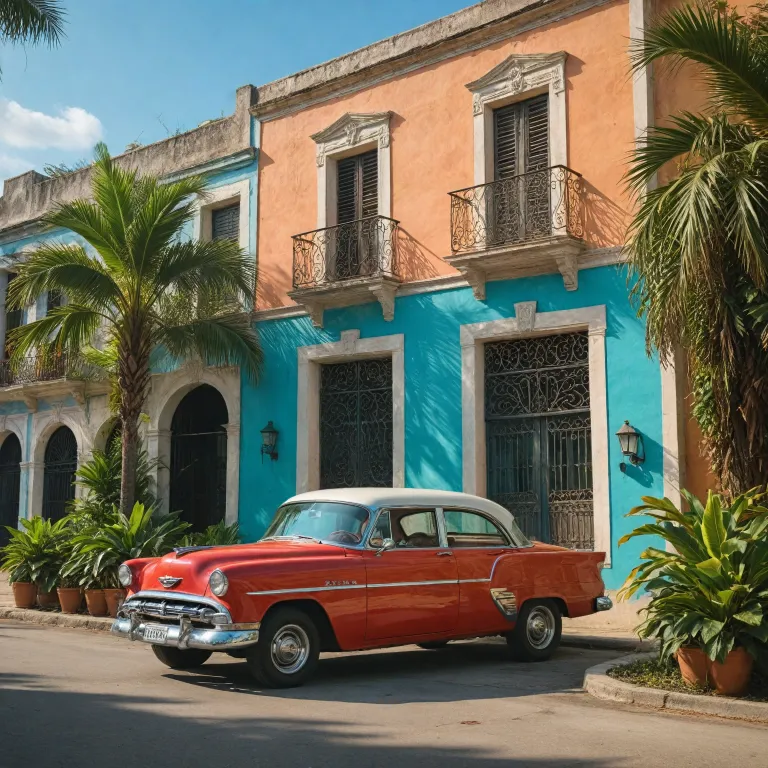
Quiet corners of havana beyond the classic postcards
Many people travel to havana for its music filled streets. The city rewards those who give it time, wandering beyond the usual plazas to find quieter places that reveal how cuba breathes after the tour groups leave. In these side streets you meet cuban people whose daily rhythms shape the real character of the island.
Start in Habana Vieja, but move away from the top monuments. As you walk, you will notice how the old city shifts from polished heritage site façades to lived in stairwells, rooftop gardens, and corner cafés where people cuba gather to talk baseball and politics. This is where visiting cuba becomes less about checklists and more about conversations that support cuban livelihoods.
Responsible cuba travel in havana means choosing small guesthouses, family run paladares, and local guides. These choices support cuban people directly, while your visit also helps preserve the UNESCO heritage status of Habana Vieja and its intricate urban fabric. For many americans, this approach aligns with regulations that encourage travel which aims to support cuban communities.
When people travel with curiosity, the city responds generously. Local guides, hospitality staff, and residents often share nuanced stories about cuban history, from the colonial era to the cuban revolution and its lasting effects on daily life. As one local tourism briefing notes, "Cuba offers a diverse range of travel destinations, from historic cities to natural landscapes."
Plan your time so you can walk rather than rush by taxi. Slow travel tips include exploring early in the morning, when the light softens crumbling façades, and again late at night, when music drifts from doorways and the island’s layered past feels especially vivid. These quieter hours reveal some of the most memorable places to travel in cuba.
Viñales and the rural road into cuba’s tobacco valleys
Leaving the capital, the road to Viñales shows another side of cuba. As the city fades, the island opens into wide valleys, limestone mogotes, and small farms where cuban people still work largely by hand. This landscape offers some of the best places to travel in cuba for visitors seeking calm and connection.
The town of Viñales itself feels unhurried, with pastel houses and verandas. Many people travel here to walk or cycle between farms, meeting families who grow tobacco, coffee, and vegetables in ways that reflect both tradition and adaptation. Guides from the area explain how supporting local agriculture helps support cuban communities beyond the main tourist corridors.
Several trails lead into the Viñales Valley, a UNESCO heritage site recognized for its cultural landscape. When visiting cuba, allocate enough time to explore on foot or horseback, rather than only from a tour bus window, because the slower pace allows you to appreciate how closely people cuba live with the land. These experiences often become a highlight of any trip cuba itinerary.
For americans planning cuba travel, Viñales fits well within people to people style journeys. You can visit small farms, talk with growers about cuban history and the impact of the cuban revolution on rural life, and learn how younger generations see their future on the island. Such exchanges deepen understanding far beyond what a quick city break can offer.
Practical travel tips include packing sturdy shoes, carrying cash for farm visits, and arranging licensed local guides in advance. Whether you are visiting as solo travelers or in small groups, these rural places visit options show why Viñales ranks among the top off the beaten path places to travel in cuba, especially for those who value sustainable, community based tourism.
Trinidad, santa clara, and small town echoes of cuban history
On the south coast, the town of Trinidad blends cobbled streets with sea breezes. Many people travel here for its pastel houses and music filled plazas, yet the real charm lies in wandering side alleys where laundry hangs above stone steps and the pace of cuba slows. This is one of the best preserved colonial places to travel in cuba, and it rewards patient exploration.
Trinidad’s historic center is a UNESCO heritage site, and its museums trace centuries of cuban history. Beyond the main squares, you find workshops where artisans carve wood, weave textiles, or restore old doors, and these small enterprises rely on visitors who choose to support cuban crafts directly. Such encounters help people cuba maintain traditions while adapting to modern travel demand.
A few hours inland, santa clara offers a different narrative thread. Here, the memory of Che Guevara and the decisive battles of the cuban revolution shape both monuments and everyday conversations, making the city one of the most thought provoking places visit on the island. The mausoleum and museum provide context that many americans and other international visitors rarely encounter in depth.
When visiting cuba with an interest in politics and culture, santa clara and Trinidad together form a powerful pairing. You move from coastal town life to an inland city where students, musicians, and hospitality staff discuss how cuba travel has changed over decades. These exchanges highlight how people travel not only for scenery, but also for understanding.
Plan enough time between these towns to explore smaller villages along the road. Local guides can suggest family run casas, quiet viewpoints, and lesser known heritage site churches that rarely appear on standard trip cuba brochures. In this region, the most meaningful places to travel in cuba often emerge in the spaces between the famous stops.
Santiago de Cuba, che’s legacy, and the island’s eastern edge
Far from havana, Santiago de Cuba feels closer to the Caribbean in rhythm and climate. This eastern city has played a central role in cuban history, from colonial resistance to the early days of the cuban revolution, and its streets still echo with that energy. For travelers seeking less visited places to travel in cuba, Santiago offers depth rather than polish.
The city’s hillside neighborhoods overlook a wide bay, where people cuba have long balanced trade, migration, and defense. Museums and fortresses here trace stories that connect Che Guevara, independence leaders, and contemporary artists, giving context to how the island’s identity formed over centuries. Many people travel east specifically to understand these layers beyond the capital’s narrative.
Compared with more frequented destinations, Santiago de Cuba sees fewer americans and European visitors. This lower volume can make interactions with cuban people feel more spontaneous, whether you are talking with musicians in a courtyard or hospitality staff in a family guesthouse, and such moments often become highlights of visiting cuba. Choosing locally owned services helps support cuban families directly.
Reaching Santiago usually involves a long road journey or a domestic flight. Travel tips include planning extra time for delays, carrying copies of your cuban visa, and confirming transport schedules locally, because information can change quickly on the island. Once there, walking the city’s steep streets offers an intimate way to experience daily life and lesser known places visit.
From Santiago, side trips lead to coastal villages and mountain communities that rarely appear in mainstream cuba travel marketing. These excursions show how people travel within the island itself, moving for work, study, or family, and they reveal another dimension of trip cuba experiences. For thoughtful visitors, the eastern region may feel like one of the top frontiers among off the beaten path places to travel in cuba.
Practical guidance for visiting cuba responsibly and confidently
Thoughtful planning shapes how rewarding your time on the island will feel. Before you visit cuba, ensure your passport, health documents, and cuban visa meet current regulations, especially if you are traveling from the united states under specific categories. This preparation reduces stress and allows you to focus on the most meaningful places to travel in cuba once you arrive.
Responsible cuba travel also means understanding local customs and economic realities. Many cuban people rely on tourism for income, so choosing family run guesthouses, independent guides, and small restaurants helps support cuban communities more directly than large international operations. When people travel with this awareness, their spending becomes a quiet but powerful form of support cuban livelihoods.
Money logistics deserve careful attention, because card acceptance remains limited across much of the island. Bring enough cash in widely accepted currencies, split between secure locations, and confirm current exchange practices with trusted local guides or tourism offices, which often provide up to date travel tips. This approach helps you navigate both big city expenses in havana and smaller town costs in places like Trinidad or Viñales.
Transport between cities usually involves buses, shared taxis, or private drivers. The road network connects major destinations such as santa clara and Santiago de Cuba, but travel times can be longer than maps suggest, so build flexibility into your trip cuba schedule. Along the way, you may find unplanned places visit that become personal favorites among your own top places to travel in cuba.
For deeper context on remote islands and the feeling of time stretching, you might enjoy reading about an Arctic island where light, dark, and time feel different. While geographically distant from cuba, such stories echo the sense of dislocation many travelers feel when they slow down on this Caribbean island. Embracing that slower rhythm often becomes the most valuable lesson of visiting cuba thoughtfully.
Regulations, ethics, and deeper cultural engagement across cuba
Navigating regulations is especially important for americans planning places to travel in cuba. Rules can shape where you stay, how you spend, and which activities qualify under authorized categories, so always verify current guidance from the united states government before booking. Once informed, you can design a trip cuba that both complies with regulations and genuinely benefits local communities.
Ethical engagement goes beyond paperwork and into everyday choices. When people travel with respect, they ask before taking photos, learn basic Spanish phrases, and listen more than they speak, which builds trust with cuban people in both city and rural settings. These small gestures matter greatly in neighborhoods of havana, the streets of santa clara, or the fields around Viñales.
Understanding cuban history helps frame what you see on the island. Museums, conversations, and guided walks reveal how the cuban revolution reshaped institutions, from education to healthcare, and how those changes still influence cuba travel today, including infrastructure, cultural policy, and international relations. In places like Santiago de Cuba, the legacy of Che Guevara and other figures remains part of daily discourse.
Many heritage site designations, including UNESCO heritage listings, aim to protect architecture and traditions while welcoming visitors. As you visit cuba, remember that these places are living communities, not open air museums, and your presence should support cuban residents rather than displace them. Choosing experiences that prioritize local voices helps ensure that people cuba remain central to tourism narratives.
Finally, keep an eye on emerging eco tourism and community based initiatives across the island. These projects often appear first in less visited towns, where creative hospitality staff and local guides experiment with new ways to host guests, share stories, and protect landscapes. By seeking out such initiatives, you help shape a future in which the most meaningful places to travel in cuba remain vibrant for generations of travelers and residents alike.
Key tourism statistics for cuba
- Tourist arrivals: approximately 1 600 000 visitors per year, reflecting strong international interest in cuba travel.
- Length of Varadero Beach: around 20 km of continuous sand, contrasting with the smaller coves near many off the beaten path places visit.
- Area of Viñales Valley: about 132 km², illustrating the scale of this rural UNESCO heritage landscape.
Essential questions about places to travel in cuba
What are the top tourist destinations in cuba?
Top destinations include havana, Varadero, Viñales Valley, Trinidad, and Cienfuegos. For travelers seeking less crowded experiences, towns like santa clara and Santiago de Cuba, along with rural areas near Viñales, offer compelling alternatives to the main resort corridors while still connecting easily to these top sites.
Is it safe to travel to cuba?
Cuba is generally considered safe for tourists, but it is advisable to stay informed about local conditions. Standard precautions apply, such as safeguarding valuables, using licensed taxis, and following guidance from local tourism offices, especially when exploring quieter neighborhoods or rural road routes between smaller towns.
What is the best time to visit cuba?
The best time to visit is during the dry season, from November to April. During these months, road conditions are usually better, humidity is lower, and exploring cities like havana or outdoor areas such as Viñales and Trinidad becomes more comfortable for long walks and extended cultural visits.