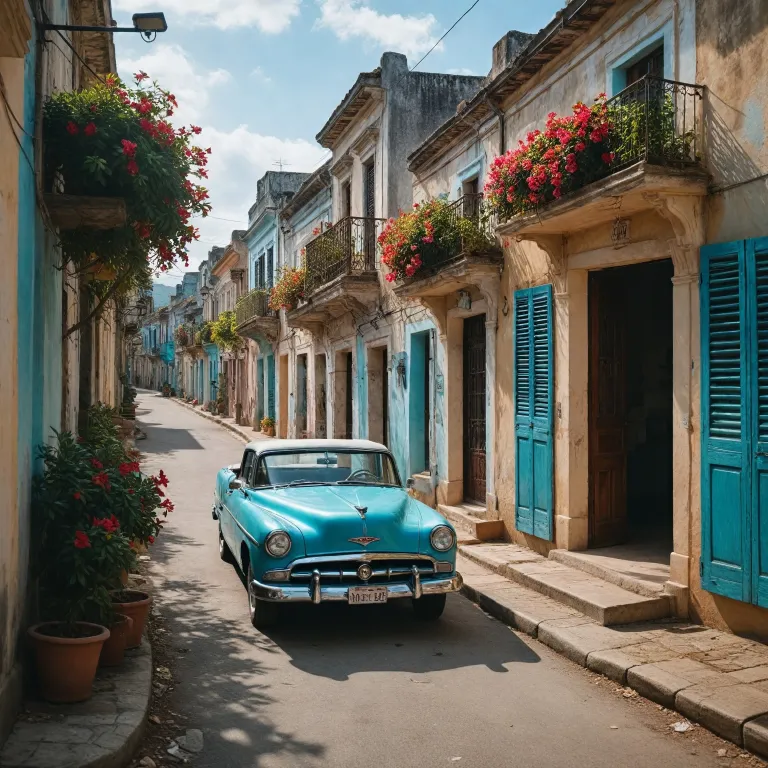
Quiet corners of havana beyond the classic postcard views
Many guides to the best places to visit in Cuba focus on the same central streets of Havana, yet the city hides quieter layers ideal for travellers seeking depth. When you travel through the backstreets of Centro Habana and Regla, you will find lived in neighbourhoods where Afro Cuban culture, santería altars, and sea battered promenades shape daily life. This side of cuba havana offers some of the best places for slow walks, informal chats with residents, and unhurried photography away from the cruise crowds.
Plan your trip so you visit small community projects, such as rumba collectives and independent art studios, which show how the cuban revolution still influences creative expression. When visiting cuba, you should carry comprehensive travel insurance, because medical care for travellers is centralized and proof of travel insurance is often requested on arrival. In these districts you will find simple casas particulares rather than large resorts, and staying in these family run homes gives you direct insight into how the country manages everyday shortages and celebrations.
Even in this dense city, off the beaten path corners remain surprisingly calm, so take time to read street murals and talk with musicians rehearsing on stoops. Responsible cuba travel means respecting privacy when you photograph, asking permission, and supporting small restaurants that serve seasonal cuban dishes. As you travel through these neighbourhoods of Havana, you will sense how the legacy of the cuban revolution, the speeches of Fidel Castro, and the ongoing role of the Cuban Ministry of Tourism intersect in one endlessly layered city.
Vinales and las terrazas for rural cuba travel in slow motion
For many travellers, the best places to visit in Cuba include the limestone valleys and tobacco farms of Viñales, where red earth and emerald mogotes create a cinematic landscape. This region of cuba rewards unhurried travel, because you will find family owned fincas, organic gardens, and quiet trails that reveal how the country balances agriculture with tourism. When travelling cuba in this rural area, arrange a local guide through your casas particulares so your visit supports residents directly rather than only large agencies.
Viñales is also one of the best places for travellers who want to understand how traditional cuban farming methods survived both the colonial era and the cuban revolution. Before your trip, check travel advisories, secure travel insurance that covers horseback riding or hiking, and read up on seasonal weather so you choose the best time for outdoor activities. Nearby, the eco village of Las Terrazas shows another side of cuba travel, where reforestation projects, lakeside walks, and artist workshops demonstrate how the country experiments with sustainable development.
Las Terrazas may not appear on every list of cuba best highlights, yet it offers some of the most peaceful places visit for birdwatching and river swimming. If you are planning a wider journey through remote travel destinations, this detailed guide to secluded escapes can help you compare how Cuba’s countryside differs from other isolated regions. Together, Viñales and Las Terrazas show why visiting cuba is not only about cities, because rural communities reveal the quieter ambitions of a country reshaping its future.
Trinidad, cienfuegos, and santa clara beyond the standard heritage circuit
Many travellers know that Trinidad is a UNESCO World Heritage Site, yet few explore its surrounding valleys and coastal hamlets, which rank among the best places to visit in Cuba for cultural immersion. The cobbled streets of cuba trinidad, framed by pastel houses and church towers, tell stories that stretch from the sugar boom to the cuban revolution. When you travel beyond the central plaza, you will find small workshops, music schools, and casas particulares where families explain how tourism reshapes this historic city.
The nearby Valle de los Ingenios, another UNESCO heritage landscape, offers some of the best places for understanding how enslaved labour built the wealth that financed Trinidad’s mansions. In Cienfuegos, often overlooked on a trip focused on Havana and Varadero, the French inspired layout and seaside malecón reveal a different cuban identity that feels more Caribbean than Spanish. Santa Clara, meanwhile, is essential for anyone interested in the cuban revolution, because the mausoleum of Che Guevara and related memorials show how the country narrates its own history.
When visiting cuba and planning this central route, secure travel insurance that covers intercity buses or car hire, because distances between each city can be longer than maps suggest. These three cities together form one of the cuba best itineraries for travellers who want both architecture and political context, rather than only beaches. If you are comparing other heritage rich journeys, this in depth look at immersive island travel offers a useful benchmark for how Cuba’s cultural density rivals more famous archipelagos.
Santiago de cuba, santiago cuba province, and the eastern frontier
The far east of the country often escapes lists of the best places to visit in Cuba, yet Santiago de Cuba and its surrounding province reward travellers who value music, history, and mountainous landscapes. The city of Santiago de Cuba, sometimes simply called Santiago Cuba, feels more Caribbean than Havana, with Haitian influences, intense summer festivals, and a harbour that once guarded the entrance to the island. When you travel here, you will find that the legacy of the cuban revolution is especially vivid, because Fidel Castro announced key victories from its balconies and squares.
Visiting cuba’s eastern region requires more planning, so secure robust travel insurance that covers domestic flights or long distance buses, as delays can extend your trip unexpectedly. In the hills above the city, you will find remote communities, coffee farms, and lookout points that count among the cuba best viewpoints for sunrise over the bay. These places visit are ideal for travellers who prefer homestays and casas particulares, because large resorts remain rare in this part of the country.
As you travel through Santiago Cuba province, consider side trips to national parks and coastal villages where coral reefs and black sand beaches remain relatively quiet. This region shows another dimension of cuba travel, where the country’s African heritage, revolutionary memory, and contemporary challenges intersect in daily life. For those travelling cuba with a focus on culture, Santiago de Cuba may become the city that reshapes how you read the island’s complex narrative.
Offbeat coastal routes, casas particulares, and practical cuba travel tips
Beyond the famous resort strips, some of the best places to visit in Cuba lie along secondary coastal roads where fishing villages and mangrove lagoons shape the horizon. Travelling cuba along these routes, you will find modest casas particulares, roadside fruit stalls, and small restaurants that serve fresh seafood at prices far below major hubs. These stretches of the country are ideal for travellers who value quiet evenings, long walks, and conversations with families who rarely see large tour groups.
Because infrastructure can be basic, comprehensive travel insurance is essential, especially if your trip includes car rental or cycling between towns. Before you visit cuba, read current transport schedules carefully, as buses may run less frequently in these regions than between Havana, Trinidad, and Santiago Cuba. When you travel, carry enough cash in Cuban pesos for several days, because card payments remain limited and ATMs can be scarce in smaller city centres.
For travellers comparing different remote yet refined stays, this guide to luxury and serenity in the Grenadines offers useful context on how other islands manage low density tourism. In Cuba, however, the emphasis remains on community based stays, so casas particulares are often the best places for authentic contact with local life. As you move along these coastal routes, you will find that the rhythm of the country slows, and visiting cuba becomes less about ticking places visit and more about absorbing everyday details.
Planning your cuba trip with safety, heritage, and context in mind
Thoughtful planning turns a simple itinerary into a meaningful journey through the best places to visit in Cuba, especially when you prioritise safety, context, and local engagement. Before your trip, check official advisories, secure travel insurance that covers medical care in the country, and confirm that your policy includes evacuation from remote areas. Remember that “Generally, Cuba is considered safe for tourists, but it's advisable to stay updated on travel advisories.”
When you visit cuba, carry copies of your insurance documents, passport, and key reservations for casas particulares, because internet access can be intermittent outside major city centres. To understand why certain squares, fortresses, and neighbourhoods matter, read about the cuban revolution, the role of Fidel Castro, and how UNESCO heritage status protects sites like Old Havana and Trinidad. These layers of history will help you see why cuba best itineraries often weave together Havana, Viñales, Trinidad, Cienfuegos, Santa Clara, and Santiago Cuba rather than focusing on a single region.
As you travel, respect local customs, learn basic Spanish phrases, and support small restaurants that source ingredients locally, because this approach aligns with the Cuban Ministry of Tourism’s emphasis on sustainable development. For many travellers, the most memorable places visit are not the grand monuments but the quiet porches, music filled patios, and family kitchens encountered while visiting cuba. With patience, curiosity, and well chosen travel insurance, your cuba travel experience will reveal a country that rewards those who take time to find its subtler rhythms.
Key statistics for planning a cuba itinerary
- International tourist arrivals to Cuba recently reached approximately 4 700 000 people, illustrating the country’s growing appeal for global travellers.
- Cuba currently has 9 UNESCO World Heritage Sites, reinforcing its status as a major cultural and historical destination in the Caribbean.
Essential questions when considering the best places to visit in cuba
Is it safe to travel to Cuba ?
Generally, Cuba is considered safe for tourists, but it remains wise to follow standard precautions such as using official taxis, avoiding poorly lit areas at night, and keeping valuables discreet. You should also stay informed through your government’s travel advisories, because regulations and local conditions can change. Many travellers feel comfortable walking in major city centres, yet comprehensive travel insurance provides additional reassurance for unexpected medical or logistical issues.
What is the best time to visit Cuba ?
The dry season, which typically runs from late autumn to early spring, is widely regarded as the best time to visit Cuba for comfortable temperatures and lower humidity. During these months, road conditions are usually better, which is important if you plan to travel between Havana, Viñales, Trinidad, and Santiago Cuba. Shoulder periods at the start or end of the dry season can offer fewer crowds while still providing favourable weather for exploring both cities and rural areas.
Do I need a visa to visit Cuba ?
Most travellers require a tourist card, often referred to as a visa, to enter Cuba, and this document is usually arranged through airlines, tour operators, or Cuban consulates. Requirements vary by nationality, so you should confirm details with the Cuban embassy or consulate in your country well before your trip. Keep your tourist card, passport, and proof of travel insurance together, because officials may request to see them when you arrive or depart.
